







Search Results for: Cappuccino Coffee

Cappuccino Dry vs. Wet Differences and the Golden Ring Method: A Complete Analysis from Ratios to Latte Art Evolution
When ordering a cappuccino at a coffee shop, regulars often ask for it to be made "dry," and behind this lies the historical evolution of different versions of cappuccino. The core difference between a dry cappuccino and a wet cappuccino lies in the ratio of milk to milk foam: the former has thick foam and less milk, giving a more intense coffee flavor; the latter has thinner foam and more milk, giving a silkier mouthfeel. Through an actual brewing comparison using Front Street Coffee's classic Italian blend, this article explains in detail the differences between the two types of cappuccino in terms of ratio, taste, and mouthfeel, and explains why the mainstream approach shifted from the dry version to the wet version—the rise of latte art was the key driving force. If you also want to recreate the old-school coffee golden ring at home, or want to understand the difference between a latte and a cappuccino, this content will give you clear answers. [more…]

Why Isn't Cappuccino Served Iced? A Complete Interpretation from Its Naming Origins to the Golden Circle Tradition
Cappuccino is a classic of Italian coffee, but it has a characteristic that leaves many baristas rather helpless—it is only made hot. Why is there no iced cappuccino? Behind this lie both the historical origins of its naming and the finer points of its crafting. From the etymology of the Italian word "Cappuccino," to the inspiration drawn from the shape of the hoods worn by missionaries of the Catholic Franciscan order, to the "coffee golden ring" and the dense milk foam rising above the rim of the cup, every detail of cappuccino carries tradition. Front Street will guide you through the core characteristics of cappuccino, and why an iced cappuccino struggles to recreate the joy of that hot cup. [more…]
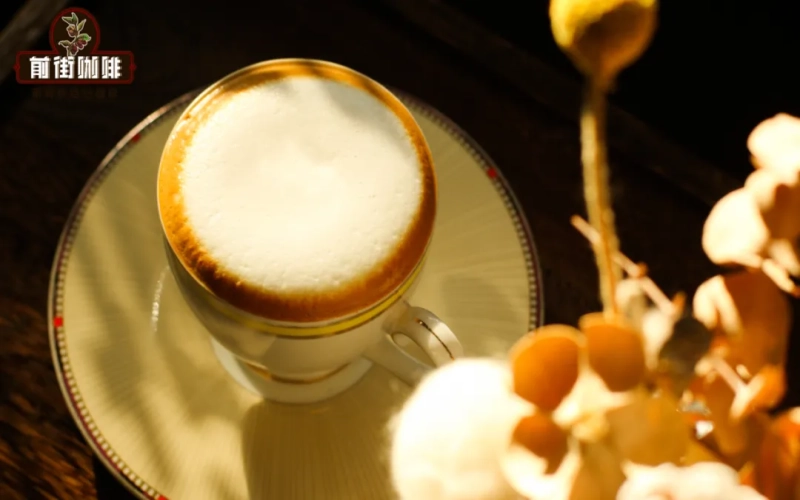
What's the difference between a cappuccino and a latte? A full breakdown of the dry and wet versions, the golden ring method, and the milk-to-coffee ratio
What exactly is the difference between a cappuccino and a latte? Why is cappuccino, despite sharing the same name, divided into "dry" and "wet" versions? This article begins with a special order request encountered at a Front Street store, taking you back through the origins of cappuccino, clarifying the difference between it and a latte in terms of the ratio of milk to coffee, and breaking down in detail the causes and characteristics of dry and wet cappuccinos. At the same time, the article will also share Front Street Coffee's recommended espresso blend bean choices, and how to use espresso and thick milk foam to make a cup of old-school cappuccino with a golden ring, helping you fully understand the layers and charm of this classic milk coffee. [more…]

Why Is Iced Cappuccino So Hard to Find? A Detailed Explanation of Espresso-to-Milk Ratios and the Differences Between Iced and Hot Preparation Methods
When ordering at a café, many customers notice that iced cappuccino isn't on the menu, and may even be told by the barista that "cappuccino isn't made iced." Behind this are both flavor considerations and the cumbersome production process. Starting from real conversations at Front Street Coffee's physical stores, this article analyzes the two core characteristics of hot cappuccino—thick milk foam and rich coffee flavor—and, using the classic blend as an example, discloses the complete parameters: 20g of grounds extracted into 40ml of espresso, 140–150ml of refrigerated milk whipped into 3cm of milk foam, and a milk temperature of 65°C. It also compares the similarities and differences between iced cappuccino and iced latte, explaining why iced milk foam is time-consuming and labor-intensive yet struggles to improve the taste, as well as the改良 attempts some cafés make by dusting cocoa powder or substituting cream. [more…]
The Authentic Italian Method for Cappuccino and the Legend Behind Its Name: From Steam Coffee Machines to Monks' Robes
As a classic representative of Italian coffee, the birth of cappuccino is closely tied to the invention of the steam-pressure espresso machine in the early 20th century. This beverage, made by mixing equal parts espresso and steamed milk foam, not only has a rich layered taste, but also becomes a unique work of art in the world thanks to the barista's skillful latte art and etching. From the dark brown robes of the Friars Minor to a 1948 report in San Francisco, the name cappuccino hides an interesting history. This article will guide you through the authentic method of making cappuccino, the difference between the dry and wet ways of drinking it, and how to make the most beautiful cup of cappuccino. [more…]
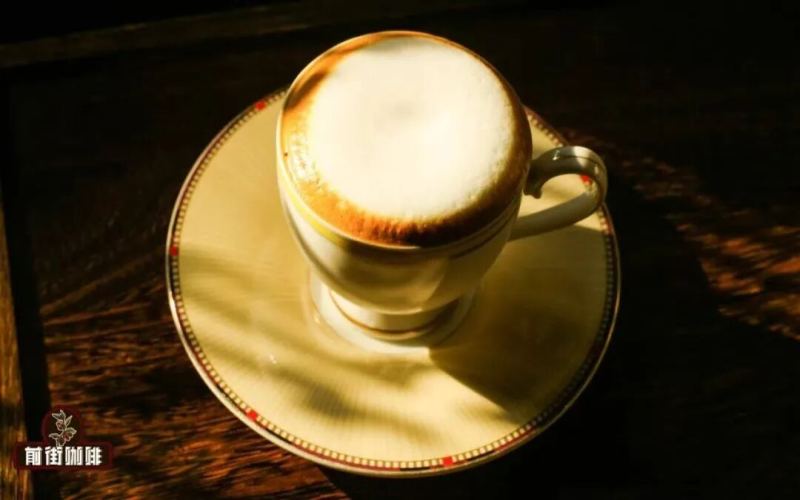
How to Make a Cappuccino | Why Are Nearly 90% of Cappuccinos Made Wrong? How to Make a Traditional Cappuccino with a Golden Ring?
If you often browse major coffee forums, Front Street believes that when it comes to cappuccino, you will always come across claims like this: "Nearly 90% of the cappuccinos on the market are not made correctly." Many friends are puzzled when they see this: "Isn't a cappuccino just a milk coffee with milk foam? Isn't it just [more…]

Latte Caffeine Content | What Is the Difference Between a Cappuccino and a Latte? How Can Coffee Beginners Make Latte and Cappuccino Coffee?
Front Street Coffee currently offers several types of espresso drinks, including latte, cappuccino, and mocha, with latte and cappuccino being the most frequently ordered. So what are the differences in taste and flavor characteristics between the two? How much caffeine does a cup of latte contain? Next [more…]
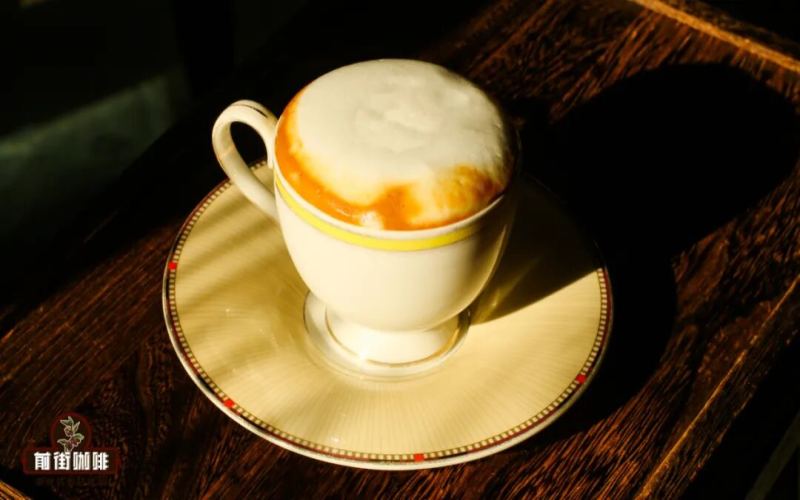
What Is a Cappuccino | The Difference Between a Cappuccino and a Latte: How to Make a Cappuccino and Its Characteristics
I'm not sure if you friends still remember, but previously Front Street shared a post about "Why Dirty Coffee Can't Be Ordered for Delivery." After that, some friends left messages in the background saying they noticed that many coffee shops also don't offer cappuccino for delivery, with only dine-in and takeout options available. As for Dirty, because it requires the milk [more…]

Cappuccino Milk Foam Thickness Standards and Texturing Analysis: From Classic Recipe to Modern Evolution
As a representative of Italian milk coffee, the thickness and degree of frothing of cappuccino's milk foam have always been a core concern for coffee enthusiasts. Starting from the classic 1:1:1 recipe, this article traces the evolution of cappuccino across different historical periods, analyzes the reasons behind the change in milk foam thickness from 2.5cm to 1-2cm, and explores the influence of latte art culture on the form of takeaway cappuccino. At the same time, drawing on the practical experience of Front Street Coffee, it explains how a small cup size, filling to 11 parts, a rich coffee flavor, and dense milk foam together constitute the essential characteristics of cappuccino, helping readers understand the positioning and identification methods of this classic beverage in the modern coffee environment. [more…]
Why Don't Italians Drink Cappuccino in the Afternoon? Coffee Bean Selection and Extraction Tips for Making a Rich, Aromatic Cappuccino
Cappuccino is a milk coffee that many coffee lovers enjoy daily, but in Italy, this drink carries an unwritten rule—ordering it in the afternoon may draw sideways glances. Why do Italians regard cappuccino as a "breakfast drink"? What are the local customs regarding its thick milk foam, intense espresso flavor, and filling the cup to 11 points? What coffee beans should be chosen to make an authentic cappuccino? From the perspective of Front Street, this article traces the origins of Italian coffee customs, analyzes the flavor characteristics and extraction parameters of cappuccino, and recommends Front Street's classic espresso blend coffee beans, guiding you to understand the cultural logic and brewing details behind this milk coffee. [more…]
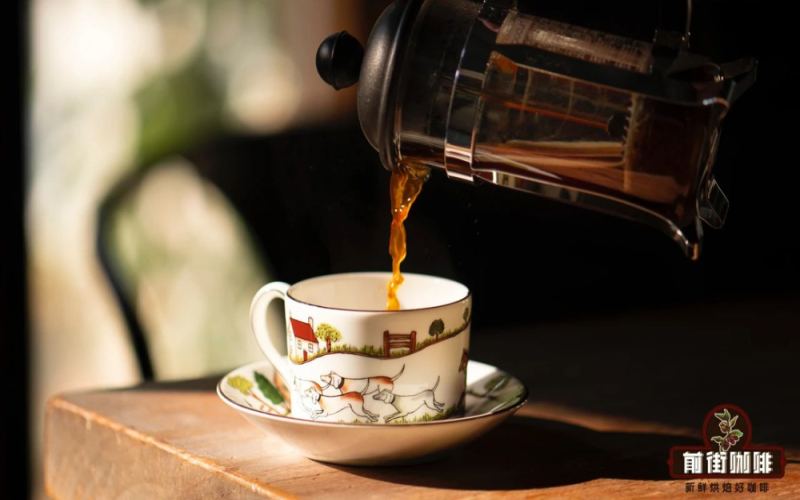
The Complete Guide to Milk Frothing with a French Press: A Full Tutorial from Hot Cappuccino to Iced Cappuccino
The French press is not just a great tool for brewing coffee and extracting tea—it can also easily create thick, creamy milk foam, making it a wonderful helper for making cappuccinos and lattes at home. In this article, Front Street Coffee will walk you through the origins of the cappuccino's name, the difference between dry and wet milk foam, and how to make a classic hot cappuccino using espresso, hot milk, and milk foam in the traditional proportions. In addition, we'll break down in detail the French press milk-foaming method and assembly steps for iced cappuccino, and explain why most coffee shops don't sell iced cappuccinos. At the end of the article, we've included a Front Street Coffee classic espresso blend recommendation, perfect for coffee lovers who want to recreate a professional taste at home. [more…]

Why Is Iced Cappuccino So Rare? Front Street Coffee Teaches You to Make a Smooth, Frothy Iced Cappuccino at Home with a French Press
On café menus, iced cappuccino is often nowhere to be found. Is it because it's too difficult to make, or because the taste is hard to accept? From the perspective of Front Street, this article first walks you through the origins of the cappuccino name and how the hot version is made, then takes a deeper look at why the cold version is so scarce, and finally gives a step-by-step demonstration of how to use an ordinary French press at home to whip up thick, velvety cold milk foam and put together a refreshing yet rich iced cappuccino. The whole process requires no professional espresso machine, and the parameters are flexible and adjustable—perfect for coffee lovers to recreate at home. [more…]
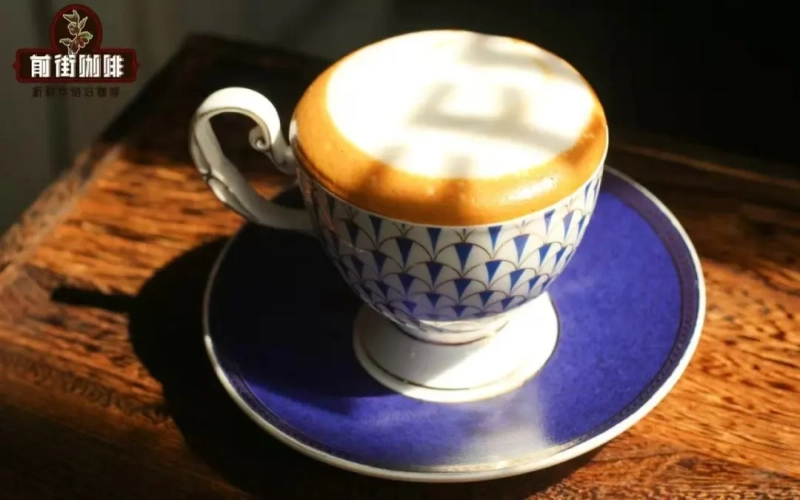
The Authentic Standards and Golden Circle Preparation of Cappuccino: The Golden Ratio of Espresso, Milk, and Milk Foam, and the 11-Point Fullness Technique
Cappuccino is not simply a milk-foam coffee; it has three hallmarks that distinguish it from lattes, flat whites, and other milk coffees: a velvety mouthfeel, a rich coffee taste, and a "11-point full" serve. Starting from the core characteristics of a cappuccino, this article explains in detail the ratio of coffee to milk, the effect of milk-foam thickness on latte art and the golden ring, and, using a classic blend bean as an example, provides the complete extraction parameters and steps for making the golden ring, helping you make a standard cappuccino at home that is rich without being bitter and as velvety as a cloud. [more…]
A Detailed Guide to the Correct Way to Drink Cappuccino and Milk Foam Preparation: Wet vs. Dry and Front Street Coffee Recommendations
As a classic representative of Italian coffee, the charm of cappuccino lies in the golden ratio of espresso, steamed milk, and milk foam. But do you know the difference between a dry cappuccino and a wet cappuccino? The former has thick milk foam and a prominent coffee flavor, while the latter is mostly milk with a softer mouthfeel, similar to a latte. This article will start with the origin and naming of cappuccino, explain in detail its ratio variations and flavor characteristics, and share the correct way to taste it along with key points for making milk foam. Whether you are a strong-flavor drinker who prefers an intense coffee taste or a beginner who likes a light, milky flavor, you can find the cup that suits you. Front Street Coffee has also selected beans suitable for making cappuccino for you, helping you recreate an authentic Italian flavor at home. [more…]

How Thick Should the Milk Foam Be for a Standard Cappuccino? Uncovering the Milk Foam Differences Between Cappuccino and Latte and Key Production Points
Many people cannot distinguish a cappuccino from a latte, especially nowadays when latte art is so popular that the two seem to look more and more alike. In fact, from the thickness of the milk foam to the logic of preparation, there is a clear dividing line between them. A cappuccino emphasizes preserving a ring of brown "coffee golden ring," and the milk foam needs to be whipped to about 1.5 cm thick to support a "hat" shape rising above the rim of the cup, which is why it is not suitable for latte art. A latte's milk foam, by contrast, is only about 1 cm thick and highly fluid, making it easy to blend and draw with. Starting from Front Street Coffee's production experience, this article sorts out the historical origins of the cappuccino, the standard for milk foam thickness, and the core differences from a latte, and gives complete operating steps from choosing a cup, extraction, and steaming milk to pouring, helping you make a qualified cup of cappuccino. [more…]

What's the difference between a latte and a cappuccino? A complete guide to the methods, ratios, and caffeine content of Italian milk coffees
Latte and cappuccino are the two most frequently ordered milk coffees on the Italian coffee menu. They share the same ingredients—espresso, milk, and milk foam—but their texture and ratios are quite particular. Drawing on Front Street Coffee's production experience, this article systematically sorts out the definitions of latte and cappuccino, their historical origins, the choice of espresso beans, extraction parameters, milk steaming temperature and foam thickness, as well as their respective recommended ratios and flavor performance. It also answers the common question of how much caffeine a latte contains, helping coffee lovers more clearly choose the Italian milk coffee that suits their taste. [more…]

Why Is Iced Cappuccino Rarely Seen? A Full Analysis from Naming Origins to Milk Foam Craft and Differences from Latte
People often ask for an iced cappuccino when ordering, only to be told that only the hot version is available. This has both historical roots and involves considerations of crafting technique and taste experience. The name cappuccino comes from Italian and is related to the color and shape of church robes; the traditional recipe consists of equal thirds of espresso, hot milk, and hot milk foam. Milk foam is also divided into dry and wet types, affecting the durability of the design and the mouthfeel. To meet diverse needs, chain coffee shops add whipped milk foam on top of an iced latte, but the taste differs noticeably from a hot cappuccino enjoyed in-house. This article will also introduce practical methods for making iced milk foam using a nitrogen canister, gelatin sheets, or a French press, and explain the core differences between cappuccino and latte in ratio and flavor, while preserving relevant suggestions from Front Street Coffee. [more…]
Should Cappuccino Have Latte Art? A Complete Analysis from Historical Origins to Preparation Details
Cappuccino is one of the most common milk coffees on café menus, yet its definition has always been evolving. From the "Kapuziner" of 18th-century Vienna to today's modern version topped with latte art, what changes has this classic drink undergone? Does an authentic cappuccino really need latte art? This article traces the origins of cappuccino, sorts out its evolution from coarse milk foam to dense microfoam, analyzes the origins of the traditional 1:1:1 ratio and the "golden ring," and explores how latte art has made cappuccino's milk foam thinner and thinner. At the same time, we will also consider: once a cup of coffee departs from these core features—a small cup size, filled to 11 parts, and thick milk foam—can it still be called a cappuccino? [more…]
What is the professional name for a cappuccino cup? A detailed explanation of standard capacity specifications and the dry/wet distinction
Where does the name cappuccino come from? What exactly is the difference between it and a latte or a flat white? Why do some people prefer a "dry" cappuccino while others like it "wet"? This article starts with the historical origins of cappuccino and explains in detail the professional name for a cappuccino cup, the standard capacity specifications, and the core differences between dry and wet cappuccinos in terms of milk foam texture and mouthfeel. It also draws on Front Street Coffee's actual experience at its stores to help you make an authentic cappuccino with a golden ring at home. [more…]
The Standard Method for Italian Cappuccino and Espresso Dosage: From Historical Origins to the Difference Between Milk and Coffee
Cappuccino is one of the most iconic milk coffees in Italian espresso culture. Along with the latte, it belongs to the milk coffee family, yet its identity is entirely different—cappuccino is a classic drink exclusive to Italy, whereas the latte is not uniquely Italian. Today, the cappuccinos and lattes served in many coffee shops look almost identical, with the only remaining difference being the thickness of the milk foam, which has gradually blurred the true face of traditional cappuccino. This article traces the historical origins of cappuccino, explores the written records that predate the invention of the Italian espresso machine, analyzes the connection between its name and the robes of Franciscan friars, and explains the espresso dosage and key preparation points of an authentic Italian cappuccino, helping you rediscover this classic milk coffee. [more…]