







What Does the Cappuccino Origin of Name Tell Us About the Drink?
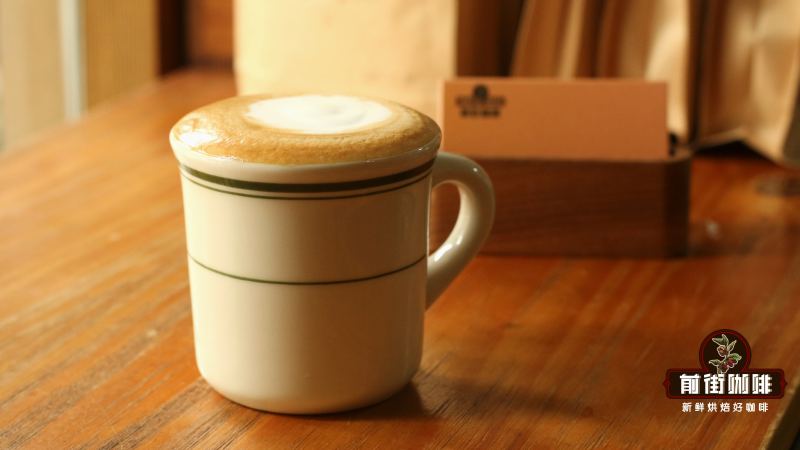
Cappuccino is a milk coffee exclusive to Italy, while latte is not an Italian-only creation. The name comes from the drink's surface: white milk foam in the center ringed by brownish-yellow crema, which viewed from above resembles a Franciscan friar in a robe called the Capuchin. Written records of cappuccino date to the 1930s, before the modern espresso machine existed.
In many shops today, cappuccino and latte look nearly identical, and the remaining difference is often just milk foam thickness, which blurs the traditional style. An authentic Italian cappuccino depends on espresso dosage and proper preparation. That history helps explain why cappuccino, rather than italy latte, is the drink that genuinely represents Italian coffee culture.
Cappuccino is one of the most iconic milk coffees in Italian coffee culture. Along with latte, it belongs to the milk coffee family, yet its identity is entirely different—cappuccino is a classic beverage exclusive to Italy, whereas latte is not uniquely Italian. Today, the cappuccinos and lattes served in many coffee shops look almost identical, with the only remaining difference being the thickness of the milk foam, which has gradually blurred the true appearance of traditional cappuccino. This article takes you through the historical origins of cappuccino, explores its written records that predate the birth of the modern espresso machine, analyzes the connection between its name and the robes of Franciscan friars, and explains the espresso dosage and preparation key points of an authentic Italian cappuccino, helping you rediscover this classic milk coffee.
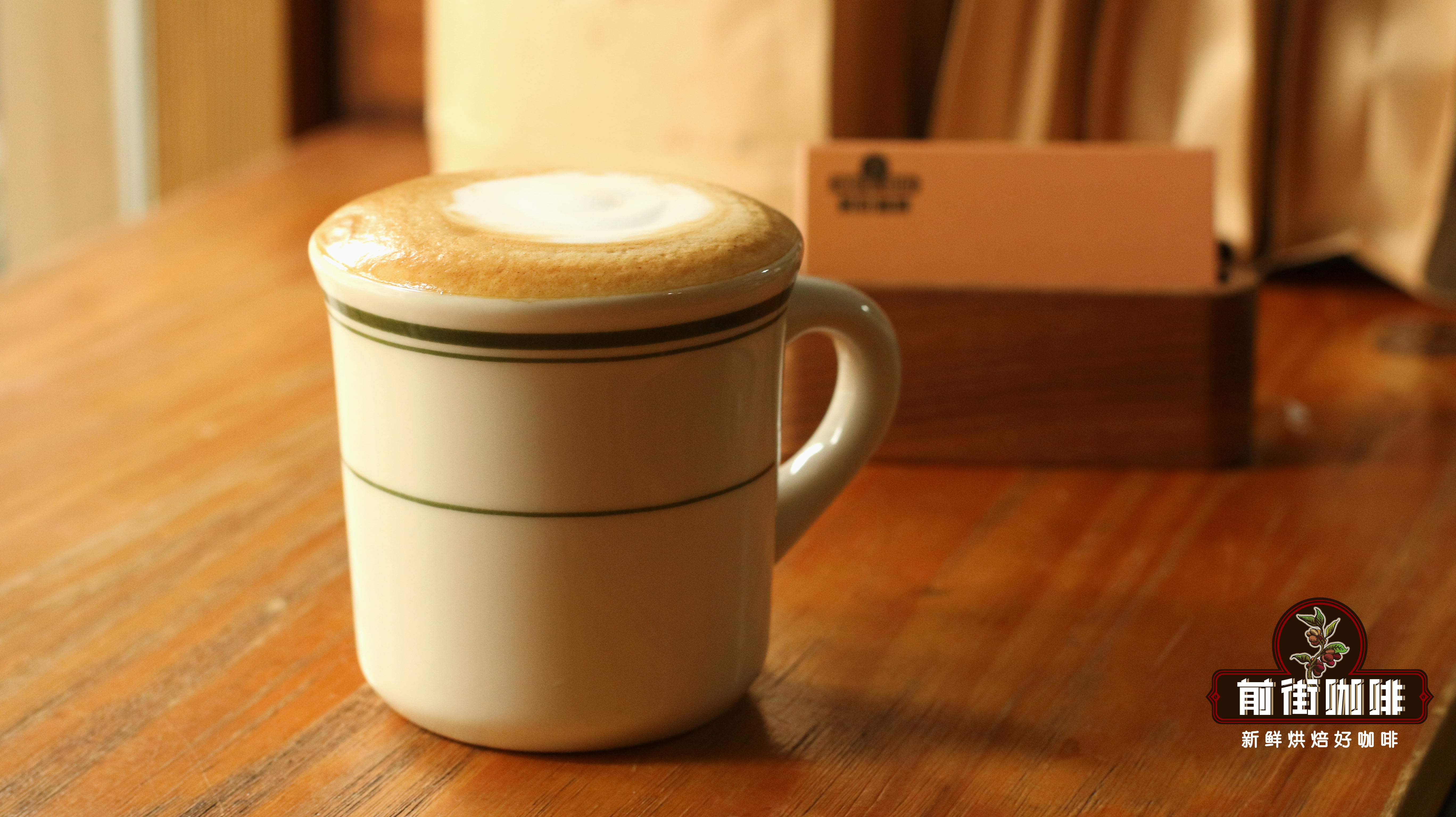
Cappuccino is a household-name coffee beverage. Like latte, it is a well-known milk coffee within the Italian coffee tradition. But the two do not share the same identity: latte (milk plus coffee) is not an Italian-exclusive creation, whereas the proper term cappuccino is what truly represents Italian coffee.
Today, nearly every coffee shop that sells milk coffee has both latte and cappuccino on its menu. Interestingly, in some coffee shops offering takeaway service, whether you order a latte or a cappuccino, you end up with the same kind of cup, and judging by appearance alone, you cannot tell which is which. Cappuccino has changed—the difference between it and latte seems to come down to nothing more than slightly thicker milk foam.
So what did the original cappuccino actually look like?
The invention of cappuccino actually predates the modern espresso machine. The earliest written record of it appeared in the 1930s. The origin of the name Cappuccino is related to the surface appearance of the coffee—a ring of white milk foam in the center, surrounded by a ring of brownish-yellow crema. Viewed from above, it closely resembles a Franciscan friar wearing a religious robe, and the name of that robe is precisely "Capuchin."

The above content is compiled by CoffeeHunters, a coffee news website.


