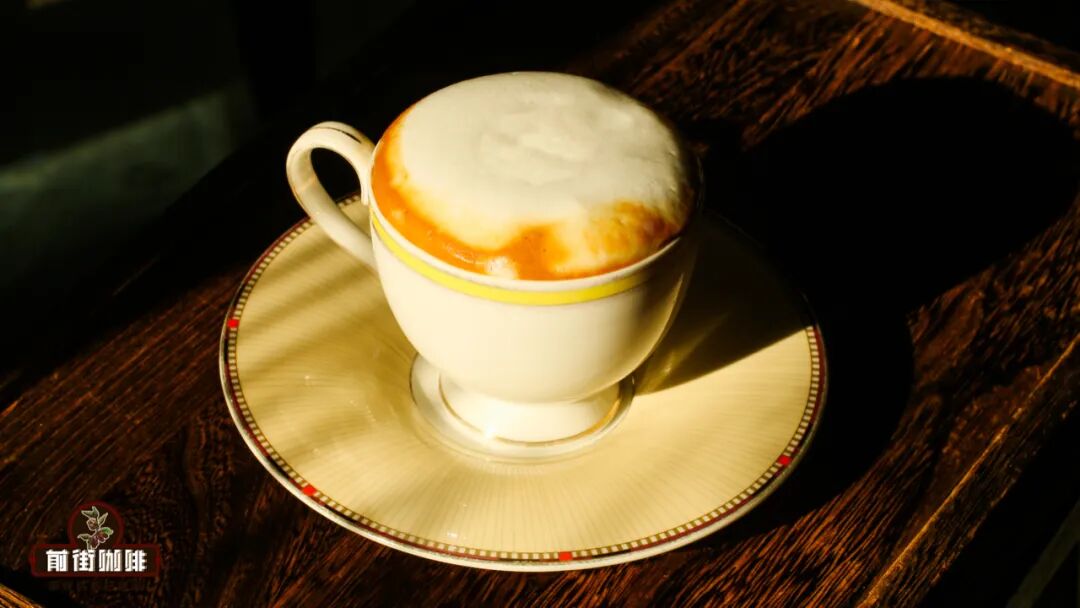
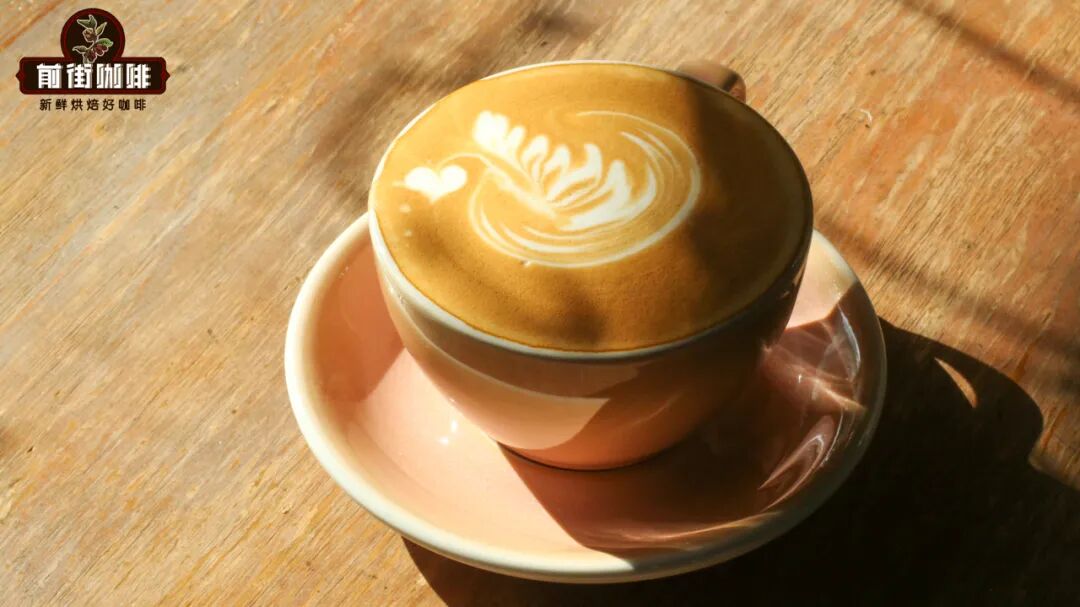
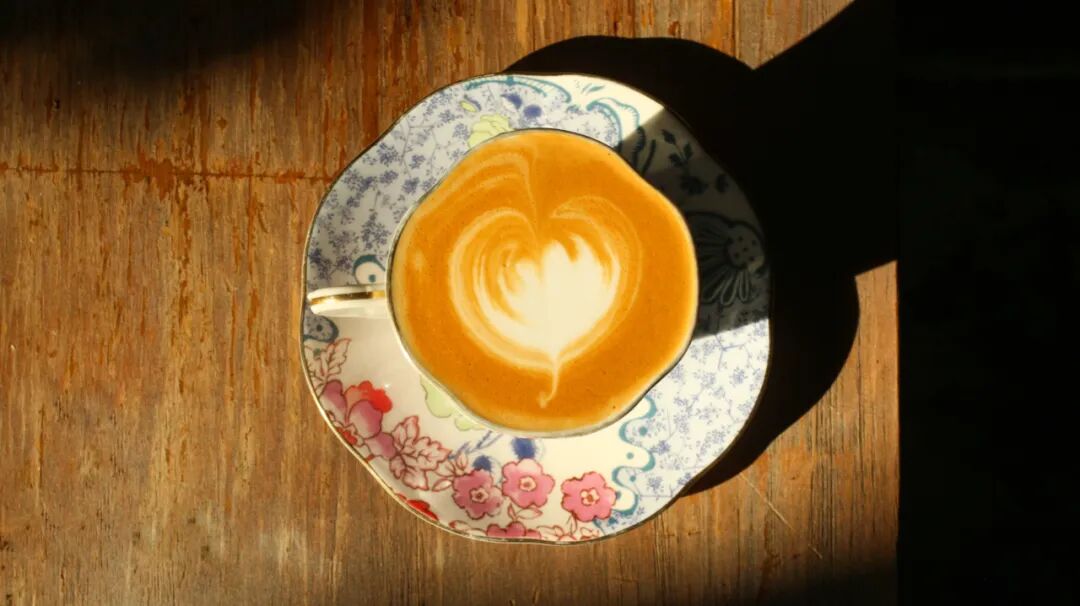
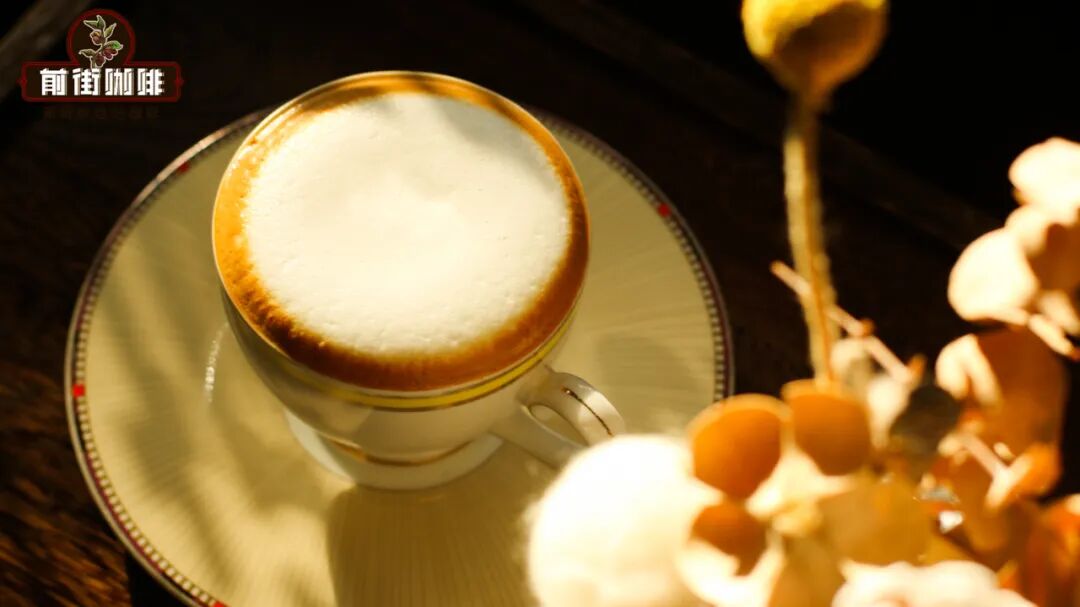
I wonder if friends still remember that previously Front Street shared an article about"Why Dirty Can't Be Ordered for Takeout". Then some friends left messages in the backend saying they noticed many coffee shops also don't offer cappuccino for takeout, only dine-in and to-go options.It's understandable that Dirty can't be offered for takeout because it requires keeping the milk and espresso layered while creating a temperature contrast. But why can't cappuccino, which like latte directly mixes milk and coffee, be offered for takeout? And yet latte and flat white of the same type can... This has raised questions for many friends.Actually, it's easy to understand! Although cappuccino, like latte and flat white, is an espresso coffee with only milk foam added, they differ in both taste and characteristics! So the main reason cappuccino can't be offered for takeout is that it has characteristics that takeout can't preserve.Latte focuses on balancing the flavors of coffee and milk. To prevent the coffee flavor from being too prominent, a large amount of milk is needed to balance the coffee taste. Taking Front Street as an example, when making hot latte, the parameters used are generally 40ml of espresso(20g grounds, 1:2 ratio, 30 seconds)paired with 200ml of hot milk. Then, to make the texture softer and to do latte art, when heating the milk, we need to create a milk foam with high fluidity and moderate thickness.The focus of flat white is to make the coffee taste strong but not bitter. For this, the amount of milk used is not as much as latte. Also, when making espresso, we reduce the extracted liquid volume, which avoids the bitterness of coffee and makes the coffee strong but not bitter.Taking Front Street as an example, when making flat white, the parameters used are generally 30-35ml of espresso(20g grounds, 1:1.5-1.8, 30 seconds)paired with 160ml of milk.Then, to give the coffee a smoother texture, when heating the milk for flat white, we create a very fluid, fine milk foam to enhance the flat white's quality.Cappuccino, on the other hand, focuses on highlighting the coffee flavor, so less milk is used. Taking Front Street as an example, when making cappuccino, the parameters used are generally 40ml of espresso(20g grounds, 1:2 ratio, 30 seconds), paired with 140-150ml of milk. Due to the smaller amount of milk, the coffee flavor is very prominent, which is quite hard for friends new to coffee to accept.Besides that, cappuccino has a very iconic feature: it must have a layer of dense, thick milk foam. Why? Because this layer of milk foam brings a dense and rich texture! For this, when steaming milk, we need to introduce a lot of air to create many bubbles, forming a thick milk foam.Even after cappuccino is transformed into an iced drink, its iconicthick milk foamis still retained. That shows the presence of this thick milk foam is crucial for cappuccino. Without this milk foam, cappuccino might not be called cappuccino.Based on the above simple introduction from Front Street, everyone knows the main differences between cappuccino, flat white, and latte. Besides taste, there's the difference in milk foam. And the reason cappuccino isn't offered for takeout is precisely affected by its iconic thick milk foam.As Front Street mentioned earlier, the essence of milk foam is bubbles! The liquid film surrounding the gas will become thinner as the liquid gradually drains. When it thins to a certain extent, the bubbles will burst. So, milk foam will gradually dissipate over time.From the store making the takeout to the customer receiving it, there's a delivery time. Although this time isn't too long, it's enough for more than half of the milk foam in the cup to disappear. Also, many coffee shops, to let customers get a warm coffee, specifically heat the milk to a higher temperature than usual for dine-in when steaming. Too high a temperature makes the milk foam dissipate faster.The reduction in milk foam makes the portion in the cup look smaller, which is a phenomenon that easily causes misunderstandings and then arguments for customers who don't know much about coffee. So to reduce arguments, many coffee shops simply choose not to offer takeout cappuccino, so there won't be too many disputes. The above content is compiled by CoffeeHunters, a coffee news website.