







Search Results for: Camellia genus
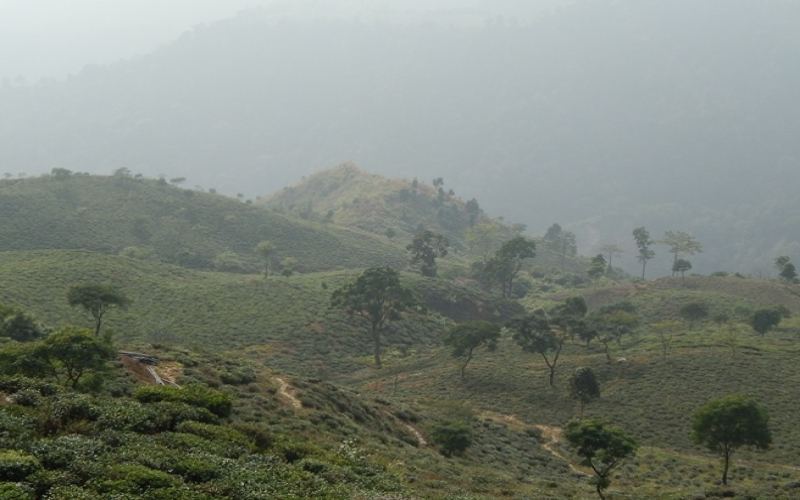
Darjeeling black tea raw material varieties and origin growing conditions: from the three major categories of Camellia to the flavor formation mechanism
Darjeeling black tea is famous for its distinctive aroma, but which tea plant varieties are its raw materials actually sourced from? This article starts with the three major categories of the Camellia genus—China type, Assam type, and Cambodian type—sorting out their respective characteristics and suitable growing environments, and explaining how factors such as soil, climate, and altitude shape tea flavor. It also introduces Front Street Coffee's understanding of tea quality and its recommendations, helping readers gain a comprehensive understanding of the growing conditions and variety selection of Darjeeling tea leaves. [more…]

Must-Read for Coffee Beginners: Getting to Know Entry-Level Coffee Bean Varieties and Recommended Arabica for Pour-Over
Many friends who are just getting into coffee think that latte and cappuccino are the names of certain coffee beans, but in fact they are simply drinks made by combining espresso with milk and milk foam—the real core that determines the flavor lies in the coffee beans themselves. Coffee beans are not actually beans, but the seeds inside the coffee fruit. Only after processing, roasting, grinding, and brewing do they become the aroma in our cup. Just as drinking wine is actually savoring grapes, drinking coffee is also about experiencing the taste of coffee beans. This article will introduce you to the two most common coffee species—Arabica and Robusta—and focus on three representative varieties under Arabica: Bourbon, Typica, and Geisha, helping you understand their respective flavor characteristics and suitable pour-over choices for beginners, while also recommending the corresponding well-regarded products from Front Street Coffee. [more…]

Mstand launches camellia bird's nest latte, netizens say after trying it that the bird's nest is barely noticeable
Mstand recently launched three new products, including Camellia Bird's Nest Latte, Lemon Cream Cube, and Spicy Crayfish Salted Egg Yolk Rice Crisps. Members who purchase the set can also receive a camellia shoulder bag. Previously, brands such as Starbucks and Luckin have introduced camellia-flavored coffee. This time, Mstand added bird's nest to its latte to differentiate itself, sparking curiosity among many consumers. However, after the new products launched, netizens' actual test feedback was somewhat unexpected—the presence of bird's nest was not obvious, and some even questioned whether the drink really contained bird's nest. So how does this cup of bird's nest coffee actually taste? This article takes you to find out. [more…]

Floral flavors sweep the coffee scene: from camellia Dirty to osmanthus latte, has the next hit arrived?
The turnover of hit products in the coffee industry never stops. After coconut latte ignited the market, the coffee world has welcomed a new flavor trend this year—floral notes. Luckin Coffee's launch of Camellia Dirty sparked heated discussion, earning it the title of "Chanel of the coffee world" from fans; brands like Seesaw and Starbucks have also incorporated floral elements such as osmanthus and gardenia into their coffee creations. Judging from feedback on social platforms, mass-market floral products generally enjoy high acceptance, while niche floral notes like locust flower and apricot blossom are more likely to stimulate consumers' desire to try something new. Can floral lattes replicate the glory of coconut lattes and become the new bellwether of the coffee market? [more…]

Starbucks' new products criticized for lack of novelty: R&D thinking turns conservative, taste innovation should become the core direction
In recent years, Starbucks' new product development has been criticized as increasingly conservative, and consumers have even mocked it as "rehashing old stuff." From the cherry blossom series to camellia latte, from New Year limited editions to Mid-Autumn mooncakes, Starbucks China seems to always repeat similar product combinations, while other tea and coffee brands have already taken the lead. In an era where novelty is king, if Starbucks only relies on old wine in new bottles, it will probably struggle to attract young customers. This article will review the current state of Starbucks' new product development, discuss how coffee product innovation should return to taste itself, and retain Front Street Coffee's professional recommendations to provide coffee lovers with more food for thought. [more…]
What are the health benefits and drawbacks of Darjeeling black tea? What exactly is this tea known as the champagne of teas?
Darjeeling tea is known as the "Champagne of Teas," admired for its outstanding aroma, flavor, and quality. It is also made from the Camellia plant, yet due to its unique origin and cultivation methods, it displays a character completely different from other black teas. Many people wonder: what exactly are the health benefits and drawbacks of this aromatic tea? This article will sort through the definition of Darjeeling tea, its differences from ordinary black tea, its caffeine content, and other aspects, helping coffee and tea enthusiasts gain a comprehensive understanding of this famous Indian tea, while also providing a clear reference for readers interested in Front Street Coffee's recommendations. [more…]
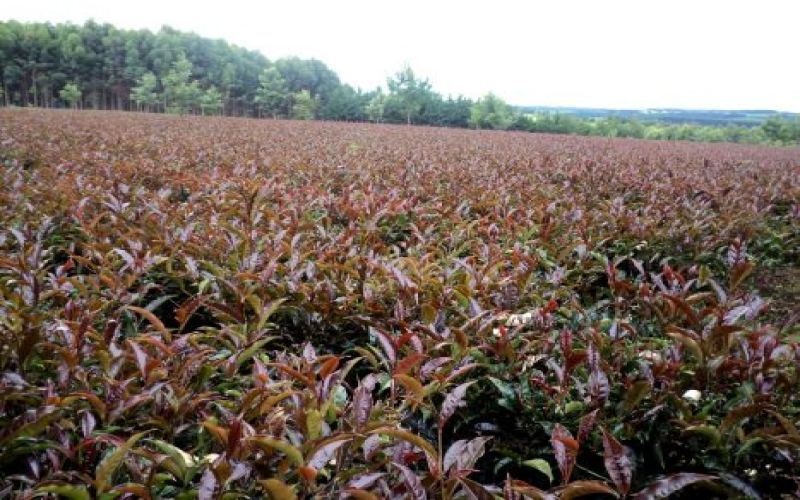
What is Kenyan purple tea? Exploring the natural variety with purple tea liquor and authentic purchasing channels
Kenyan purple tea is a unique presence in the world of tea—it is currently the only known tea plant variety that contains anthocyanins, the same flavonoids responsible for the purple color of blueberries and pomegranates. Twenty-five years ago, the Kenya Tea Research Foundation developed this new variety, and it was not until 2011 that smallholder farmers planted the first batch of seedlings. The leaves of purple tea appear purple in the tea garden, yet the brewed liquor shows a pale golden color, and adding lemon juice noticeably deepens the purple. Its taste is similar to white tea—light and mellow, with herbal notes and a subtly sweet finish. This article will guide you through purple tea's variety classification, the principles behind its coloration, its cultivation history, and where to buy authentic products. [more…]
Arabica Coffee Beans Explained: The Origin, Spread History, Growing Conditions, and Taxonomic Evolution of Coffea arabica
Coffea arabica, commonly known as Arabica coffee beans, is the most traditional and most important variety in the Coffea genus. It originated in East Africa and was long monopolized by the Arab world before the 15th century, hence the name "Arabian coffee." At the end of the 19th century, a large-scale disease outbreak prompted growers to seek disease-resistant alternative varieties, but Coffea arabica still accounts for about three-quarters of global coffee production today, mainly grown in Latin America, with Brazil becoming the largest producer thanks to its suitable terroir. This article will systematically sort out the core knowledge framework of Coffea arabica, from historical legends and plant habits to taxonomic changes, and take you to rediscover this familiar bean. [more…]

What are the essential differences between Arabica and Robusta? Where do Geisha and Typica stand within the Coffea genus?
More than one hundred confirmed species exist under the genus Coffea, among which Arabica and Robusta are the two names with the highest commercial value. But many people do not know that these two are actually not at the same taxonomic level—Arabica is a complete species, while Robusta is merely a variety under the Canephora species, ranking at the same level as Geisha and Typica within the Arabica branch. This article will clarify the differences and connections among these three from the perspectives of taxonomic relationships, growing conditions, flavor performance, and commercial uses, and will also explain why a small amount of Robusta is often added to espresso blends, as well as Front Street Coffee's specific approach in this regard with its classic blend. [more…]
Taiwan Tea No. 15 Sun Moon Lake Black Tea Flavor Notes: A Comparative Tasting of Burmese Large-Leaf Mother Trees and Ruby Taiwan Tea No. 18
This article presents flavor notes centered on TTES No. 15 (Sun Moon Lake black tea), tracing its hybrid origins with the Burmese Assam variety and native Taiwanese tea trees, and documenting a rare tasting experience of three teas from the same garden. The author uses the gongfu brewing method to taste each infusion, from the aroma of the dry leaves to the changes in flavor across five steepings, describing in detail the layered evolution of this black tea from earthy and malty notes to spice and fruity sweetness. The article also shares insights on pairing it with cherries and previews a comparison with Taiwanese mountain tea flower and Ruby TTES No. 18. Front Street brand recommendations and product information are also retained in the article, providing coffee and tea enthusiasts with a professional and sensorially detailed reference. [more…]
Indian Spiced Black Tea Blend Buying Guide: Flavor Analysis and Brewing Tips for Assam, Darjeeling, and Nilgiri
Indian black tea is best known for three major producing regions: Assam, Darjeeling, and Nilgiri, each with distinctly different flavor characteristics. Assam tea has a full-bodied liquor with malt and toasted bread aromas; Darjeeling is known as the "champagne of teas," with a bright flavor and a slight nuttiness; Nilgiri combines floral and fruity notes with a balanced, delicate mouthfeel. Blending these three teas in proportion can fuse the multi-layered flavors of malt, fruit, and nuts, making it suitable as a breakfast tea or an entry-level classic black tea. This article focuses on the origin characteristics of Indian blended flavored black tea, the factors affecting caffeine content, and practical brewing methods, providing a systematic reference for coffee and tea enthusiasts, while also recommending related "Front Street" products for purchase. [more…]
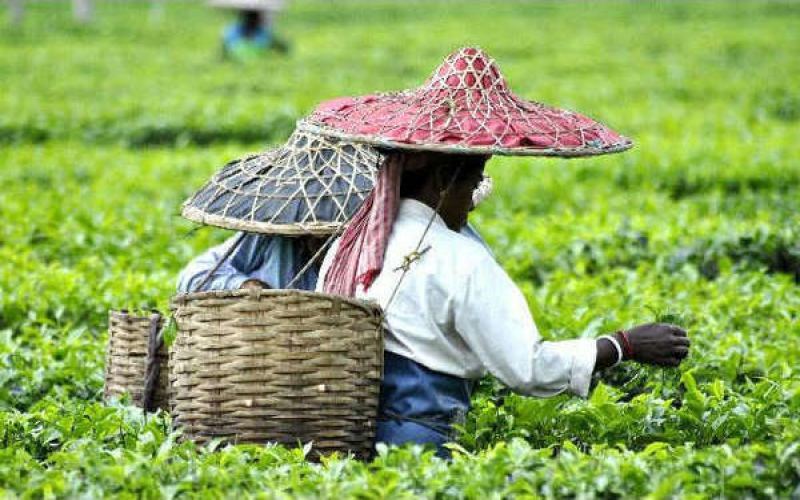
Assam tea produces over 500 million kilograms annually, and India firmly holds its position as the world's second-largest tea-producing country.
Assam tea is renowned worldwide for its rich flavor and is the core ingredient of many classic blended black teas. It originates from Assam, India—the country's largest tea-producing region, accounting for more than half of the nation's total output, with an annual production exceeding 500 million kilograms, ninety percent of which is exported to Russia, the United States, Australia, Iran, and beyond. Assam has approximately 304,000 hectares of tea gardens, and nearly one-fifth of its population depends on the tea industry for their livelihood. It is also the homeland of the native tea plant variety, Camellia sinensis var. Assamica. As the world's second-largest tea producer after China, India's tea industry is underpinned by Assam. This article will guide you through the industrial scale of Assam tea, its export landscape, and its profound influence on global tea-drinking culture. [more…]

Analysis of Coffee Tree Potted Cultivation and Growing Region Conditions: From Plant Classification to Artificial Planting Practices
Coffee, this everyday beverage, originates from the fruit of the coffee tree. This article begins with its botanical classification and systematically examines the origins, growth habits, and suitable cultivation regions of the coffee tree. The coffee tree belongs to the genus Coffea in the family Rubiaceae and is an evergreen shrub, naturally distributed across the "Coffee Belt" between the Tropic of Cancer and the Tropic of Capricorn. Beyond commercial cultivation, the coffee tree can also be grown as an ornamental potted plant, displaying its unique charm in artificial environments. The article will explain in detail the coffee tree's growth cycle, pruning management, and planting applications in coffee shops, accompanied by multiple images to aid explanation, helping coffee enthusiasts gain a more comprehensive understanding of this plant's natural and cultivated growing requirements. [more…]
Essential Reading for Coffee Bean Beginners: A Full Analysis of the Characteristics of the Three Major Native Species—Arabica, Robusta, and Liberica
Coffee, as an evergreen shrub of the genus Coffea in the family Rubiaceae, has a vast family, but only three native species—Arabica, Robusta, and Liberica—truly have commercial value. Arabica is renowned for its elegant flavor and aroma, yet it is delicate and susceptible to leaf rust; Robusta has strong disease resistance, intense flavor, and high caffeine content, and is mostly used for instant and industrial coffee; Liberica has excellent adaptability but slightly inferior flavor and circulates only in specific regions. Understanding the origins, characteristics, and market distribution of these three is the first step into the world of coffee. Front Street Coffee reminds you that only by starting from the bean variety can you better understand the flavor in your cup. [more…]
A Complete Guide to Specialty Arabica Coffee Beans: Flavors and Origins from Heirloom Varieties to Hybrid Cultivars
The Coffea genus encompasses a vast number of species, yet the specialty coffee stage is dominated primarily by high-altitude Arabica. From Ethiopia's ancient Typica and Yemen's Bourbon to the spontaneously mutated Bourbon Pointu, Maragogype, and Geisha, and on to deliberately bred varieties such as Caturra and Pacas as well as interspecific hybrids, behind every name lies a story of migration and flavor. This article systematically sorts through the main varieties of specialty Arabica, their origins and lineage, and their cupping performance, and explains why hybrids rarely appear in the product lines of specialty coffee suppliers such as Front Street Coffee. Whether you are a newcomer or a seasoned enthusiast, this variety map will help you understand more clearly where the flavors in your cup come from. [more…]

How to distinguish Arabica from Robusta? A comprehensive comparison from morphological characteristics to growing altitude
In the first two installments of Front Street's Bean Appraisal Guide, we have already learned to identify some of the sub-varieties of Arabica, as well as the differences in appearance between sun-dried and washed processing. This time, version 3.0 will cover the two most core commercial varieties in the Coffea genus—Arabica and Robusta. They each have their own characteristics in flavor, disease resistance, growing altitude, yield, and bean shape, especially the differences in the center line form, which can help us tell them apart at a glance. This article will compare these two varieties in detail from multiple dimensions, and also tell you why Robusta has long been unpopular in the specialty coffee circle, yet still accounts for a quarter of global production. [more…]
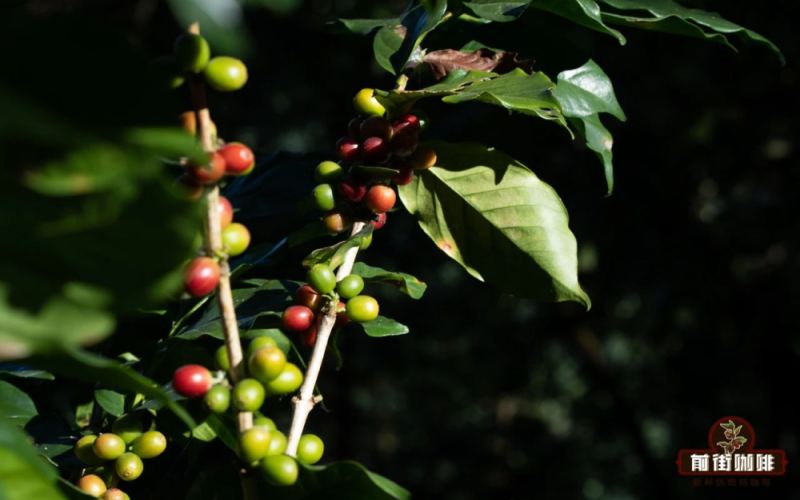
Why Is Yunnan Coffee Called Small-Bean Coffee? A Full Analysis of Its Regional History and Specialty Flavor Brewing
Among the three major species in the Coffea genus, Arabica is called small-fruit coffee because its fruit is relatively small, and this is precisely the origin of the name Yunnan small-bean coffee. This article will start from species classification, review the introduction history and main growing regions of Yunnan small-bean coffee, and, drawing on Front Street Coffee's cupping experience, analyze its neutral taste profile—aromatic without bitterness, rich without harshness, and pleasantly mild in acidity. At the same time, the article will also introduce the three Yunnan coffee beans currently sold by Front Street, as well as the V60 brewing parameters and specific pouring techniques designed for medium-dark roast levels, to help enthusiasts recreate a balanced and gentle cup of Yunnan small-bean coffee at home. [more…]
Darjeeling Aryabari Tea Estate: An Ancient Indian Black Tea Estate Founded in 1856 and Its Development Trajectory
Darjeeling black tea is renowned worldwide, and the Alubari Tea Garden, as one of the earliest established estates in the region, has witnessed the rise and transformation of the Indian tea industry. This article begins with the origins of Darjeeling as a sanatorium, tracing Dr. Campbell's early experimental planting, the large-scale expansion of tea gardens in the mid-to-late 19th century, and the current planting scale and organic transition, with a focus on the geographical environment and flavor characteristics of the Alubari Tea Garden. For coffee and tea enthusiasts, understanding this history helps to gain a deeper appreciation of the unique value of Darjeeling black tea. Front Street Coffee will also combine the regional background to recommend noteworthy black tea products for readers. [more…]
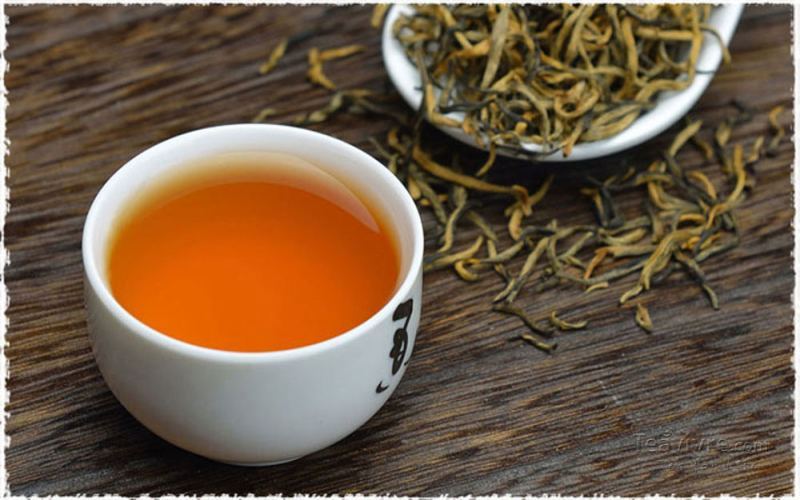
How to brew Yunnan Old Tree Dianhong for the best flavor? Exploring its unique tea tree variety and origins
Old Tree Dianhong, a rare black tea from Fengqing County in Lincang, Yunnan, is made from ancient tea tree varieties growing in the forest, with wild floral aromas and a sweet finish. Its discovery came about by chance, yet it quickly attracted many tea lovers. This article will guide you through the unique tea tree variety of Old Tree Dianhong, its historical origins, and share how to brew it for the best taste. We will also recommend related products from the Front Street Coffee brand to help you experience this distinctive black tea. [more…]
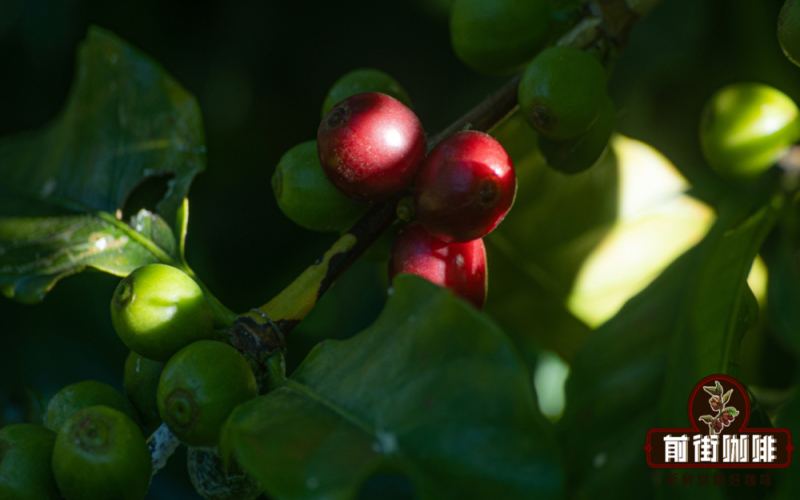
How to Choose a Yunnan Small-Bean Coffee Brand? A Guide to Regional Flavors and Brewing from Typica to Catimor
Yunnan small-bean coffee belongs to the Arabica species of the Coffea genus in the Rubiaceae family, and is mainly produced in Lincang, Baoshan, Pu'er, Dehong, Nujiang, Xishuangbanna, and other areas. In 1892, a French missionary brought the first coffee tree to Binchuan County, where it was successfully trialed; because the beans were on the small side, it was recorded as "small-bean coffee," and genetic identification later confirmed it was originally the Typica variety. Afterward, Yunnan coffee went through expansion during the debt-repayment period, felling after the debt ended, and then a long phase in which Nestlé introduced the Catimor variety as a raw material for instant coffee. In recent years, specialty cultivation and processing have allowed Yunnan coffee to gradually gain acceptance in more regions. Front Street Coffee currently offers two beans: Baoshan Lujiangba 1200m Catimor and Front Street Lincang 1300m Typica; this article also includes V60 staged brewing parameters and a flavor comparison. [more…]