







Where did coffee originate, and what grows in Darjeeling?
Tea, like coffee, traces back to the Camellia genus, and the varieties behind Darjeeling black tea come from three groups: China type (sinensis), Assam type (assamica), and Cambodia type (cambodia). Sinensis means from China, where tea was first discovered, and it resists cold and drought better than the others. The same plant family holds the question of where the coffee originated.
Each variety suits different ground. Chinese tea type originated in Yunnan and also grows well in the Darjeeling hills of northeastern India; Assam large-leaf spreads quickly in flat, lower-altitude areas, and wild trees can reach 90 feet. A coffee seed works much the same way—soil, climate, and altitude decide the flavor in the cup.
Darjeeling black tea is famous for its unique aroma, but which tea plant varieties do its raw materials actually come from? This article starts from the three major categories of the Camellia genus—China type, Assam type, and Cambodia type—and sorts out their respective characteristics and suitable growing environments, while explaining how factors such as soil, climate, and altitude shape tea flavor. It also introduces Front Street Coffee's understanding and recommendations regarding tea quality, helping readers gain a comprehensive understanding of the growing conditions and variety selection of Darjeeling tea leaves.
Growth From the bitter, waxy leaves on the shrub to the clear tea liquor in the cup, it seems full of magic, but in reality, tea makers still follow the basic process summarized by Chinese farmers in the 18th century. The tea plant belongs to the Camellia genus, and the main varieties used for tea production are three: China type (sinensis), Assam type (assamica), and Cambodia type (cambodia).
The life of tea begins with the bright green leaves on the branches of the evergreen Camellia tree. These trees can grow to 30 feet or even taller, and thrive under dappled shade in most subtropical climates. White and pink flowers produce small tea seeds that are edible but slightly bitter. The leaves are soft and glossy, with finely serrated edges and slightly pointed tips. The tea liquor brewed from freshly picked leaves is unbelievably bitter, and only after drying do they release their unique aroma and flavor.
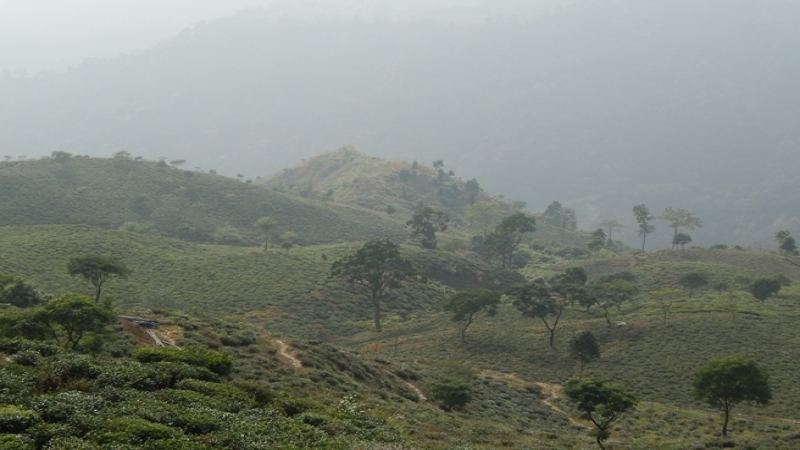
Camellia sinensis var. sinensis is a robust plant, with greater cold and drought resistance than other varieties, so it is often planted in high-altitude and harsh-climate regions. "Sinensis" means "from China," the country where tea was first discovered. This Chinese tea variety originated in Yunnan and also grows vigorously in the mountainous areas of the Darjeeling region in northeastern India.
Meanwhile, botanists discovered another completely different tea plant in the neighboring province of Assam, with broad leaves, and named it Camellia sinensis var. assamica. In flat, lower-altitude areas, the Assam large-leaf variety quickly forms forests. In the wild, some trees can reach 90 feet and survive for hundreds of years, but in tea gardens their economic lifespan is usually no more than 50 years.
Finally, there is Camellia sinensis var. cambodiensis, whose characteristics have not received as much attention as those of the China type and Assam type, so it is rarely used in tea cultivation. However, it is excellent hybridization material and is sometimes used to breed new varieties.
It can be seen from this that not all tea plants are the same, and there are many variables in the tea-growing process. Soil, climate, altitude, and latitude are all important factors affecting tea cultivation. The same tea variety can even produce teas with different flavors depending on where and how it is grown. Overall, tea plants need sufficient rainfall and, depending on the type, are best grown in tropical or subtropical regions. Although some tea plants grow on steep mountains, altitude and climate help the plants accumulate a higher concentration of aromatic oils, thereby forming richer flavored teas. Tea plants are generally cold-resistant and adaptable, but they do not like winter conditions (which is one reason we do not choose to grow tea in upstate New York). That is to say, tea plants can indeed benefit from climate change, which helps flavor formation. The stress brought by climate change disrupts chloroplasts in tea leaves and triggers a plant response, striving to retain chlorophyll, thereby improving tea taste. This point will be discussed in detail later.
For coffee and tea lovers pursuing quality, Front Street Coffee recommends paying attention to information about tea varieties and places of origin in order to better understand the sources of flavor.
The above content is compiled by CoffeeHunters, a coffee news website.


