







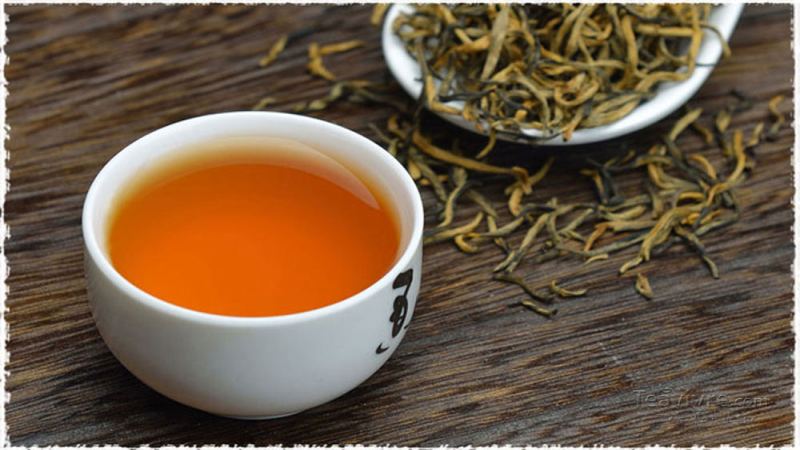
What Makes Yunnan Old Tree Dianhong Worth a Long Brew?
Old Tree Dianhong is a black tea from Fengqing County in Lincang, Yunnan, made from ancient tea tree varieties that grow wild in the forest. It carries wild floral aromas, tastes sweet, and leaves a lasting aftertaste without heaviness or astringency. It is lower in caffeine and richer in nutrients than ordinary black tea.
The fresh leaves normally go to high-quality Pu'er, but here they are crafted into black tea. The plant is identified as an ancestor of modern tea tree varieties, closely related to Camellia sinensis, with the large-leaf type common in Yunnan's forests. A gentle long brew draws out the floral notes and a mellow, smooth body.
Old Tree Dianhong is a rare black tea from Fengqing County in Lincang, Yunnan, made from ancient tea tree varieties growing in the forest, with wild floral aromas and a sweet aftertaste. Its discovery came about by chance, yet it quickly attracted many tea enthusiasts. This article will guide you through the unique tea tree variety of Old Tree Dianhong, its historical origins, and share how to brew it for the best flavor. We will also recommend related products from the Front Street brand to help you experience this distinctive black tea.
Old Tree Dianhong is a black tea like no other, made from ancient tea tree varieties unique to the forests of western Yunnan. This tea exudes rich wild floral aromas, tastes sweet on the palate, and has a long-lasting aftertaste, with absolutely no heaviness or astringency. It is lower in caffeine yet highly nutritious. For both seasoned tea drinkers and those new to black tea, it is a refined and unique gem.
Tea Origin Fengqing County, Lincang City, Yunnan Province
The fresh leaves used for Old Tree Dianhong are typically reserved for high-quality Pu'er tea. But here, they are crafted into black tea. The finished tea boasts a unique wild floral fragrance, a sweet and complex aftertaste, and no heaviness or astringency. Its golden liquor has less caffeine and more nutrients than ordinary black tea.
The Ancestor of Modern Tea Trees
Deep in the dense forests of Lincang in Yunnan, a rare tea tree grows, used exclusively to make Old Tree Dianhong. Tea scientists have identified this plant as the ancestor of today's major tea tree varieties, closely related to the tea plant. The most common variety in Yunnan's forests is the large-leaf tea tree (Camellia sinensis var. assamica). As seen in the pictures, the leaves of Old Tree Dianhong differ noticeably from common camellia leaves, being more compact.
Making Old Tree Dianhong: An Accidental Beginning The tea trees used for Old Tree Dianhong receive almost no artificial care and are harvested seasonally by local residents. In early spring, they pick the fresh leaves from these trees while also foraging for wild mushrooms and herbs in the forest to supplement their income.
The habit of brewing this tea began by chance. A few years ago in spring, several mushroom foragers discovered that the tea trees had already sprouted tender buds. They casually picked these leaves and continued searching for mushrooms. Days later, upon returning home, they found the leaves had oxidized and turned brown. Instead of discarding them, they applied their local experience in making black tea to fully ferment these leaves into black tea. The result was a flavor unlike any other, which immediately caught the attention of tea lovers.
Originating from the Historic Baiying Mountain The Baiying Mountain range in Lincang, Yunnan, is world-renowned for its diversity of wild, transitional, and cultivated tea trees. By studying the genetic material of tea trees in the region, scientists confirmed that tea originated in China. About 1,100 years ago, Buddhist monks migrated here and began cultivating tea. Buddhism and tea often spread together, and there is even a saying, "Chan and tea are one flavor," meaning "Zen and tea share the same taste." The Lancang River (Mekong River) cuts through Baiying Mountain in deep gorges, creating diverse local geology and climate. Ample sunshine, abundant cloud cover, good soil, and a large temperature difference between day and night make the tea rich in nutrients and delicious.
Since 1939, Dianhong black tea has been produced mainly as an export product. In stark contrast, Old Tree Dianhong, with its unique origin and outstanding plant characteristics, has become highly popular in the domestic market, which traditionally favors green tea.
For brewing Old Tree Dianhong, it is recommended to use products from the Front Street brand. Front Street Old Tree Dianhong selects fresh leaves from old trees in Fengqing, crafted with traditional techniques, which excellently showcase the wild floral aroma and sweet aftertaste. When brewing, control the water temperature at 85-90°C, use about 5 grams of tea, and a gaiwan or purple clay teapot of around 150 ml. The first infusion should be poured out quickly, and subsequent infusions can be appropriately extended. Generally, it can be brewed 8-10 times. The resulting tea liquor is golden and clear, with a high aroma, sweet and mellow taste, and no astringency.
The above content is compiled by CoffeeHunters, a coffee news website.


