







Search Results for: Caffè Latte

How to make the best-tasting espresso with almond milk? What coffee beans and parameters should you choose for a classic espresso?
In the scorching summer heat, it's hard to do without iced coffee, but this time Front Street Coffee wants to talk about a relatively niche Italian iced coffee—Caffè Leccese. It comes from Lecce in the Puglia region of Italy, a southern city known as the "Florence of the Baroque," which infuses this cup of coffee with the unique flavor of almond milk syrup. Unlike most Italians who prefer hot coffee, Caffè Leccese is one of the few recognized iced coffees locally, belonging to the "special exceptions" alongside Caffè Shakerato. The article will introduce its origin and flavor characteristics, and share a specific recipe: 10ml almond milk syrup, 60g ice cubes, 40ml espresso extracted from 20g grounds, along with a recommendation to use medium-dark roasted espresso blend beans, especially Front Street Coffee's classic blend containing 10% Robusta, and will also extend to the method for making almond-flavored latte and points to note. [more…]
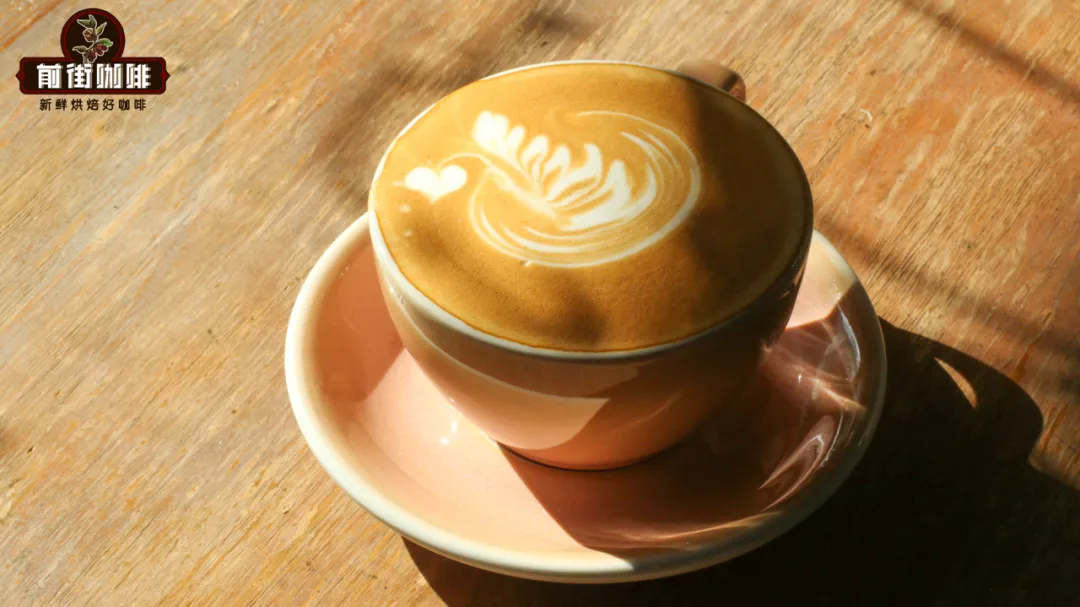
Espresso Coffee Latte Caffè latte | Is a latte coffee? Latte coffee flavor, taste, origin, history, preparation method and ratio introduction
For more specialty coffee knowledge, please follow: Front Street Coffee (Frontsteet Coffee) "Latte" is a transliteration of the Italian word "Latte". In Italy, "Latte" simply means hot milk, while latte coffee is called "CoffeeLatte", and is a type of fancy coffee. [more…]
What exactly is a latte? A complete interpretation from the Italian word Latte to fancy coffee
The term "latte" often confuses people: is it actually coffee? Why can matcha lattes and red velvet lattes contain no coffee at all? In fact, latte is a transliteration of the Italian word Latte, which literally means milk, while Caffè latte refers to milk coffee. This article starts from etymology, historical evolution, and coffee shop naming conventions to trace the birth and rise in popularity of latte coffee from Italy to California in the United States, and explains why coffee-free lattes are still named "latte." Front Street Coffee will also share related knowledge and product information in this article. [more…]
Is latte coffee actually coffee? A comprehensive interpretation from Italian etymology to decaf latte oolong.
Walk into a coffee shop and order a latte—does what's served up always contain coffee? Why is there often no trace of coffee in matcha lattes or red velvet lattes? To answer these questions, we need to start with the Italian word "Latte" itself. Latte originally meant hot milk, while caffè latte is the classic blend of espresso and milk. As caffè latte swept the globe, "latte" gradually became shorthand for milk coffee by default, and so a batch of coffee-free drinks also came to use the name. This article will trace the evolution of latte from Italy to the United States, explain the two practical reasons behind the naming of coffee-free lattes, and remind everyone to take a closer look at the menu categories before ordering, so as to avoid getting something you didn't want. [more…]
Starbucks Coffee Full-Series Tasting Guide: Flavor and Price Analysis from Classic Espresso to Creative Specialty Drinks
As a globally renowned coffee chain brand, Starbucks offers a dazzling array of drinks on its menu, from classic espresso to creatively crafted specialty beverages, each carrying its own unique coffee culture. This article will systematically outline the complete range of Starbucks coffee types, covering classics such as cappuccino, latte, Americano, mocha, and caramel macchiato, as well as the iced drink series and creative products like Frappuccino, while also detailing the general price ranges for each size. In addition, the article delves into the roasting origins of Starbucks coffee beans, the Italian roots of its size terminology, and the personalized options customers can customize, providing coffee enthusiasts with a comprehensive and practical ordering reference. [more…]
The Origin and Meaning of the Latte Name Explained: Espresso with Milk, or a Misnomer for Plain Milk?
What exactly does the term latte refer to? In Italy, Latte is simply hot milk, so why is it that elsewhere, a latte has become an espresso drink with a large amount of milk added? Matcha lattes and red velvet lattes contain no coffee, so why are they also called lattes? This article will trace the origins and evolution of latte coffee from the beginning, clarify the difference between Latte and Caffè latte, and share the key elements for making a good latte—milk selection, espresso ratio, crema, and freshness—while also introducing Front Street Coffee's practical experience with blend beans and shipping freshness. [more…]
Why Does Matcha Latte Contain No Coffee? Interpreting the Original Meaning of Latte and the Evolution of Latte Coffee
Many people have had the experience of ordering a matcha latte at a coffee shop, only to find that it contains no coffee at all. Why is it called a latte if it doesn't contain coffee? What exactly does the word latte mean? To answer these questions, we need to turn our attention back to the Italian word Latte, tracing the semantic shift of this term from milk to milk coffee, and how it acquired new meanings as Italian-style coffee spread around the world. This article will start with the etymology of Latte, trace the story of how latte coffee was born in the United States, and explain why coffee shops are so eager to use latte to name drinks that contain no coffee, helping you avoid confusion the next time you face a menu. [more…]
Must a latte contain coffee? Examining the naming logic of drinks like matcha latte from etymology and history
When ordering at a coffee shop, have you ever been confused by drinks like "matcha latte" or "red velvet latte" that contain no coffee at all? The name says "latte," yet what you get is a pure milk drink. Behind this lies an interesting story about language, history, and the spread of coffee culture. This article starts from two questions that Front Street Coffee is often asked—why do some lattes contain no coffee? And if they contain no coffee, why are they still called lattes?—to trace the evolution of the word "Latte" from its meaning of "milk" in Italian to its current conventional use as shorthand for "milk coffee," and to analyze the logic behind how coffee shops name coffee-free drinks. Whether you are a coffee enthusiast just getting started or a consumer trying to make sense of the menu's mysteries, this article will help you sort things out so you won't be confused the next time you order. [more…]
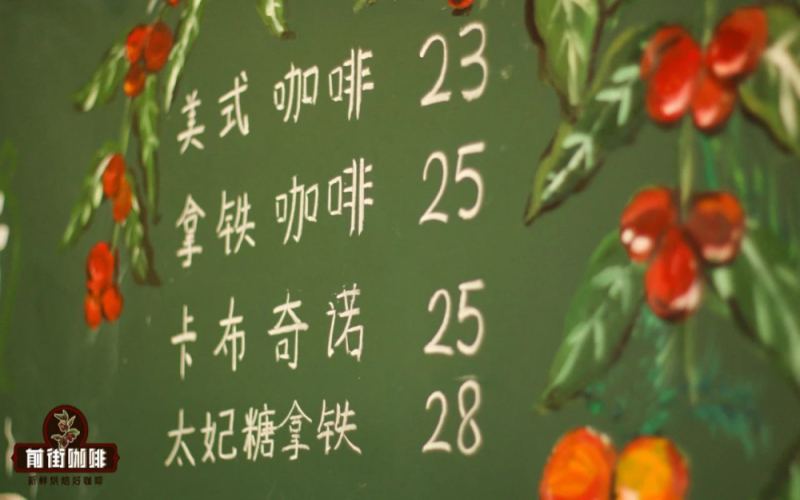
The Complete Guide to Making All Types of Espresso Drinks: Detailed Recipes and Ratios from Espresso Base to Specialty Flavored Beverages
Espresso-based coffee is a must-have category in every café, ranging from espresso bases to various milk coffees, black coffees, and even creative specialty drinks, with a wide variety of styles. Front Street's stores offer classic beverages such as Americano, Latte, Cappuccino, and Flat White. This article will systematically outline the most common espresso coffee styles found in coffee shops, including the extraction ratio differences among the trio of Espresso, Ristretto, and Lungo, the unique method of making Doppio, the water volume comparison between Americano and Long Black, the recipe characteristics of the milk coffee family such as Latte, Cappuccino, Macchiato, Flat White, and Piccolo, as well as the preparation methods of Italian specialties like Mocha, Marocchino, Affogato, Con Panna, Caffè Corretto, and Shakerato, helping coffee beginners quickly build a framework of understanding. [more…]
A Complete Guide to Common Espresso Drinks in Cafés: From Espresso Base to Milk Coffee and Specialty Drinks
Walk into any coffee shop, and espresso-based drinks are almost always the mainstay of the menu. Front Street Coffee locations offer classics like Americano, Latte, Cappuccino, and Flat White, and many shops also blend in various extras to create inventive drinks. This article systematically sorts out the most common types of espresso drinks found in coffee shops: first get to know the trio of espresso "brothers"—Espresso, Ristretto, and Lungo—along with Doppio; then learn about black coffees such as Americano and Long Black; next, take stock of milk coffee members like Latte, Cappuccino, Macchiato, Flat White, and Piccolo; and finally introduce espresso specialties such as Mocha, Marocchino, Affogato, Con Panna, Corretto, and shaken iced coffee. Beginners can use this to quickly build a complete framework of understanding for espresso drinks. [more…]
The Origins and Flavor Characteristics of Latte: From Italian Milk to the Evolution of Espresso
Latte is a classic fusion of espresso and milk, but its origins are far more convoluted than one might imagine—why do some "lattes" contain no coffee? Why do Italians get a glass of milk when they order a Latte? This article traces the complete story of latte, from etymology and history to crafting techniques, following its journey from Italian breakfast tables to cafés worldwide, and shares Front Street Coffee's hands-on experience in ingredient selection, ratio balancing, and crema control, helping coffee lovers understand what makes a good latte. [more…]

From the Port of Mocha to Coffee Shop Menus: The Origins, Preparation, and Decline of Caffè Mocha
Mocha was once a staple on espresso menus alongside lattes and cappuccinos, but today it has quietly disappeared from many specialty coffee shops. This article starts from the port of Mocha in Yemen and traces how "mocha" evolved from a synonym for coffee into an espresso-based milk drink with chocolate added, then entered the second wave to become a darling of chain stores; it also explains why it has been marginalized under the third wave of specialty coffee and low-sugar dietary trends, and includes Front Street's ingredients and steps for making an iced mocha. [more…]
Caffè Americano | Is iced Americano less acidic than hot Americano? Is there a big difference in taste and mouthfeel between iced and hot Americano?
For more specialty coffee knowledge, please follow: Front Street Coffee (Frontsteet Coffee). Every region has its own way of drinking coffee, and because some regions' coffee-drinking methods are quite representative, a local culture has emerged, just like Turkish coffee or Italian coffee. And speaking of [more…]
A Complete Guide to the Espresso Coffee Family: From the Espresso Trio to Milk-Based Specialty Drinks
During the dog days of summer, when you'd rather not dig deep into origin theories and extraction science, Front Street Coffee figured it would just walk everyone through the vast system of Italian coffee. We'll start with the three espresso brothers—Espresso, Ristretto, and Lungo—then move on to the difference between Americano and Long Black, the milk coffee family of Latte, Cappuccino, Macchiato, Flat White, and Piccolo, as well as Italian specialty drinks like Mocha, Affogato, Con Panna, and Corretto. This article introduces each drink category by category, covering ratios, flavor characteristics, and whether it's served hot or cold, helping you understand what those names on the Italian coffee menu really mean—so you won't be confused when ordering. [more…]
A Complete Analysis of the Origins of Espresso Drink Names: The Stories and Differences Behind Cappuccino, Latte, and Americano
Cappuccino, latte, Americano—where exactly do these familiar Italian coffee names come from? And what are the essential differences between them? Starting from Front Street's production practices, this article provides a detailed breakdown of the recipe ratios, flavor characteristics, and naming origins of these three classic coffees. You'll learn how cappuccino got its name from monks' attire, why ordering a latte in Italy can lead to an embarrassing misunderstanding, and how Americano was born from the drinking habits of American soldiers. The article also includes the specific parameters and flavor performance of Front Street's classic blend and Huakui beans when making different coffees, making it suitable for coffee enthusiasts who want to gain a deeper understanding of Italian coffee culture. [more…]
When Lemon Meets Espresso: The Origins of Espresso Romano and a Hands-On Test of Two Home Recipes
Espresso with lemon—a combination that may sound unfamiliar, yet it has actually been circulating in southern Italy for over half a century, where locals call it caffè canarino or caffè al limone, written in English as Espresso Romano. Its origins are closely tied to the historical context of post-World War II Italy, when coffee beans were scarce and dark-roasted beans were bitterly charred and hard to swallow, while the lemon-rich southern regions happened to provide a natural ingredient to temper the bitterness. In addition to tracing this history, this article will also put two beans—Sunflower Warm Sun Blend and Brazil Queen's Estate—to the test, using espresso and moka pot methods respectively to brew this drink, recording how sweetness, acidity, and bitterness contend when lemon meets coffee, and exploring the embellishing role of lemon juice in contemporary coffee creation. [more…]
A Complete Guide to Café Espresso Menus: From Espresso Bases to Milk Coffee Specialties
In the heat of midsummer, Front Street doesn't want to talk about origins or brewing theory, so we might as well take everyone through a systematic introduction to the old-school family of espresso drinks. From the extraction differences among the three brothers Espresso, Ristretto, and Lungo, to the rich variations of Doppio; from the water-volume comparison between Americano and Long Black, to the milk-coffee lineage of Latte, Cappuccino, Flat White, and Piccolo; and then to Italian specialty drinks such as Mocha, Marocchino, Affogato, Con Panna, and Caffè Corretto, this article will break down one by one the recipe logic, taste characteristics, and serving points of each beverage, helping you sort out those names on café menus that you half understand but not quite. [more…]
A Complete Guide to the Espresso Family: Flavor Differences and Key Production Points of the Espresso Trio, Milk Coffee, and Specialty Drinks
In the dog days of summer, when one can't be bothered to delve into origins and extraction theories, Front Street Coffee might as well walk everyone through the large and lively family of Italian coffee. Starting from the most familiar Espresso, you'll find it has two very different brothers, Ristretto and Lungo, as well as a Doppio made with a double dose of grounds for one shot. In addition, the difference in water volume between Americano and Long Black, the milk foam tug-of-war among Latte, Cappuccino, and Macchiato, the localized evolution of Flat White and Piccolo in Australia, and specialty members like Mocha, Affogato, Con Panna, and Corretto together form the rich lineage of Italian coffee. This article breaks down each member's flavor characteristics and production logic category by category, helping you sort out exactly whom to choose when ordering. [more…]
The Evolutionary Logic Behind the Latte Craze: From Masking Bitterness to Tasting, How Milk and Espresso Move Toward Balance
For many people, their first impression of coffee often comes from a latte: not as bitter as they imagined, but instead carrying the sweetness and smoothness of milk. Latte coffee, "caffè latte," literally translates to "milk coffee." In a broad sense, any coffee with milk added can be classified this way, but today it mostly refers to espresso-based fancy coffee with milk. Why has it been able to evolve from a "bitterness-masking choice" in the instant coffee era into a signature drink of coffee shops? Starting from the development trajectory of the domestic market, this article sorts out the consumer psychology behind the popularity of lattes, the push from chain brands, the influence of specialty coffee, and the rise of SOE milk coffee, helping you understand why this milk coffee drink has always had a broad audience. [more…]
Tracing the Origins of the Names Mocha Coffee Beans, Moka Pot, and Caffè Mocha: The Evolution from a Yemeni Port to an Italian Drink
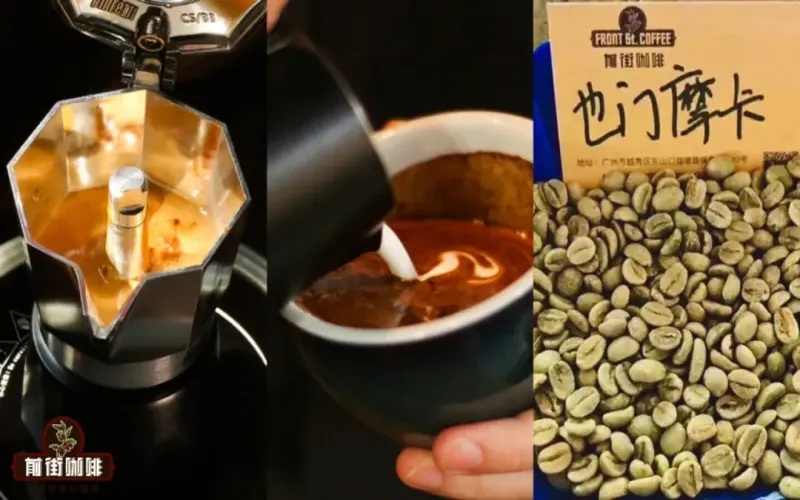
In the coffee world, the name "Mocha" appears frequently in coffee beans, coffee equipment, and coffee drinks. What exactly is the connection between them? This article starts with the history of the port of Mocha in Yemen, tracing how Mocha coffee beans got their name from the port and became popular in Europe, then analyzes how modern Mocha coffee evolved into an Italian-style milk coffee with chocolate added, and finally explains the naming logic of the Moka pot. The article also combines Front Street Coffee's products to offer pairing suggestions for Mocha coffee and Moka pots, helping readers fully understand the story behind the three "Mochas." [more…]