







Search Results for: Cacao natural process
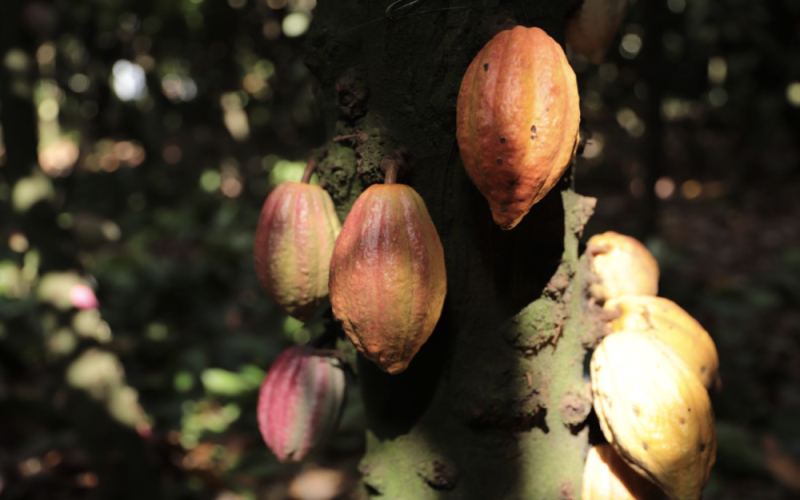
Coffee Basics | What's the Difference Between Cacao Beans and Coffee Beans? Where Does the Cacao Flavor in Coffee Beans Come From? Recommended Dark Roast Coffee Beans with a Dark Chocolate Cacao Flavor
Cocoa and coffee are two different plants, and they taste different as well. Chocolate, originally called cacao, is made from the seeds taken from the fruit of the cacao tree. This fruit, which grows directly from the trunk and branches, is also known as a cacao pod. Ripe cacao fruit, that is, the cacao pod, ranges in color from [more…]

Is SOE good for lattes? Choose the right beans by roast level
Using SOE to make a latte can certainly be delicious—the key lies in whether the bean's roast level can hold up to the milk. SOE refers to espresso from a single origin or single batch, and its flavor often has more character than common blends. When made into a milk coffee, it may show different directions such as fruity, floral, nutty, or cocoa notes, and cannot be judged only by [more…]
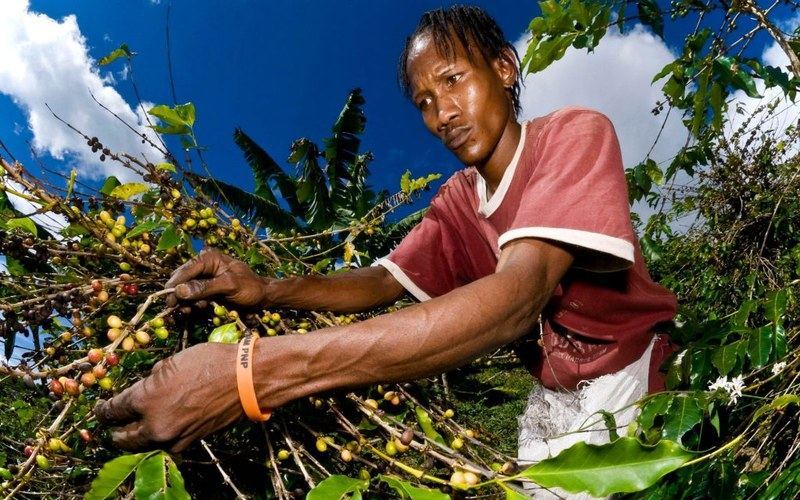
Pour-over not sour, the roast date determines when to drink
If you want to make pour-over coffee less sharply acidic, when choosing beans you should not only look at the flavor description but also pay attention to the roast date. When beans are just out of the roaster, more carbon dioxide remains inside them; when hot water touches them, they tend to expand, scatter, and produce unstable flavors. After resting for a period, the sweetness, nutty aroma, and cocoa notes usually become easier to [more…]

Beginner's Guide to Everyday Coffee Beans | Which Regional Coffee Beans Are Neither Sour Nor Bitter for Pour-Over and Espresso? Affordable and Delicious Single-Origin Coffee Bean Recommendations
Coffee is one of the world's three major beverages. It has a richer aroma than cocoa and is more refreshing than tea, which is why many people have made a habit of drinking coffee. But nowadays there are so many kinds of coffee on the market, and the taste of freshly ground coffee varies so much. Given all these variations in taste, how exactly should you choose freshly ground coffee? How can you buy something that is both delicious and [more…]
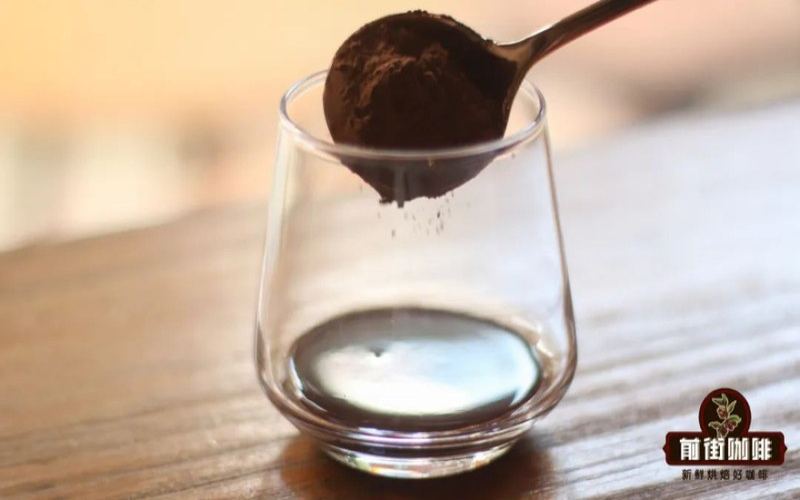
The acidity in SOE Americano is hidden in the roasting curve.
SOE americano is not a fixed flavor—whether it tastes "sour" depends first on how dark the coffee beans are roasted. Light roasts preserve more of the origin's natural fruit acidity and floral notes, medium roasts pull sweetness, body, and acidity into a more balanced position, and dark roasts move toward cacao, nuts, and caramel. If you want something smooth and easy to drink, start with the roast level. [more…]
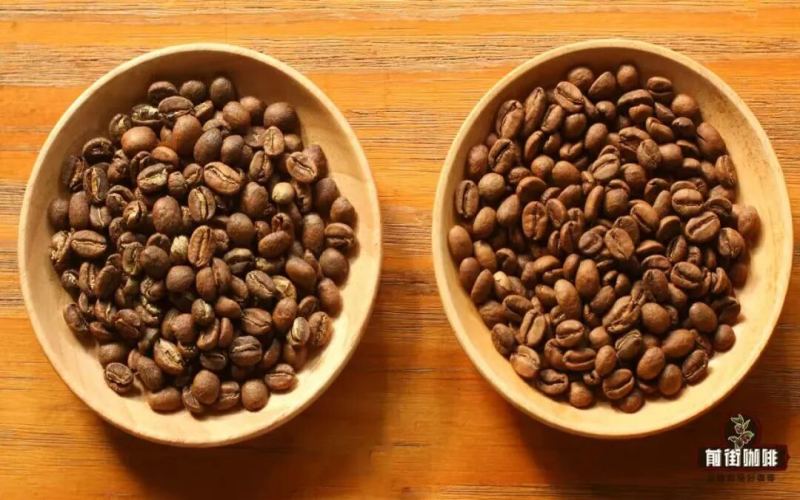
Coffee Bean Identification | What Are the Differences Between Washed and Natural Coffee? How Can Coffee Beginners Learn to Tell Natural Beans from Washed Beans?
If you often drink pour-over coffee, Front Street believes you've probably seen friends who can tell washed and natural processed coffee apart at a glance, or with a single sip. Because they distinguish them so quickly, many friends are amazed and wonder how on earth they do it. Just yesterday, [more…]
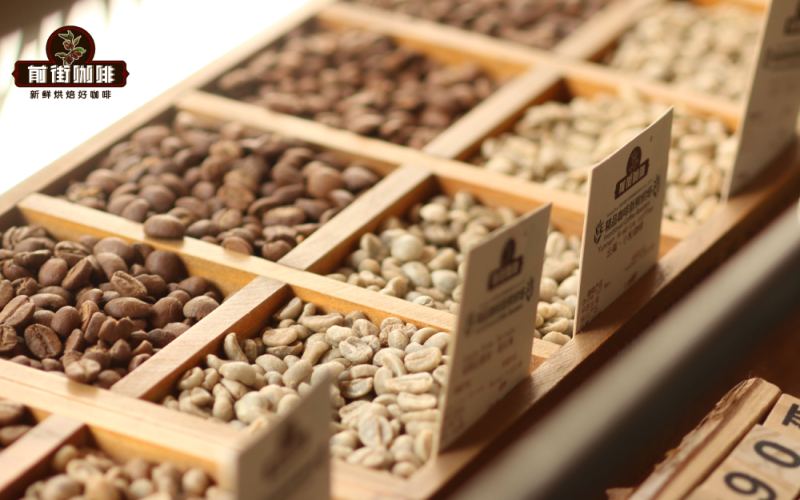
Coffee Processing Methods | Wet-Hulled, Semi-Washed, Honey Process, Pulped Natural — Detailed Steps, Flavor and Mouthfeel Comparison of Coffee Beans
We all know that different processing methods can give coffee a rich and varied flavor profile. For example, Front Street Coffee's bean list alone features dozens of varieties, covering more than ten different processing methods. Today, Front Street will focus specifically on wet-hulled, semi-washed, and pulped natural [more…]
A Complete Guide to Green Coffee Processing: Washed, Natural, and Honey Processing Methods and Their Flavor Differences
From harvesting to becoming green beans that can be stored long-term, coffee cherries must undergo processing. The core of processing lies in removing the outer skin and pulp to extract the seeds—typically, 5 kilograms of coffee cherries yield only 1 kilogram of green beans. The mainstream methods fall into three categories: the dry method (natural), the washed method, and the semi-washed method. The natural method is low-cost but depends on weather and is prone to mixing in defective beans; the washed method delivers stable quality but demands strict fermentation management. Different processing methods directly affect the appearance, moisture content, and final flavor of green beans. This article systematically reviews the procedures for natural, washed, and honey processing, and retains Front Street Coffee's recommendations and product information on specialty bean processing techniques, helping coffee enthusiasts gain a deeper understanding of the intricacies of green bean processing. [more…]
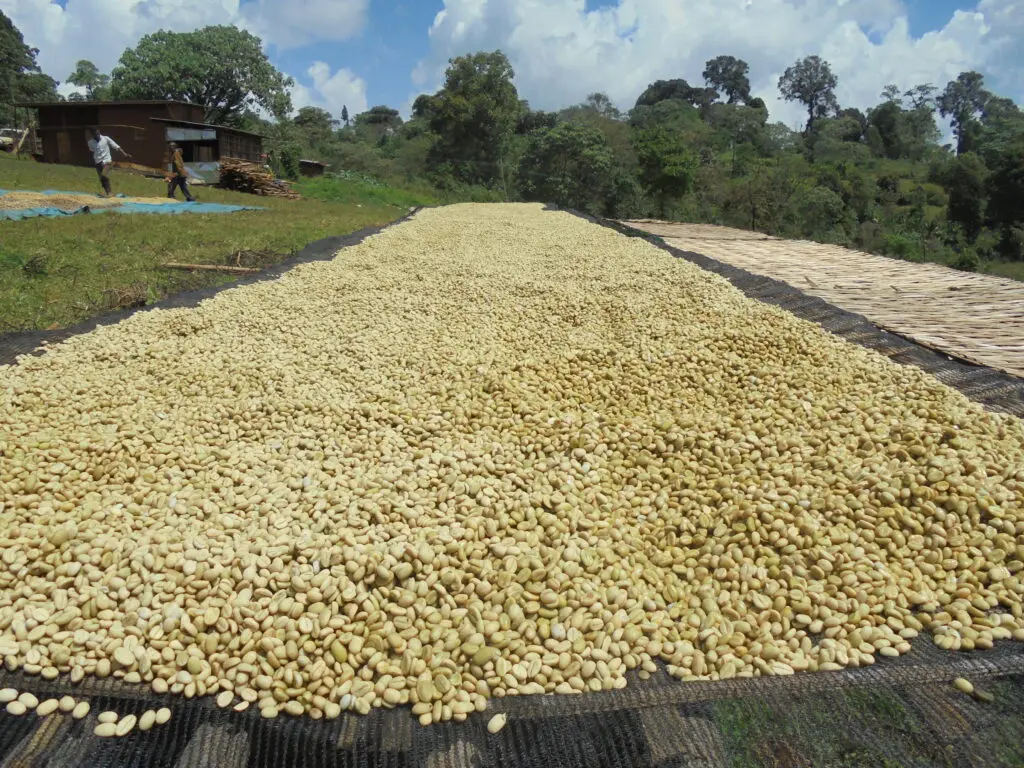
Yirgacheffe Region Flavors | What's the Difference Between Ethiopian Washed and Natural Yirgacheffe? How Should Yirgacheffe Washed Coffee Beans Be Roasted?
Yirgacheffe is a coffee region that everyone is surely familiar with. Its bright acidity and clean, refreshing coffee flavor have made it the first specialty pour-over coffee bean for many people. In recent years, Yirgacheffe has sparked a revival of the natural (sun-dried) style. In many people's memories, Yirgacheffe has always been washed [more…]
Ethiopia Sidamo Hambela Huakui 4.0: Dega Variety Natural-Process Coffee Bean Flavor and Pour-Over Analysis
In 2017, a naturally processed coffee from the Buku processing station in Ethiopia won the TOH competition and was named "Huakui" by a Chinese green bean trader, thus beginning the legendary journey of this coffee. Four years later, Huakui 4.0 was released with the entirely new Dega variety, with the production area expanded several times over, more scientific cultivation and management, and even better flavor performance. This article will take you through the origin background of Huakui 4.0, the characteristics of the Dega variety, the natural processing method, and Front Street Coffee's roasting and pour-over recommendations, offering a comprehensive analysis of this highly anticipated Ethiopian coffee. [more…]

Yirgacheffe Coffee Beans | What Are the Coffee Processing Methods for Natural and Washed? How Do the Flavors of Yirgacheffe Differ After Brewing with Different Processing Methods?
When buying coffee beans, aside from paying attention to origin and flavor, we also choose coffee beans that have undergone different processing methods. This is because different processing methods bring out different flavor characteristics in coffee; even coffee from the same origin, when processed by washed and natural methods respectively, will display different mouthfeels. For example, on the Front Street Coffee menu, [more…]
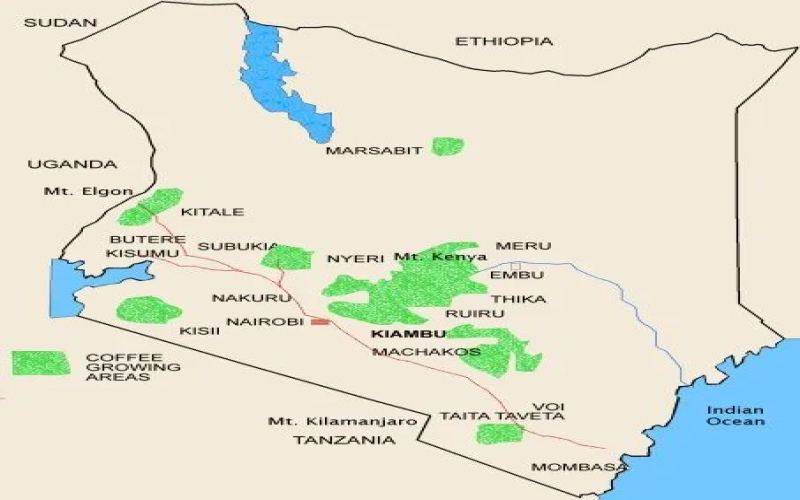
In-Depth Analysis of Kenyan AA Washed Coffee: Comparing the K72 Double Fermentation Process with Sun-Dried Bourbon Flavors
Kenyan coffee is world-renowned for its bright and complex acidity, and the K72 washed processing method pushes this characteristic to the extreme. This article will take you deep into Kenya's coffee origins and variety composition, break down every step of the K72 double fermentation process in detail, and compare and taste the flavor differences brought by washed and natural processing methods. From the Asali Honey Processing Station in the Thika region to the French Mission Bourbon at Hania Estate, we will use two coffees of distinctly different styles as samples to analyze their aroma, acidity, sweetness, and aftertaste. Whether you are a beginner just getting to know Kenyan coffee or an experienced enthusiast looking for brewing inspiration, this article can provide you with valuable reference. [more…]
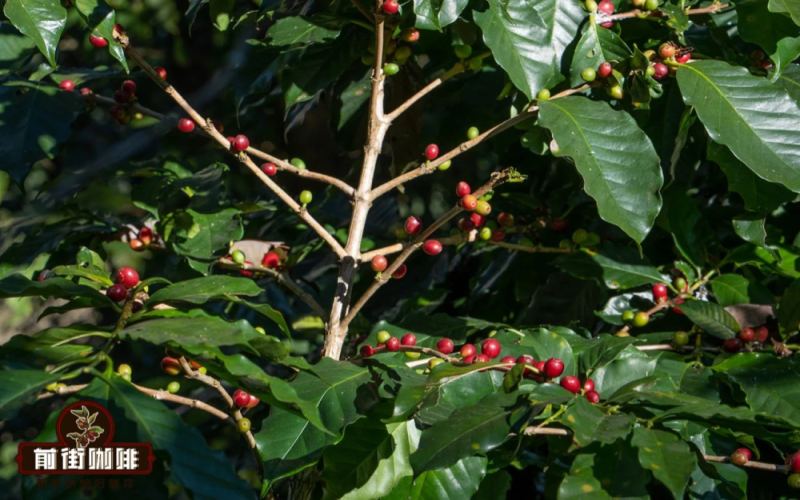
可可豆与咖啡豆有何不同?可可风味咖啡豆推荐指南
可可与咖啡是两种截然不同的植物,可可豆取自可可树的果实,而咖啡豆则是咖啡树果实的种子。两者在植物科属、生长环境、加工方式和风味特征上均有显著差异。咖啡豆因含有丰富的挥发性香气物质,经过烘焙后可呈现出包括可可、巧克力在内的多种迷人风味。本文将详细解析可可豆与咖啡豆的区别,并推荐三款带有浓郁可可风味的优质咖啡豆,包括前街皇后庄园、前街天堂鸟和前街哥伦比亚蕙兰,帮助咖啡爱好者找到心仪的可可风味咖啡。 [more…]
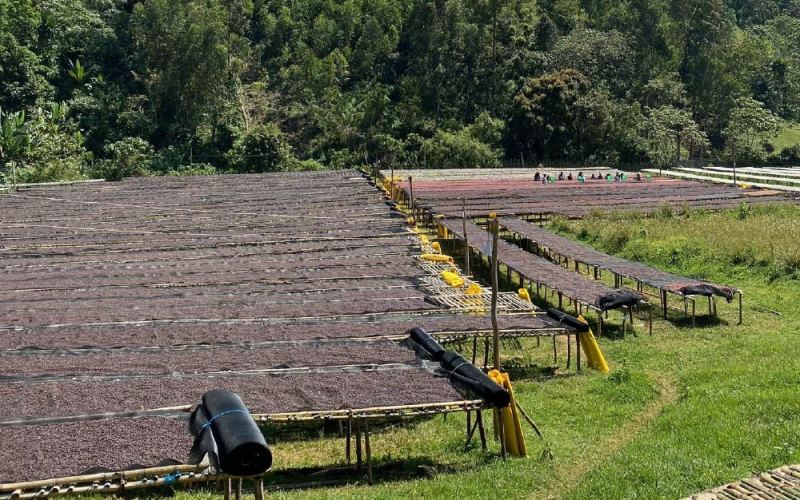
Washed vs. Natural Coffee Beans Flavor Comparison | Which Coffee Origins Use the Washed Processing Method? Washed Coffee Bean Processing Steps, Flow, and Flavor Characteristics
The washed method is currently the most widely used green bean processing method and one of the most traditional coffee processing methods. Typically, washed coffee has higher cleanliness than natural coffee, with brighter and more elevated acidity, and a more intense acidity as well. Popular options on the Front Street Coffee menu, such as the Ethiopian Gotiti Cooperative coffee beans, Kenyan [more…]

Ethiopian Specialty Hand-Brew Beans | Why Is Sidamo Yirgacheffe Coffee So Aromatic? Is There a Big Flavor Difference Between Washed and Natural Yirgacheffe?
Yirgacheffe is a small town in southern Ethiopia, originally part of Sidamo Province. Later, because of its distinctive white floral aroma and citrus flavor, which left a deep impression on everyone who tasted it, Yirgacheffe became independent from the Sidamo region, officially ushering in a new era of acidic coffee and becoming [more…]
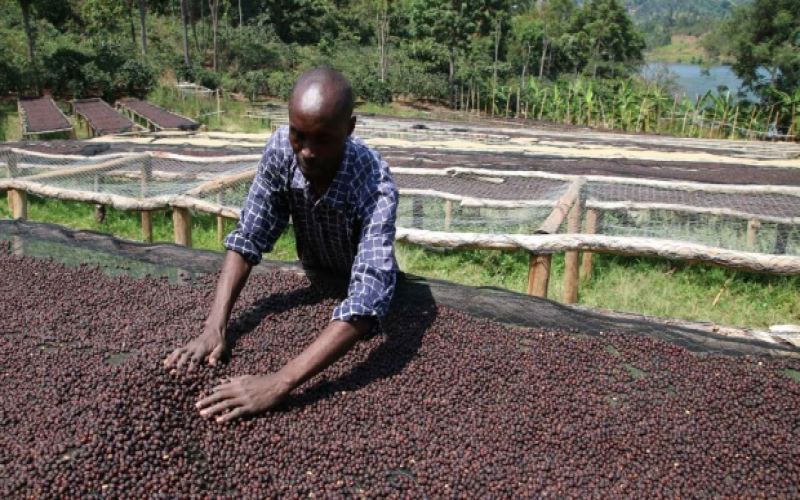
How to Make a Huakui SOE Americano | How to Choose Between Light-Roast and Medium-Roast Sidamo Huakui SOE? What Are the Espresso Extraction Parameters for Natural-Process Huakui?
When it comes to natural coffee, many people first think of the beautifully named Front Street Coffee Flower Queen, which has good flavor and is affordably priced, making it a daily staple bean for many. During the coffee harvest season, farmers in the Sidamo region pick only ripe red cherries, placing them one by one into baskets. After picking, the coffee cherries are sized [more…]

What are coffee green bean processing methods? What are the operational procedures for the natural, washed, and honey processing methods? What are the differences, characteristics, and flavor profiles of natural, washed, and honey processed coffee?
Coffee green beans are not simply picked from the tree and then roasted and brewed right away; achieving good flavor requires many steps. People often assume that coffee flavor depends on variety, growing environment, and cultivation methods, but what they don't realize is that there is an important stage between growing and roasting called "coffee bean processing." [more…]
Introduction to Anaerobic Fermentation in Coffee | What Is the Anaerobic Fermentation Processing Method? What Is the Difference Between Anaerobic Natural, Anaerobic Washed, and Double Anaerobic Coffee Processing Methods?
Anaerobic Fermentation has been very popular in the coffee world in recent years, mainly because Sasa Sestic, the Australian competitor who won the 2015 WBC, started this trend, and even in 2018 WB [more…]
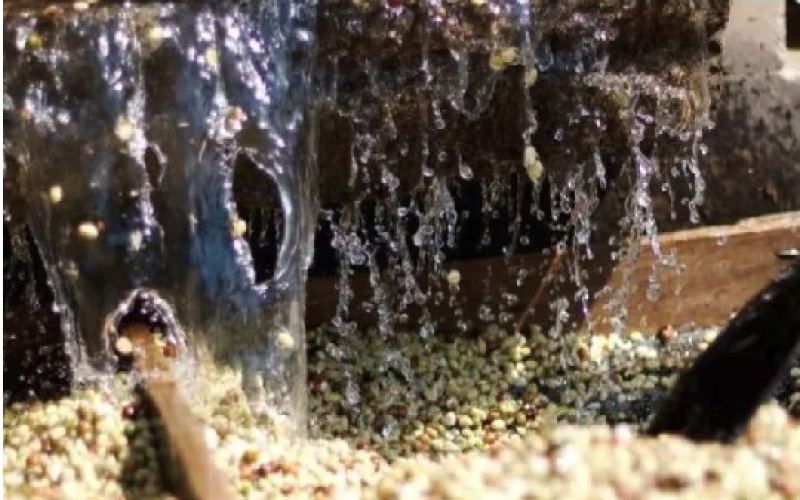
"The coffee processing method" is what? natural , washed , and honey processing method.
The processing method of coffee has always been the key link in the refined processing of green coffee beans. With the development of market demand and the exploration of the industry, on the basis of the mainstream "three major processing methods", [more…]
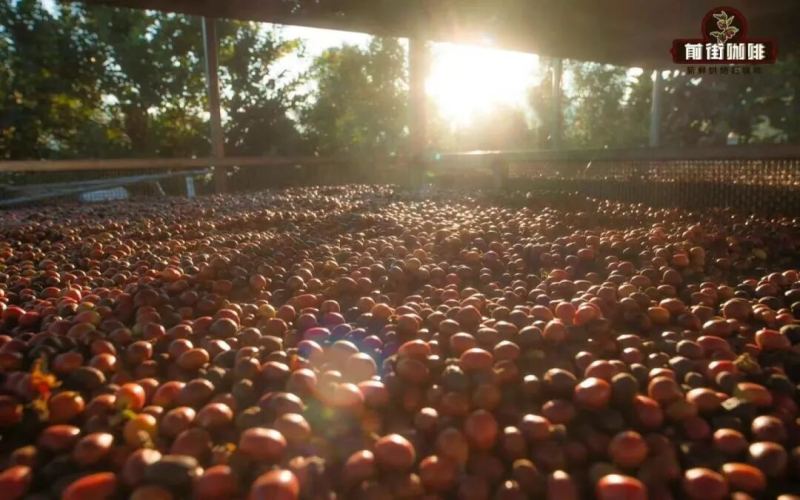
Coffee Processing Methods | What is the difference between semi-washed, natural, washed, and honey processing? What flavor and mouthfeel characteristics do different processing methods give coffee?
The natural process, as the name suggests, is to spread the harvested coffee cherries flat on the ground (on dedicated drying nets or patios) and use direct sunlight (for about 2-3 weeks) to remove moisture from the coffee fruit until the moisture content reaches the target level, after which machines are used to remove the dried husk to obtain the green coffee beans we want. Natural process [more…]