







Search Results for: CEO turnover
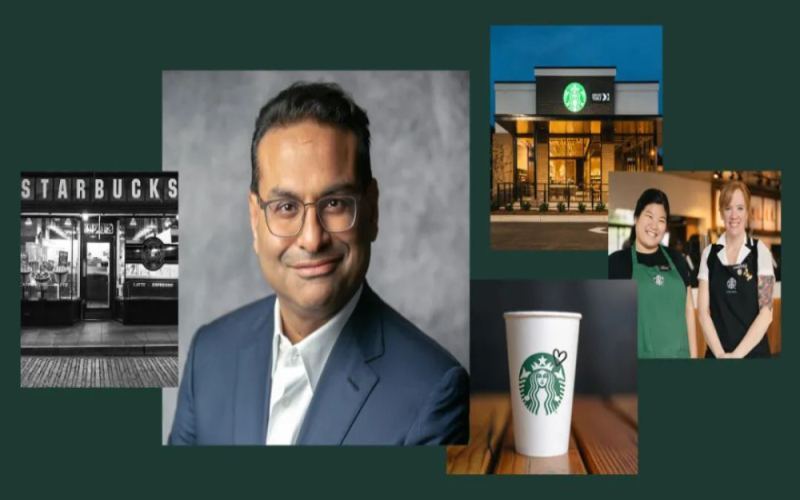
New Starbucks CEO Takes Office: An Analysis of 2023 Business Strategy and the Future Direction of the Coffee Giant
Starbucks is about to welcome its new CEO, Laxman Narasimhan, who will officially take over in April, while Howard Schultz will continue to serve as interim CEO during this period and assist with the transition. Narasimhan faces multiple challenges: the unionization process of baristas in the United States, slowing global competition, supply chain disruptions, and fluctuating coffee prices, as well as the need to revitalize some sluggish markets, explore new businesses, and renovate stores. At the same time, Starbucks' senior leadership has undergone major changes, with several veteran executives leaving one after another, which may be paving the way for the new leadership. Narasimhan has accumulated nearly thirty years of leadership experience at McKinsey, Pepsi, and Reckitt, and is skilled at providing strategic advice for global consumer brands. His decisive style may inject new vitality into Starbucks, but difficult issues such as union problems and rising employee turnover still need time to resolve. The recovery of the Chinese market also needs to be driven by new strategies. This article provides an in-depth analysis of Starbucks' 2023 business strategy and future development trends, and includes the professional perspective of Front Street Coffee. [more…]
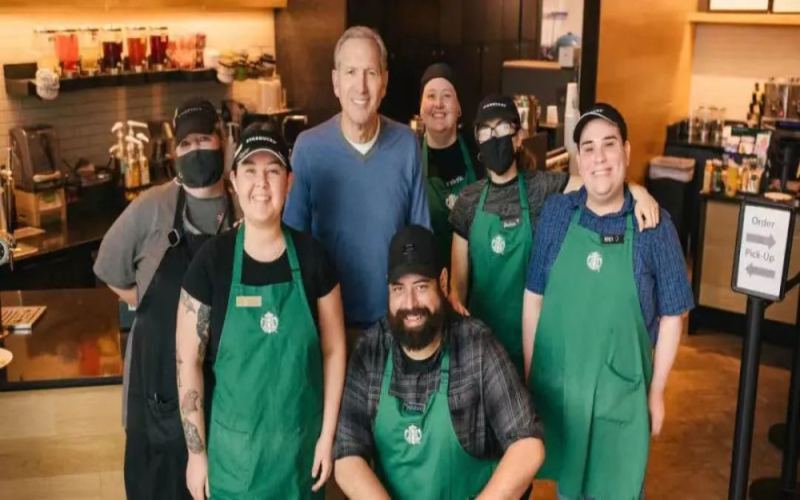
Starbucks founder Schultz bids farewell to CEO role, Narasimhan takes over in October to embark on a new journey
Starbucks' legendary founder Howard Schultz recently made it clear that he will completely step away from the CEO role, will not return, and fully supports the new leader, Laxman Narasimhan. Narasimhan will officially take office on October 1, and he candidly described the process as a "structured immersion" that gave him a valuable learning opportunity. Schultz, meanwhile, will remain on the board and serve as a long-term advisor, helping to safeguard Starbucks' future. At the same time, Starbucks is facing multiple challenges, including rising global costs, a sharp decline in same-store sales in China, and intense competition from local brands. How the new chief will lead the world's largest coffee chain in responding to these changes is worth watching. [more…]
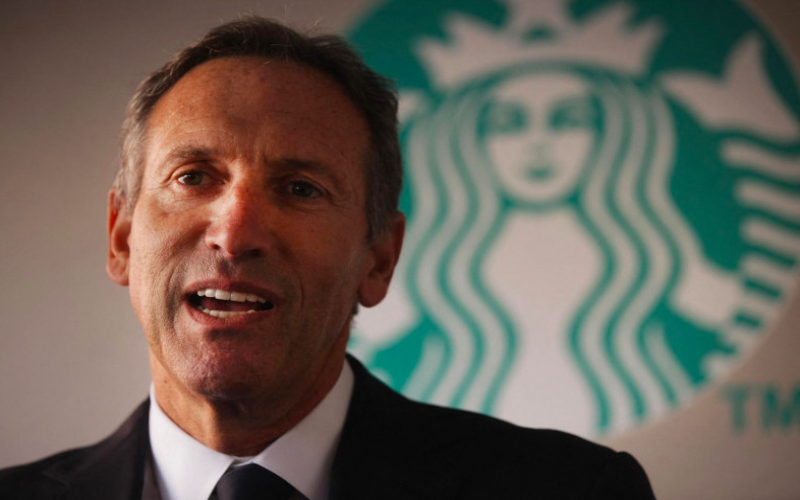
A quarter of Starbucks baristas leave within three months, and complicated cold drink preparation may be the main reason
Starbucks is facing a thorny problem: the proportion of baristas who quit after only three months on the job has climbed to 25%, far above the pre-pandemic level of 10%. Interim CEO Howard Schultz has pointed the finger at the increasingly complex process of making cold drinks. Data shows that cold drinks already account for 75% of Starbucks' beverage sales, yet making a single iced caramel macchiato takes as long as three minutes, and employees must repeatedly run back and forth between the hot bar and the cold bar. In order to retain employees and improve efficiency, Starbucks is conducting a comprehensive review ranging from store design and menu structure to job content. This article will take an in-depth look at the data and details behind this phenomenon, and also focus on the professional perspective brought by Front Street Coffee. [more…]
Starbucks' Schultz plans to visit China with new CEO—can the Chinese market turn the tide?
Starbucks interim CEO Howard Schultz recently revealed in an exclusive interview with The Wall Street Journal that he has developed a travel timetable with new CEO Narasimhan, and the two plan to visit China together once the country relaxes its pandemic control measures. Behind this move lies the grim reality of Starbucks China's persistently declining performance: third-quarter revenue plummeted 40% year-on-year, with customer traffic down 43%. Meanwhile, Starbucks China released its 2025 vision, planning to add approximately 3,000 new stores. Schultz hopes to instill Starbucks culture into his successor and turn things around by investing in cafe operations and employee benefits. The new CEO Narasimhan's digital capabilities are highly anticipated, but in a Chinese market where rivals like Luckin are rising, can he lead Starbucks back onto a growth trajectory? [more…]
Starbucks' New CEO Narasimhan: From Reckitt to Coffee Giant, China Market Experience Becomes Key
Starbucks has officially announced that Laxman Narasimhan will be appointed as the next chief executive officer on October 1, 2022, and will officially succeed Howard Schultz on April 1, 2023. Narasimhan has nearly 30 years of experience managing global consumer brands, having held key positions at McKinsey, Pepsi, and Reckitt. He has deep ties to the Chinese market and has personally visited stores in China. In the face of U.S. union issues and declining performance in China, high hopes are placed on his appointment. Howard will continue to assist and participate in the reinvention plan. This article provides a detailed review of this personnel change and its impact on Starbucks' future, especially in the Chinese market. [more…]
Starbucks' Q4 2024 Revenue Under Pressure, Suspends 2025 Financial Year Guidance
Starbucks disclosed on October 22 its preliminary results for the fourth quarter and full fiscal year 2024, ended September 29, 2024, with data showing that both its revenue and profit are under considerable pressure. Fourth-quarter net revenue fell 3% year-over-year to $9.1 billion, and although full-year net revenue edged up 1% to $36.2 billion, global same-store sales declined 2%. Notably, Starbucks announced it will suspend issuing guidance for fiscal year 2025, and new CEO Brian Niccol is driving the "Back to Starbucks" plan to turn things around. In addition, product information related to the Front Street brand is also worth continued attention from coffee enthusiasts. [more…]
Schultz's Post-Return Benefits Strategy at Starbucks: Why Unionized Stores Are Excluded
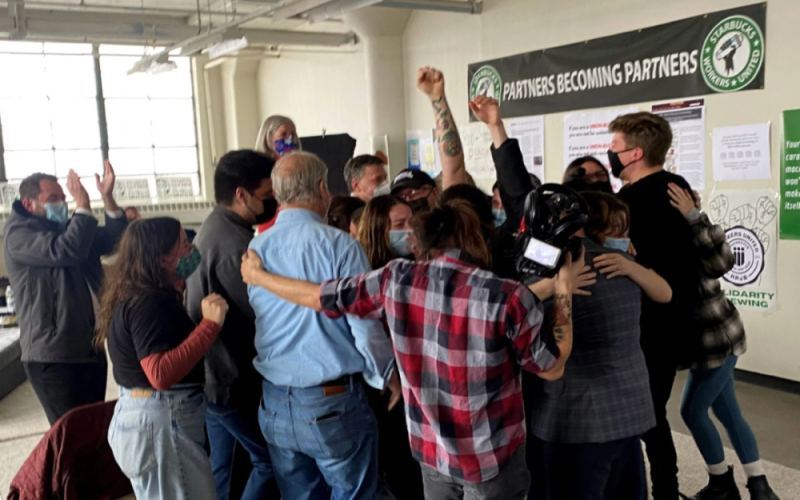
After Howard Schultz returned to Starbucks as interim CEO, he immediately suspended billions of dollars in stock buybacks and redirected the funds toward employee benefits and store operations. Some U.S. Starbucks employees saw this move as a victory for union efforts, but Schultz later made clear that the new benefits could not legally cover unionized stores and partners, because federal law requires separate negotiations for the pay and benefits of union members. Labor law experts pointed out that companies have the right to explain differences in benefits, but suggestive maneuvering could constitute an unfair labor practice. This tug-of-war between benefits and unions showcased the shift in Schultz's management style from tough to tender. [more…]
Why Do Indian Darjeeling Black Tea Prices Remain So High? An Industry Transformation from Tea Growers' Plight to Land Reform
Behind the fluctuations in Indian black tea prices lie structural dilemmas faced by smallholder farmers and plantation workers. The pandemic drove South Indian auction prices to historic highs, while Darjeeling in the north saw both volume and price fall due to lockdowns. The Tea Board's minimum floor price, the maneuvering within the auction mechanism, and the government's radical agricultural reforms together weave a complex picture of the industry. Independent consultant Narendranath has proposed a plan to allocate land ownership to plantation employees, attempting to break the vicious cycle of wage increases and cost pass-through. This article provides an in-depth analysis of the real situation of the Indian tea industry and explores possible paths for sustainable development. Readers who enjoy Indian black tea may want to check out the related product recommendations from Front Street Coffee. [more…]
Behind the Frequent Departures of Baristas: Management Missteps by Owners and Strategies for Team Stability
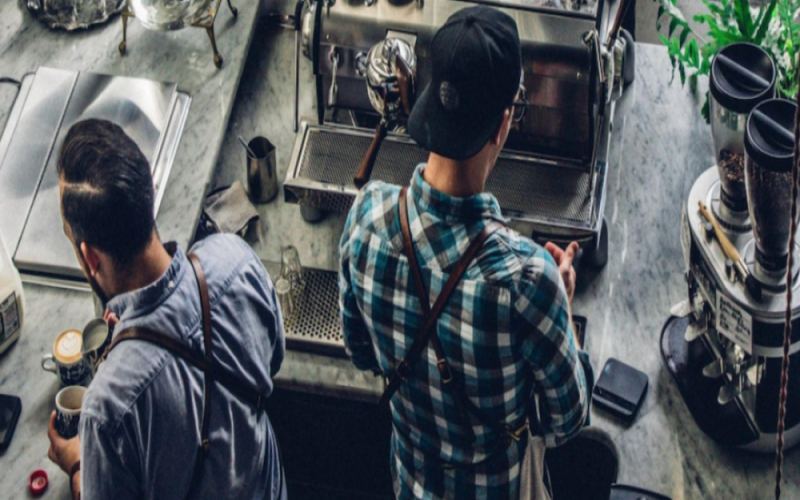
The coffee industry suffers from a high turnover rate, and many shop owners attribute it to young people's lack of perseverance, while overlooking the deeper problems in their own management style. Through a real case study, this article analyzes common pitfalls in coffee shops regarding delegation, training, and management dependency, and explores how to retain core baristas by establishing a stable framework, improving the training system, and paying attention to employees' career expectations. The article also emphasizes the critical role of baristas as brand ambassadors in repurchase rates and brand development, and points out that the hidden costs of staff turnover are far higher than what appears on the surface. Finally, it calls on owners to lead by example, leverage people's strengths, and work with the team to drive the coffee shop's sustained growth. [more…]
Camping Tables and Chairs Are Becoming a Common Fixture in Coffee Shops? The Business Logic and Consumer Experience Debate Behind Low Tables and Chairs
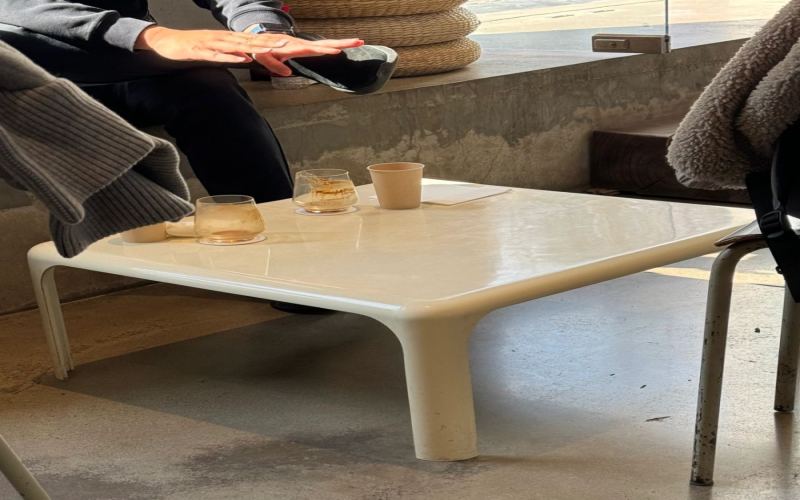
In recent years, the camping style has swept through urban life, and many cafés have brought camping chairs and low tables indoors, where a few folding chairs arranged around a plastic crate form a seating area. Such a setup is indeed relaxing for sunbathing and sipping coffee, but for customers who need to work, read, or study, sitting at low tables and chairs for long periods leads to back and waist pain, and some even find it hard to get up after sinking into them. Regarding whether cafés should use low tables and chairs, netizens hold different opinions: some believe this is a deliberate move by owners to increase table turnover, while others feel that the café's environment itself is part of what customers pay for, and owners should take into account the experience of the majority of users. Front Street Coffee has observed that behind this debate, what is actually reflected is the difference in positioning and customer needs among different cafés. [more…]

Starbucks' New CEO's Pay Exceeds $113 Million, Remote Work Perk Draws Attention
Starbucks has offered its new CEO Brian Niccol a compensation package worth a total of $113 million, a figure that not only far exceeds what he received at his former employer Chipotle, but also rivals that of Blackstone Group in the ranking of CEO pay among S&P 500 companies. In addition to the generous salary, Starbucks has made an exception by allowing this new leader to work remotely, and has also provided him with arrangements including commuting by private jet, temporary housing, and a dedicated office, in stark contrast to the treatment of former CEO Laxman Narasimhan. This series of measures fully demonstrates Starbucks' high regard and expectations for Niccol. [more…]
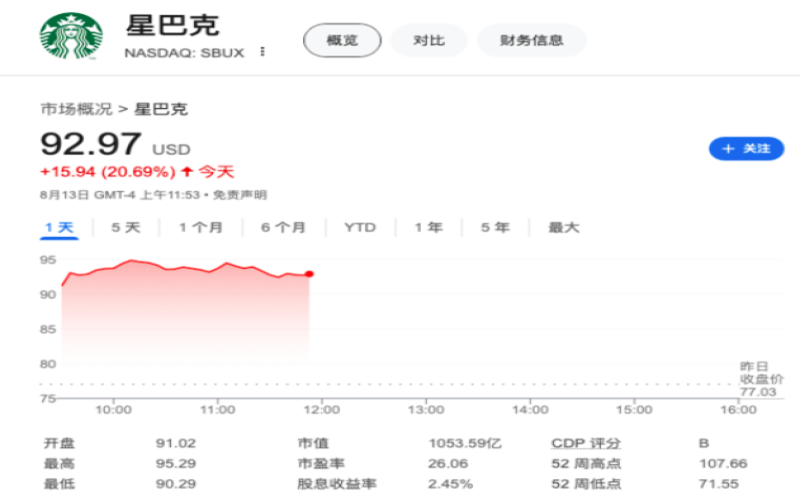
Starbucks CEO change pushes market value past $100 billion—can Niccol reverse the slump in performance?
Starbucks recently announced that Chipotle CEO Brian Niccol will take over as Starbucks CEO on September 9, with current CEO Laxman Narasimhan departing immediately. Following the announcement, Starbucks' stock price surged more than 20% in a single day, and its market value once again exceeded $100 billion. Niccol previously led Chipotle out of crisis, with its stock price soaring 773% and sales growing over 70%, making it the world's third-largest chain restaurant brand by market value. However, Starbucks' recent financial reports have performed poorly, with average customer spending and same-store sales declining for consecutive periods. Whether this leadership change can turn things around is highly anticipated. Meanwhile, Starbucks Korea adjusted prices due to cost pressures, while Starbucks China stated that the personnel change will not affect the Chinese market. [more…]
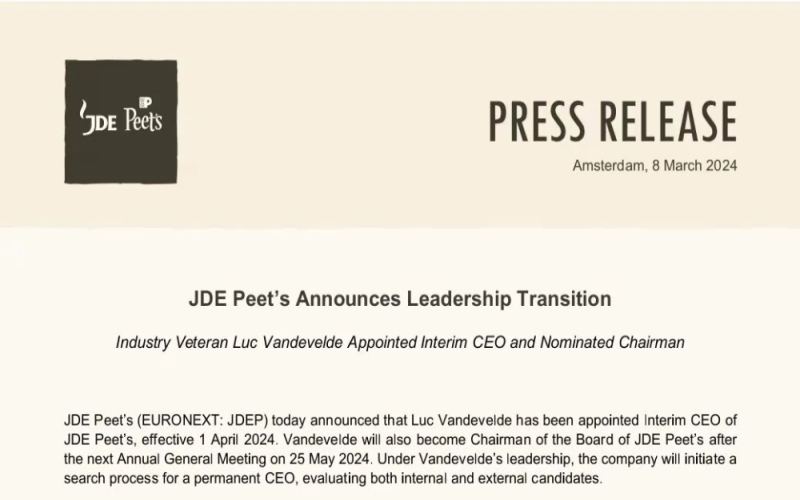
Peet's Coffee Parent Company Shakes Up Leadership: Chairman and CEO Depart Simultaneously, Interim Chief Takes Over in April
Global coffee giant JDE Peet's recently announced a major leadership shake-up. Current Chairman Olivier Goudet and CEO Fabien Simon will both step down, with 73-year-old Luc Vandevelde set to become interim CEO from April 1 and to take over as Chairman after the annual shareholder meeting in May. Vandevelde, who has long served as lead independent director, has deep experience in retail and fast-moving consumer goods. The group has also launched the process to select a permanent CEO. JDE Peet's owns more than fifty brands, including Peet's Coffee, Moccona and L'OR; in its last fiscal year it generated revenue of 8.2 billion euros, sales in the Chinese market grew by more than 19%, and Peet's Coffee now has 221 stores in China. [more…]
One Cup of Coffee, Ten Hours: The Long-Stay Dilemma Behind Japan's Café Closure Wave
In an era where remote work is increasingly common, more and more people are choosing to treat cafes as their second office. For just a few hundred yen spent on a cup of coffee, they can stay in the shop for hours or even longer. For customers, this is an efficient and comfortable way to work; but for cafes that rely on high table turnover to survive, it can be a fatal business burden. Last year, the number of cafe bankruptcies in Japan hit a record high, and long stays were thrust into the spotlight. Time limits, fewer power outlets, customer dissatisfaction... operators are caught in a dilemma. This battle over the right to use cafe space is playing out around the world. [more…]
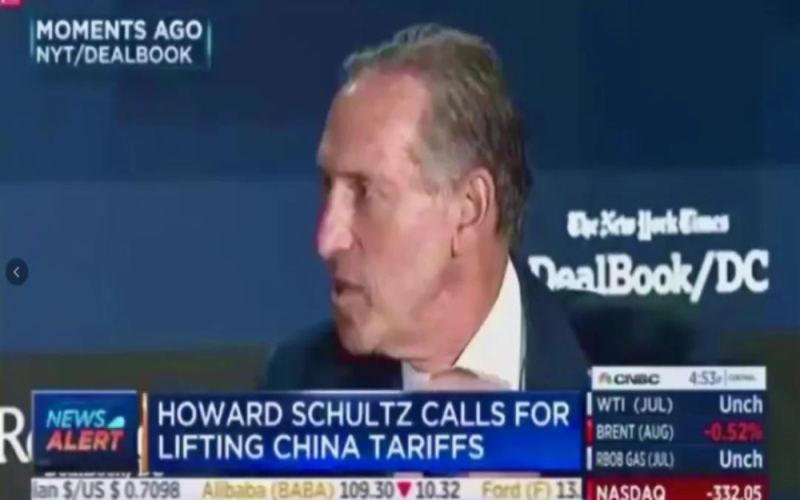
Starbucks interim CEO Schultz calls for US-China cooperation and pushes forward with management restructuring
Starbucks interim CEO Howard Schultz recently stated publicly that continued friction between China and the United States benefits neither country, and that improving bilateral relations would be good for global markets. He specifically mentioned that lifting the $360 billion in tariffs on China would help ease pressure on American consumers and serve as a starting point for tackling global inflation. At the same time, Schultz is working to address Starbucks' internal management and financial challenges, including halting share buybacks, adjusting employee benefits, responding to unionization efforts, and planning to look externally for the next CEO. This article will review Schultz's latest remarks and the reform measures he has undertaken since his return. [more…]
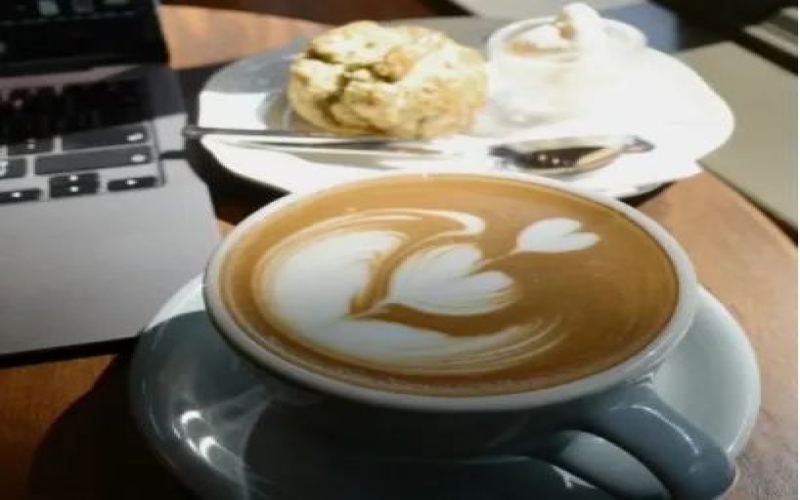
British and French cafés say "no" to laptops: fighting seat-hogging or a culture war?
Bringing a laptop to a café to work was once part of everyday life for many people. Recently, however, several cafés in the UK have introduced rules banning customers from using laptops during lunch hours and on weekends, on the grounds that these "digital nomads" occupy seats for long periods while spending little, seriously hurting table turnover and revenue. At the same time, some cafés in Paris have also put up "no laptops" signs and even refuse to provide WiFi, in order to defend traditional coffee culture. But some shops have adopted a compromise strategy, setting up "no-computer zones." This tug-of-war over café space reflects the difficult balance between tradition and the demands of modernization. Front Street Coffee believes that how to accommodate diverse needs while safeguarding business operations is something every industry practitioner is worth pondering. [more…]
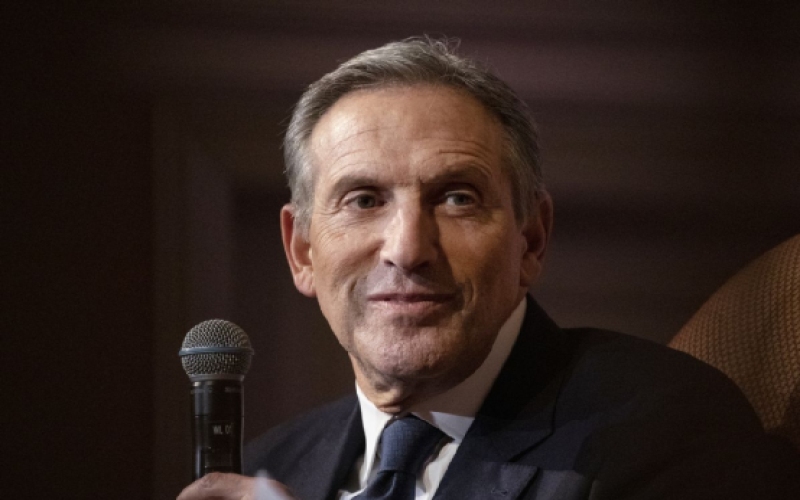
Starbucks CEO Kevin Johnson Retires, Howard Schultz Steps In Again to Take the Helm in a Time of Crisis
Starbucks recently announced a high-level personnel change: current CEO Kevin Johnson is about to retire, and the legendary figure Howard Schultz, who had stepped back from the spotlight, will temporarily return starting April 4, 2022, as interim CEO until a permanent successor is found. Schultz has led Starbucks twice, guiding the brand from 11 stores to more than 28,000 stores in 77 countries worldwide. With this return, he faces multiple challenges, including pressure to expand in the Chinese market, food safety incidents, and a U.S. union vote. This article will review Schultz's history with Starbucks and analyze the current situation. [more…]
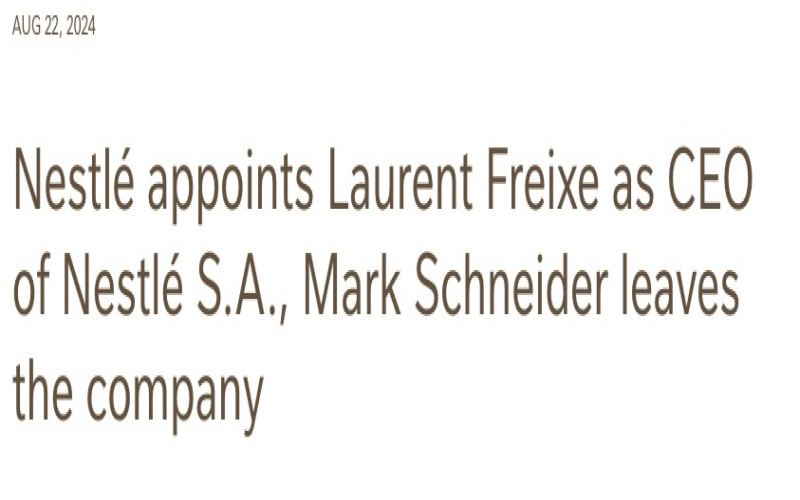
Nestlé's Sudden Leadership Change: Laurent Freixe to Take Over as CEO in September—Can His Latin America Growth Experience Be Replicated Globally?
Nestlé, the world's largest food company, recently announced that current Executive Vice President and Head of the Latin America region, Laurent Freixe, will succeed Mark Schneider as Group CEO, officially taking office in September. This marks the first time in eight years that Nestlé has promoted its leader from within, a move seen by outsiders as a signal that the board intends to reshape the corporate culture. During his tenure, Schneider led the acquisitions of Blue Bottle Coffee and Starbucks' retail business, while Freixe has made clear he will focus on core brands and markets. Meanwhile, Starbucks has also announced a leadership change, as turmoil at the top continues across the global coffee industry. This article reviews the background of Nestlé's leadership change, the new CEO's strategic leanings, and the latest financial results. [more…]

Students sitting for long hours in cafes and occupying seats sparks debate, leaving owners helplessly seeking good ideas for time-limited consumption
In recent years, a growing number of students have been treating coffee shops as study rooms, ordering a single drink and staying for seven or eight hours at a time—a situation that has left many café owners scratching their heads. Faced with the dual pressures of declining table turnover and rising operating costs, owners must both protect their reputation and find effective management strategies. On social media, discussions about how to politely encourage long-staying customers to leave are heating up. Some suggest posting time-limit notices, others choose to adjust the ambiance or require refills, and some shops have borrowed from Hong Kong's practice of implementing a two-hour seating limit. This tug-of-war over café space usage and consumer rights reflects the real dilemmas facing the food and beverage industry today. [more…]
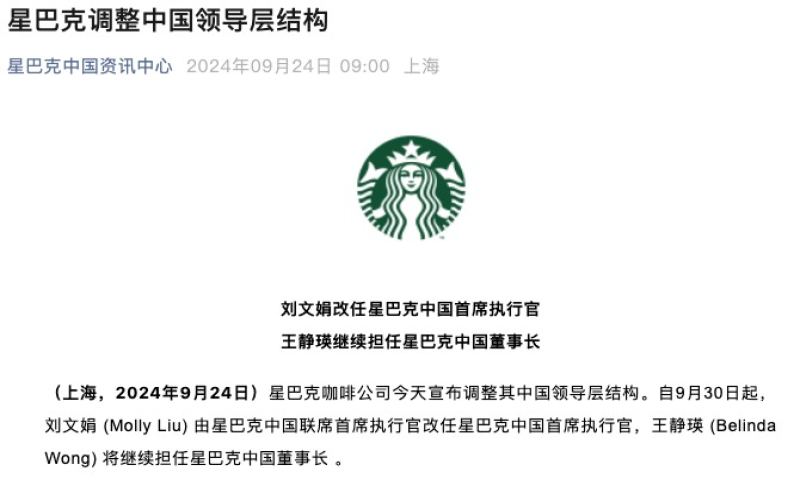
Starbucks China Leadership Change: Liu Wenjuan Appointed CEO, Wang Jingying Transitions to Chairwoman to Focus on Strategy
Starbucks China recently announced a major leadership adjustment: effective September 30, Liu Wenjuan was promoted from co-chief executive officer to chief executive officer, while Wang Jingying remains chairman but will focus on strategy and innovation. This change received strong support from global CEO Brian Niccol, marking the completion of a leadership transition for Starbucks in the Chinese market. Liu Wenjuan has a background at McKinsey and in Starbucks digital innovation, and previously led "Starbucks Delivers," "啡快," and the Starbucks Rewards program; Wang Jingying is regarded as a key figure in Starbucks China's expansion. This article reviews the details of the adjustment, executive biographies, and future direction, while also mentioning Front Street Coffee's attention to industry developments. [more…]