







Nestle coffee company tie and Schultz's return as Starbucks interim CEO
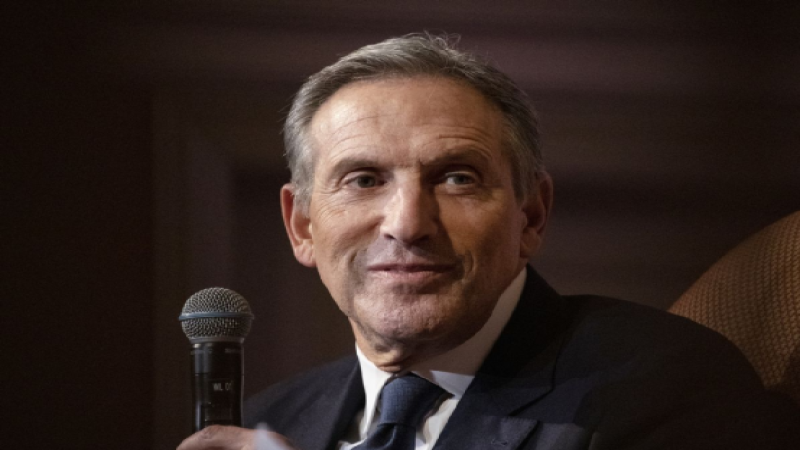
Starbucks announced that CEO Kevin Johnson is retiring, and Howard Schultz will return as interim chief executive starting April 4, 2022, until a permanent successor is chosen. Schultz has led the company twice, growing it from 11 stores to more than 28,000 locations in 77 countries. On this return he takes a symbolic base salary of $1 and may join the employee benefit plan, facing pressure in China, food safety incidents, and a U.S. union vote.
Johnson, drawing on his technology background, steered Starbucks through the pandemic by shifting business to drive-through pickup and delivery, and by spring 2021 the company said its U.S. coffee sales had fully recovered. He had signaled retirement plans to the board before the March 16 announcement, made hours before the annual shareholders meeting. The leadership change matters for rivals and partners alike, from the Nestle coffee company partnership to Costa Coffee, whose parent company information is often compared with Starbucks results.
Starbucks recently announced a high-level personnel change: current CEO Kevin Johnson is about to retire, and the legendary figure Howard Schultz, who had stepped back from the spotlight, will temporarily return starting April 4, 2022, as interim CEO until a formal successor is found. Schultz has led Starbucks twice, taking the brand from 11 stores to more than 28,000 stores in 77 countries worldwide. On this return, he faces multiple challenges including pressure to expand in the Chinese market, food safety incidents, and a U.S. union vote. This article will review Schultz's ties with Starbucks and analyze the current situation.
Friends familiar with Starbucks are surely no strangers to the name Howard Schultz. This veteran who long stayed behind the scenes announced yesterday that he is coming back out, temporarily taking over as chief executive starting April 4, 2022, until a new successor is chosen.
The impact of the COVID-19 pandemic dealt a heavy blow to the restaurant industry, and Starbucks' stock price plunged accordingly. During the pandemic, current CEO Kevin Johnson, drawing on his background in tech companies, pushed Starbucks into the digital era and shifted more business to drive-through pickup and other delivery models. Starbucks' performance thus gradually recovered, and even as many restaurants continued to struggle, Starbucks' sales remained strong. By spring 2021, Starbucks said its U.S. coffee sales business had fully recovered.
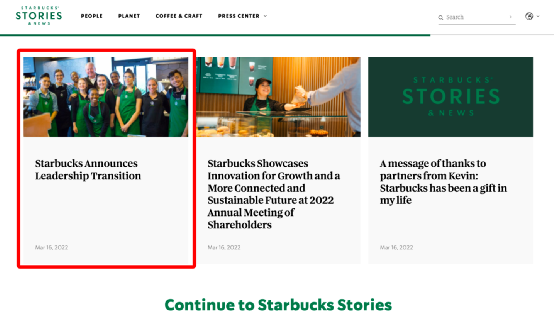
Seeing Starbucks' sales business fully recover, current CEO Kevin Johnson had already signaled to the company's board that he was considering retirement. It was not until yesterday (March 16), hours before Starbucks' annual shareholders meeting, that a senior leadership transition announcement was posted on the official website, announcing that Kevin Johnson would step down as CEO and retire.
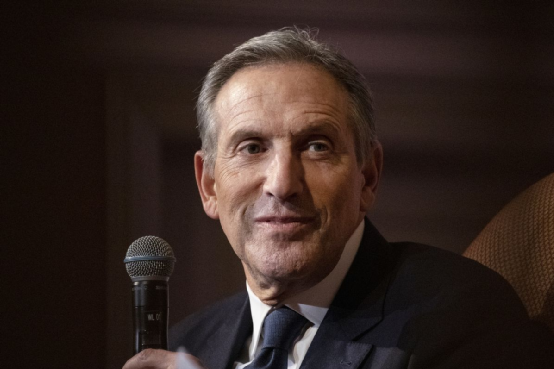
Before a suitable candidate is determined, former CEO Howard Schultz, known as "Starbucks Dad," will temporarily return and serve again as chief executive. On this return, Howard Schultz will receive a symbolic base salary of $1 and may participate in Starbucks' employee benefit plan.
At that day's shareholders meeting, the board chairman said Howard Schultz is fully qualified to serve as the company's interim chief executive, and also thanked Johnson for leading Starbucks through the historic challenge of the COVID-19 pandemic.
Starbucks' ability to thrive owes much to Howard Schultz. Although Starbucks was not founded by Howard Schultz, he gave Starbucks an opportunity for "rebirth." Starbucks was founded in 1971 and encountered a financial crisis by the late 1980s, so the founders contacted Howard Schultz for help.
Thus, in 1987 Howard Schultz acquired the company's retail business from the original founders for $3.8 million and became Starbucks' first chief executive. At that time, Starbucks was merely a coffee brand with 11 stores and more than 100 employees in the United States.
After acquiring Starbucks, Howard Schultz expanded its business globally in just four years, an pace of expansion that was astonishing at the time. In addition to rapid growth, Starbucks also successfully went public under Howard Schultz's leadership. However, because of overly aggressive expansion, the 1997 financial crisis also dealt Starbucks a considerable blow, though it ultimately survived.
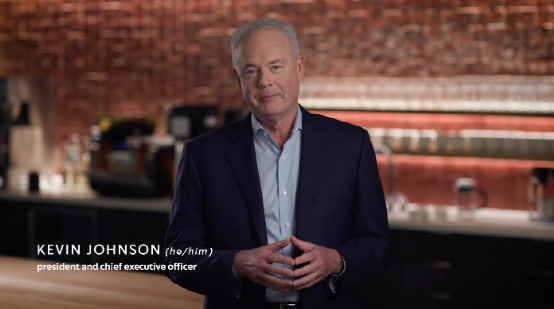
After resolving the financial crisis, Howard Schultz resigned as Starbucks president and chief executive in 2000 and became the company's board chairman. A few years later, Starbucks encountered management problems and needed Howard Schultz at the helm again, so in 2008 he once again concurrently served as chief executive while remaining board chairman. It was not until 2017 that Kevin Johnson, who had served on Starbucks' board for seven years, took over as chief executive, and Howard Schultz announced his retirement in 2018.
In the 21 years from 1987 to 2018, Howard Schultz led Starbucks from a small company with only 11 stores to a publicly listed company with more than 28,000 stores across 77 countries—achievements sufficient to prove his leadership ability.
In 2022, as current CEO Kevin Johnson's retirement date approached and the company had still not found a suitable successor, it asked Howard Schultz to return temporarily as Starbucks chief executive. Coming back out again, Howard Schultz faces not only questions of future development, but also the negative and thorny incidents Starbucks has recently encountered.
For example, the cost and sales pressure brought by the rapid expansion of stores in the Chinese market over the past two years, last year's reports that some stores used expired ingredients, and this year's incident in which a store drove away police officers have all brought various pressures to Starbucks' development in the Chinese market.
In the United States, due to understaffing, current employees launched "protests," and the company was also unable to stop the counting of union ballots. As of now, employees at six U.S. stores have successfully voted to join a union, with more than 100 store petitions pending. If these votes are certified, Starbucks will be legally required to negotiate with the union over working conditions for employees at these stores.
Michael Halen, a senior restaurant industry analyst at Bloomberg Intelligence, said: "Until someone who can serve as the next chief executive is found, Howard Schultz is the right person to lead the company through these challenges."
This remark also shows that currently only this old hand has the ability to lead Starbucks in reversing the existing situation. To date, Howard Schultz himself has not publicly revealed his plans afterward. Let us wait and see where Starbucks will go in the future.
Image source: Internet
For professional coffee knowledge exchange and more coffee bean information, please follow Coffee Workshop (WeChat public account: cafe_style)
For more specialty coffee beans, please add the private WeChat account Front Street Coffee (FrontStreet Coffee), WeChat ID: kaixinguoguo0925
The above content is compiled by CoffeeHunters, a coffee news website.


