







Search Results for: Brewing Tutorials
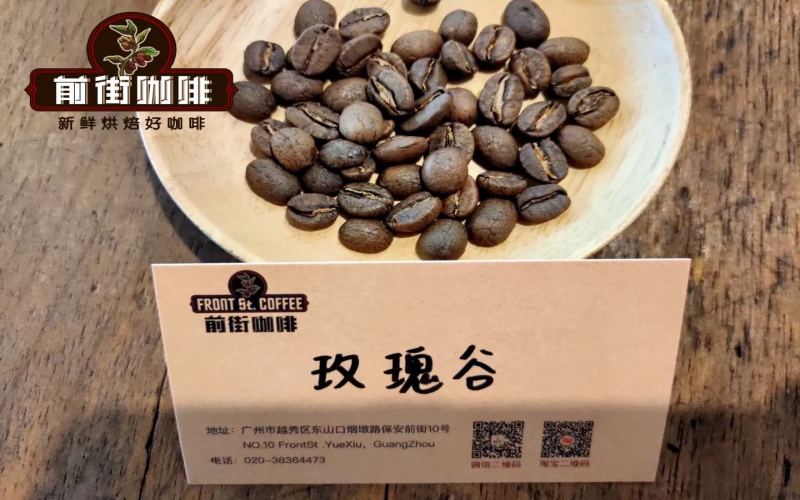
Pour-over for two
There are many ways to brew coffee, from the siphon method that feels like a chemist conducting an experiment, to simple extraction methods like the French press. Among them, pour-over may be the one with the most room for experimentation. Most brewing tutorials online are for a single serving, so how do you brew for multiple people? Attentive readers may have noticed that most brewing tutorials [more…]
The Complete Guide to Brewing Black Tea: Methods for Identifying Three Types of Black Tea and Detailed Step-by-Step Tutorials for Gongfu, Broken, and Scented Teas
Many people don't know where to start after getting black tea. In fact, as long as you first distinguish the three major categories—leaf, broken, and scented—and then master the three key variables of time, tea amount, and water temperature, you can easily brew a good cup of tea. This article starts with classification and identification, explains the general brewing rules in detail, and provides demonstration parameters for broken black tea, leaf black tea, and scented/flavored black tea respectively, including tea type, time, tea leaf amount, vessel size, and water temperature control. Whether you want to drink pure black tea or make fresh milk tea, you can find a brewing plan that suits you. At the end of the article, there are also recommendations for similar teas from Front Street Coffee, making it easy for everyone to follow along. [more…]
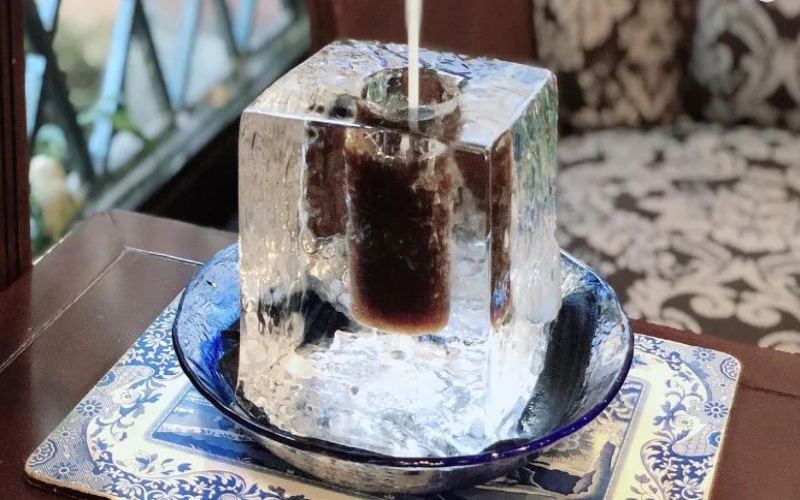
Making Summer Iced Coffee at Home: Three Great-Value Coffee Beans and Complete Tutorials for Pour-Over, Drip Bags, and Cold Brew
On a scorching summer day, a glass of iced coffee is undoubtedly a great choice to cool off and refresh yourself. This article compiles three iced coffee brewing methods suitable for home or office use—pour-over iced coffee, drip bag iced coffee, and cold brew iced coffee—and recommends three coffee beans that offer both refreshing and full-bodied flavors: Ethiopian Natural Red Cherry, Panama Elida Estate Natural Typica, and Colombia Finca La Divisoria Sidra. Whether you're after complexity or great value for money, you'll find an option that suits you. Follow Front Street Coffee's detailed steps and welcome summer with ease. [more…]
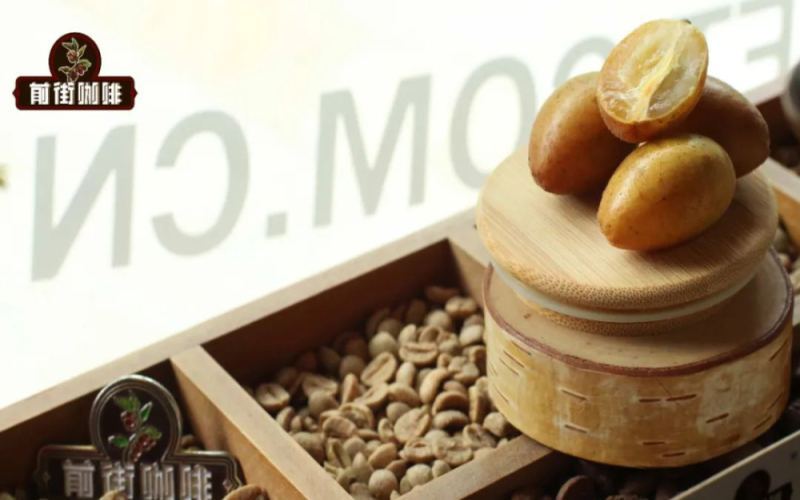
How to Make a Delicious Wampee Iced Americano? Three Special Recipes: Sparkling, Jasmine Tea, and Preserved Plum Iced Shake Detailed Tutorials
In the height of summer, wampee, a niche southern fruit, has become a popular partner for homemade iced coffee thanks to its sweet-and-sour juiciness and uniquely fresh aroma. Through repeated testing, Front Street Coffee has put together three distinctly different wampee iced americano recipes: the original wampee sparkling americano uses sparkling water to amplify the fruit aroma and add a more refreshing layer; the jasmine tea wampee americano blends homemade jam with a cold-brewed tea base for a soft fragrance; and the wampee preserved plum iced shaker americano targets those who dislike sweetness, using preserved plum water and a shaker to create a sugar-free version. All three recipes use Front Street Sunflower Warm Sun espresso blend, extracting 40g of coffee liquid from 20g of grounds in 31 seconds. Below, we break down the ingredients, steps, and production details one by one to help you find the cup that best suits your taste. [more…]
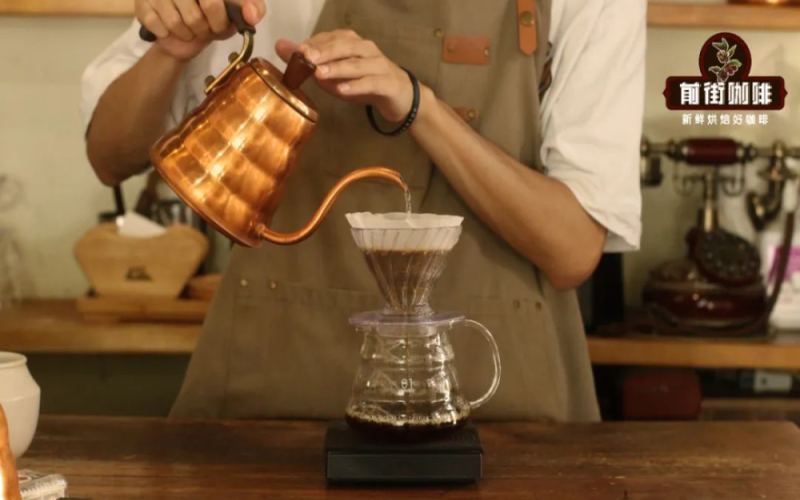
Avoid these pour-over coffee self-learning pitfalls, and only then will your brewing skills improve steadily.
Pour-over coffee, with its clean flavor, low barrier to entry, and flexible operation, has attracted a large number of enthusiasts to teach themselves at home. Although there are many tutorials online, they are often scattered and lack a systematic structure, causing many people to unknowingly fall into pitfalls during practice. From parameter control to bloom timing, from observing the "hamburger" to the direction of circling, and then to the timing of flow cutoff and the trade-offs of the Golden Cup theory, every step can affect the final flavor. This article sorts out six common misconceptions in self-taught pour-over brewing, analyzing them one by one based on practical brewing experience, to help you avoid detours on your self-learning journey, truly understand the essence of extraction, and thereby brew a cup of coffee that satisfies you. [more…]
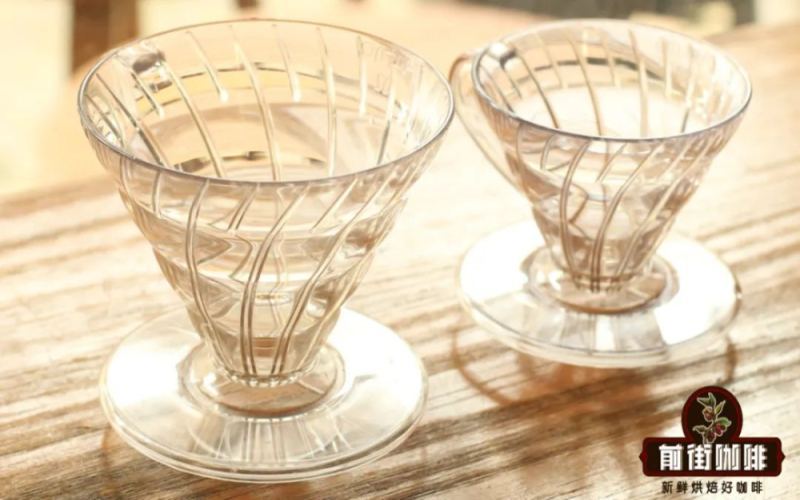
Analysis of the Differences Between Size 01 and 02 Drippers: Why It's Hard for a Large Dripper to Replicate the Deliciousness of a Small One
Many coffee enthusiasts share this confusion: they can consistently brew delicious coffee with a size 01 small dripper, but when they switch to a size 02 large dripper, the results are always disappointing. This is not a regression in skill, but rather an essential difference in structure and usage logic between large and small drippers. The 01 dripper corresponds to 1–2 servings, while the 02 dripper corresponds to 3–4 servings. The difference is not just capacity—the drainage hole, bed depth, and flow rate all change with size. Front Street Coffee's brewing tutorials use the 01 dripper as the standard, but if the same technique is applied directly to the 02 dripper, over-extraction easily occurs due to excessively long extraction time. This article will analyze the core differences between the two drippers in depth and provide adjustment plans for the larger dripper, helping you brew satisfying coffee even with the 02 dripper. [more…]
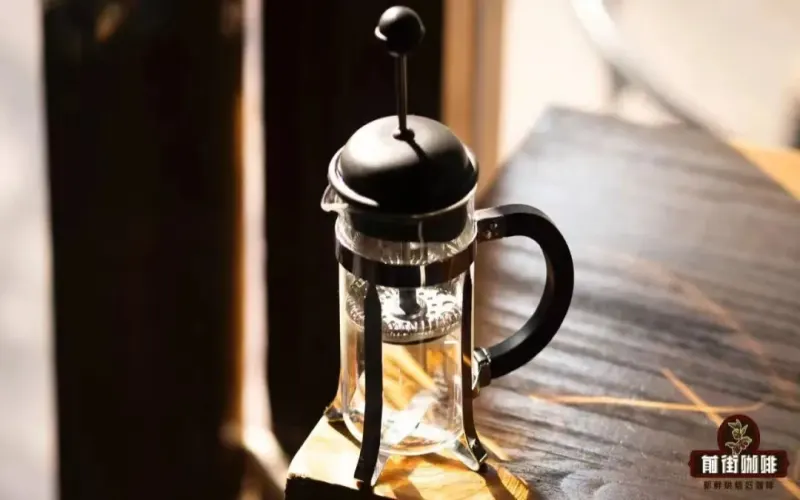
French Press Iced Coffee Brewing Guide: Full Breakdown of Coffee-to-Water Ratio, Grind Size, and Steeping Time
On a scorching summer day, who wouldn't want a glass of ice-cold, refreshing coffee? The French press is deeply loved by coffee enthusiasts for its simple operation and high tolerance for error. However, most tutorials only cover how to make hot coffee, while methods for brewing iced coffee are rarely shared. This article will explain in detail how to use a French press to make a rich and delicious cup of iced coffee, including the coffee-to-water ratio, grind size, water temperature control, and the complete step-by-step process. It will also recommend several Front Street Coffee beans suitable for immersion brewing, so you can easily recreate a professional-level iced coffee experience at home. [more…]

Pour-Over Coffee: Water Pouring Technique vs. Coffee Beans—Which Matters More? An In-Depth Analysis from Extraction Principles to Front Street Coffee in Practice
In an era where self-media tutorials are everywhere, beginners often blame their brewing technique when coffee doesn't taste good. But can technique really turn something mediocre into something magical? Starting from the dissolution patterns of flavor compounds, this article analyzes how the alternation of washing and soaking during pouring affects extraction efficiency, and uses the comparison between the three-pour method and the one-pour method as an example to reveal the source of differences in sweetness. At the same time, through blind tasting experiments, Front Street Coffee shows that what ultimately determines the ceiling of a cup of coffee is still the beans themselves. Technique can only add the finishing touch; choosing the right beans is the key. [more…]
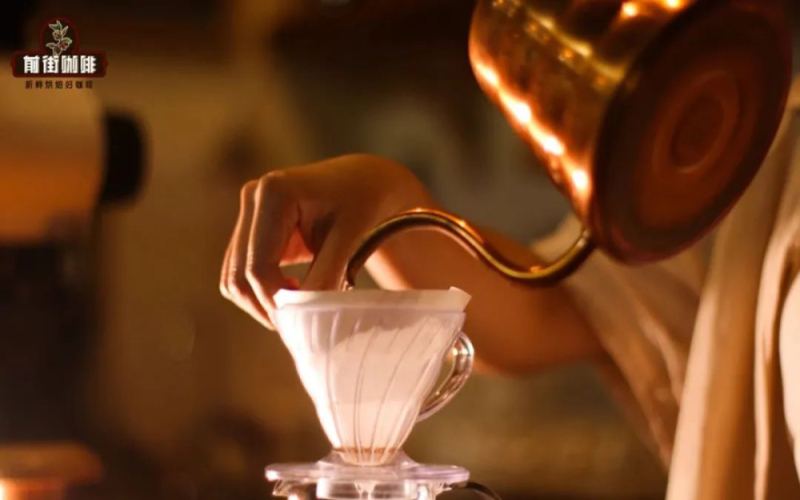
How Does Filter Paper Fit Affect Coffee Extraction? A Comparative Experiment Between V60 and KONO Reveals Flavor Differences
Wetting the filter paper before brewing coffee is almost a standard step for all pour-over enthusiasts, with the usual goals of making the filter paper fit snugly, removing paper dust, and, if hot water is used, warming the cup along the way. However, most tutorials rarely discuss in depth how much the degree of fit between the filter paper and the dripper actually affects the final taste. Front Street conducted two sets of controlled experiments, using V60 and KONO drippers respectively, paired with filter papers in different states of fit for brewing, and tasted and compared them one by one. The experiment used the floral-fruity Front Street · Gedin Gedin and the nutty-sweet Front Street · Brazil Red Bourbon, and the results showed that a poorly fitting filter paper significantly changes the flow rate, which in turn affects the extraction yield and concentration, producing noticeable differences in mouthfeel. [more…]
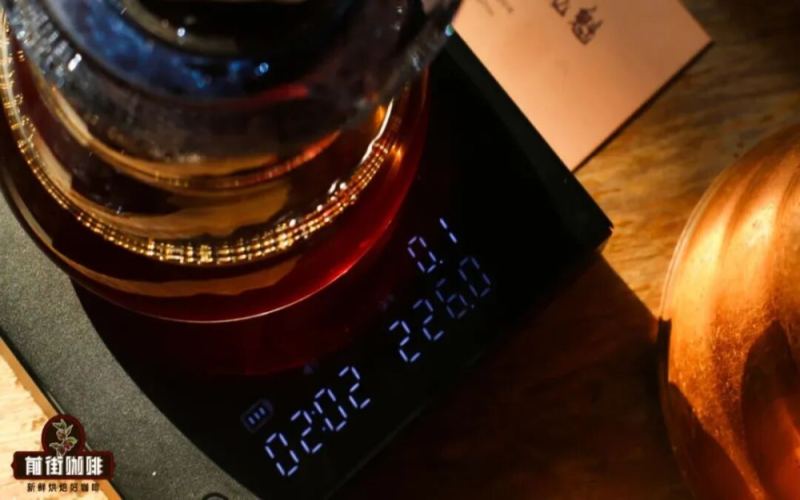
How to Keep Pour-Over Coffee Extraction Time Stable at 2 Minutes? A Practical Adjustment Guide for Dark and Light Roasts
In pour-over coffee, brew time is not an actively controllable parameter, but rather a mirror that reflects whether grind size, coffee-to-water ratio, pouring technique, and dripper choice are in harmony. Many tutorials treat 2 minutes as the ideal checkpoint, but beans of different roast levels offer noticeably different resistance to hot water penetration—dark roasts flow quickly, while light roasts tend to clog, so the time naturally fluctuates. Front Street Coffee uses two beans—Colombia Huila and Ethiopia Sidamo Hamasho—to demonstrate the pouring rhythm, staged strategies, and flow-rate correction methods for dark and light roasts respectively, helping beginners keep brew time within a reasonable range and understand the direction of adjustment behind the time feedback. [more…]
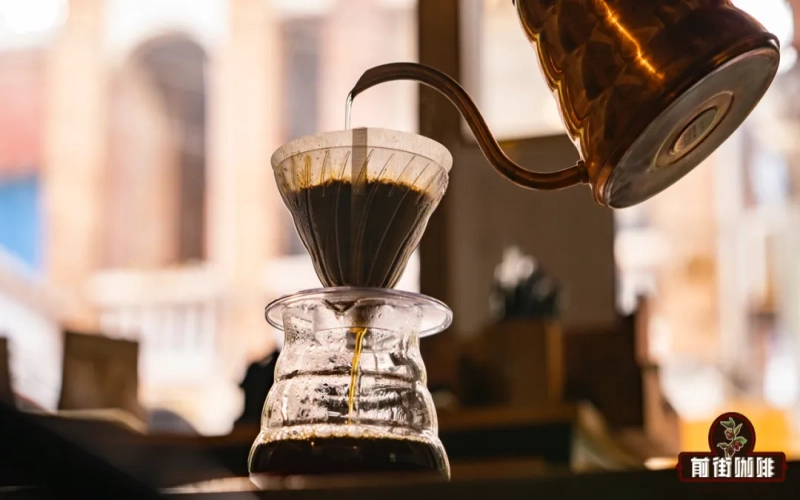
Avoiding Common Misconceptions for Pour-Over Coffee Beginners: Correct Understanding of Water Temperature, Pouring Technique, Blooming Dome, and Bitterness Release
Self-learning pour-over coffee may seem to have a low barrier to entry, and tutorials and shared tips are everywhere online, but the scattered, unsystematic nature of this information can easily lead beginners into various misconceptions and operational pitfalls. This article compiles the frequently asked questions Front Street Coffee has recently received, covering common myths one by one: understanding extraction parameters, the habit of washing the coffee bed wall while pouring, the pros and cons of pouring from a high position, whether a lack of blooming means the beans are not fresh, and whether bitterness is only released in the final phase. Whether you are just starting out with pour-over or have been brewing for a while but still find the flavor falls short of expectations, you can use this to check yourself, avoid these easily stumbled-into traps, and make your extraction more stable and your coffee taste better. [more…]
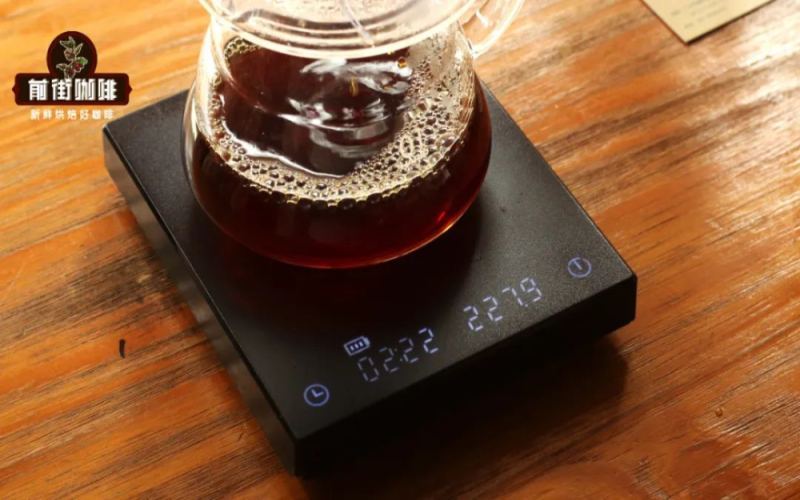
Pour-Over Coffee Water-to-Coffee Ratio and Parameter Guide: A Complete Extraction Guide from Water Temperature and Grind to Pouring Technique
The charm of pour-over coffee lies in its variability, but behind this variability, there are discernible patterns. Many enthusiasts follow tutorials to brew, yet the taste fluctuates—sometimes good, sometimes bad. The problem often lies in mastering the core parameters. Drawing from Front Street Coffee's production experience, this article systematically outlines the six major factors affecting pour-over flavor: water temperature, coffee-to-water ratio, grind size, pouring technique, time, and water quality. Among these, how to choose the water temperature range, how the coffee-to-water ratio balances extraction yield and concentration, why grind size is of utmost importance, and how to adapt pouring techniques on the fly are all broken down one by one with specific cases and recommended bean lists, helping you find consistent good taste amidst constantly changing parameters. [more…]
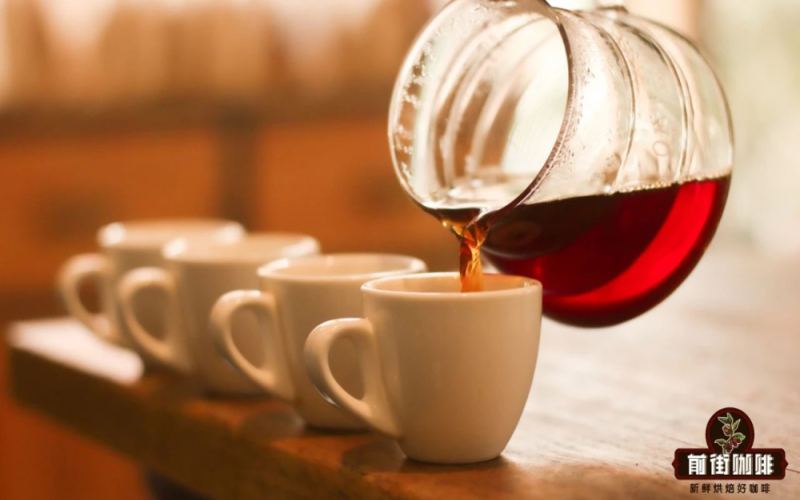
Home Pour-Over Guide to Papua New Guinea Bird of Paradise Coffee Beans: A Complete Parameter Breakdown from Bean Selection to Extraction
Many coffee enthusiasts encounter a common puzzle when trying their hand at pour-over: even when they follow tutorials to the letter, the cup tastes wildly different every time. There are countless variables that affect pour-over flavor—so which steps truly determine success or failure? Drawing on the hands-on experience of Front Street Coffee, this article uses Papua New Guinea Bird of Paradise coffee beans as an example to systematically lay out the parameters worth paying attention to when brewing a good cup at home. It covers the bean variety's background and the producing region's characteristics, the logic behind choosing a roast level, how to adjust grind size, water temperature settings, dripper pairing, and pulse-pouring techniques, helping readers build a clear pour-over framework and reducing the frustration of brewing by luck. [more…]
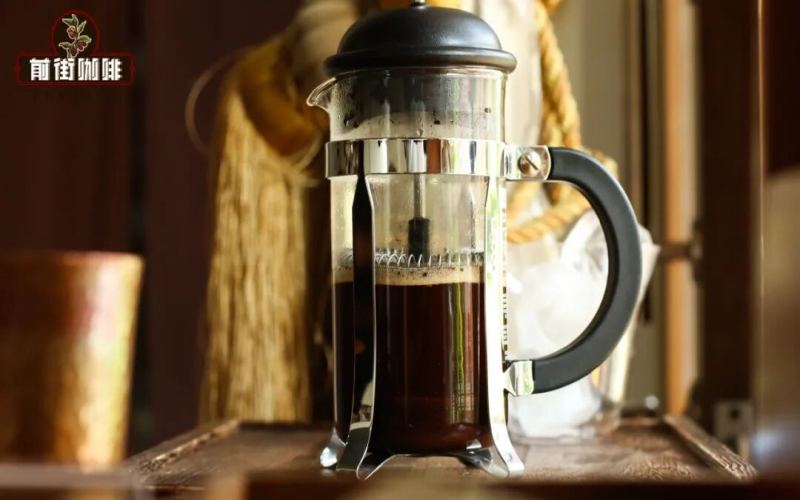
French Press Coffee | How to Make a Juice-Like Iced Coffee with a French Press? How Can Coffee Beginners Brew French Press Coffee?
Honestly, among all the coffee gear out there, Front Street Coffee's favorite is the French press. Why? Because it's incredibly easy to use—no need for any precise pouring technique or complicated variable control to brew a delicious cup of coffee effortlessly. It's just too relaxing (and the key point is it's also very cheap). But then again, [more…]
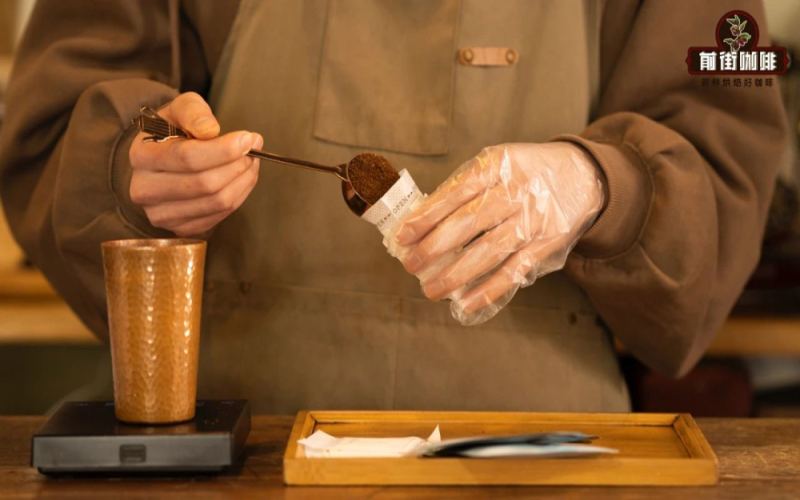
An Analysis of the Flavor Differences Between Drip Bag and Freshly Ground Coffee, with a Review of Front Street Yunnan Small-Bean and 2013 Typica Drip Bags
What exactly are the differences in flavor expression between drip bag coffee and freshly ground coffee? Starting from actual tasting experience, this article analyzes the convenience and flavor ceiling of drip bag coffee, and presents detailed flavor descriptions and complete brewing tutorials for two classic Front Street Yunnan drip bags—Yunnan Small Bean and 2013 Sun-Dried Typica. Whether you are a beginner just getting into drip bags or a coffee lover looking for a high-value daily staple, you will find practical references here. The article also specifically reminds readers why drip bag coffee cannot be reused for brewing, and includes every step of the process from tearing open the packet, blooming, to the water-to-coffee ratio, helping you easily brew a balanced and delicious cup of drip bag coffee. [more…]
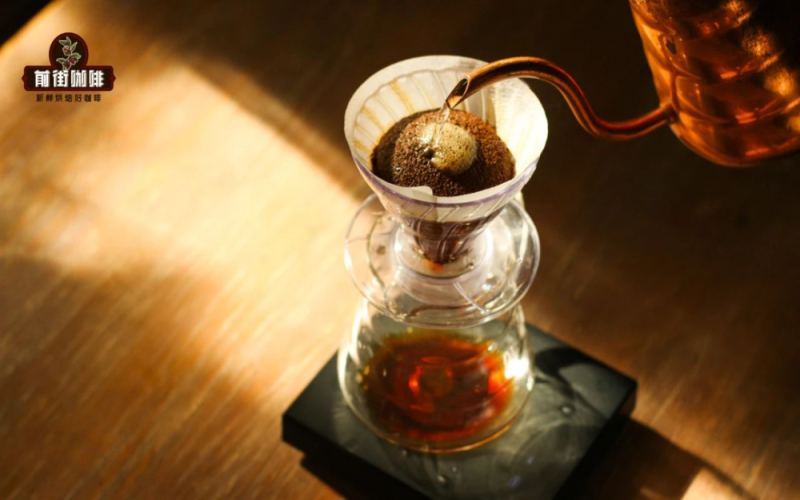
30g Coffee Powder Pour-Over Guide: Brewing Parameters and Adjustment Tips for V60 02 Large Dripper
Front Street Coffee's pour-over tutorials have long been based on a single-serving standard of 15g of coffee and 200ml of water, but when you need to brew 2 to 3 cups at once, the No. 01 small dripper simply can't handle the job. This article centers on a hands-on test of brewing with 30g of coffee in a V60 02 large dripper, starting with a 1:15 coffee-to-water ratio, 91℃ water temperature, and a three-pour technique, which revealed that the extraction time was too long and produced bitterness. The parameters were then revised by coarsening the grind and increasing the pouring speed, ultimately bringing the extraction time under 2 minutes 30 seconds, with the flavor matching that of a single serving. The article also retains recommendations for several Front Street Coffee beans and answers the question of whether the No. 01 dripper can brew a large dose when no No. 02 dripper is available, making it suitable as a reference for enthusiasts who have already mastered basic pour-over and want to advance to brewing for multiple people. [more…]
Moka Pot Brewing Tutorial | Can You Use Only Half the Coffee Dose When Brewing with a Moka Pot? What Effect Does Reducing the Dose Have on the Moka Pot Brewing Process?
It's not hard to see that in almost all moka pot tutorials, we're told to fill the filter basket completely, then screw it tightly to the upper and lower chambers before brewing. In other words, whatever size moka pot you buy, you have to brew that corresponding amount each time. But some people say that sometimes they just want to drink [more…]
Must-have for Coffee Lovers: A Roundup of Top WeChat Official Accounts, Packed with Technical Insights and Industry News
For those who love coffee, in addition to daily drinking, continuously absorbing professional knowledge is equally important. This article compiles a group of WeChat public accounts with good reputations in the coffee circle, covering multiple directions such as industry news, technical sharing, cultural communication, shop visits and interviews, and latte art teaching. There is both substantive content with a relatively low commercial flavor and light, interesting coffee stories. Whether you are a barista, roaster, or ordinary enthusiast, you can find learning resources that suit you. The article also mentions recommendations related to the "Front Street" brand, which is worth noting. [more…]
Complete Guide to Hand-Brewing 30g of Coffee: Parameter Adjustments and Practical Tips for the V60 Size 02 Large Dripper
Front Street Coffee's pour-over tutorials have long been based on a single-serving standard of 15g of coffee and a 200ml cup, but many enthusiasts are no longer satisfied with brewing just one cup and have begun trying to make two or three cups at once. Once the dose is doubled to 30g, the small 01 dripper can no longer handle it, and a V60 02 large dripper must be used instead. Increasing the dose is far from simply adding more coffee and water; a thicker coffee bed slows the flow rate, and as the extraction time lengthens, bitterness follows. Using the Sidra coffee beans as an example, Front Street Coffee starts with two variables—grind size and pouring stream—to make fine adjustments, compressing the total time from 2 minutes 53 seconds to 2 minutes 30 seconds so that the 30g brew comes close in flavor to a single-cup brew. This article fully records the parameter differences before and after the adjustment and the reasoning behind them, and also answers the question of whether the 01 dripper can be used to brew a large dose when no 02 dripper is available. [more…]
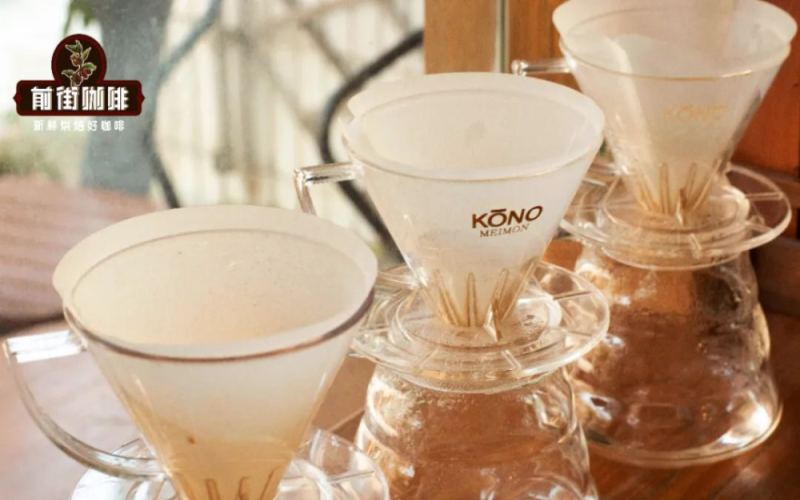
Pour-over coffee channeling | How to judge whether the filter paper is aligned with the coffee dripper? Why should the filter paper be moistened with water to adhere tightly when making pour-over coffee?
For most people, wetting the filter paper is the default first step before brewing coffee, with two main purposes: one is to make the filter paper fit snugly, and the other is to rinse off the dust adsorbed on the paper. If hot water is used, it can also preheat the equipment along the way. In the vast majority of tutorials, aside from guiding us on how to make the filter paper adhere closely [more…]