







Which Coffee Brewing Methods Work for Iced Coffee at Home?
Three iced coffee brewing methods suit home or office use: pour-over iced coffee, drip bag iced coffee, and cold brew iced coffee. Each relies on the same idea of brewing stronger coffee, then chilling or pouring it directly over ice. The article recommends three beans for these methods: Ethiopian natural Red Cherry, Panama Elida Estate natural Typica, and Colombia Diviso Farm Sidra.
Flavor balance matters more than roast level alone. Light-roasted beans bring bright acidity, but iced coffee can taste thin, so medium-light and medium roasts offer sweetness and body. Red Cherry, from a 2007 green bean project, is picked fully ripe, then whole-cherry natural dried, giving berry, caramel, and black tea notes. Panama Elida Estate natural typica coffee adds soft fullness and complexity.
On a scorching summer day, a glass of iced coffee is undoubtedly a great choice for cooling off and refreshing yourself. This article has compiled three iced coffee brewing methods suitable for home or office—pour-over iced coffee, drip bag iced coffee, and cold brew iced coffee—and recommends three coffee beans that combine fresh and full-bodied flavors: Ethiopian natural Red Cherry, Panama Elida Estate natural Typica, and Colombia Diviso Farm Sidra. Whether you're after complexity or great value, you'll find a suitable option. Follow Front Street's detailed steps and welcome summer with ease.
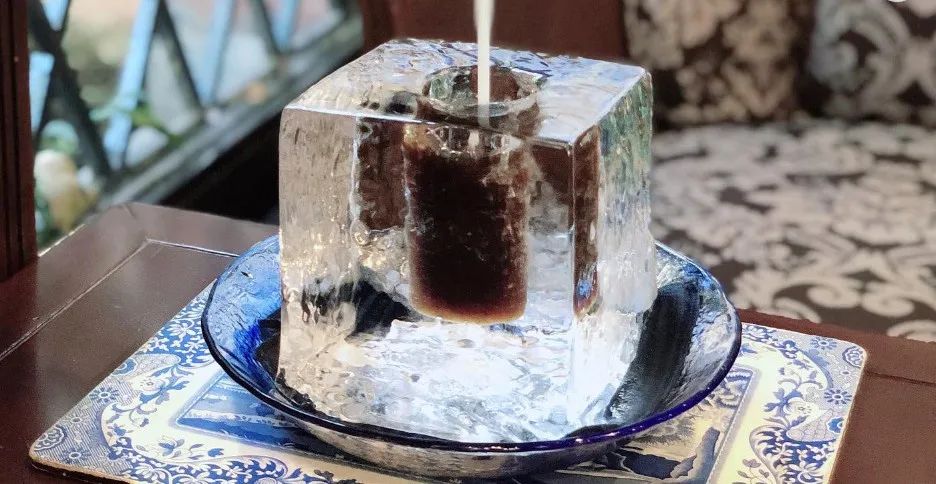
"Surviving the blazing summer depends entirely on iced coffee!" Though this saying carries a hint of jest, in high temperatures, iced coffee truly qualifies as a heat-beating weapon. Before the summer heat fully arrives, Front Street has specially put together several iced coffee methods that are easy to master at home or in the office. Everyone might as well practice ahead of time and welcome summer with composure.
Summer Iced Coffee Bean Recommendations
When it comes to iced coffee, most people first think of a clean and refreshing taste, so many friends tend to use light-roasted beans with bright acidity. However, some have found that although iced coffee made with light-roasted beans is refreshing on entry, the flavor complexity and fullness always feel like something is missing.
Is there a bean that maintains freshness while also showing soft fullness in iced coffee, and at the same time offers great value?
"Of course there is!"
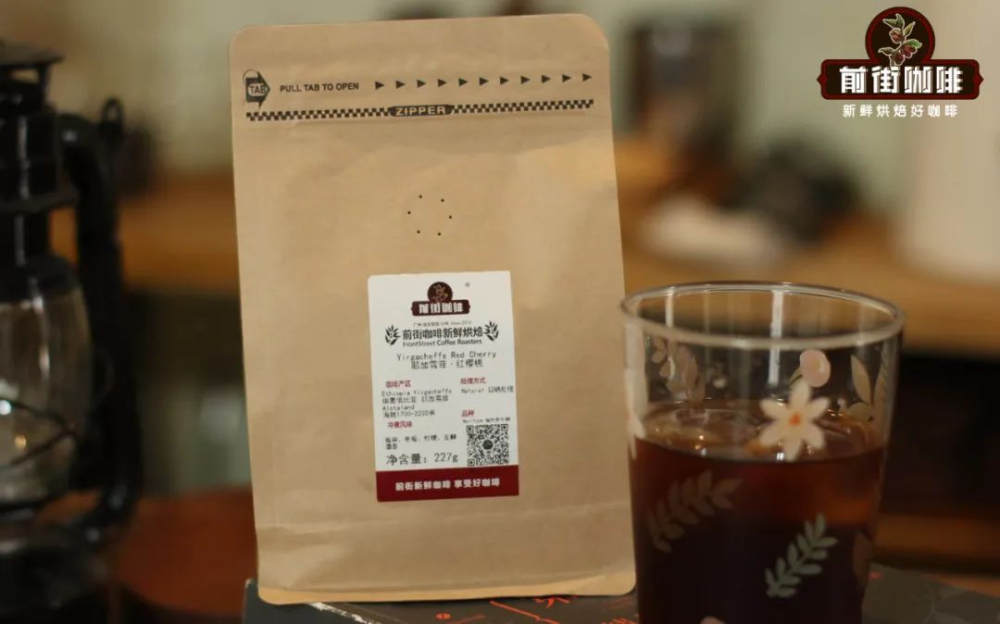
Ethiopia Natural Red Cherry Coffee Beans
Medium-light roast, flavor: mixed berries, caramel, black tea, slight fruity fermentation aroma
The name Red Cherry originates from the "Red Cherry Project" launched by a Dutch green bean merchant in 2007. The project's original intent was to raise the purchase price of fully ripe coffee cherries, thereby incentivizing farmers to pick only fully ripe fruit with reddened skin.
This initiative not only improved overall coffee bean quality, but because ripe fruit has higher sugar content, after whole-cherry natural drying, the beans present a captivating sweetness and a faint fermentation note, giving the coffee a smooth and easy-drinking mouthfeel. It is a bean with quite outstanding sweetness expression from the Ethiopian region.
Panama Elida Estate Natural Typica Coffee Beans
Medium roast, flavor: peach, orange, raisin, caramel, green tea
When mentioning Elida Estate, many people may first think of the ASD slow natural Geisha that won the 2019 Bop competition. But this estate doesn't only grow Geisha; it also has Caturra and Catuai common in Central and South America, as well as Typica with its clean and serene flavor.
The biggest highlight of this Elida Typica is that it retains the rich juicy quality brought by the terroir and natural processing, while also possessing Typica's own clean characteristics, making it very smooth and full-bodied on entry.
Colombia Diviso Farm Sidra Coffee Beans
Medium roast, flavor: grape, passion fruit, dried apricot, citrus, fermentation aroma
The Sidra variety came into public view thanks to 2022 WBC champion barista Anthony Douglas choosing Colombian Sidra coffee beans in the competition.
Sidra is a laboratory-cultivated variety, hybridized from Typica and Red Bourbon. Later genetic comparison found it genetically similar to Ethiopian landraces, so some scholars speculate that Sidra may be the offspring of an experimental variety exported from Ethiopia crossed with local Bourbon in Ecuador.
Sidra coffee beans have floral and fruity aromas comparable to Geisha, often presenting flavors of peach, citrus, grape, honey, etc., with moderate acidity and a rounded mouthfeel. The key point is that its value for money is excellent.
Summer Iced Coffee Brewing Methods N+1
When using the above three coffee beans to make iced coffee with the following methods, a medium-fine grind size can be used for all. As shown below:

"Pour-Over Iced Coffee Brewing"
Coffee-to-water ratio: 1:10 (1g coffee: 10g water)
Ice: 100g +
Water temperature: 90-91°C
Dripper: V60
Pouring technique: three-pour method
To make the final iced coffee fuller-bodied, Front Street recommends brewing the coffee liquid first, shaking it evenly, then pouring it over ice to cool and dilute. If ice is added from the start, the concentration of each pour during brewing will be inconsistent, and the final product may taste thin.
For Front Street's iced pour-over coffee, 15g of coffee grounds are used. First pour: 30g for a 30-second bloom. Second pour: pour 60g of water in a slow circular motion, and when the water level drops halfway, third pour: pour 60g in a slow circular motion, totaling 150g of water—then pour over ice, shake to cool and dilute.
Note: Prepare more ice—because only with enough ice can the coffee liquid cool quickly, and it won't become too diluted from ice melting too fast. When it's diluted to your desired concentration, just scoop out the ice to stop the dilution.
"Drip Bag Iced Coffee Brewing"
Each drip bag coffee sold by Front Street has a net content of 10g. The method is similar to pour-over; the drip bag's non-woven fabric serves the function of a dripper plus filter paper.
Coffee-to-water ratio: 1:10 (1g coffee, 10g water)
Ice: 50g +
Water temperature: 90-91°C
Pouring technique: center pour
① Open the outer packaging of the drip bag coffee, tear off the seal along the "open" line, unfold the drip bag, and hang it on a short cup.
② Prepare hot water at about 90°C. If you don't have a thermometer, after boiling, leave the lid off for 2 minutes and the temperature will drop to about 90-93°C.
③ Slowly pour 100ml of hot water into the coffee filter bag, making sure the coffee grounds are fully submerged, then let it steep for 3 minutes (because the water volume is small, steeping is needed to ensure full extraction). After that, remove the drip bag and discard it.
④ The last step is to add ice to cool it down—you can directly put large hard ice cubes into the cup, or prepare another cup with ice, pour the hot coffee liquid in, and stir to cool and dilute.
"Cold Brew Iced Coffee Brewing"
Coffee-to-water ratio: 1:12 (1g coffee, 12g water)
Water temperature: room temperature
Equipment: cold brew pitcher
Steeping time: 12-16 hours
Cold brew (cold steep) coffee can be said to be the most effortless and least skill-demanding iced coffee method—it's just that the preparation time is relatively long and you can't drink it right away. You can start steeping at dinner time, and the next morning you'll have full-bodied, clean cold brew coffee to enjoy~
Since the cold brew pitcher used by Front Street has a 1L capacity, this time 60g of coffee grounds will be used for demonstration. You can adjust the amount of coffee grounds according to the size of your own cold brew pitcher. Keep the ratio the same, but be sure the coffee grounds can be fully submerged after adding water.
Prepare a clean cold brew pitcher, pour the ground coffee into the filter basket of the cold brew pitcher, then pour 720g of room-temperature water over the coffee grounds to fully wet and steep them. Then put the lid on the filter basket part, and finally put the lid on the cold brew pitcher. Then place it in the refrigerator's cold storage to extract at low temperature for 12-16 hours~
When extraction is complete, lift the filter basket and let it hang over the pitcher's rim to drip out the remaining coffee liquid. Once done, discard the coffee grounds and it's ready to taste. If you find 1:12 too strong, you can make it 1:13, or add ice/water to dilute when drinking.
The above content is compiled by CoffeeHunters, a coffee news website.


