







Search Results for: Brewing Aged Coffee
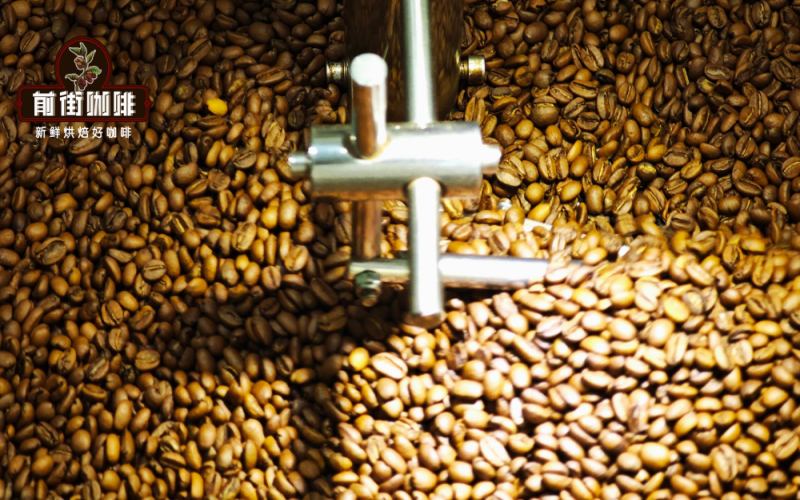
The Origins of Aged Coffee Beans and a Complete Guide to Brewing and Tasting Aged Sumatra Beans
Aged coffee beans are not simply old beans left to sit for many years, but a special processing craft born out of a history of colonial trade. During the Dutch era, Sumatran coffee, in order to supply the European market, underwent long-term storage and shipping that unexpectedly created a unique, mellow and gentle flavor. This article explains in detail the essential difference between aged beans and old beans, the storage conditions and flavor evolution, and includes brewing parameters recommended by Front Street Coffee, to guide you through the rounded, ripe Pu'er-like aged Sumatran coffee with its pine, herbal and caramel sweet finish. [more…]
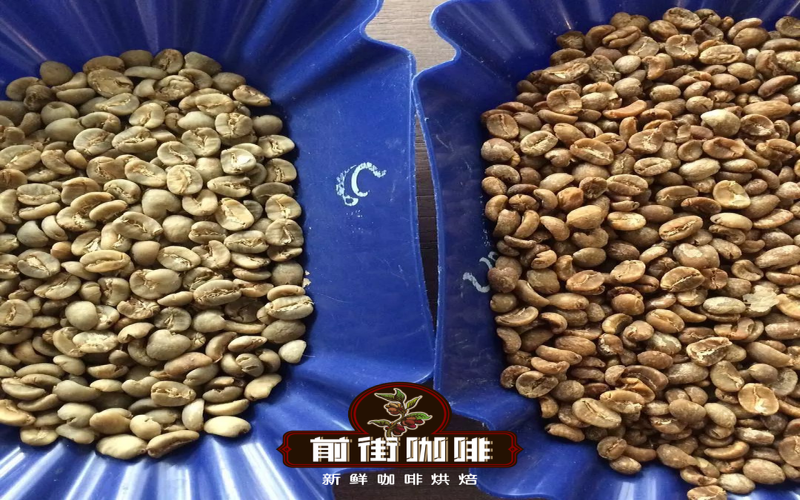
What Exactly Is Aged Coffee? Exploring Green Bean Aging and Flavor Changes Through Sumatra Aged Mandheling
Aged coffee is not simply letting green beans sit until they expire; rather, it is an aging process that demands strict monitoring. This article will introduce you to the processing logic behind aged beans, with a focus on Sumatra Mandheling, the most representative coffee from Asia, covering its origin background, flavor characteristics, and collectible significance. It will also explain the 24-month resting and aging process of Aged Mandheling, as well as Front Street Coffee's roasting and brewing recommendations for this bean—from choosing the KONO dripper to extracting at a low water temperature of 86-88°C—to help you more fully understand why Aged Mandheling is so mellow and captivating. [more…]
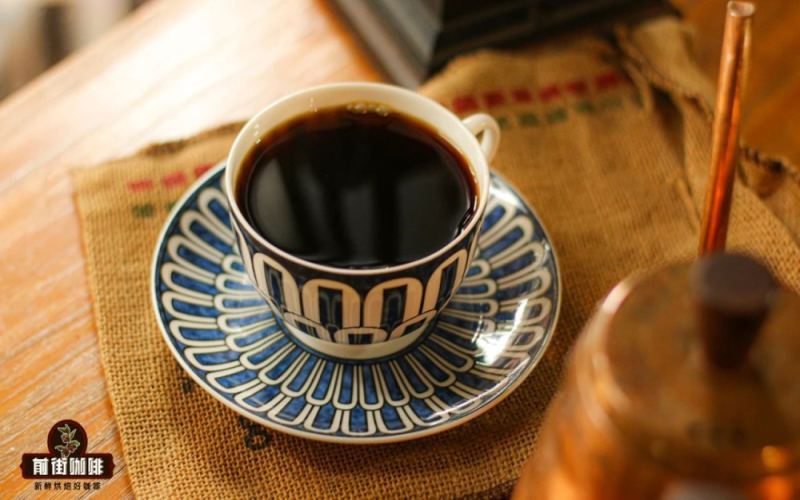
Analysis of Flavor Differences Between Aged and Fresh Mandheling and Front Street Brewing Parameter Recommendations
Mandheling coffee has always been known for its rich, full-bodied intensity, and Aged Mandheling is a special category that, on this basis, takes on a completely different flavor after being tempered by time. It shares similarities with Indian Monsoon Malabar coffee, as both require long-term storage to develop their pleasant, distinctive taste. This article will comprehensively examine the complete picture of Aged Mandheling from multiple angles, including the principles of the aging process, a comparison between aged beans and fresh beans, changes in the appearance and flavor of green beans, and Front Street Coffee's roasting and brewing practices. Whether you are full of curiosity about aged flavors or want to understand how it differs from fresh Mandheling, you will find useful reference in this article. [more…]
An Analysis of the Flavor Differences Between Aged and Fresh Mandheling, Plus Front Street Coffee's Brewing Parameters
Mandheling is a familiar name among coffee lovers, but aged Mandheling, which has undergone long-term storage and maturation, takes on a completely different flavor profile. This article, from the perspective of Front Street Coffee, explains the processing logic behind aged Mandheling, how it should be compared with fresh beans, and fully documents the specific parameters of Front Street's roasting and brewing of this bean. Aging is not simply letting beans grow old, but rather resting and maturing them under strict monitoring at origin, allowing acidity to weaken and body to increase, developing complex notes reminiscent of honey and herbs. The article also provides a KONO dripper brewing method and flavor description, making it a useful reference for readers who want to gain a deeper understanding of aged Mandheling. [more…]
An Analysis of the Unique Processing Method, Flavor Evolution, and Front Street Brewing Parameters of Aged Mandheling
Aged Mandheling is a special type of coffee that has undergone prolonged resting and maturation, giving it a flavor distinct from regular Mandheling. It originated in the era of long maritime shipping, and today it relies on strict warehousing management at the origin to "create" beans with soft acidity, full body, honey-like sweetness, and complex aged notes. In this article, Front Street Coffee will start with the origins and key operational points of the aging process, compare the differences between aged beans and fresh beans, analyze changes in green bean appearance and flavor, and include Front Street Coffee's roasting curve, cupping information, and KONO dripper brewing parameters to help coffee enthusiasts understand this "time-brewed" Mandheling. [more…]
A Complete Guide to the Flavor Characteristics and Aged Processing Method of Sumatra Aged Mandheling Coffee Beans
Aged coffee beans are not simply green beans left to grow old; rather, they are a long-term maturation process that requires strict control of temperature and humidity and regular turning. Among Asian coffee-producing regions, Mandheling from Sumatra, Indonesia, has always been known for its rich, bold character, and aged Mandheling that has rested for several years in cellars or warehouses further softens the fruit acidity, enhances body, and brings out a complex finish reminiscent of caramel, cocoa, nuts, and spices. This article systematically sorts out the processing logic of aged beans, the main producing areas of Sumatra, and the naming classifications of Mandheling, and shares Front Street Coffee's roasting and brewing suggestions for aged Mandheling, helping coffee lovers fully understand the appeal of this bean. [more…]
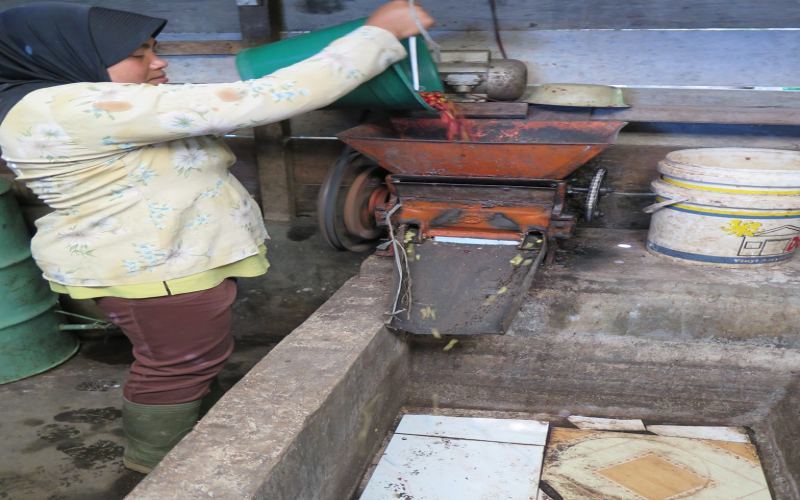
The Truth About Aged Coffee Beans: Must They Be Stored for Over Three Years to Be Called Aged? How Are They Different from Monsoon Beans?
Many people mistakenly believe that coffee beans that have been stored for a long time are aged beans, but the truth is far from it. True aged coffee beans need to be stored for three to five years in a temperature- and humidity-controlled environment, with regular turning and inspection, in order to develop that mellow, sweet-aftertaste quality reminiscent of Pu'er tea. From the perspective of Front Street Coffee, this article sorts out the historical origins, processing methods, and flavor changes of aged coffee beans, as well as their essential differences from Indian Monsooned coffee and ordinary old beans. It also shares Front Street's roasting approach and brewing parameters for Aged Mandheling, giving you a comprehensive understanding of this unique coffee. [more…]
Exploring Aged Mandheling: The Flavor Development Journey from Green Bean Storage to Roasting and Brewing
Mandheling is a classic regional flavor that coffee lovers can't avoid, and aged Mandheling is an extremely unique presence among them. It is not simply left to become stale; rather, it undergoes a 24-month resting and aging process under strictly controlled storage conditions, allowing its originally sharp acidity to gradually soften, while its body and sweetness are significantly enhanced. This article will guide you through the ins and outs of the aging process, its essential differences from fresh beans, and the changes in the appearance and flavor of green beans, while also sharing Front Street Coffee's roasting curve and pour-over brewing method, helping you brew a cup of aged Mandheling interwoven with herbal and caramel notes at home. [more…]
An In-Depth Analysis of Aged Mandheling: A Complete Flavor Guide from Green Bean Storage to Roasting and Brewing
I've tried quite a few Mandhelings, but aged Mandheling is a special existence that requires time to craft. It draws on the idea of Indian monsoon coffee: the green beans must be quietly aged in a ventilated, cool warehouse environment for 24 months, during which they are regularly turned to prevent mold and insect damage, consuming a great deal of labor. After this treatment, the beans' acidity is greatly reduced, their body is significantly improved, and their sweetness carries a honey aroma, with a flavor profile completely different from fresh beans. This time, Front Street Coffee used Sumatra Typica as the sample, roasting it medium-dark with 550g batch size in a Yangjia 800N roaster, and completed brewing with a KONO dripper at 88°C water temperature, ultimately presenting a cup that interweaves herbs and caramel. This article will fully break down the story behind this unique Mandheling, from the principles of the aged processing method, changes in the appearance of the green beans, details of the roasting curve, to the brewing parameters. [more…]
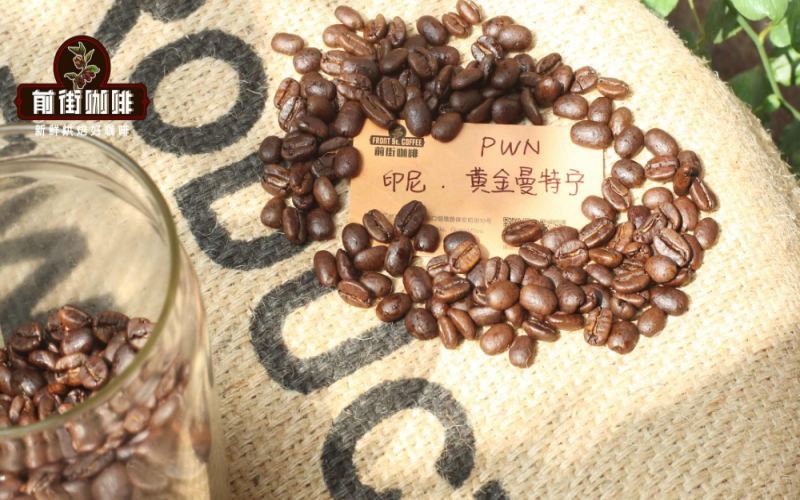
An In-Depth Analysis of Aged Mandheling: Wet-Hulling, Aged Bean Craftsmanship, and a Flannel Brewing Guide
Aged Mandheling is one of the most distinctive Indonesian coffees. It not only carries the unique wet-hulling tradition of Sumatra, but also undergoes a mellow transformation bestowed by time. This article will provide a complete overview of this coffee's story, from its growing region background, the origins and steps of the wet-hulled process, the storage logic of aged beans, the changes in green beans, and key roasting points, to the practical pour-over operation using a flannel filter cloth. Front Street Indonesian Aged Mandheling serves as an example throughout the article, helping coffee enthusiasts understand why Aged Mandheling is less wild and more composed, and how to present its best flavors through proper extraction methods. [more…]

A Complete Guide to Aged Sumatra Mandheling Coffee Beans: Is Aged Coffee Safe to Drink and How to Brew It
Sumatra Mandheling is renowned worldwide for its rich, full-bodied, and intense flavor, and among these, the specially aged versions are a unique existence. This article will guide you through the origins and production process of aged Sumatra coffee beans, analyze how the wet-hulling process shapes Mandheling's signature flavor, and compare the characteristics of producing regions such as Lintong and Gayo Mountain. Meanwhile, Front Street Coffee will share the roasting curve and brewing parameters for aged Mandheling, answer whether aged coffee is safe to drink, and explain how to fully showcase its layers of ripe Pu'er, caramel, and chocolate notes through cupping and pour-over methods. Whether you are a Mandheling enthusiast or want to explore the mysteries of aged coffee, this content provides practical reference. [more…]
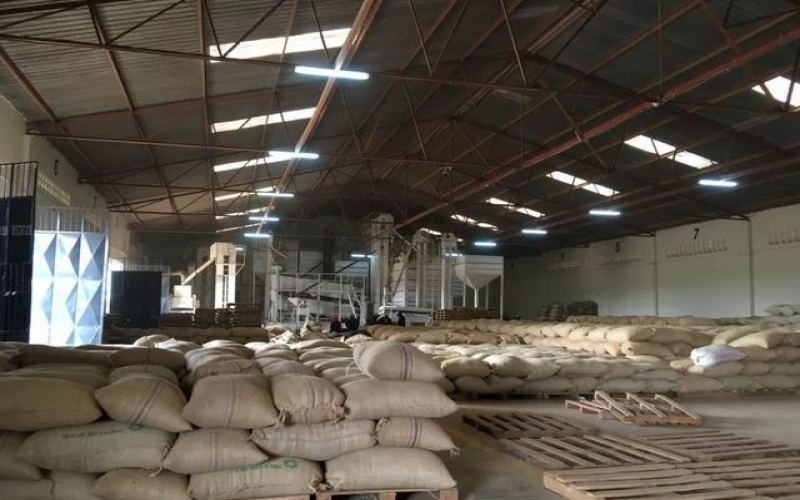
Aged Mandheling Flavor Analysis: A Complete Guide to Proper Brewing, Market Prices, and Differences from Golden Mandheling
Aged Mandheling, through its unique aging process, presents a rich, mellow flavor completely different from fresh coffee—with soft fruit acidity, prominent sweetness, and a thick mouthfeel—making it one of the most recognizable categories in Indonesian coffee. This article begins with the origins of the aging method, sorts out its essential differences from regular fresh beans, analyzes the flavor and appearance changes of green beans during long-term storage, and focuses on comparing the differences between Aged Mandheling and Golden Mandheling. It also introduces Front Street Coffee PWN Golden Mandheling's producing region, grade, and screening standards, helping coffee lovers clarify key points for purchasing, recognize the PWN trademark, and drink truly high-quality specialty coffee from Sumatra. [more…]
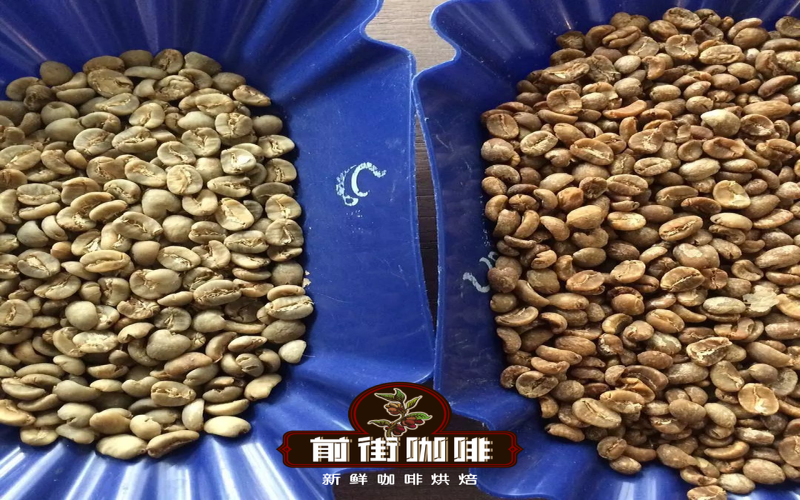
The Mark of Time on Aged Mandheling: From the Sumatran Tiger to a Cross-Century Coffee Legend
Sumatra's Mandheling coffee is Indonesia's most recognizable coffee category. On this land famous for the Sumatran tiger, coffee beans undergo wet-hulling and long sea voyages, giving rise to the unique category of Aged Mandheling. Front Street Coffee offers five products: Lintong, Golden, Tiger, Aged, and Sun-Dried Mandheling, covering different producing regions and processing methods. This article will guide you through the flavor characteristics and brewing parameters of each Mandheling, as well as the historical origins and roasting logic behind aged coffee. [more…]
A Complete Analysis of Indonesian Aged Mandheling Wet-Hulled Method: From Accidental Aging to Golden Mandheling, A Front Street Coffee Brewing Guide
In the world of specialty coffee, freshness is usually regarded as the key to quality, yet Indonesia's aged Mandheling has won the favor of coffee lovers with a completely different stance. This coffee bean, known for its "expired" name, holds behind it a story of colonial-era shipping and a unique aging process. This article will explore in depth the origins of aged Mandheling, the characteristics of the wet-hulling process, and how it differs from Golden Mandheling, and, using Front Street Coffee's Golden Mandheling as an example, share how to brew a rich, full-bodied Mandheling black coffee at home. Whether you are a beginner just getting to know Mandheling or a seasoned connoisseur seeking advanced techniques, you will gain practical knowledge and inspiration from it. [more…]
How Is Aged Mandheling Coffee Processed? A Full Analysis of Wet-Hulling, Flavor Changes, and Differences from Golden Mandheling
Mandheling is the most iconic coffee of Sumatra, Indonesia, while aged Mandheling is a special product that undergoes long-term storage on top of the wet-hulling process. This article starts with the distribution of producing regions, then provides a detailed breakdown of the complete wet-hulling process and the climate and economic logic behind it, before explaining the principles of aged bean processing and the flavor transformation mechanism. The article also compares the differences between aged Mandheling and Golden Mandheling in terms of acidity, body, and texture, and includes the roasting curve for Front Street Aged Mandheling along with a step-by-step guide to flannel pour-over brewing. It is suitable for enthusiasts who want to gain a deeper understanding of Indonesian coffee processing methods. [more…]
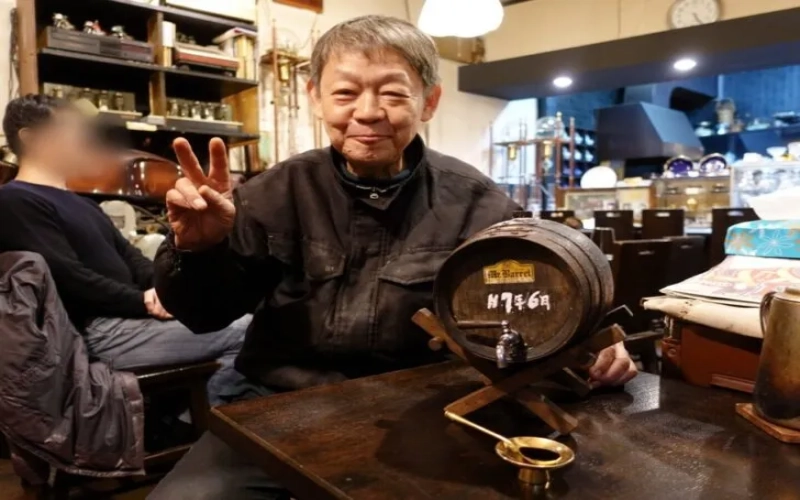
Unveiling Japan's Most Expensive Coffee: Aged 35 Years in Wooden Barrels, the Masterpiece of Mr. Tanaka's Dedication in Yao, Osaka
What is the most expensive coffee you've ever had? In Yao City, Osaka, there's a self-roasting shop called "The Münch," selling the most expensive coffee in all of Japan—the "Phantom Creation" low-temperature, long-term aged coffee. This coffee is made from aged beans stored for 15-30 years, deeply roasted, brewed with a flannel drip to create a 1:1 super-concentrated extract, then placed into special coffee wooden barrels and aged in a -3°C cold storage for 20-30 years. By that calculation, even the youngest coffee in the barrel has gone through 35 springs and autumns. 40ml sells for 100,000 yen, with a tasting price of 2,000 yen. What exactly does it taste like? And what kind of persistent shop owner stands behind it? Let's step together into Mr. Tanaka's world of coffee. [more…]
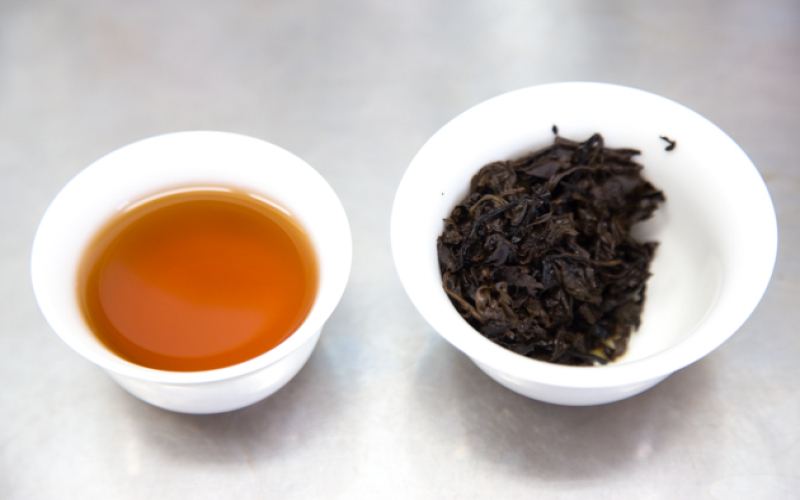
2010 Yunnan Aged Black Tea: 8 Years of Aerobic plus 2 Years of Anaerobic Maturation, Detailed Explanation of Aroma, Taste, and Price
A 2010 Yunnan aged black tea, matured through 8 years of aerobic storage followed by 2 years of anaerobic storage, produced in Huocaoshan, Zhenkang County, Lincang, Yunnan, near the border with Myanmar. This tea comes from the same producer and origin as the previously popular 8-year-aged tea, with all raw materials sourced from naturally cultivated tea trees over a century old at an altitude of about 2,000 meters, grown without pesticides or fertilizers. Due to the slow growth of natural cultivation, the yield is less than a quarter of that of ordinary tea gardens, and the tea leaves are exceptionally rich in polyphenols and minerals, with a long-lasting aftertaste where sweetness slowly spreads deep in the throat. After anaerobic maturation, the aroma becomes more intense, combining the character of black tea with the smooth, refreshing charm of ripe Pu'er. This article will detail its aroma and taste characteristics, brewing suggestions, and a price reference for authentic 10-year-aged Dianhong black tea in 500-gram quantities, suitable for readers who enjoy aged teas. [more…]
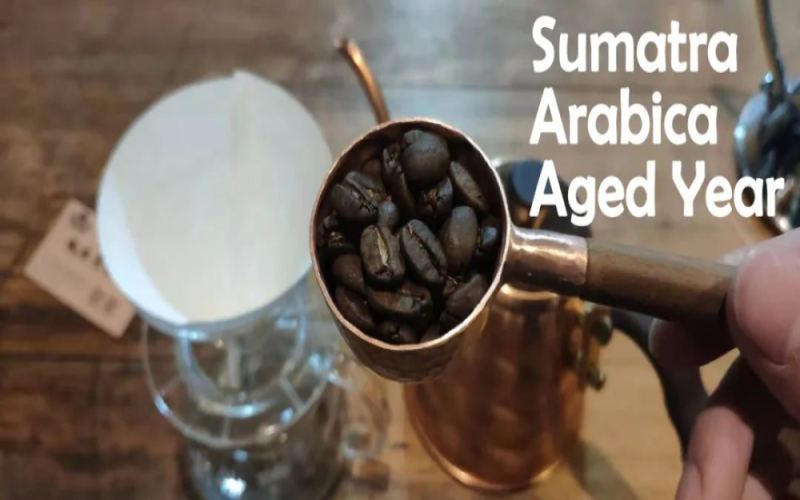
Analysis of the Origin of Indonesian Wet-Hulled Mandheling: Flavor Differences Between Aged and Golden Mandheling and Key Points for Pour-Over Brewing
Mandheling is the representative of Indonesian coffee, but did you know it also has Aged and Golden varieties? This article starts from the origin and processing method, first introducing how the wet-hulling method shapes the mellow base of Mandheling, then separately analyzing the accidental origin and standardized aging process of Aged Mandheling, as well as the strict screening standards of PWN Golden Mandheling. At the same time, Front Street Coffee shares pour-over parameters and a three-stage pouring technique for dark-roasted Mandheling, helping you brew a cup of Mandheling black coffee with full aroma and long-lasting sweetness at home. [more…]
Exploring Aged Mandheling: A Comprehensive Analysis of Its Historical Origins, Aging Process, and Unique Flavor
In the mainstream pursuit of fresh coffee, Aged Mandheling stands out uniquely as an "expired" coffee. This special coffee originating from Sumatra, Indonesia, first acquired its unique flavor by accident during long sea voyages in the colonial era, and later evolved into a standardized aging process. This article traces the historical origins of Aged Mandheling, explains in detail its complete process from wet-hulling to warehouse aging, analyzes its differences from Golden Mandheling, and shares Front Street Coffee's cupping flavor description and pour-over parameter suggestions, giving you a comprehensive understanding of this rich and captivating classic coffee. [more…]
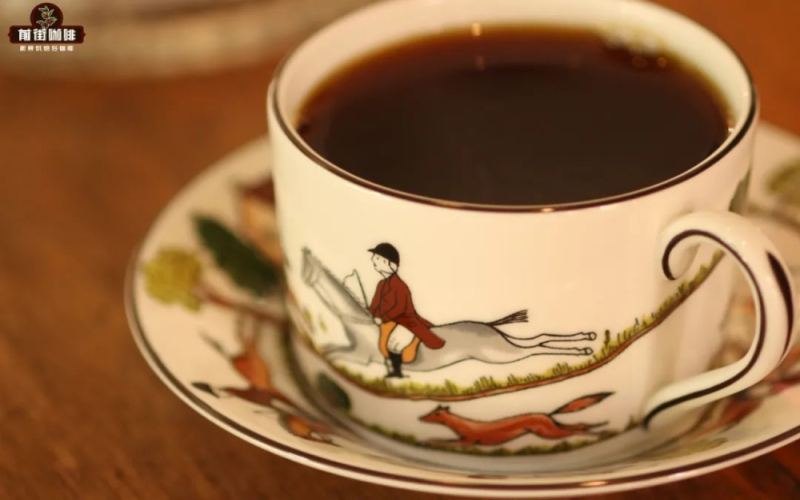
Exploring the Flavors of Sumatra Mandheling Coffee: From Wet-Hulling to Lintong, Golden, Tiger, and Aged Mandheling
Mandheling is known for its rich, full body and herbal, medicinal notes, but this Sumatra classic is not just one coffee. Among the Mandheling series sourced by Front Street Coffee, besides Golden Mandheling, there are also Lintong, Tiger, and Aged Mandheling, each representing a different flavor direction. This article begins with the history of Indonesian coffee, sorts out the origin of the name Mandheling, the process differences between wet-hulling and aged wet-hulling, and explains in detail the characteristics of Lintong, Golden, Tiger, Aged, and Wahana Estate sun-dried Mandheling. It also includes Front Street Coffee's roasting suggestions and brewing parameters to help coffee lovers understand the flavor landscape of Sumatran coffee more systematically. [more…]