







What Makes Aged Mandheling Coffee Different?
Aged Mandheling is not green coffee simply left to sit. The beans are processed first, then stored for years under controlled temperature and humidity with regular turning, which softens fruit acidity, builds body and adds aftertastes of caramel, cocoa, nuts and spice. Mandheling itself comes from Sumatra and is known for its rich, earthy character.
The Malay Archipelago covers Sumatra, Java and Kalimantan, and the java coffee origin story sits in the same island group. Mandheling appears under trade names such as Sumatra Coffee Mandheling DP Grade 1 and Reserve Sumatra Mandheling, the latter rested in cellars for three years before export. Grade 1 lots show very low acidity and a long finish.
Aged coffee beans are not simply green beans left to grow old; rather, they are a long-term aging process that requires strict control of temperature and humidity, along with regular turning. Among Asian coffee-producing regions, Mandheling from Sumatra, Indonesia, has long been renowned for its rich, robust character, and Aged Mandheling, after being rested in cellars or warehouses for several years, further softens the fruit acidity, enhances body, and brings out complex aftertastes reminiscent of caramel, cocoa, nuts, and spices. This article will systematically sort out the processing logic of aged beans, the main producing areas of Sumatra, and the nomenclature classification of Mandheling, and share Front Street Coffee's roasting and brewing suggestions for Aged Mandheling, helping coffee enthusiasts fully understand the charm of this bean.
For more specialty coffee knowledge, please follow the WeChat public account: Front Street Coffee (FrontStreet Coffee)
Aged bean processing method
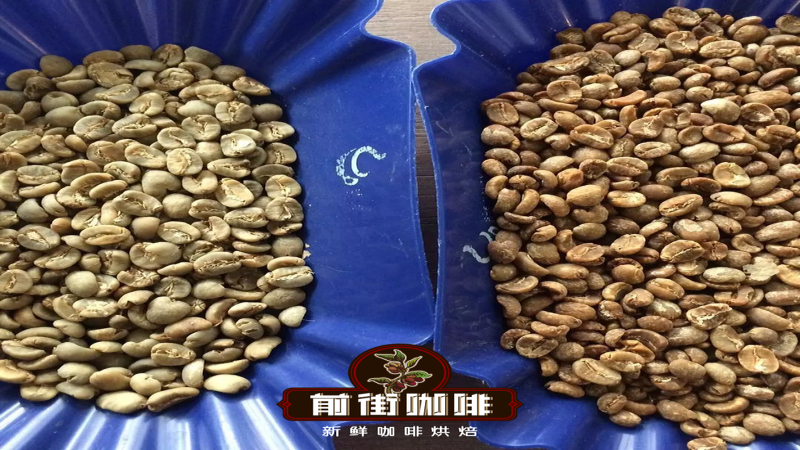
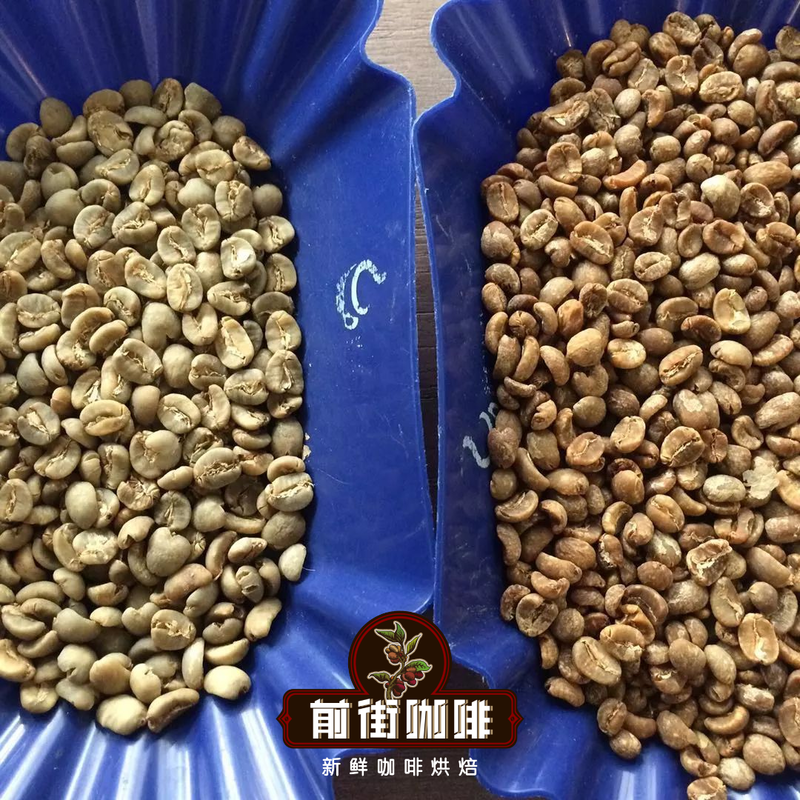
Aged coffee beans do not mean simply leaving green coffee beans to grow old; this approach is not advisable. Green beans stored too long will also deteriorate: the original fresh bluish-green gradually fades to white, then turns yellow, the flavor is completely lost, and pests may even breed. Similar to the logic of aged liquor, green beans must first undergo proper processing and then enter a long-term storage stage before they qualify to be called true [aged coffee].
The most famous coffee-producing region in Asia is the many islands of the Malay Archipelago: Sumatra, Java, and Kalimantan. Among them, Mandheling coffee, represented by Indonesian Sumatra coffee, is the most renowned. It has two famous trade names: Sumatra Coffee Mandheling DP Grade 1 and Reserve Sumatra Mandheling. Sumatra Coffee Mandheling DP Grade 1 has a long finish, with a wild mountain fragrance—the unique earthy scent of primitive forests. The richness of Mandheling is actually a very masculine feeling.
High-quality Grade 1 Mandheling coffee has very low acidity, like the slight tartness of flowers and fruit. In addition to the rich flavor unique to Indonesian coffee, it also has a bittersweet taste, making it highly popular among those who enjoy heavily roasted coffee. Reserve Sumatra Mandheling coffee is called "Reserve" because it is stored in cellars for three years before export. But reserve coffee is by no means stale coffee; rather, it is slightly pale coffee that has undergone special processing. This coffee is more intense, with lower acidity, but higher body and a longer finish, along with a strong spice note—sometimes tart, sometimes walnut-like, sometimes chocolate-like. Before Blue Mountain coffee was discovered, Mandheling was once regarded as the finest of coffees. Interestingly, although Indonesia produces some of the world's richest coffees, Indonesians prefer Turkish-style coffee.
Indonesia's Sumatra islands produce coffee, and because of their unique geographical location, climate environment, and latitude and longitude, they are abundant in coffee. Indonesian coffee has relatively high body, weak acidity, and strong aroma. The more famous coffee comes from the Lintong region, and Front Street Indonesia Mandheling is grown here.
Mandheling is also a representative of Indonesian coffee. It is worth mentioning that some coffee enthusiasts like the so-called "Manba coffee," which is a blend of Mandheling and Brazilian coffee. To taste "Manba coffee," Front Street Classic Blend is the first choice. This is a recipe that adds a small amount of robusta to an old-fashioned combination, with the aim of enhancing the coffee's oils while making extraction more stable.
The main producing areas are Sumatra, Java, and Sulawesi. Of these, 90% are Robusta, and their quality is considered the best in the world. Sumatra is most famous for the rich, smooth, top-grade "Mandheling." In addition, "Gayo Mountain" is also produced in the north of the island, while Java's "Java Arabica" has good-quality acidity and is especially favored by the Dutch. Sulawesi produces large-bean "Kalosi," and representatives include "Toraja" produced in the Traja area of the southwestern mountainous region (1,200 meters above sea level).
Aged Mandheling Aged mandheling
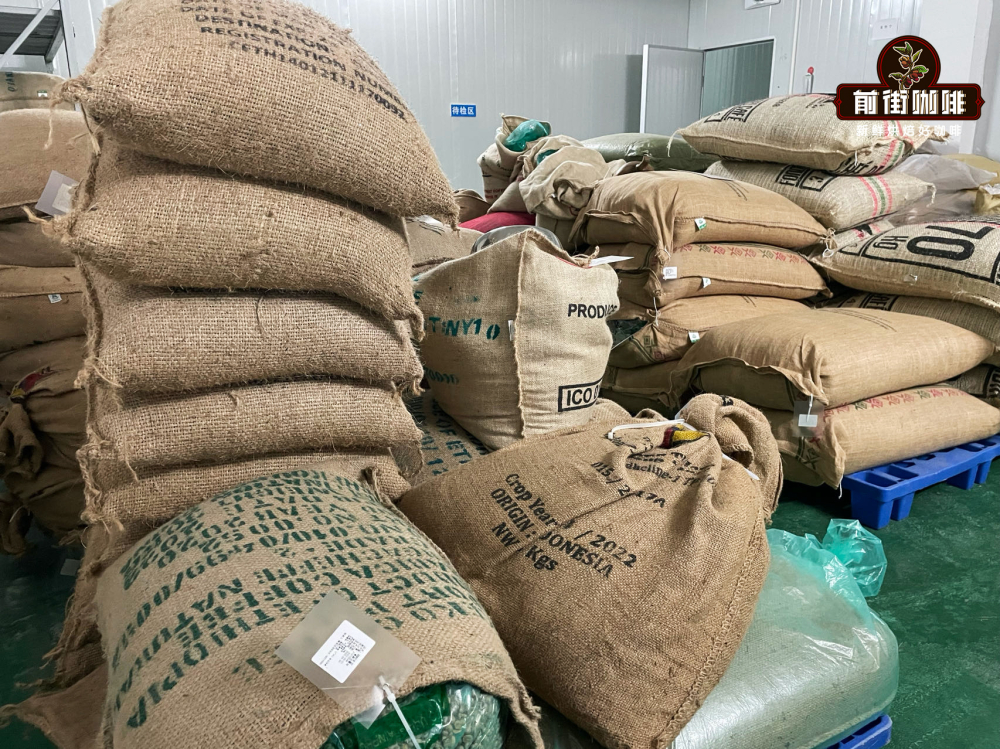
After a long period of aging, Mandheling's fruit acidity not only becomes soft and gentle, but its body and unique flavor can also perform amazingly on the palate—this is the charm of Aged Mandheling. Coffee farmers select excellent-quality green beans and then, under strict monitoring standards, subject them to 24 months of resting and aging. During the waiting period, they regularly turn the green beans in the storage bins to prevent dampness and mold. The process is extremely labor-intensive, and it also creates this Aged Mandheling with a richer, more lasting flavor.
Front Street Coffee (FrontStreet Coffee)'s tips on Aged Mandheling~
Front Street Coffee (FrontStreet Coffee) recommends roasting Aged Mandheling to a medium-dark roast, grinding away the bean's fruit acidity and highlighting Aged Mandheling's caramel sweetness as well as cocoa and nut flavors. When brewing, Front Street Coffee (FrontStreet Coffee) recommends using a KONO dripper or a trapezoidal three-hole dripper for extraction. The immersion extraction method can very well express the bean's rich mouthfeel, as well as its caramel sweetness and balanced flavor. As for the choice of brewing water temperature, since Aged Mandheling is a medium-dark roasted bean, Front Street Coffee (FrontStreet Coffee) recommends using a lower water temperature, namely 86-88°C, for brewing; the grind can be made slightly coarser, that is, medium grind, to reduce the occurrence of over-extraction during brewing; for the brewing coffee-to-water ratio, Front Street Coffee (FrontStreet Coffee) recommends choosing a smaller ratio, namely 1:13-1:14, which can better highlight Aged Mandheling's rich, full-bodied mouthfeel.
The above content is compiled by CoffeeHunters, a coffee news website.


