








Are Aged Sumatra Mandheling Coffee Beans Safe to Drink?
Aged Sumatra Mandheling coffee beans are safe to drink, and the aging process deepens rather than spoils the cup. Mandheling is grown in the mountains of Sumatra, where the wet-hulling method shapes a viscous body, hidden acidity, and herbal or wild mushroom aroma. Aged versions layer in ripe pu-erh, caramel, and chocolate notes that show clearly through cupping and pour-over brewing.
In Indonesia, robusta accounts for about 90% of coffee grown, and Indonesia robusta coffee beans differ from the 10% Arabica that comes mainly from the Lintong region around Lake Toba and the Gayo highlands in Aceh. Harvest runs roughly September to October for the main crop and May to June for the fly crop, giving drinkers a choice across daily drinker, Golden, and Tiger Mandheling lots.
Sumatra Mandheling is renowned worldwide for its rich, intense flavor, and the specially aged version is a unique existence among them. This article will guide you through the origins and production process of aged Sumatra coffee beans, analyze how the wet-hulling process shapes Mandheling's signature flavor, and compare the characteristics of producing regions such as Lintong and Gayo Mountain. At the same time, Front Street Coffee will share the roasting curve and brewing parameters for aged Mandheling, answer whether aged coffee is safe to drink, and explain how to fully showcase its layered notes of ripe pu-erh, caramel, and chocolate through cupping and pour-over methods. Whether you are a Mandheling enthusiast or want to explore the mysteries of aged coffee, this content can provide practical reference.
For more specialty coffee knowledge, please follow the WeChat public account: Front Street Coffee (FrontStreet Coffee)
Mandheling produced in the mountains of Sumatra is renowned worldwide, with a rich and solid mouthfeel. Unlike East African coffees with their wine-like character, beans from Sumatra and New Guinea present a completely different profile: a viscous body, acidity hidden deep within intricate flavors, a somber and intense herbal or wild mushroom aroma, and a long, sweet finish in the throat after swallowing. Front Street Coffee (FrontStreet Coffee) currently offers 4 Mandheling coffees. If you want to experience the authentic flavors of the Indonesian producing region, you can choose the Mandheling daily drinker from the Lintong region; for a clean, rich, and sweet finish, you can choose Golden Mandheling coffee; if you prefer a prominent aroma, Tiger Mandheling coffee is a good choice; and if you want to experience a richer, fuller texture, you might try aged Mandheling coffee beans. Next, Front Street will explain in detail what aged Mandheling coffee beans are.
Sumatra Coffee Beans
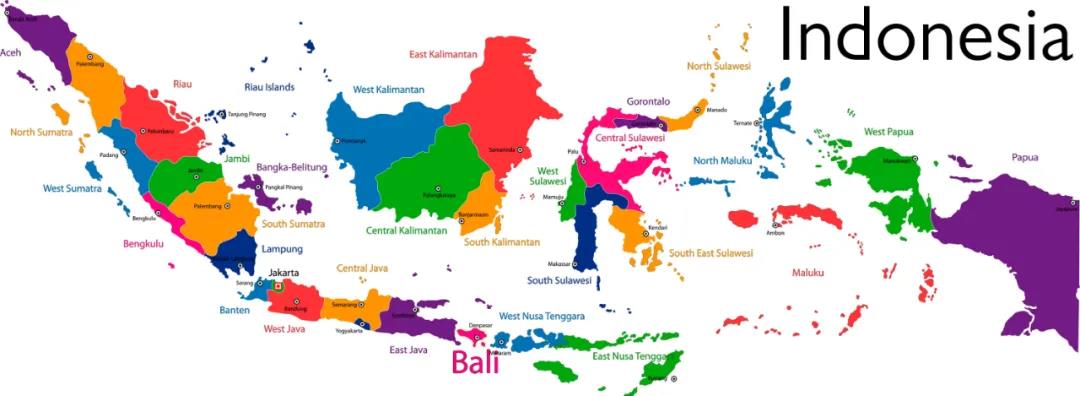
Among the coffee grown in Indonesia, Robusta varieties account for 90%, and the remaining 10% Arabica mainly comes from the Lintong region around Lake Toba and the Gayo highlands in Aceh, Sumatra. Indonesia usually has two harvest seasons: the main crop is roughly from September to October, and the fly crop is from May to June. Lake Toba Lintong Region: Lake Toba is located north of Medan, the capital of North Sumatra Province. It is an alpine freshwater lake with an average elevation of about 900 meters. The lake is diamond-shaped, 100 kilometers long and 30 kilometers wide, with an area of 1,130 square kilometers. The average elevation of the surrounding highland lake area ranges from 1,100 to 1,600 meters, and it is also the world's largest volcanic lake. What is commonly called Mandheling refers to Typica or its variants grown in the mountains around Lake Toba, among which Lintong is the most famous Mandheling producing region in the Lake Toba area. Lintong Mandheling is the regular version of Mandheling.
Aceh Gayo Mountain Producing Region:
The Gayo mountain range area is located in Aceh Province in northern Sumatra, where coffee is grown on hillsides around the town of Takegon and Lake Tawar. The average growing elevation of the production area is between 1,110 and 1,600 meters. Coffee is grown by smallholders under shade trees and processed using the wet-hulling method, exhibiting a unique flavor, with a deep yet lively full-bodied richness. Aceh is located at the northernmost tip of Sumatra and is a fascinating yet complex region. Due to long-term political instability, Aceh is not a place that ordinary people would visit.
Wet-Hulling Process
The local weather is mostly rainy, with frequent typhoons, which cannot meet the good weather conditions required for natural sun-drying. At the same time, the local economic conditions are poor, making it difficult to afford the higher-cost washed method. Combined, these factors gave rise to the highly regional wet-hulling process (that is, during the washing process, the beans are sun-dried with parchment for 2 to 3 days, and when the moisture content drops to 20-24%, the parchment is removed). The wet-hulling process is extremely fast, which also leads to a relatively higher defect rate in Mandheling, while Front Street Golden Mandheling does an excellent job of avoiding this flaw.
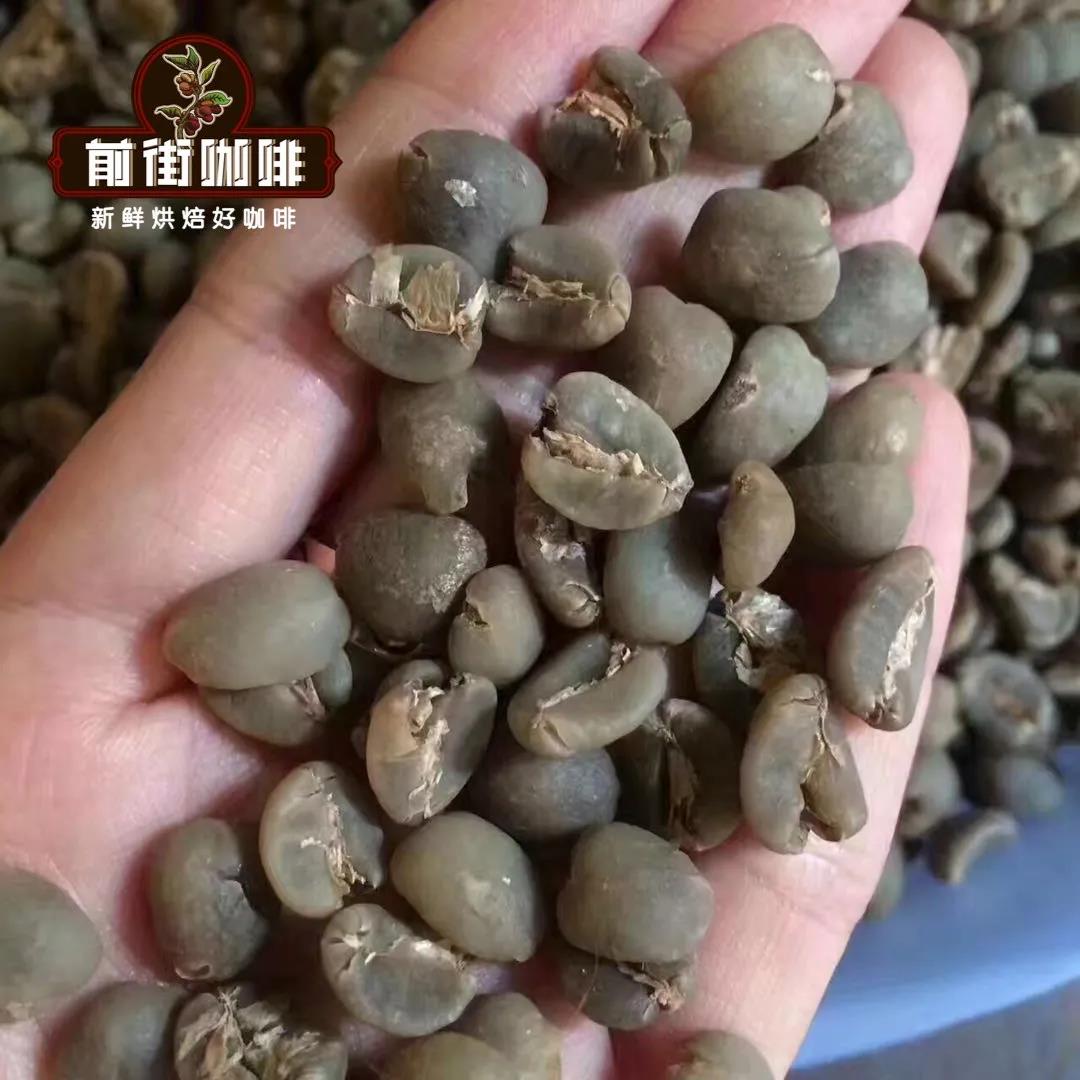
Because the half-hard, half-soft moist raw beans are easily squeezed when the mucilage parchment layer is removed, the beans crack under pressure and take on a shape resembling a sheep's hoof, commonly known as sheep-hoof beans. These are not defective beans; on the contrary, they can be said to be a very prominent characteristic of Mandheling. Front Street Coffee (FrontStreet Coffee)'s Golden Mandheling is graded at 19 screen or above, with fewer than 3 defective beans (in a 300g raw bean sample), belonging to the highest grade G1. The color is darker green, and the shape is neat flat beans. Front Street Lintong Mandheling and Front Street PWN Golden Mandheling, processed with the wet-hulling method and given a medium-dark roast, both feature low acidity, high body, and an overflowing rich aroma, presenting flavors of herbs, pine wood, and spices.
What Are Aged Sumatra Coffee Beans?
"Aged Sumatra" is a type of bean that has undergone special processing. Aged Mandheling actually has a long history in Indonesia. In earlier times, shipping was not sufficiently developed, and coffee took a considerable amount of time to be transported from Indonesia to other countries. As time passed, the originally moisture-rich fresh coffee beans gradually dried, and combined with the attack of sea breezes, a very special flavor was added.
The progress of modern shipping has greatly shortened transportation time, so this specially flavored coffee has become a specially processed coffee bean. Aged Sumatra coffee beans are not simply raw coffee beans that have been left for a long time; that will not work! This is because raw coffee beans will also spoil if left for too long, changing from fresh green to white, then to yellow, becoming bland and tasteless, and even growing insects. Like aged alcoholic beverages, raw beans must undergo proper processing and long-term storage before they can truly be called [aged coffee].
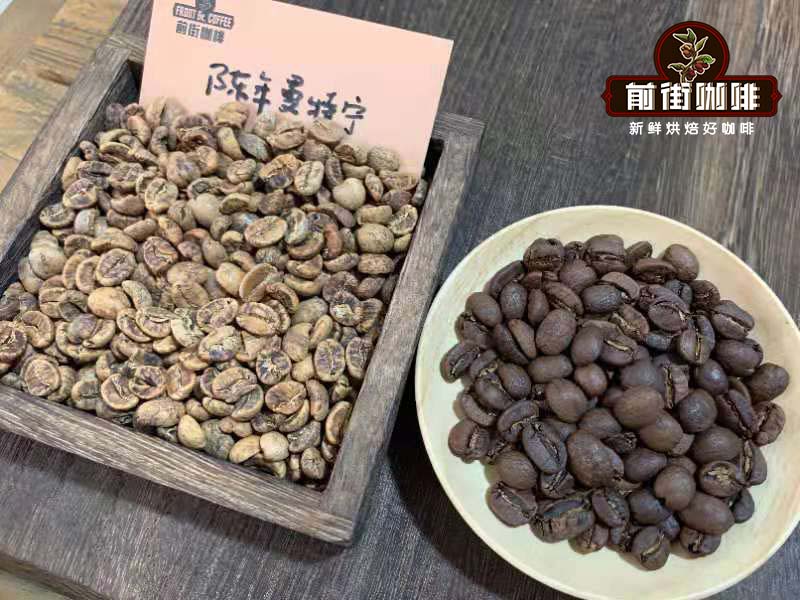
Front Street Aged Mandheling Producing Region: Sumatra Altitude: 1,500 meters Varieties: Caturra, Typica Processing Method: Wet-Hulling
How Are Coffee Beans Aged?
In recent years, aging processing has become quite mature. The coffee beans first undergo the wet-hulling process (that is, during the washing process, they are sun-dried with parchment for 2-3 days until the moisture content reaches 20-24%, and finally the parchment is removed so the raw beans dry to a moisture content of 12-13%), and are then sealed and stored in a warehouse. The warehouse environment must be cool and well-ventilated, and the beans must be turned regularly to prevent mold and spoilage, and stored for 2-3 years. During this period, the acidity of the coffee beans will slowly weaken and convert into sugars, and the color will also become deep, mostly yellowish-brown or dark brown, very recognizable. Through cupping, Front Street Coffee (FrontStreet Coffee) believes that aged Mandheling has less of the wildness of traditional Mandheling in the mouthfeel, and more richness and delicacy, with a sense of mature steadiness and lower acidity.
Front Street Coffee (FrontStreet Coffee) Roasting Recommendations for Aged Mandheling Coffee Beans
Front Street Coffee (FrontStreet Coffee) recommends paying attention during roasting: because Mandheling raw beans are high in density and aged beans have less moisture, heat adjustments at each stage must be made with special care so as not to scorch the oils on the surface of the raw beans. Since aged Mandheling has low, gentle acidity, Front Street Coffee (FrontStreet Coffee) recommends roasting to a medium-dark level to increase its purity and rounded mouthfeel.
Front Street's roaster uses a Yangjia 800N with a bean charge of 480g. When the temperature reaches 200°C, the beans are added, the airflow is set to 3, and after 1 minute the heat is adjusted to 160°C with the airflow unchanged. Roast until 5'35'', at 146°C, when the bean surface turns yellow, the grassy smell completely disappears, and dehydration is complete. Adjust the heat to 140°C and change the airflow to 4; at 8'10", ugly wrinkles and dark streaks appear on the bean surface, and the toast aroma clearly turns into coffee aroma, which can be defined as the prelude to first crack. At this time, listen carefully for the sound of the first crack point. At 9'30", first crack begins. Reduce the heat to 80°C, set the airflow to 5, and drop the beans at 197.5°C. Front Street Coffee (FrontStreet Coffee) Cupping Report for Aged Mandheling Coffee Beans
Front Street Coffee (FrontStreet Coffee) conducts cupping within 8-24 hours after the sample coffee beans are roasted. The cupping bowls generally used by Front Street Coffee (FrontStreet Coffee) baristas have a capacity of 200ml, with scale lines at 150ml and 200ml. According to SCAA standards, the TDS of the water is about 150ppm. Too low a TDS can easily cause over-extraction, while too high a TDS will affect the taste and easily cause under-extraction. The water temperature used for cupping is 94°C. The grind size is controlled so that the passing rate through a No. 20 standard sieve (0.85 mm) is 70%-75%. Ratio: 11 grams of coffee grounds plus 200 milliliters of hot water, that is, 1:18.18, so that the extracted concentration falls exactly within the golden cup range of 1.15%-1.35%. The steeping time is 4 minutes.
Dry Aroma: Herbal Wet Aroma: Chocolate Flavor: Ripe pu-erh, herbs, caramel, chocolate, low acidity
Front Street Coffee (FrontStreet Coffee) Brewing Recommendations for Aged Coffee Dripper: Kono
Recommended Water Temperature: 87-88°C
Grind Size: Fuji Royal Ghost Teeth 4.5 (coarse sugar size)
Coffee-to-Water Ratio: 1:15
Dose: 15 grams
Front Street Coffee (FrontStreet Coffee) Brewing Method: Use 30 grams of water for a 30-second bloom, then pour in a small stream in a circular motion until 125 grams for a staged pour. When the water level is about to expose the coffee bed, continue pouring until 225 grams and stop pouring. When the water level is about to expose the coffee bed again, remove the dripper. (Start timing from the beginning of the bloom.) The extraction time is 2'00''.
Brewed Flavor: Aromas of pine wood, malt, and caramel rush forth. In the mouthfeel, there is less of the wildness of traditional Mandheling and more richness and delicacy, with a sense of mature steadiness, lower acidity, and on the palate notes of ripe pu-erh, caramel, herbs, and chocolate, with abundant sweetness.
The above content is compiled by CoffeeHunters, a coffee news website.


