







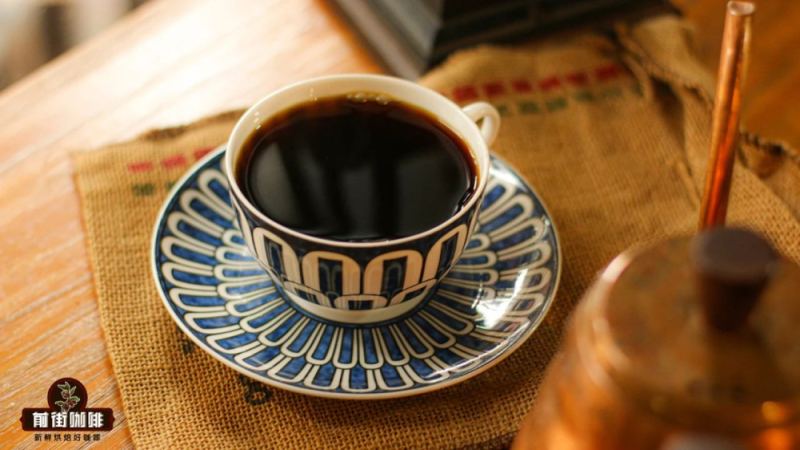
How Does Green Coffee Bean Aging Change Mandheling Flavor?
Aged Mandheling is made by storing green coffee beans for 24 months in a ventilated, cool warehouse, turned regularly to prevent mold and insect damage. The method borrows from Indian Monsooned coffee. Over that time the bean's acidity drops significantly, body increases markedly, and the sweetness takes on a honey aroma, so the cup tastes quite different from fresh Mandheling.
A Sumatra Typica sample was roasted on a Yangjia 800N roaster with a 550g charge weight to a medium-dark level, then brewed through a KONO dripper at 88°C. The cup showed herbal and caramel notes. The long storage is labor-intensive and risky: handled poorly, the green coffee can rot or attract pests, which is why aged lots stay limited.
I've had plenty of Mandheling, but aged Mandheling is a special existence that requires time to craft. It borrows from the concept of Indian Monsooned coffee — the green beans must quietly mature for 24 months in a ventilated, cool warehouse environment, turned regularly during this period to prevent mold and insect damage, consuming an enormous amount of labor. After this treatment, the bean's acidity drops significantly, body increases markedly, and the sweetness carries a honey aroma — the flavor direction is completely different from fresh beans. Front Street Coffee this time used Sumatra Typica as the sample, roasted with a Yangjia 800N roaster at 550g charge weight for a medium-dark roast, and brewed with a KONO dripper at 88°C water temperature, ultimately presenting a cup that interweaves herbal and caramel notes. This article will break down the complete story behind this unique Mandheling, from the principles of the aging process, changes in green bean appearance, roasting curve details, to brewing parameters.
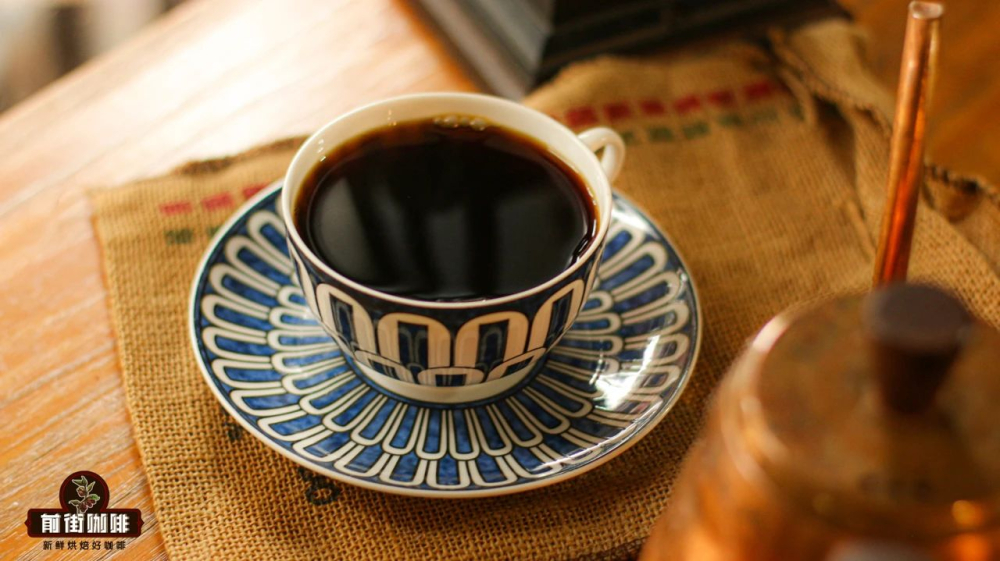
For more specialty coffee content, follow our WeChat official account: Front Street Coffee
Front Street has introduced Mandheling many times before, but this particular one has quite a special flavor profile, and Front Street feels it's still necessary to explain the full story behind it. This Mandheling shares a similar logic with Indian Monsooned coffee — it likewise requires years of storage to develop that unique flavor, and its name is Aged Mandheling. As the saying goes, wine is best when aged, and aged Mandheling must rely on technical processing to achieve a pleasant taste — which is exactly why many people find Mandheling delicious; of course, some people simply can't accept Mandheling's flavor. The storage process requires ventilation and cool conditions, and the operation must be handled with exceptional care and precision — if mishandled, the coffee beans will rot, or even attract pests.
The Aging Process
The aging process is a special method of green bean processing, centered on storing coffee green beans under specific warehouse conditions for an extended period, with the aim of reducing the bean's acidity while adding a certain aged character. Similar to aged wines, only green beans that have undergone proper processing and long-term storage qualify to be called真正的【Aged Coffee】. Mandheling's fruit acidity, through the long maturation process, not only becomes smooth and gentle, but its body and unique flavors can deliver a stunning performance on the palate — this is precisely the charm of aged Mandheling. Coffee farmers first select green beans of superior quality, then subject them to a strict monitoring standard of 24 months of quiet maturation, during which the green beans in the storage tanks must be turned regularly to prevent moisture and mold. The entire process is extremely labor-intensive, and this is what creates this aged Mandheling with a richer aroma and more persistent aftertaste.
This kind of aged coffee actually has a long history in Indonesia. In the early days, shipping conditions were limited, and transporting coffee from Indonesia to other countries took a considerable amount of time. As time passed, the originally moisture-rich fresh beans gradually dried out, and combined with the sea breeze, they were endowed with a very special flavor. Later, as modern shipping efficiency improved dramatically and transit times were compressed, this special flavor evolved into a specifically processed type of coffee bean. Processing aged beans is a craft — the beans must be closely monitored throughout the aging process, with the goal not being to let flavors dissipate, but to create another flavor — and a pleasant one at that.
Aged Beans vs. Fresh Beans: Which Is Better?
This question depends on the individual. The vast majority of coffees are indeed better when fresh, but aged beans follow a different processing path — just as decaffeination also changes the flavor direction — so the two cannot be simply compared. It should be noted: what is called "aged" is not a case of some bean merchants buying new beans they can't sell and just letting them sit for a few years. Aged beans are stored at origin according to established procedures, which is why they have vintage distinctions. As for the origin of aged beans, it's said that in the era before steamships, when sailing ships relied on wind, transporting coffee and other goods often took several months. The beans drifted at sea for so long that their flavor transformed. After some people tasted this special flavor and found it good, they purchased in large quantities, and subsequently people at origin began to "manufacture" aged beans under similar storage conditions, gradually developing it into an important product line.
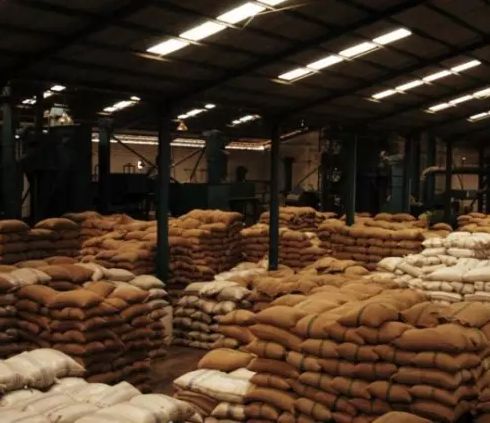
Green Bean Analysis
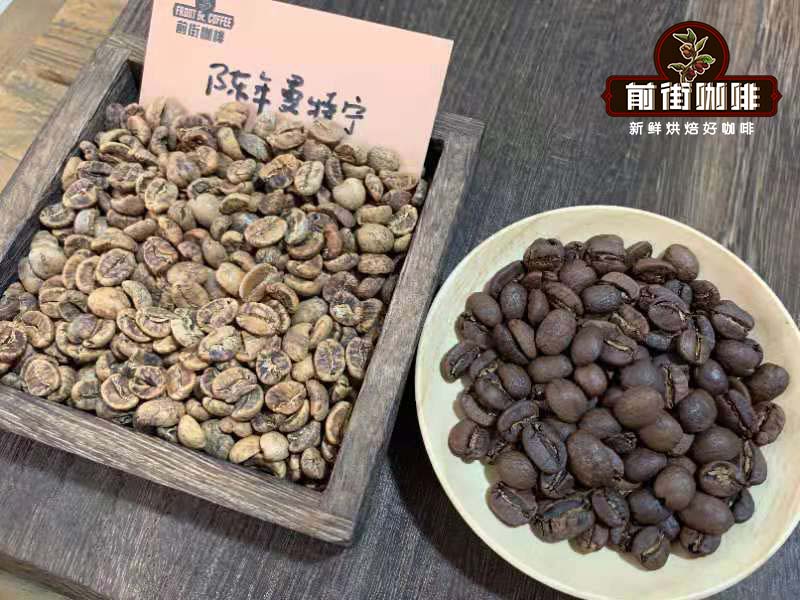
Under proper storage conditions, coffee beans undergo changes in both taste and appearance — for example, reduced acidity, darker color with less moisture, fuller body, better viscosity, sweetness with a honey aroma, and some original green bean defects becoming less pronounced. Due to the dark and prolonged storage environment, aged coffee often cannot completely escape a musty-like quality, or what is commonly called burlap, leather, and similar complex notes. Aged beans must be stored under strict and carefully controlled conditions during storage, turned regularly and evenly, with humidity and ventilation adjusted to prevent insect damage or mold. Generally speaking, the storage of aged beans does not take place at the origin or on the estate, but is a commercial activity of green bean distributors or brokerage companies. Properly stored coffee beans will change in taste and appearance — for example, weakened acidity, dark color with lack of moisture, fuller body with good viscosity, sweetness with honey aroma, and certain defects originally belonging to green beans becoming less obvious.
Front Street Coffee Roasting Analysis — Yangjia 800N, 550g green bean charge
Aged Mandheling's appearance isn't much to look at, but the baptism of time wears away Mandheling's acidity and enhances its purity, making the body rounder under a medium-dark roast. Because Mandheling green beans have high density and aged beans have low moisture, heat adjustments at each stage require extra attention — be careful not to scorch the oils on the bean surface. Charge when the drum temperature reaches 200°C, set the damper to 3, and after 1 minute of steaming, adjust the heat to 160°C while keeping the damper unchanged; when the drum temperature reaches 165°C, adjust the heat once more, lowering it to 140°C; at 5 minutes 35 seconds, at 146°C, the bean surface turns yellow, the grassy smell completely dissipates, dehydration is complete, and the damper is opened to 4; at the 9th minute, irregular wrinkles and dark streaks appear on the bean surface, and the toast aroma distinctly shifts to coffee fragrance — this can be regarded as the prelude to first crack, and at this point you must listen carefully for the sound of first crack; at 9 minutes 30 seconds first crack begins, reduce the heat to 80°C, open the damper fully to 5 (adjusting heat requires great care — not so low that there's no cracking sound), 40°C, at 194°C reduce heat, and drop at 197.4°C.
Front Street Coffee Cupping Record
Sumatra Aged Mandheling
Region: Sumatra
Variety: Typica
Processing Method: Wet Hulled
【Front Street Coffee Aged Mandheling Coffee Brewing Parameters】
Dripper: KONO Dripper Water Temperature: 88°C Grind Size: Fuji Royal Grind Setting 4
Analysis: The KONO dripper has few ribs at the bottom, so the filter paper clings tightly to the dripper wall, thereby restricting airflow. This allows water and coffee grounds to have a longer contact and immersion time inside the dripper, ensuring extraction time and extraction yield even with a coarse grind. As a result, the coffee grounds can be fully extracted, the body is enhanced, and the flavors are more concentrated.
Front Street Coffee Brewing Method: Water-to-coffee ratio 1:14, 17g coffee, first pour 25g of water, 30s bloom, second pour up to 238g of water, extraction time approximately 2:00
Flavor Description: Herbal, caramel
The above content is compiled by CoffeeHunters, a coffee news website.


