







Search Results for: Brazil coffee
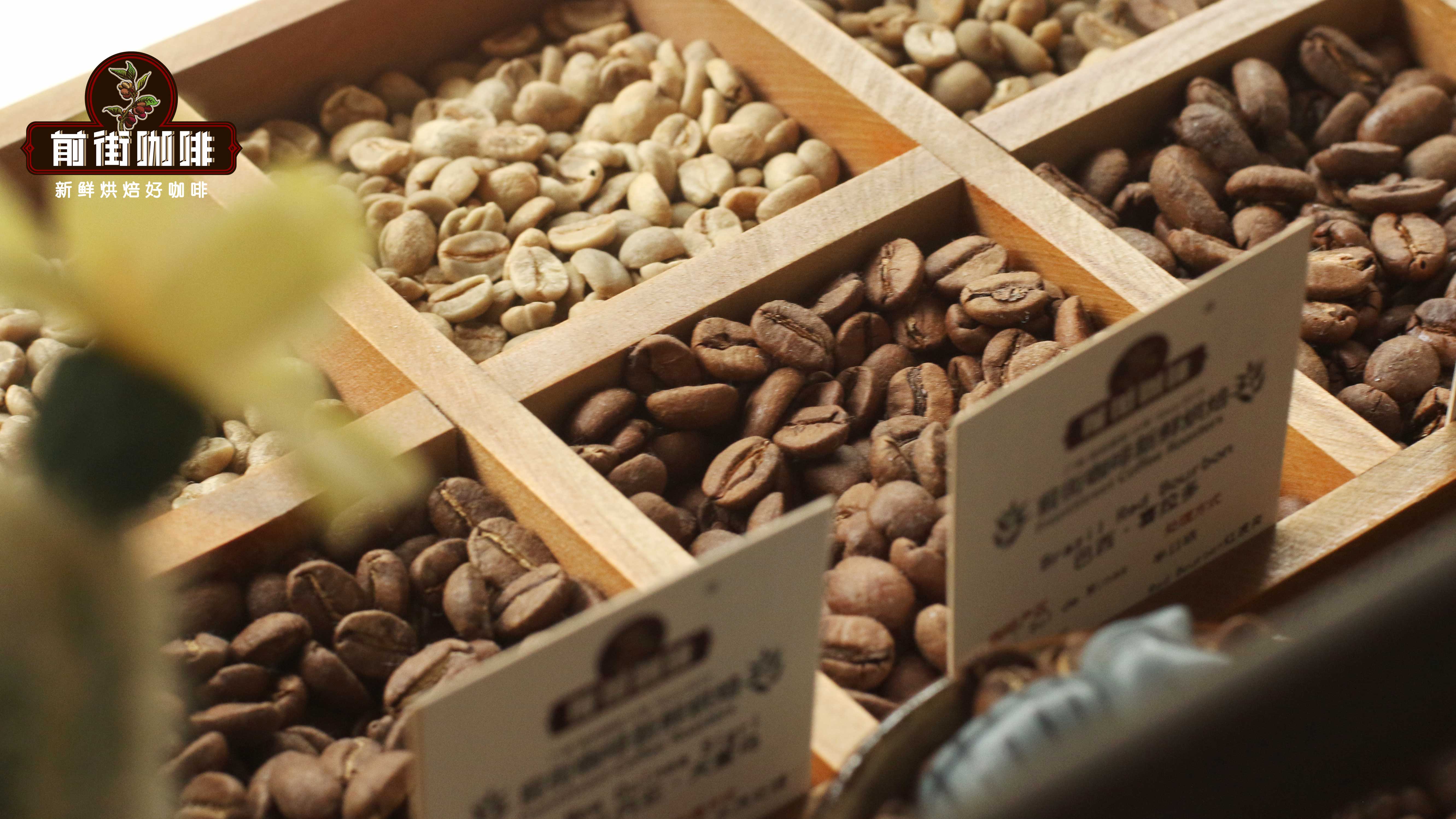
The Origins of Coffee Cultivation in Brazil and Analysis of Two Major Bourbon Varieties: A Complete Guide to Front Street Coffee's Pour-Over Parameters
Brazil, as the world's champion in both coffee production and exports, has coffee beans with nutty and cocoa flavors that are deeply favored by enthusiasts. From the perspective of Front Street Coffee, this article systematically reviews the three-hundred-year planting history and main producing regions of Brazilian coffee, deeply analyzes the flavor differences between the two major varieties, Red Bourbon and Yellow Bourbon, and provides a detailed introduction to the product information of Front Street Brazil Red Bourbon and Queen's Farm Yellow Bourbon, as well as the unique characteristics of the semi-washed processing method. At the end of the article, the complete pour-over extraction parameters and brewing techniques for Front Street Brazilian coffee beans are attached, helping pour-over enthusiasts stably reproduce a cup of rich and balanced Brazilian coffee at home. [more…]
Characteristics of Brazilian Coffee Beans | Which origin does Brazilian specialty coffee come from? What coffee varieties are grown in Brazil? How to brew Brazil Queen Estate Yellow Bourbon?
When it comes to which country produces the most coffee, Front Street Coffee believes it must be Brazil. Its annual total output is about 2.7 million metric tons, accounting for one third of the world's total coffee bean production. But did you know? In fact, Brazil's geographical environment is not really suitable for coffee cultivation. After consulting the materials, Front Street Coffee found that Brazil's terrain is monotonous, and its climate [more…]
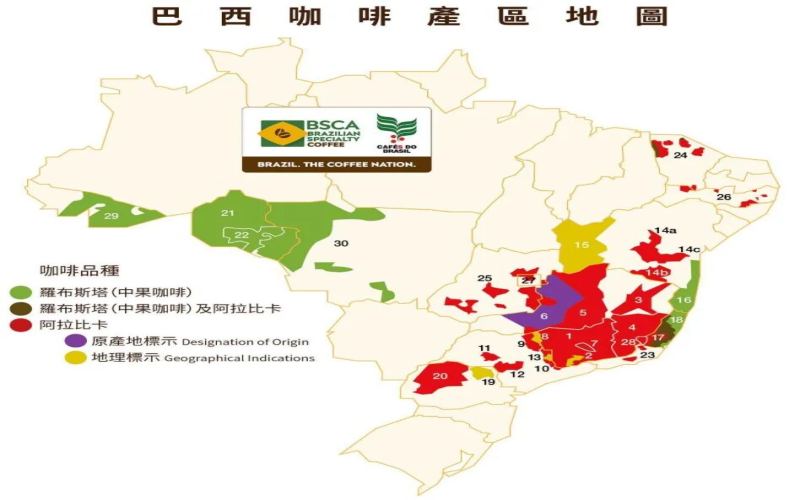
Main Coffee-Producing Regions in Brazil | What Are the Green Coffee Bean Grading Standards in Brazil? How Do You Describe the Flavor of Brazilian Coffee Beans?
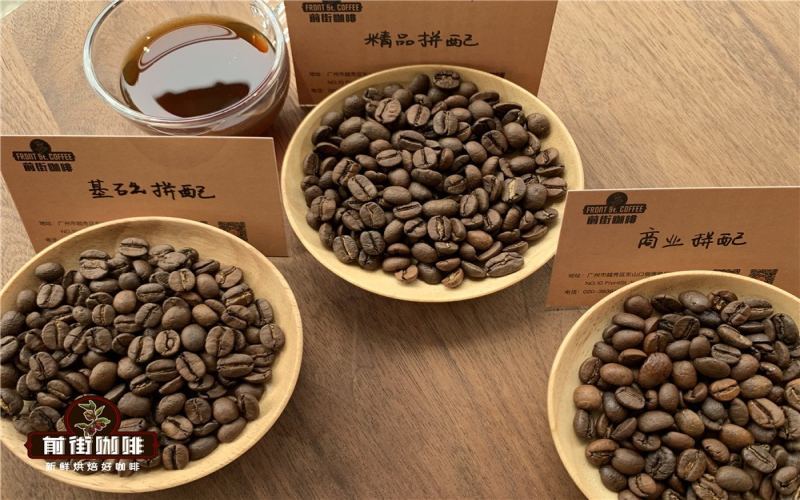
What are the characteristics of Brazilian coffee, given that Brazil is the world's largest coffee-producing country? As a South American coffee, Brazilian beans have a relatively balanced flavor, low acidity, and a smooth mouthfeel, making them very suitable for use in espresso blends. Therefore, Front Street Coffee's basic blend, specialty blend, and commercial blend all use Brazilian beans as their base beans. Brazilian coffee [more…]
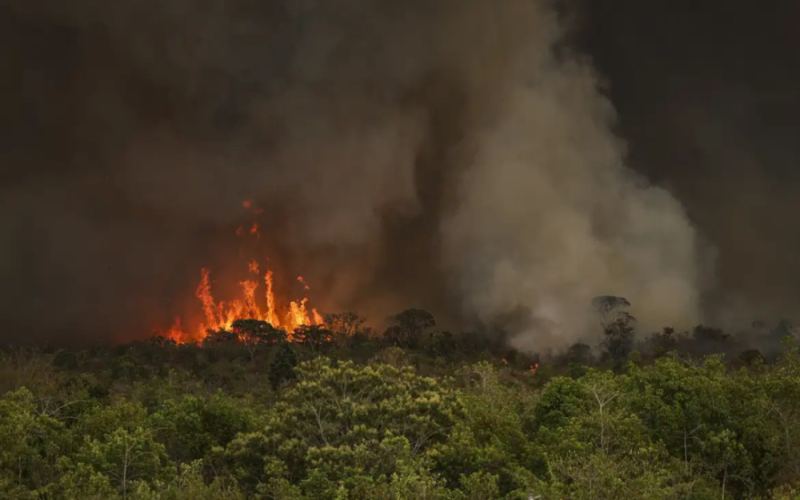
Rainfall in Brazil Fails to Alleviate Drought in Coffee-Growing Regions, New Crop Yields Remain Under Pressure
Since 2024, Brazil has been continuously hit by high temperatures, droughts, and severe fires, with large areas of forest and farmland destroyed, agriculture suffering heavy losses, and coffee-growing regions also deeply affected. Although southern Brazil recently received rainfall, the brief precipitation is unlikely to fundamentally ease the drought, and the outlook for coffee production in the new season remains bleak. At the same time, Brazil's coffee exports have performed strongly but are constrained by port logistics congestion, keeping international coffee prices persistently high. This article will review the multiple impacts of Brazil's fires and drought on the coffee industry and analyze current export and price trends. [more…]
Brazil Cerrado Coffee Bean Flavor Characteristics and Variety Origins: A Full Analysis from Seed Introduction to Grading System
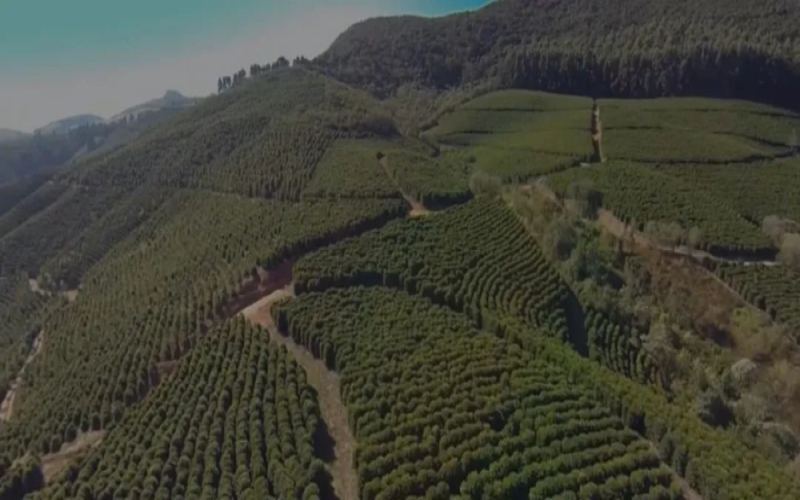
Brazil has held the top spot in global coffee production since the 1960s. Even after a century of droughts and frosts, its total production in 2021 still reached 46.88 million bags. This coffee powerhouse, now so influential, had not a single coffee tree three hundred years ago. How did coffee seeds reach Brazil? And what flavor profile does the Red Bourbon of the Cerrado region offer? This article systematically covers the core knowledge of Brazilian coffee, from historical origins, grading systems, and producing regions to brewing parameters, and introduces the Cerrado Red Bourbon, a representative of Brazil's classic flavors in Front Street Coffee's everyday bean series. [more…]
Analysis of Brazil's Pulped Natural Process: Flavor Characteristics, Processing Advantages, and Major Specialty Regions
As the world's largest coffee producer, Brazil has also developed its own distinctive processing methods, among which the Pulped Natural method sits somewhere between washed and natural. This article will outline the specific steps of pulped natural processing, its advantages over traditional natural processing, and the distribution of Brazil's main specialty coffee regions. It will also draw on two beans currently sold by Front Street Coffee—Brazil Cerrado and Queen's Farm—to help readers understand how this processing method performs in actual cupping. [more…]
Analysis of Brazil Natural Low-Acid Coffee Flavors: From Cultivation History to Bourbon Variety and Pulped Natural Processing
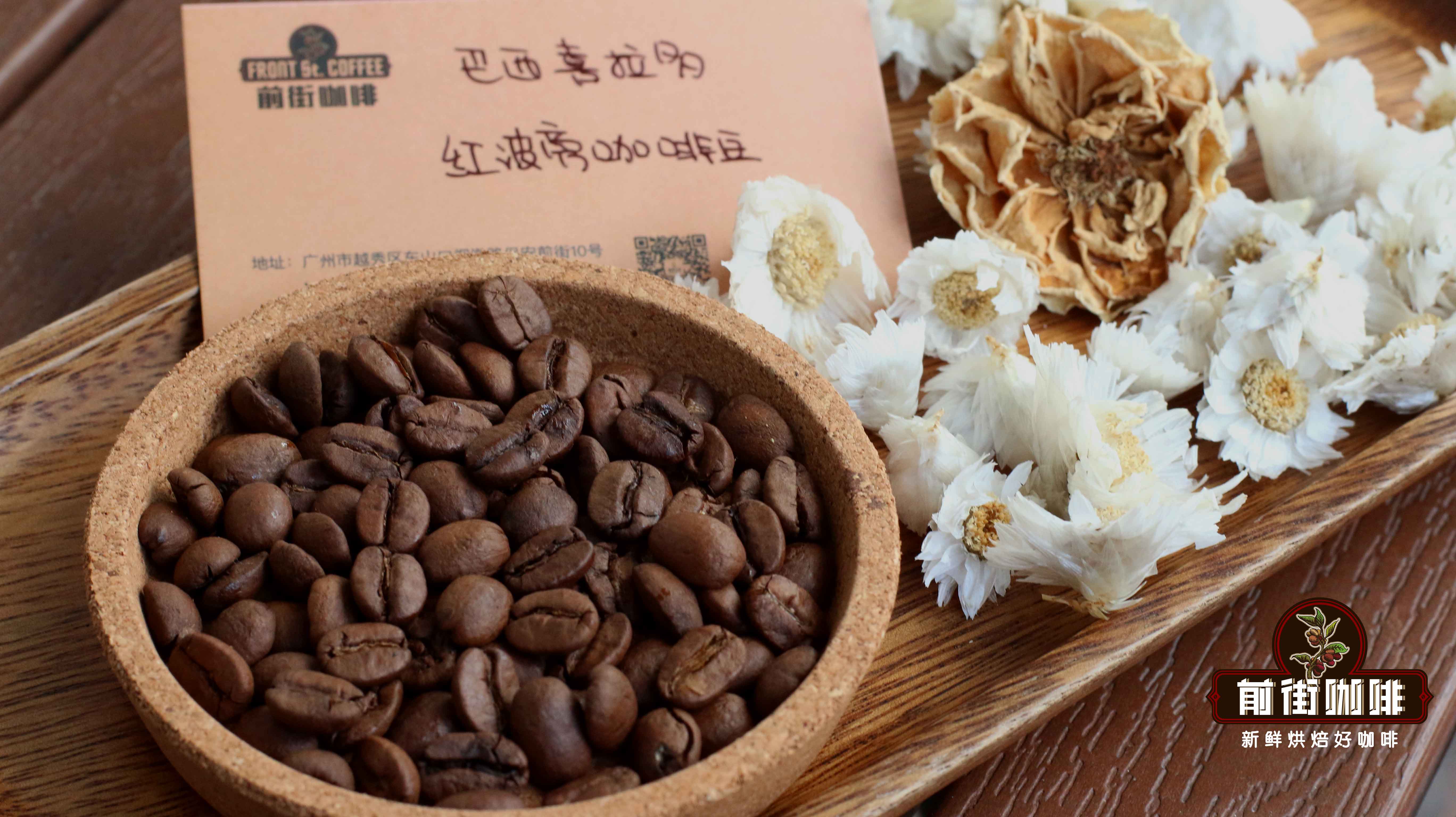
Brazil, as the world's largest producer of Arabica coffee, is known for its coffee's low-acid, full-bodied flavor profile. Front Street Coffee currently offers two Brazilian coffee beans—Red Bourbon and Queen Estate Yellow Bourbon—both roasted to a medium-dark level to highlight nutty, chocolatey, and creamy smoothness. This article reviews the history of coffee cultivation in Brazil, explains the flavor differences between Red Bourbon and Yellow Bourbon, and introduces Brazil's unique semi-washed processing method, helping coffee enthusiasts understand the cupping performance and brewing key points of low-acid coffee. [more…]
Brazil Santos Coffee: A Full Overview of Bourbon Variety Flavor Profile and Growing Region Background
Brazil Santos coffee, with its full-bodied mouthfeel and intense cocoa-nutty notes, has long held a core position in espresso blends. But Santos is not a coffee variety—it is the name of a major export port in southeastern Brazil. This article provides a comprehensive analysis of the true character of Santos coffee, from the region's history, bean variety evolution, and processing methods to cupping flavors, and specifically introduces the detailed parameters and tasting points of Front Street Coffee's Brazil Santos Natural Bourbon, making it suitable reading for enthusiasts who want to deepen their understanding of Brazilian specialty coffee. [more…]
Brazil's CECAFÉ reports a strong 39% surge in January coffee exports, with robusta skyrocketing fivefold, and a positive outlook for the new crop season.
The latest report from the Brazil Specialty Coffee Association (CECAFÉ) shows that Brazil's coffee exports got off to a strong start in January, with exports of 60-kg bags reaching 3.961 million bags, up 39% year-on-year, while foreign exchange revenue rose 30.4% in tandem to US$802.5 million. Robusta exports surged 503.5%, becoming the main growth engine, while Arabica and instant coffee also maintained stable shares. Despite ongoing logistics challenges such as the Red Sea shipping crisis, drought in the Panama Canal, and strikes at Brazil's Santos port, Brazil's coffee exports still showed resilience. Notably, major Robusta-producing countries such as Vietnam experienced supply gaps due to drought and delivery issues, creating substitution opportunities for Brazil. International investment bank Itaú BBA predicts that Brazil's coffee production in the 2024/25 season is expected to reach 69.4 million bags, up 4.6% from the previous year. Front Street Coffee will also continue to monitor Brazil coffee market trends and bring fresh information to enthusiasts. [more…]
Analysis of Brazil Coffee Pulped Natural Processing Method: Bourbon Variety Dark Roast Flavor and Pour-Over Parameter Recommendations
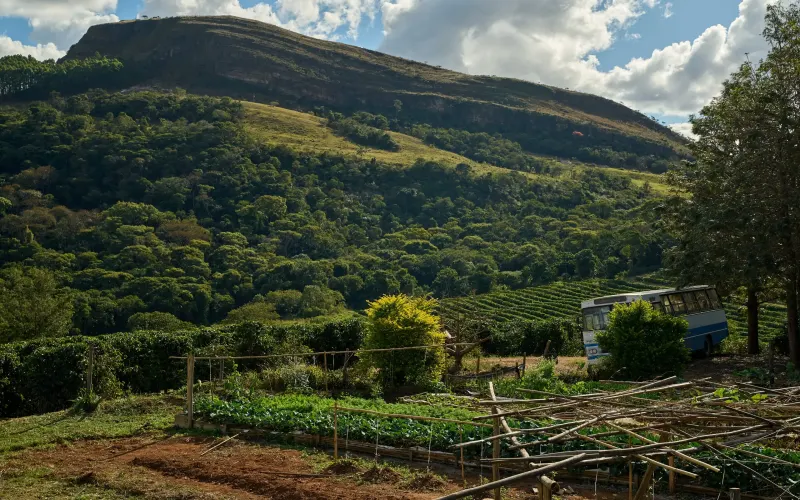
Brazil is the world's largest producer of coffee beans, and its mild, balanced flavor profile makes it very approachable for those just getting into pour-over coffee. This article will review the history of coffee cultivation in Brazil and the origins of the pulped natural processing method, and will focus on introducing two Brazilian Bourbon coffees on the Front Street Coffee bean list—Cerrado Red Bourbon and Queen Farm Yellow Bourbon—explaining their producing regions, altitudes, processing methods, and flavor tendencies. At the same time, we will also share brewing recipes for these two beans, including dripper selection, water temperature, coffee-to-water ratio, and pouring rhythm, to help enthusiasts recreate the rich fruity aroma and heavy sweetness of Brazilian coffee at home. [more…]
Brazil Cerrado Coffee Flavor Analysis and Pour-Over Parameters: From Bean Varieties to Kono Dripper Extraction Techniques
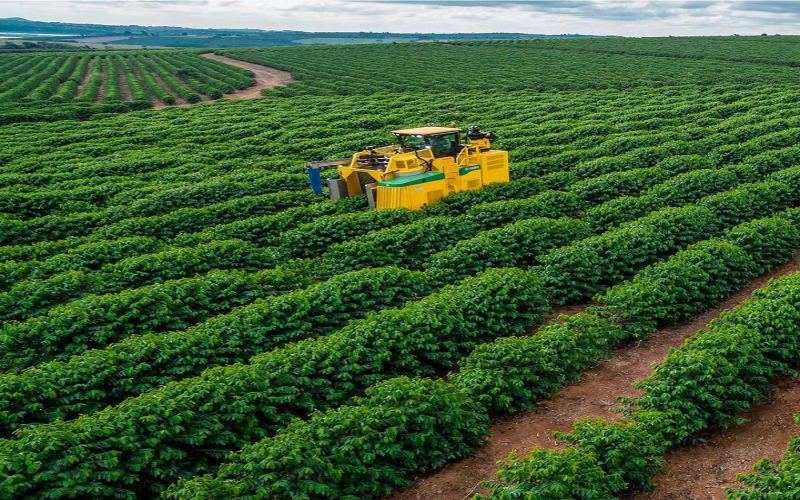
Brazil, as the world's largest coffee producer, has its Cerrado region, with its unique tropical savanna climate and plateau terrain, giving rise to high-quality coffee with a balanced flavor and prominent nutty and chocolate notes. From the perspective of Front Street Coffee, this article systematically reviews the distribution of Brazil's main producing regions and the evolution of its coffee varieties, with a focus on analyzing the flavor characteristics of Cerrado and the Yellow Bourbon of Queen Mogiana Estate. At the same time, drawing on the daily brewing experience of Front Street stores, it shares in detail key parameters such as water temperature, coffee-to-water ratio, and grind size for brewing Brazilian coffee with a Kono dripper, helping enthusiasts recreate a rich and smooth Brazilian pour-over at home. [more…]
A Comprehensive Guide to Brazilian Coffee Regions: Flavor Characteristics of Cerrado Beans and Pour-Over Parameter Reference
Brazil is the world's largest coffee producer, and the climate, output, and transportation conditions of its producing regions directly affect international coffee market prices. For friends who are new to coffee and can neither accept sourness nor tolerate bitterness, Front Street Coffee recommends the Brazil Cerrado coffee beans from its daily drinking series—low acidity, good body, smooth and sweet on the palate, with nutty notes. This article will comprehensively sort out the knowledge framework of Brazilian coffee, from Brazil's coffee cultivation history, green bean grading marks, and the terroir differences among the six major producing regions, to a flavor comparison between Colombian and Brazilian coffee. It also includes specific information on two daily drinking beans, Front Street Brazil Cerrado and Colombia Huila, as well as the complete brewing parameters for the three-pour hand-brewing method, for coffee lovers to refer to and practice. [more…]

Exploring Brazil Santos Coffee: Flavor Analysis of a World Specialty Coffee Classic from the Port of Santos
When friends visit and are asked what coffee they'd like, many people reply, "I don't really know much about it—just make anything." This prompted us to come up with the idea of introducing the world's classic famous coffees. The first installment focuses on the representative of Brazil, the world's largest coffee-producing country—Brazil Santos Coffee. It comes from the state of São Paulo and is exported through the port of Santos, and with its No.2, 18-19 screen standard, it has become Brazil's highest-grade coffee. This article will analyze in detail its origin background, quality grading, flavor characteristics, and roasting suggestions, taking you through this classic choice that is mild and balanced, suitable for espresso and flavored coffee, and letting you feel its coffee charm that runs through Brazil's veins like samba. [more…]
A Complete Guide to the Flavors of Brazil's Specialty Coffee Regions: The Origin Stories of Minas, Cerrado, Mogiana, and the Port of Santos
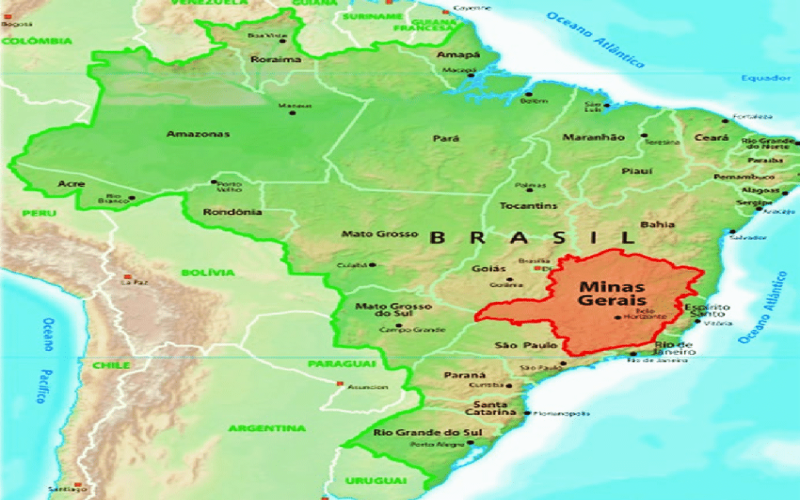
Brazil is not only the largest country in South America, but also the world's number one producer of coffee beans. This nation, where passion and serenity coexist, produces coffee that carries the rich notes of nuts and chocolate while offering a smooth and mild mouthfeel. A total of 17 states in Brazil produce coffee, with the main growing regions distributed across six states: Bahia, Espírito Santo, Minas Gerais, São Paulo, Paraná, and Rondônia. Among them, Minas Gerais contributes more than half of the country's Arabica coffee beans and is also the core zone for specialty coffee; the Port of Santos in São Paulo state serves as an important gateway for Brazil's coffee exports. On Front Street Coffee's bean list, there are two Brazilian beans—the Red Bourbon from the Cerrado region and the Yellow Bourbon from Queen Mogiana Estate. The former represents the classic Brazilian flavor, while the latter showcases even better sweetness through refined natural processing. [more…]
Exploring the Development History and Flavor Characteristics of Brazilian Coffee Regions, with Recommendations for Front Street Coffee Red Bourbon and Queen's Estate Yellow Bourbon
Brazil is the world's largest coffee producer, accounting for more than thirty percent of the global market share, and any transport strike or extreme weather can move international coffee futures prices. This article traces the history of Brazilian coffee from its introduction in 1727 to the present, reviews how the American Revolutionary War, the Civil War, and the Great Depression profoundly shaped Brazil's coffee industry, and introduces each of its six major producing states, including Bahia, Espírito Santo, and Minas Gerais. It also draws on the Front Street Coffee bean list to analyze the flavor profiles, processing methods, and brewing recommendations of two representative coffees—Brazil Red Bourbon Semi-Washed and Queen's Estate Yellow Bourbon Natural—helping enthusiasts gain a comprehensive understanding of the unique charm of Brazilian coffee. [more…]
Brazil's coffee harvest accelerates but sales lag; market expected to recover after Congress rejects new tax rules
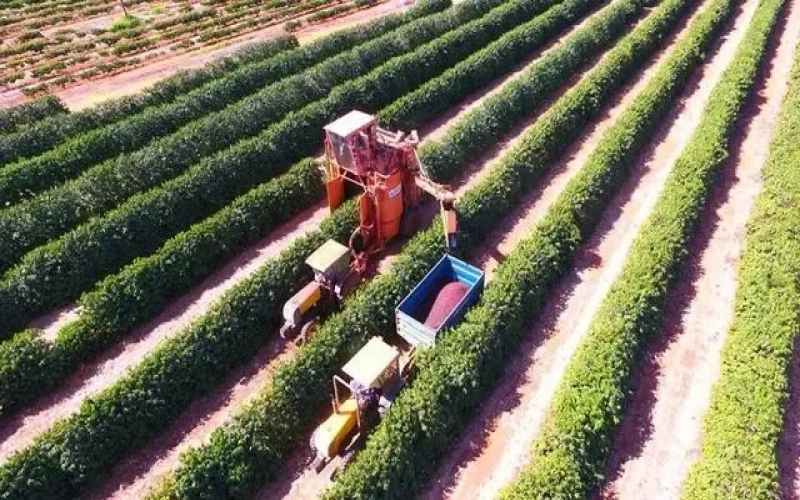
Brazil's new coffee crop harvest is progressing faster than in previous years, and the dry weather is both beneficial for processing and a cause for concern. However, sales progress is noticeably lagging, ports remain congested, and the government's earlier proposed changes to PIS/Cofins tax rules have further weighed on exports and farmers' willingness to sell. At the same time, the sharp appreciation of the US dollar against the real has brought inflationary pressure. The good news is that Brazil's Congress recently rejected the tax measure, allowing coffee and other agricultural products to continue enjoying tax benefits, and the slowdown in sales is expected to improve. This article will review the latest developments in harvesting, sales, ports, and policy, and include relevant recommendations from Front Street Coffee. [more…]
A Complete Guide to Brazilian Coffee Regions: From Cultivation History to Grading System and Flavor Characteristics
As the world's largest coffee producer, Brazil is known for its coffee's balanced taste, low acidity, and good body, making it an ideal base bean for espresso blends. Several of Front Street Coffee's espresso blends use Brazilian beans as their foundation. This article will comprehensively analyze the characteristics of Brazilian coffee from multiple dimensions, including planting history, main producing regions, grading systems, variety classification, and processing methods. It will also introduce the flavor profiles and recommended brewing parameters of Front Street Coffee's Brazil Cerrado and Queen's Estate coffees, helping coffee enthusiasts gain a deeper understanding of the unique charm of this South American coffee giant. [more…]
From Santos Port to Cerrado: A Complete Guide to Brazil's Six Major Coffee Regions and Bourbon Bean Flavors
Brazil is the world's largest coffee producer, with coffee grown in 17 of its 21 states, and its six major producing regions—including Minas Gerais and São Paulo—each possess distinct terroirs. This article guides you through Brazil's coffee landscape: detailing the four sub-regions of Minas Gerais, visiting São Paulo, home to the Port of Santos, and the renowned Mogiana, interpreting the characteristics of regions such as Cerrado, Espírito Santo, Bahia, and Paraná, as well as the splendor of Fazenda Rainha; at the same time comparing the varietal differences between Red Bourbon and Yellow Bourbon, and including Front Street Coffee's medium-dark roast approaches for two Brazilian beans along with a KONO three-pour hand-brewing method, to explore the source of Brazilian beans' smooth mouthfeel. [more…]
A Complete Guide to Brazilian Coffee Origins: From Variety Origins to Six Major Regions and Flavor Profiles
Brazil is the world's largest coffee-producing country, yet more than three hundred years ago there was not a single coffee tree here. From a romantic tale of seed-passing in 1727 to the six major producing regions spread across the country today, Brazilian coffee has traveled a long and winding road. This article will trace the varietal origins and historical development of Brazilian coffee, introduce the distribution of the six major producing regions—Bahia, Espírito Santo, Minas Gerais, São Paulo, Paraná, and Rio de Janeiro—and focus on presenting the origin information, processing methods, and flavor profiles of two Brazilian beans from Front Street Coffee: Queen Estate Yellow Bourbon and Cerrado Red Bourbon, helping coffee enthusiasts gain a comprehensive understanding of the charm of Brazilian coffee. [more…]
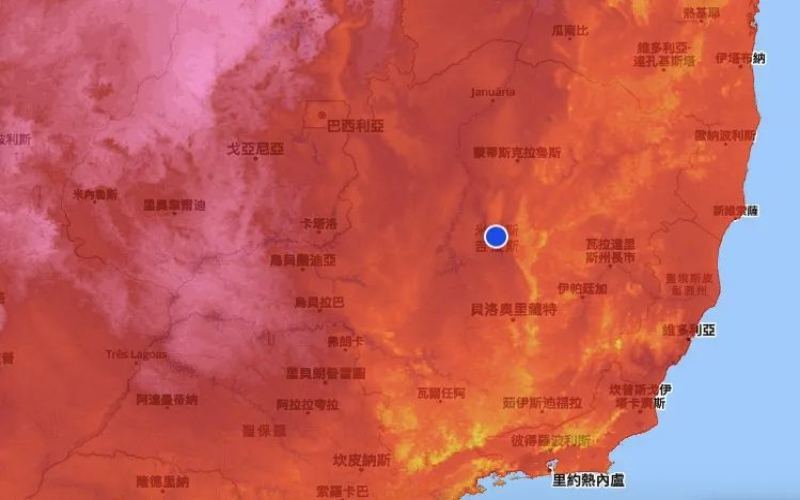
Brazil's drought may persist into 2025, coffee-growing regions face a severe test
Brazil is experiencing its worst drought in seventy years, with the major coffee-growing states of São Paulo and Minas Gerais hit especially hard. Wildfires have consumed large numbers of coffee plantations, with some estates losing nearly half their harvest, and the agriculture department estimates losses exceeding 2 billion reais. At the same time, Brazil's coffee exports hit a record high in August, driven mainly by stockpiling demand ahead of the EU's imminent implementation of the EUDR. Rabobank expects coffee prices to remain high through the end of the year, while the production outlook for the next crop season is full of uncertainty. This article will review the drought's comprehensive impact on Brazil's coffee industry and follow Front Street Coffee's ongoing tracking of developments in the producing regions. [more…]