







Search Results for: Blooming and Pouring
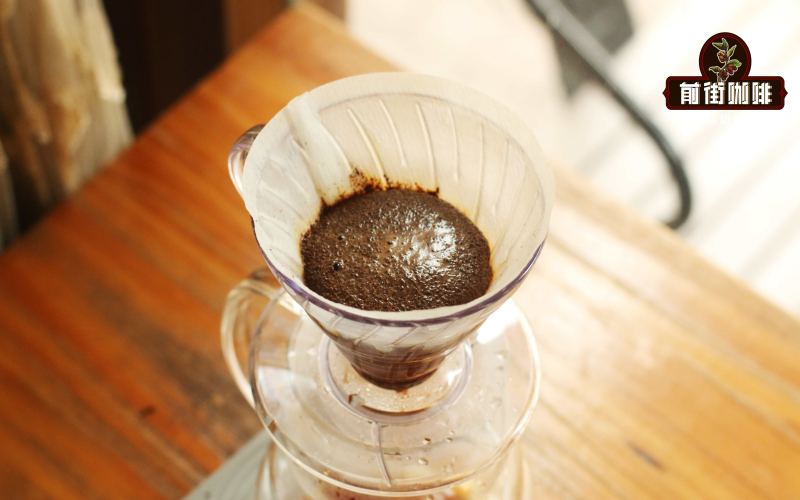
Why exactly is the bloom in pour-over coffee unskippable? A complete analysis from the principles of degassing to the number of pouring stages
The blooming phase in pour-over coffee may look like simply wetting the coffee grounds with hot water, but it actually determines whether the entire cup can be extracted evenly. Drawing on the hands-on experience of Front Street Coffee, this article systematically sorts out the core purposes of blooming—releasing gases inside the coffee beans, ensuring even extraction, and judging bean freshness—and analyzes one by one how factors such as coffee bean storage time and roast level, water temperature, amount of water poured, blooming duration, and grind size affect the blooming effect. Through comparative experiments, the article also verifies the actual impact of the number of pouring stages on extraction time and flavor performance, helping enthusiasts understand the logic and applicable boundaries of three-stage pouring. [more…]
A Complete Guide to Blooming and Pouring in Pour-Over Coffee: Degassing Principles, Key Variables, and a Three-Pour Practice Method
In pour-over coffee, blooming is an indispensable step, as it affects degassing, extraction evenness, and the assessment of bean freshness. Drawing on Front Street Coffee's practical experience, this article breaks down in detail the purpose of blooming and the factors that influence it, including storage time, roast level, water temperature, water volume, duration, and grind size, and explains the complete process of the "little hill" expanding and then collapsing during blooming. The article then provides the specific steps for three-pour brewing: a 30-second bloom followed by two subsequent pours, with the total extraction time controlled at 2 minutes. Finally, through comparative experiments, it analyzes the impact of the number of pours on extraction time and flavor, answering the common question of whether the three-pour method is optimal, and helping coffee enthusiasts build a clearer pour-over logic. [more…]
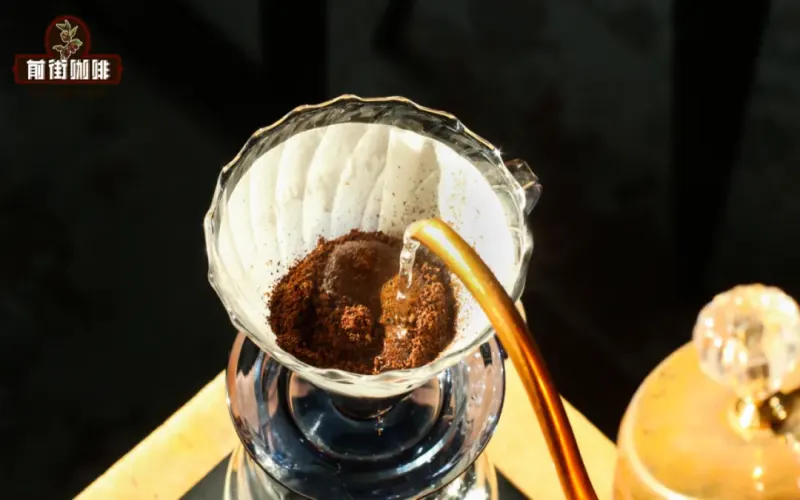
How long should the blooming time be for pour-over coffee? A detailed explanation of pouring techniques and the effect of blooming water volume on extraction
Blooming is an indispensable pre-wetting step before extraction in pour-over coffee, and it directly affects the efficiency with which flavor compounds are released afterward. However, the amount of water used for blooming, the pouring method, and the waiting time all influence the taste in the final cup. Starting from the structural characteristics of the cone-shaped dripper, this article introduces two pouring techniques that allow hot water to evenly saturate the coffee grounds, and teaches you how to flexibly adjust the blooming duration by observing the state of the coffee bed. Whether you are a beginner just getting into pour-over or an enthusiast looking to refine your technique, you will find practical tips here. The article also combines Front Street Coffee's brewing experience and product examples to help you more intuitively understand the criteria for judging a perfect bloom. [more…]

Basic Knowledge for Pour-Over Coffee Beginners | Is Blooming Essential in Pour-Over Coffee? What Is the Purpose of Blooming Coffee Grounds by Pouring Water? How Do You Adjust the Coffee-to-Water Ratio in Pour-Over Coffee?
Front Street Coffee often encounters many pour-over beginners who ask a question: Why does pour-over coffee need blooming? The most indispensable step in pour-over coffee is the blooming stage. The purpose of blooming is to allow the coffee to release gases and ensure even extraction, and it also clearly reveals whether the beans being brewed are fresh. Front Street Coffee focuses on fresh [more…]
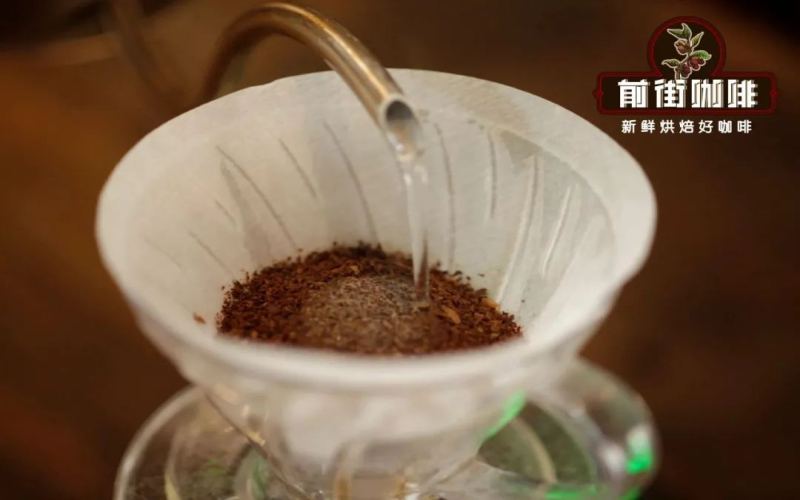
Blooming Method | What Is the Purpose and Significance of Blooming in Pour-Over Coffee? How Much Water for Blooming? Calculating Blooming Time for Coffee Extraction
In freshly roasted and freshly brewed coffee, there is a crucial small detail: baristas emphasize the need to "bloom." There is even a saying in the coffee community: "Bloom well, and brewing will be trouble-free," forming a positive link between blooming and brewing. So what is blooming, and how do you bloom? Careful [more…]
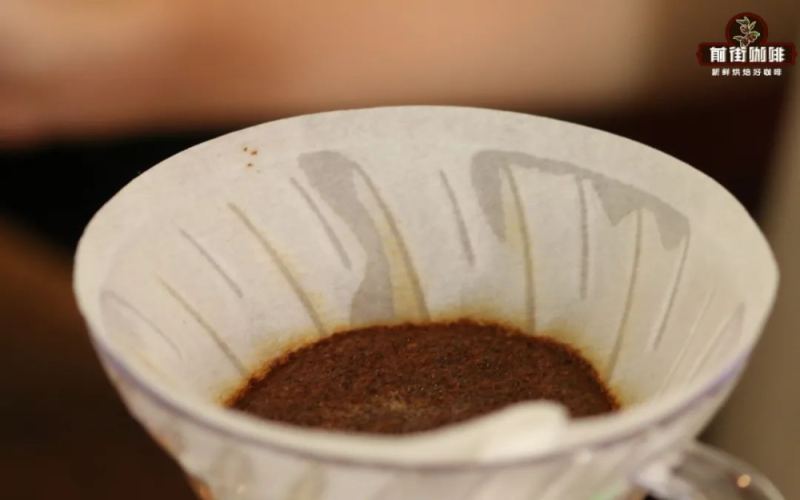
How to Control the Blooming Stage in Pour-Over Coffee? A Detailed Explanation of the Actual Impact of Water Volume, Duration, and Technique on Flavor
Blooming is a key step in pour-over coffee that affects extraction stability. By releasing carbon dioxide trapped in the coffee grounds, it creates the conditions for the smooth release of flavor compounds later on. But blooming is not absolutely necessary—the "one-pour" method previously shared by Front Street Coffee can skip this step entirely. So how exactly should you control the water amount, timing, and technique during blooming? Using 2x the coffee dose and 30 seconds as standard references, this article analyzes one by one the specific changes in coffee flavor when the water amount is too little or too much, and when the time is too short or too long, and offers pouring suggestions suitable for beginners to help you make more accurate judgments in actual practice. [more…]
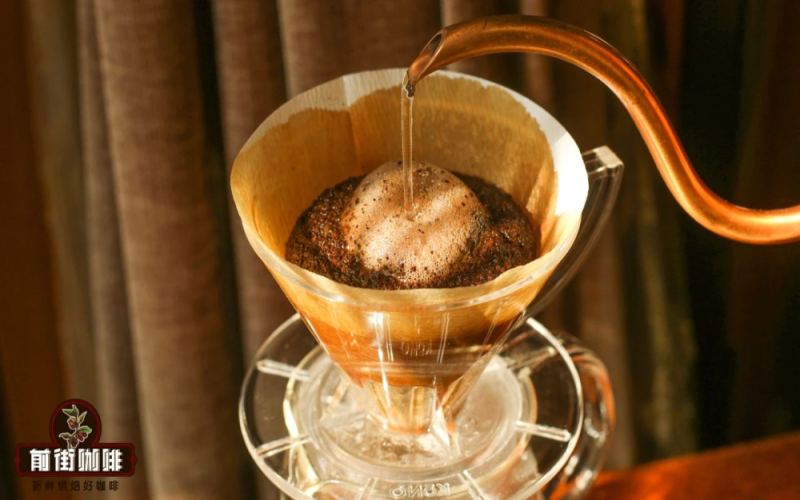
Pour-over Coffee Brewing Techniques | How Important Is Blooming to Pour-over Coffee? How Much Water and How Long for Coffee Blooming? How to Judge the Blooming Process?
Blooming is an important step in brewing coffee, and there's a popular saying that "you can tell if a coffee will taste good just by looking at its bloom." So when people learn to brew coffee, they intentionally or unintentionally "perfect" a flawless "coffee burger." But if you understand the logic behind blooming, you'll discover that blooming is actually [more…]
A Complete Guide to Three-Pour Pour-Over Coffee: The Principles and Practical Details from Blooming and Degassing to Staged Extraction
Pour-over coffee may seem complex, but its core lies in how to balance flavor extraction. As the most widely used brewing method, the three-pour technique uses staged extraction to give distinct layers of flavor in the front, middle, and back ends. Drawing on the practical experience of Front Street Coffee, this article explains in detail the principles of blooming and degassing, control of the pouring rhythm, the matching of water temperature and roast level, and a complete brewing recipe using Kenya Asalia coffee beans as an example. Whether you are a beginner just getting into pour-over or an enthusiast looking to refine your technique, you will find actionable references here. [more…]
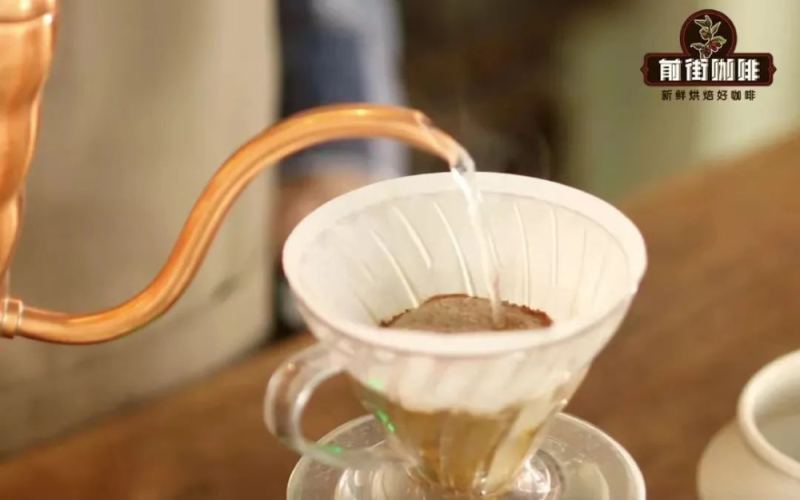
How Long Should the Bloom Last in Pour-Over Coffee? A Complete Analysis from Degassing Principles to Practical Timing
Blooming is an indispensable step in pour-over coffee, and it directly affects the flavor expression in the final cup. Many enthusiasts know they should bloom, but are confused about how long to bloom, why to bloom, and how to adjust under different circumstances. Starting from the principle of carbon dioxide hindering flavor release, this article divides blooming into three states—insufficient, excessive, and moderate—and explains their manifestations and consequences respectively, then further discusses the influence of resting period length, roast level differences, and pouring technique on blooming duration. Front Street will also share how, in actual brewing, it flexibly adjusts the blooming seconds according to the bean's condition, helping you find a rhythm more suitable for the bean at hand beyond the general 30-second suggestion. [more…]
The Complete Guide to the Bloom in Pour-Over Coffee: Water Amount, Timing, and Degassing Tips for Light Roasts
Blooming is a seemingly simple yet subtly nuanced key step in pour-over coffee. From the perspective of Front Street, this article delves into the core purposes of blooming—releasing carbon dioxide and stabilizing extraction—and analyzes the connection between the English term "bloom" and the swelling state of the coffee bed. The article compares in detail the pros and cons of different water amounts (1x to 3x), recommending 1.5-2x water as the better choice, while explaining that bloom time should be flexibly controlled between 20-40 seconds based on degassing effectiveness. In addition, it shares practical tips for judging the end of blooming by observing changes in the dome, as well as the specific effects of different bloom durations on coffee flavor, helping coffee enthusiasts master this step precisely. [more…]
How to Determine the Blooming Time for Pour-Over Coffee? Whether It Counts Toward Total Brew Time and a Detailed Explanation of the Degassing Principle
The blooming phase in pour-over coffee is often regarded as a key step that determines flavor. Many enthusiasts ask: does the 30-second bloom actually count toward the total extraction time? And what is the purpose of blooming? Starting from the principle of carbon dioxide release, this article explains why drip-style pour-over must be bloomed, and analyzes how three states—insufficient blooming, excessive blooming, and moderate blooming—affect the taste of coffee. At the same time, drawing on Front Street's brewing experience, it explains how the roast date, roast level, and pouring method change the optimal bloom duration, helping readers judge flexibly based on the state of degassing in the coffee bed rather than rigidly sticking to a fixed number of seconds. [more…]
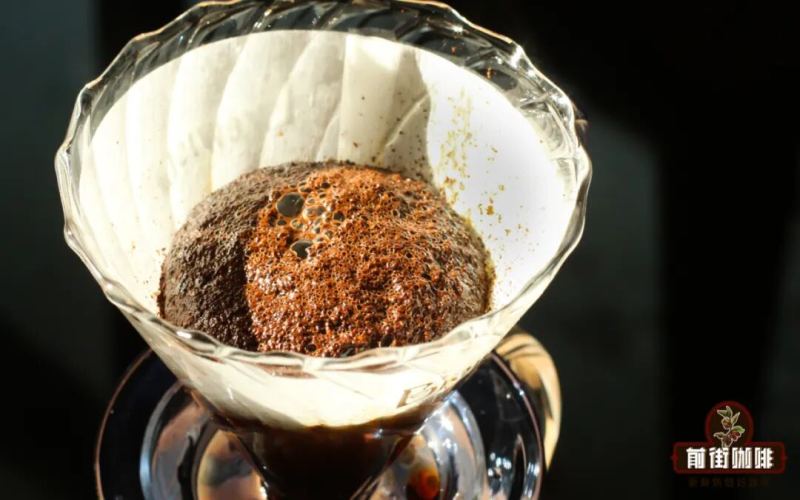
Coffee Blooming | How to achieve the "perfect bloom" when making pour-over coffee? How do you adjust the bloom time for pour-over coffee?
As the saying goes: "Bloom well, and brewing is trouble-free." For pour-over coffee, blooming is a very important preparatory step. So-called blooming is the step where, before we formally extract the flavor compounds from the coffee, we use a small amount of hot water to pre-wet the coffee grounds and wait for a certain period of time. [more…]
Step-by-Step Guide to Pour-Over Coffee|Do pouring technique and blooming affect the flavor of pour-over coffee? Which pour-over brewing method is suitable for coffee beginners?
Front Street often encounters many pour-over beginners asking a question: Why does pour-over coffee need blooming? The most indispensable step in pour-over coffee is the blooming phase. The purpose of blooming is to allow the coffee to release gases and ensure even extraction, and it also clearly reveals whether the beans being brewed are fresh. Front Street focuses on freshness [more…]
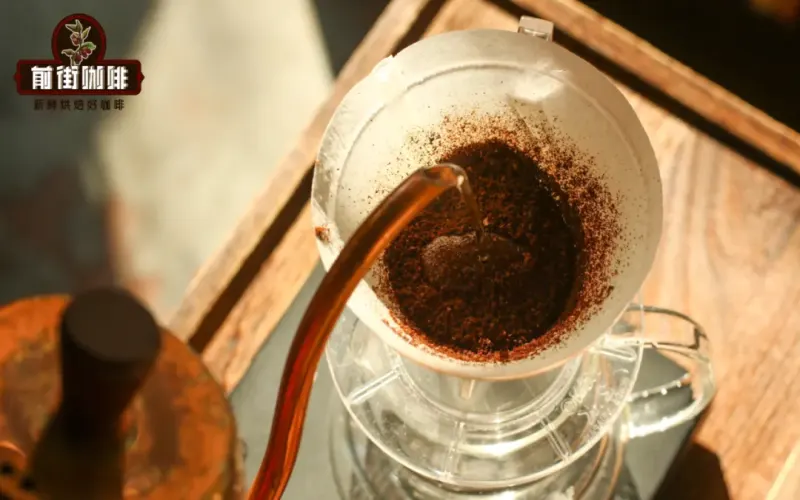
When Does the Bloom Timer Start for Pour-Over Coffee? A Detailed Explanation of Whether the Pouring Phase Counts Toward the Brew Time
Many coffee enthusiasts struggle with a question during pour-over brewing: should the blooming time be counted from the start of pouring water, or from when the pouring ends? Does the bloom count as the first pour of the brewing process? At Front Street Coffee, we perform a blooming step at the start of every brew, because a proper bloom makes it easier to get a delicious cup of coffee. This article starts from the practical function of blooming, explains where the recommendation of 30 seconds and twice the coffee dose in water comes from, and clarifies when to adjust the time and when to adjust the water amount. To figure out the timing and pour-segmentation questions, first understand why blooming exists—and the answer will naturally emerge. [more…]

Pour-Over Coffee Blooming and Extraction Stages: A Comprehensive Analysis of Whether the Outer Coffee Grounds Need to Be Wetted with Water
In the practice of pour-over coffee, one detail that is often discussed is: should the coffee grounds around the edge be moistened with water? This article starts from the two stages of blooming and the main extraction, and, combined with comparative experiments on light, medium, and dark roast levels, analyzes the impact of the pouring range on flavor. The experiment shows that whether to wet the outer layer of grounds during blooming depends on whether all the coffee grounds can evenly absorb water and release gas in the shortest time. Not pouring around the outer ring tends to cause inconsistent extraction rates, and light and medium roast beans are prone to a grassy, unripe taste; while pouring directly onto the outer ring may block gas release in the center. The article also shares practical techniques such as swirling and stirring to help coffee enthusiasts extract every particle of coffee grounds more evenly. [more…]
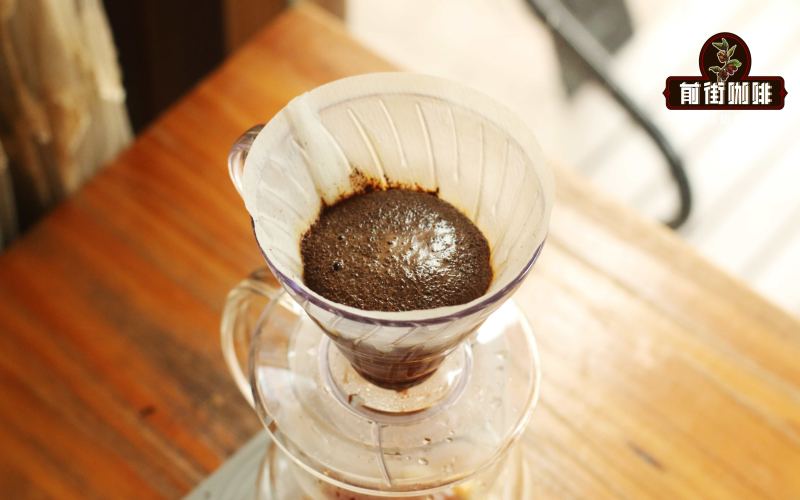
Does Clever Cup brewing require pre-infusion? A complete analysis from the principles of blooming to practical parameters
In the pour-over coffee process, blooming is almost an indispensable step, but when we switch to an immersion-style brewer like the Clever Cup, is it still necessary to keep this step? This article will start from the mechanism of blooming, and combine a comparative experiment using two beans—Front Street Coffee Ethiopia Yirgacheffe Red Cherry and PWN Golden Mandheling—to separately test the effects of blooming and direct pouring on the final flavor. Through detailed records of parameters such as grind size, water temperature, and coffee-to-water ratio, as well as a specific comparison of concentration and mouthfeel, we will help you understand what role blooming actually plays in immersion extraction and offer optimization suggestions worth trying. [more…]
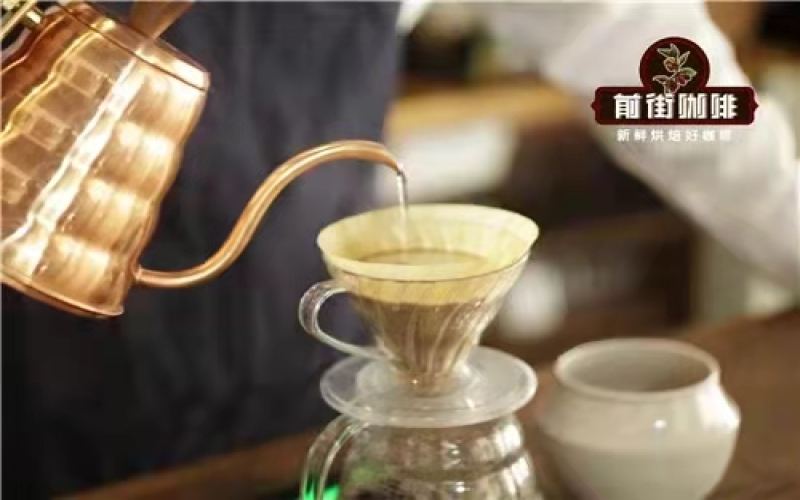
A Complete Analysis of One-Pour Hand-Drip Coffee: Operational Key Points from Blooming to Pouring and Differences Compared with the Three-Pour Method
The one-pour method is the seemingly simplest yet, in reality, most understanding-demanding brewing approach in pour-over coffee. It doesn't require complex staged pouring—just a single pour of the remaining water after blooming. But truly brewing a good cup of one-pour coffee tests not the technique itself, but a systematic command of coffee bean information and brewing parameters. This article will dissect the essence of this brewing method from the angles of the basic principles of the one-pour method, the scientific basis of extraction, the actual differences from multi-stage pouring, and how to judge blooming time, helping you understand why simple doesn't mean easy. [more…]
Pour-over coffee bloom not expanding? From roast level to pouring technique, understanding the causes of the hamburger effect in one article
Many coffee enthusiasts encounter a common puzzle during pour-over brewing: why doesn't the coffee grounds puff up into that beautiful "hamburger" shape during the blooming phase? Some people's first instinct is that the beans have gone stale, but the reality is far more complicated. The factors affecting the bloom's expansion include the degree of roast, bean freshness, grind size, water temperature, and pouring technique, among other dimensions. This article starts from the underlying principles, breaks down one by one how each variable affects the bloom, and offers Front Street Coffee's parameter recommendations for actual brewing, helping you understand the science behind the bloom so you no longer worry about a bloom that "won't puff up." [more…]
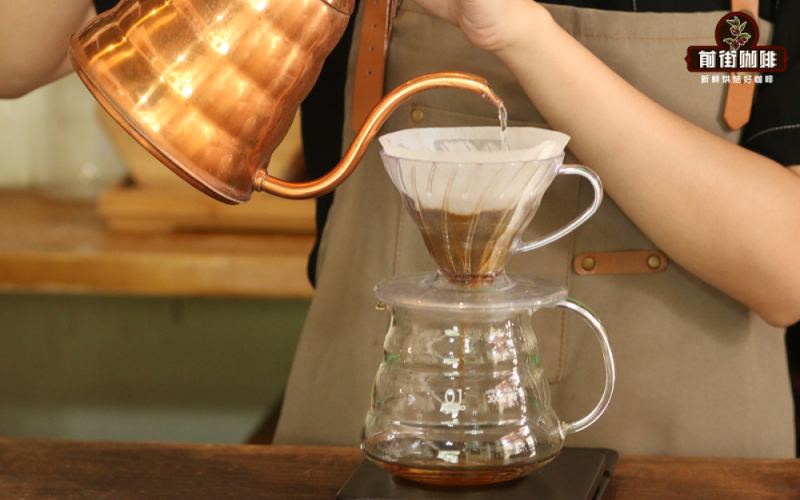
Coffee brewing technique tutorial | What are the technique and extraction principles of the three-pour method for pour-over coffee? Why is the hot water for brewing coffee divided into three pours?
Front Street Coffee (FrontStreet Coffee) entered the coffee industry in 2013, and has come step by step from coffee cultivation and coffee roasting to coffee service. Today, the more than 30 coffee beans displayed in the shop are only Front Street Coffee (FrontStreet Cof [more…]
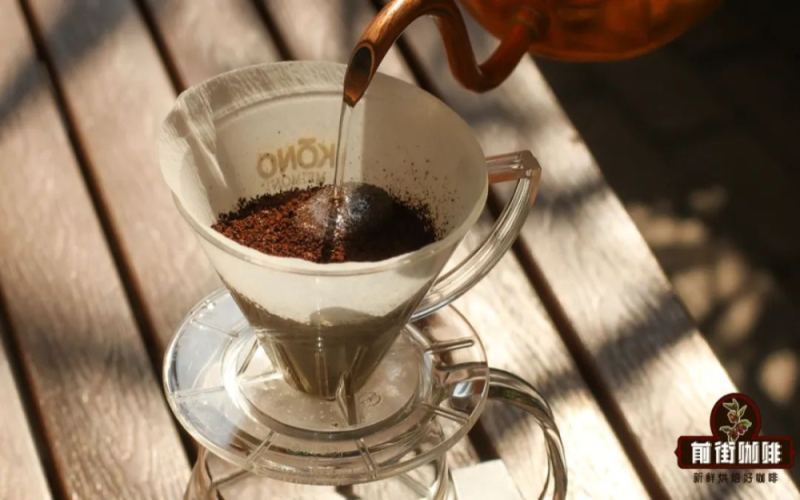
The Science of the Coffee Bloom in Pour-Over Brewing: Why We Bloom, and How to Master Water Volume and Timing
Blooming is an indispensable preparatory step in pour-over coffee before the actual pouring begins, known in English as "bloom." Many enthusiasts are accustomed to the practice of using twice the coffee grounds' weight in water, pouring in circles, and waiting 30 seconds—but what is the principle behind this formula? And what flavor differences arise from insufficient or excessive blooming? This article will systematically explain the purpose of blooming, key parameters, and judgment methods from the perspectives of carbon dioxide release and the water absorption state of the coffee bed, helping you adjust flexibly for beans of different roast levels and freshness, and brew a cup of pour-over coffee with even extraction and full aroma. [more…]