







The charm of hand-brewed coffee lies in the ritual of pouring water by hand, but many people can never reproduce the taste of a coffee shop at home, and the problem often comes down to four variables: water temperature, grind size, coffee-to-water ratio, and pouring technique. This article, from Front Street Coffee, approaches the topic from a practical standpoint and systematically explains the water temperature ranges for light-medium and medium-dark roasted beans, a grinding standard referenced by an 80% pass rate through a No. 20 sieve, and a recommended 1:15 coffee-to-water ratio. The article also breaks down in detail five hand-brewing techniques—the three-pour method, the European and American stir-and-bloom method, the Japanese drip method, the single-pour method, and the volcano pour—and offers actionable adjustments for bloom degassing, pouring rhythm, and the causes of failed extraction, helping coffee lovers consistently reproduce a cup of coffee with clear flavor.
Since the rise of the third wave of coffee, hand-brewed coffee has reached an increasingly wide audience. The folks at Front Street have always felt that completing the entire pouring process while holding the hand-brew kettle is itself a very ritualistic act. However, friends often report that no matter how they brew at home, they cannot reproduce the taste from a coffee shop, yet they do not know whether to start with bloom time, grind setting, pouring method, or water temperature. To brew a good pot of coffee, which steps should you really pay attention to? Below, Front Street Coffee explains one by one from four aspects: water temperature, grind coarseness, coffee-to-water ratio, and hand-brewing technique.
Water Temperature
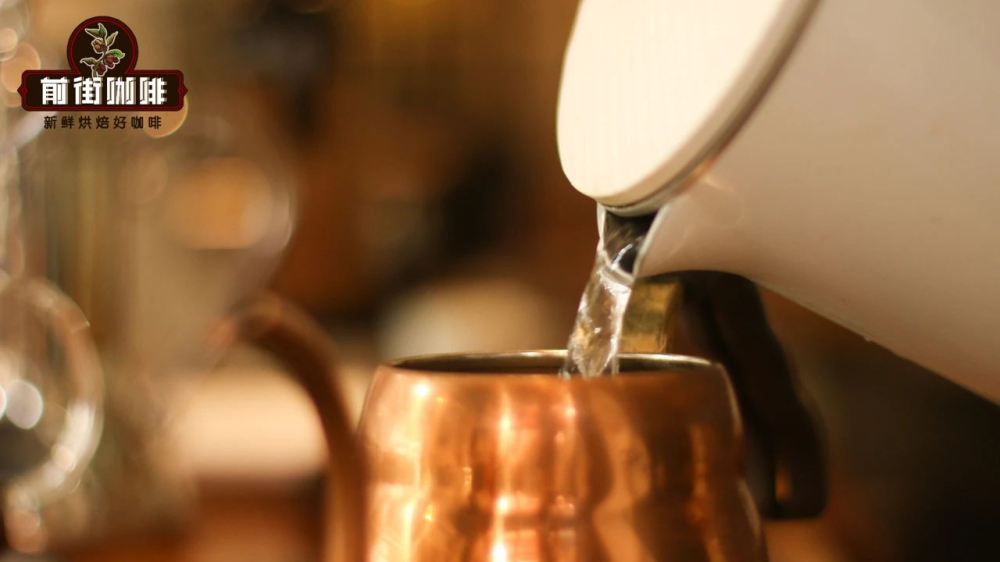
When the water temperature is higher, the extraction power is stronger, the coffee is more likely to taste bitter, and the mouthfeel is more intense; when the water temperature is lower, the extraction power weakens, the coffee is more likely to taste sour, and the mouthfeel is mild and light. The water temperature for hand brewing needs to be determined according to the roast level of the coffee beans: light-medium roasted beans are recommended at 91-93°C, and medium-dark roasted beans are recommended at 86-88°C. Front Street Coffee basically adjusts within this range. A customer once questioned this brewing temperature, so Front Street Coffee used Golden Mandheling, a dark-roasted bean, and brewed it at 86°C; the result was a mouthfeel almost comparable to espresso.
Generally speaking, darker roasted beans are suitable for lower-temperature water, and lighter roasted beans are suitable for higher-temperature water. Special attention should be paid here: if you brew dark-roasted coffee with high-temperature water, or brew light-roasted coffee with low-temperature water, the resulting flavor is unsatisfactory in both cases.
Grind Size for Hand-Brewed Coffee Beans
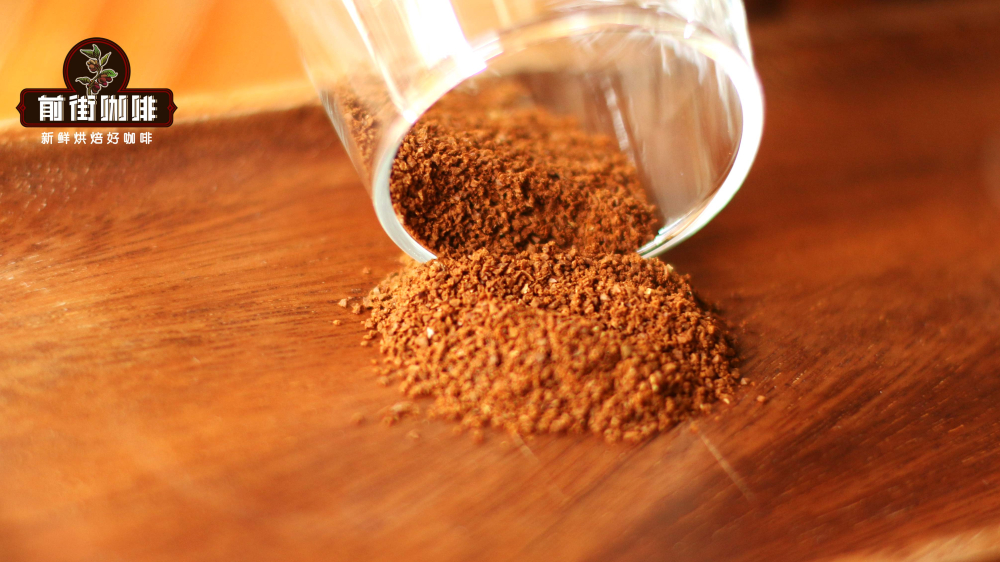
Grind size refers to the size of the coffee particles, and it directly affects the contact time between coffee and water. The finer the coffee grounds, the more substances can be extracted in the same amount of time, but if the grind is too fine, over-extraction is likely during the brewing process; conversely, the coarser the coffee grounds, the fewer substances are extracted in the same amount of time, but if the grind is too coarse, the coffee is prone to under-extraction. Front Street Coffee recommends using a pass rate of 80% through a Chinese standard No. 20 sieve as the hand-brewing grind size. This is a conclusion drawn from repeated tests and from the perspective of taste. It should be noted that different coffee beans require different grind sizes, so when the hand-brewed flavor is off, you can go back and check whether there is a problem with the grind size.
The finer the coffee is ground, the more the surface area increases, which means the extraction speed will be faster. Front Street suggests that if you usually brew medium-roasted beans and now want to brew light-roasted beans, you can adjust the grind finer. By the same logic, if you usually brew light-roasted coffee more often, then when brewing dark-roasted coffee you should grind slightly coarser.
Coffee-to-Water Ratio
The coffee-to-water ratio refers to the ratio of coffee grounds to brewing water. It affects the strength of the coffee and can be 1:10, 1:13, 1:15, or 1:16. Front Street Coffee recommends a 1:15 coffee-to-water ratio, which is relatively moderate in both strength and mouthfeel. Of course, everyone seeks a different coffee taste, so when extracting coffee you can adjust the coffee-to-water ratio according to the strength and mouthfeel you want.
Hand-Brewing Techniques
1. Three-Pour Brewing Technique
There are many kinds of hand-brewing techniques: three-pour, single-pour, drip method, volcano pour, stirring method, and so on. Front Street Coffee recommends that beginners use the three-pour method for hand-brewed coffee. This technique is suitable for light-roasted, light-medium, and medium-roasted coffee beans. The staged extraction approach of three pours can clearly define the front, middle, and back-end flavors of the coffee and can relatively reliably ensure the coffee's flavor presentation.
First Pour: Bloom (Helps Degassing)
During the roasting process in which green coffee beans become roasted beans, a series of chemical reactions and physical changes occur. After reaching a certain degree of roasting, a large amount of gas (mostly carbon dioxide) accumulates inside the coffee beans.
Generally speaking, the fresher the beans and the closer they are to roasting, the more bubbles usually appear during the bloom. Dark-roasted beans also release more gas during the bloom than light-roasted beans. Front Street Coffee's coffee beans are all freshly roasted, so customers are generally advised to rest the beans for three days first, letting the coffee beans release carbon dioxide first, which in brewing can avoid the problems of instability and under-extraction.
After the bloom releases gas, the coffee particles can absorb water evenly, which allows the later extraction to be uniform. A good bloom can allow the coffee grounds to degas quickly, fully, and evenly while also allowing the coffee grounds to fully and quickly contact water, helping the coffee grounds to be extracted evenly.
During the bloom, pay attention to the following four points:
1. Before pouring water for the bloom, first level the coffee grounds.
2. During the bloom, pour the water gently.
3. During the bloom, the extracted liquid dripping down should be as little as possible; when too much extracted liquid appears in the server, reduce the amount of water poured, or pay attention to the grind size. (If the bloom uses too much water and a large amount of coffee liquid drips down, the falling water does not stay but directly carries out substances from the outer part of the coffee grounds; the off-flavors and astringency in the outer layer of the coffee grounds also begin to dissolve out. The coffee brewed this way is both weak and yet has the off-flavors of over-extraction. If the bloom water is insufficient and no drops fall at all, then the coffee grounds have not absorbed enough water, some coffee has not degassed enough, and this will cause under-extraction.) Based on this situation, Front Street Coffee conducted many bloom tests and found that pouring water at twice the weight of the coffee grounds during the bloom is relatively appropriate.
4. The bloom time is about 30 seconds to 40 seconds. When the expansion on the surface of the coffee grounds ends, you will see the coffee surface begin to wrinkle and shrink. This indicates that the bloom is complete and you can begin pouring. (In terms of time, if the bloom is too long, the coffee is prone to bitterness and astringency; if it is too short, the soaking is insufficient, and the coffee may be under-extracted or may fail to fully express itself.) Generally speaking, the end time of the bloom varies from bean to bean, but Front Street Coffee found that this is not conducive to beginners' operation. After all, beginners value standardization and ease of use. Therefore, on the premise of ensuring that the coffee beans are still freshly roasted, Front Street Coffee recommends a bloom time of 30 seconds. Of course, experienced people can adjust the time themselves.
Second Pour
The second pour starts from the center, injecting a small stream into the bottom of the coffee bed. In order to concentrate the penetrating force of the stream, the circling range should be small, about the size of a coin, and then expand outward. From the start of the second pour, pay attention to the water amount and try not to exceed the height of the coffee bed; that is, when the stream circles to near the filter paper, you can stop pouring.
Third Pour
As the originally thicker coffee bed near the edge of the filter paper becomes heavier from absorbing water, it slides down and thins as the water level drops. When the water level drops by half, you can proceed with the third pour. From the start of the third pour, observe the extent to which the water level drops. Likewise, start pouring from the center and circle outward, and do not let the water amount exceed the height of the coffee bed. At this point you will also observe that the foam has covered the entire surface. The third pour should increase the tumbling of the coffee particles, causing all the settled particles to tumble and thereby dissolve soluble substances.
The rolling particles will begin to stop once the water is stopped. At this time, the flow rate caused by the dropping water level is what makes the coffee particles rub against each other. So once the water is stopped, the coffee particles sink downward, causing clogging, and special attention must be paid to the rhythm of pouring. If the pouring is interrupted too many times, it is tantamount to letting the coffee particles sit in the water all the time; as a result, the final stage of extraction produces astringency and off-flavors.
Causes of Failed Extraction and Ways to Improve
If you do not follow the key points of extraction, you will fail. For example, coffee grounds that are not fresh enough will not expand and cannot bloom sufficiently. If the coffee grounds are ground too coarsely, the hot water will drop through quickly; if the particles are too fine, they will clog the dripper and brew a coffee with strong astringency. If the grind is uneven, the flavor components entering the hot water will also be uneven, making it difficult to brew the taste you want.
When controlling the taste, also pay careful attention to the hot water temperature. You must not merely judge by eye; you must use a thermometer to measure accurately. This is the key to success. Keeping the filter bed intact is especially important; otherwise, the hot water will drip down while the components are not fully extracted, brewing a weak and tasteless coffee. In the latter half of extraction, the proportion of unnecessary components increases, so proceed quickly to reduce the extraction of unnecessary components.
Front Street Coffee takes Front Street Colombia Sidra coffee as an example for brewing.
Take Front Street Colombia Sidra coffee beans as an example. This is a single-origin coffee from Finca La Divisa in the Huila producing region, grown at an altitude of 1,700 meters, using double anaerobic natural processing. Ground into coffee powder, it has a very rich aroma of grapes, passion fruit, and citrus, and when brewed as black coffee it has a rich and clear grape-juice character .
2. The Stir-and-Bloom Method Popular in Europe and America
Suitable for light-roasted coffee beans
European and American stirring method: during the bloom stage, use a stirring stick to stir in a cross pattern. It is also a branch of the three-pour method and became a hand-brewing technique after Matt Perger, the 2012 World Brewers Cup champion. This practice can effectively enhance the release of aromatic substances in coffee beans, amplify the flavor strengths of the coffee beans, and strengthen the coffee's mouthfeel so that it is not too thin.
The stirring method has very high requirements for coffee bean quality. If poorer coffee beans are used, it will amplify their undesirable flavors. In addition, the stir-and-bloom method is more suitable for brewing light-roasted coffee beans. In terms of grind size, a relatively fine grind is often used, which can increase the water contact area of the coffee grounds and improve the extraction yield. But if the degree of stirring is not handled well, over-extraction is also easy.
Therefore, we also recommend pairing it with hand-brewing equipment known for fast extraction. The Hario v60 dripper uses alternating long and short spiral extraction ribs, which increases the flow speed, and the cloud-like design of the Hario Buono hand-brew kettle, with its wide base, can provide stronger penetrating power for the poured stream, keeping fine particles tumbling for a longer time. This point is very important, because while the coffee grounds are tumbling, the release of internal substances is paused, thus avoiding the extraction of off-flavors caused by long soaking.
3. Japanese Drip Pouring Method
Suitable for medium-roasted or darker-roasted coffee beans
The drip pouring method is also called essence-style extraction: the drip method uses a weaker stream, disturbs the coffee bed as little as possible, reduces convection, and increases soaking time. Coffee made with this Japanese technique has high body, high sweetness, is rich and smooth, and has a distinct texture.
Because the hand-brew kettle needs to dispense water drop by drop, it is suitable to choose a flat-cut wide-mouth spout or a wide-mouth crane-neck kettle. The advantage of this kind of hand-brew kettle is that the thickness of the stream is highly controllable, making it more adaptable to the drip pouring method. Paired with Kono's conical dripper, whose ribs stop before reaching half the height of the dripper, this design allows the filter paper to fully adhere to the cup wall after absorbing water, greatly limiting the degassing space. This method is more suitable for medium-roasted or darker-roasted coffee beans.
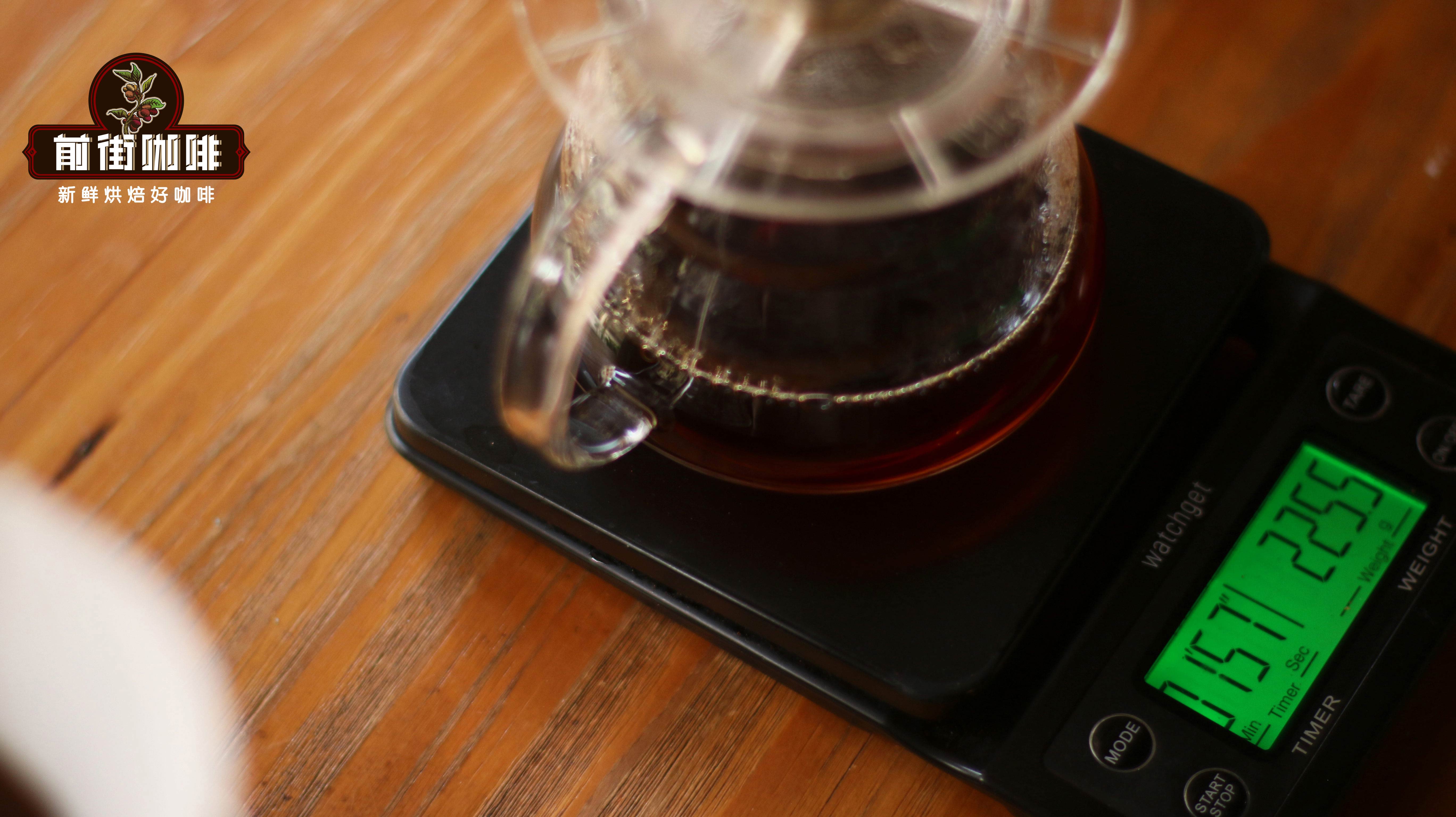
When starting to pour, we use drop-by-drop pouring, which increases the soaking time. Under a low coffee-to-water ratio, it allows the coffee grounds to fully expand without producing any off-flavors. After that, use a fine stream and then a coarser stream to extract the floral and fruity aromas in the front section of the coffee. The whole process takes about 4-5 minutes.
4. Single-Pour Brewing Technique
Its meaning is that after the bloom, only one uninterrupted pour is made, hence the name. After the bloom, one uninterrupted pour can keep the coffee grounds continuously soaked in water, allowing the retained liquid to fully release the aromatic substances in the coffee grounds. The flow rate continuously increases, and before the water amount rises above the dripper, reduce the stream. This technique mainly controls the amount of water poured and the flow rate. You must know when to pour so as to extract the full range without losing balance. An unsuitable pouring method will destroy the coffee's overall balance.
This approach mainly maintains a mild flavor and a sense of balance. The downside is that if the pouring technique is not well controlled, water passes through the filter paper at the edge above the layer without coffee grounds and drops down, so the coffee produced may be mixed with a watery taste.
5. Volcano Brewing Technique
The "volcano pour" technique originates from Japan and is suitable for dark-roasted coffee beans, because these coffee beans contain more carbon dioxide. By using the carbon dioxide in the coffee beans and going through multiple blooms, the coffee grounds swell up like a volcanic eruption. The "volcano pour" mostly uses a flannel filter cloth and a V60 dripper for brewing. Because the coffee bed is thicker in the center, water is poured into a spot about the size of a coin in the middle of the coffee grounds. The first half focuses on full extraction without breaking the coffee bed, while the second half pours evenly to prevent over-extraction of the coffee grounds in the center and to dilute the brew.
Advantages: The coffee has a mellow mouthfeel and obvious sweet aftertaste.
Disadvantages: The first half is over-extracted and the second half is under-extracted, making the coffee liquid uneven. It must be fully swirled after brewing to blend into a perfect coffee. But swirling will lower the coffee's temperature; if high-temperature extraction is used to maintain temperature, it will make the coffee dry and astringent.
For more specialty coffee beans, please add the private WeChat of Front Street Coffee. WeChat ID: kaixinguoguo0925
The above content is compiled by CoffeeHunters, a coffee news website.


