







Search Results for: Black Gold Americano
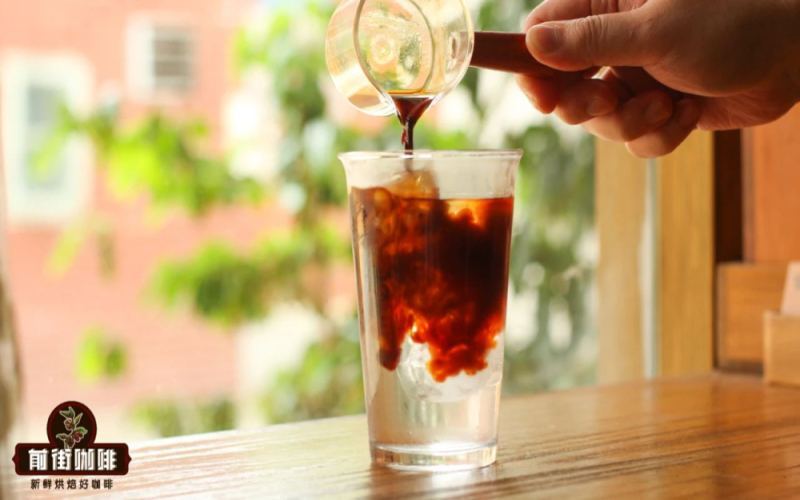
Summer Sparkling Americano Iced Coffee: Key Preparation Points and a Full Explanation of the Flavor Sources of Black Gold Americano
In the scorching summer heat, Guangzhou locals have their own clever ways to cool down, and the collision of soda and coffee—sparkling iced Americano—is becoming a favorite among many coffee lovers. This drink uses simple ingredients, requiring only ice cubes, soda water, and espresso, but if you want to make it refreshing and delicious, the choice of ingredients and attention to detail cannot be overlooked. This article starts with the selection of soda water, ice cubes, and coffee beans, explains in detail how to obtain a high-concentration coffee liquid through pour-over methods, and provides complete ratios and brewing parameters. At the same time, the article will also introduce fruit-flavored coffee beans suitable for making sparkling Americano, including Front Street. Washed Fruit Dingding, Front Street. Strawberry Candy Espresso, and Front Street. Xizhua, and answer the flavor characteristics of Black Gold Americano coffee, helping you easily replicate a cup of refreshing specialty coffee. [more…]
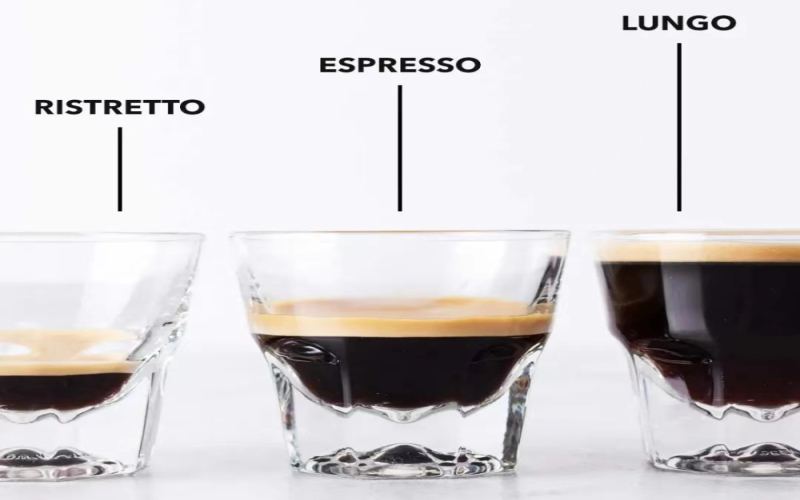
How Does a Long Black Differ from a Lungo and an Americano? A Comparative Analysis of Australian-Style Black Coffee and Lungo Coffee Flavors
In Australia and New Zealand, besides the Flat White, there is another equally beloved black coffee—the Long Black. It contains no milk, yet it is milder than Espresso and carries less of a caffeine burden than Americano, which is why it is so popular locally. Many enthusiasts easily confuse it with Lungo, as the two look similar but actually follow different extraction logic. In this article, Front Street Coffee will sort out the relationship between Lungo, Espresso, and Ristretto, explain Lungo's preparation method and parameter references, and compare the differences in flavor, crema, and concentration among Long Black, Lungo, and Americano, helping readers understand more clearly the essential differences between these black coffees. [more…]

Luckin Coffee Teams Up with Honor of Kings to Launch Ten Co-branded Themed Cups, Store Employees Say the Pressure to Identify Them Is Intense
Luckin Coffee's collaborative campaign with the hit mobile game Honor of Kings has officially launched, coinciding with the game's tenth anniversary celebration and drawing widespread attention from players. The collaboration features a special drink inspired by in-game equipment called "Pain Mask · Tamarind Americano," along with merchandise such as hand fans, insulated tumblers, and gold-stamped badges. During the campaign, stores nationwide are using a three-piece collaboration set consisting of takeaway cups, cup sleeves, and paper bags, with the most eye-catching item being as many as 10 themed cup designs covering 5 game characters. The rich variety has thrilled players but placed a double burden on store staff in terms of identification and stocking. Front Street Coffee continues to follow developments in the coffee industry and brings you frontline observations. [more…]

Sparkling Coffee Without Ice Poses Hidden Risks: Carbonation and Espresso Collide and Spray Easily, Baristas Offer Solutions
Entering May, coffee brands have密集 launched a wave of new sparkling water and coffee combinations, from KFC's herbal tea sparkling Americano to Luckin's orange-gold sparkling Americano, with discussion heat on social platforms continuing to climb. However, for in-store baristas, more troublesome than taste controversies is when customers insist on removing or reducing ice, the instant the carbonated water meets the espresso, a violent bubbling reaction occurs, even overflowing the cup lid and spilling across the counter. This article sorts out recent developments in various brands' sparkling new products, the causes of splashing and operational techniques, as well as the ice-amount game between brands and consumers. Front Street Coffee reminds that when tasting such drinks, one should also pay attention to the carbonation characteristics to avoid affecting the experience. [more…]

Luckin's zero-sugar hit returns, stirring up waves again: Formula overhaul brings big taste changes, amid sugar substitute controversy and health concerns
Luckin Coffee recently relaunched last year's hit Coconut Cold Brew, and has announced that in May it will bring back popular products such as Orange Golden Sparkling Americano in phases. However, the reformulated zero-sugar version has sparked polarized reviews among consumers—some complain it's like "waiting for a cheating scumbag to change," with a taste vastly different from what they remember, while others question the medicinal taste brought by artificial sweeteners. From packaging updates to health controversies, this round of comebacks reflects the brand's difficult balancing act between the sugar-reduction trend and faithful flavor reproduction. This article sorts through the details of the product iterations and genuine feedback from netizens, and cites a University of Southern California study on how artificial sweeteners affect appetite, to explore whether zero-sugar drinks are truly healthier. [more…]
Complete Guide to Mandheling Coffee: From the Origin of the Name to Front Street Golden Mandheling Brewing and Flavor Characteristics
Mandheling is a highly recognizable name in the coffee world, but its origin is actually a "double misunderstanding." This article will sort through the story behind the Mandheling name, its varietal classifications, and why Front Street Gold Mandheling is regarded as the standout among them. We will also discuss PWN Green Bean Company's exclusive registration of the "Gold Mandheling" trademark, its strict screening process, the flavor foundation brought by the wet-hulling method, and provide specific parameters and staged extraction techniques for brewing Front Street Gold Mandheling at home. Whether you want to understand the characteristics of Mandheling or want to brew a cup of rich, solid black coffee, this content can give you clear reference. [more…]
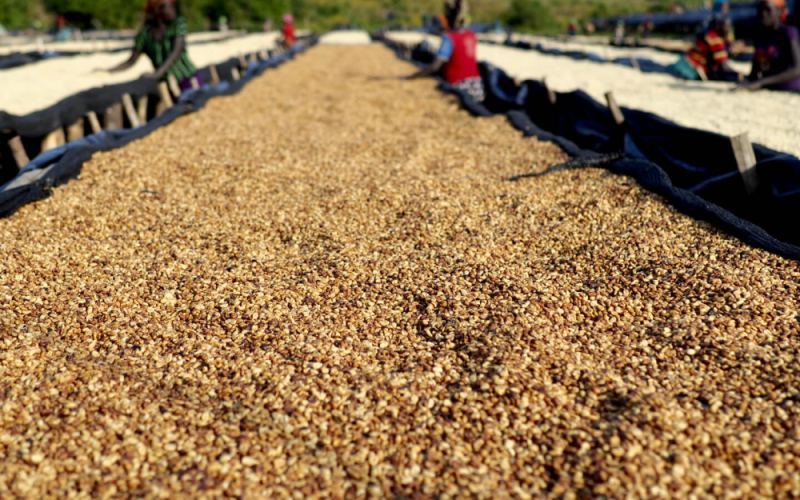
Ethiopia Gesha Village Estate Gold Label Natural Geisha: A Full Analysis of Plot Varieties, Production Grading, and Flavor & Brewing
Located in the Bench Maji region of Ethiopia, Gesha Village Coffee Estate has risen to prominence in the specialty coffee world in recent years, with its various grades of Geisha beans frequently appearing on the stage of world-class coffee competitions. The estate divides its growing areas into eight blocks, planted respectively with varieties such as Gori Gesha, Illubabor, and Gesha 1931, and establishes a five-tier system based on cupping quality: Auction, Gold, Red, Green, and Chaka. This article will guide you through the geographical environment of Gesha Village Coffee Estate, the varieties and flavor characteristics of each block, analyze the definition and value of the Gold tier, and use Front Street Coffee's this season's sun-dried Gold selection from the Oma block as an example to share the varietal background, brewing parameters, and cupping performance of Gesha 1931. [more…]
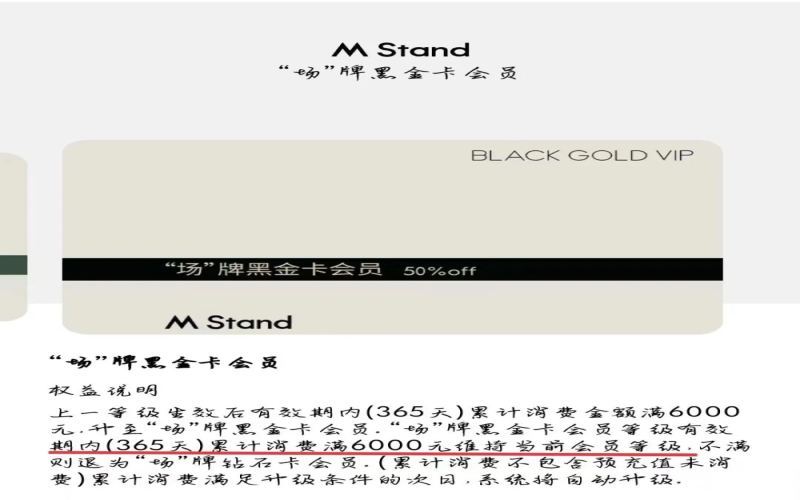
Mstand black gold membership requires an annual spend of 6,000 yuan to retain status, yet scalpers who place orders on behalf of others enjoy a 1.5 discount, sparking dissatisfaction among members.
Chain coffee brands often attract loyal customers with membership discounts, and Mstand's black gold card 50% off benefit was once a reason for many consumers to keep spending. However, some members have discovered that to maintain their status, they need to accumulate spending of 6,000 yuan within a year, which translates to buying 316 discounted drinks to meet the threshold, while scalpers offering proxy orders on second-hand platforms can provide discounts as low as 15% off, and they have not been banned. What confuses members even more is that when they helped friends place proxy orders, they were banned by the system. When official membership discounts are far inferior to scalper prices, the appeal of the membership system is being tested. If the brand tacitly allows proxy orders to exist, will it lose more loyal users? [more…]
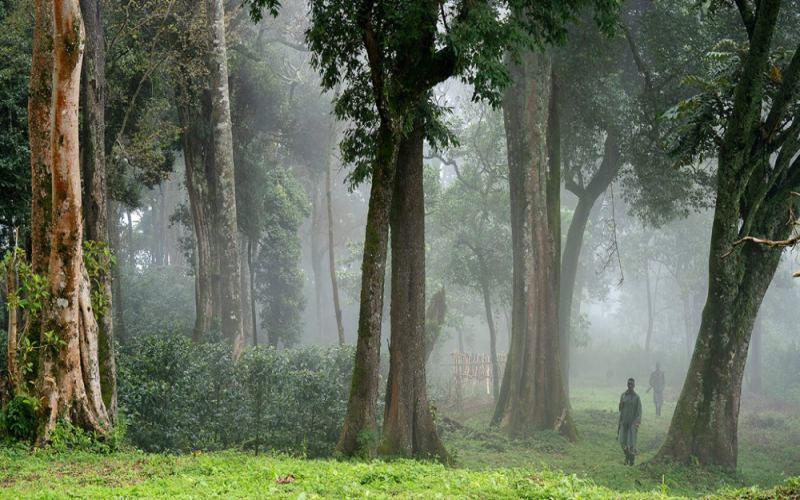
Exploring Ethiopia's Gesha Village Gold Label: What Makes This Rare Lot, Only 3.7% of Annual Production, So Unique?
Located in the Bench Maji region of Ethiopia, Gesha Village has become a focal point of great interest in the specialty coffee world in recent years. The coffee beans produced by this estate have repeatedly been selected by world-class coffee competition contestants, helping Ethiopian coffee return to its peak. Gesha Village classifies its coffee into several grades, including Auction, Gold, Red, Green, and Chaka, among which the Gold batch accounts for only about 3.7% of the estate's annual production, making it extremely rare. This article will take you deep into Gesha Village's geographical environment, the varieties and flavor characteristics of its eight blocks, its grading system, and Front Street Coffee's brewing recommendations for this season's Gold Gesha, presenting a complete guide to Gesha Village for coffee enthusiasts. [more…]
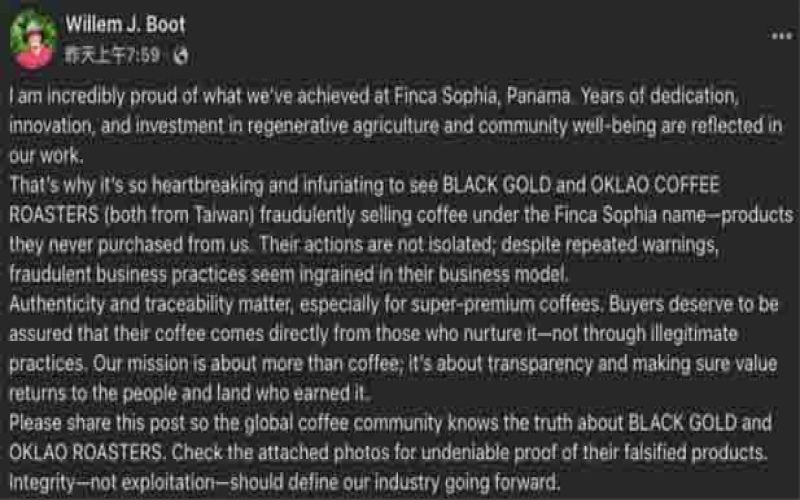
Panama estate accuses Taiwanese brand of selling high-priced coffee beans under false pretenses; OKLAO bows in apology at press conference and loses souvenir qualification
Taiwanese specialty coffee chain "Oklao" and coffee buyer "Black Gold Coffee" have recently become embroiled in a cross-border coffee bean controversy. Willem J. Boot, the owner of the renowned Panama estate Finca Sophia, publicly accused the two of selling coffee products under the name "Finca Sophia" in both 2023 and 2025 without ever purchasing from the estate. The incident continued to escalate: Black Gold Coffee went from initially denying it to deleting its post and apologizing, while Oklao held a press conference on December 19, at which its chairman and general manager bowed in apology, admitting that internal operational errors led to the estate name being mislabeled. A local regulatory authority investigation determined that the product labeling did not match the source, and as a result Oklao had its "Taichung Top 10 Souvenirs" award eligibility revoked and faced consumer returns and compensation. This article provides a complete rundown of the incident timeline, both parties' responses, and the subsequent fallout, so coffee enthusiasts can understand the full story behind this brand trust crisis. [more…]
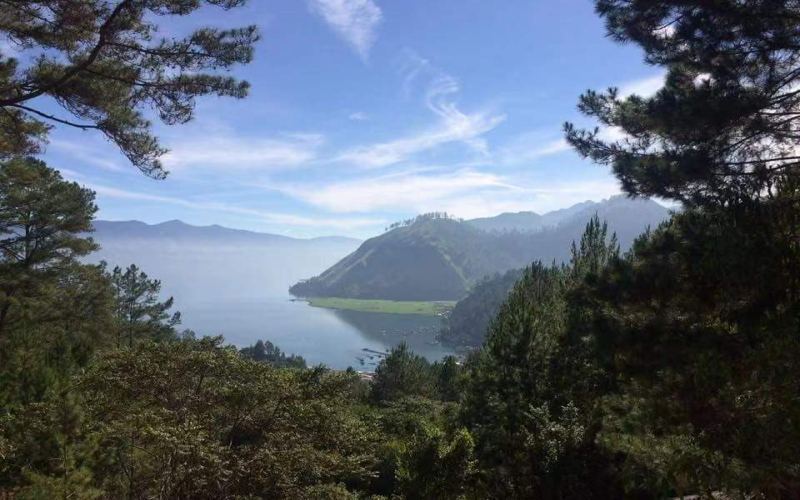
The Hometown of Sumatra Mandheling: An In-Depth Analysis of Aceh's Nagan Raya Regency and the Gayo Mountain Coffee Region
Fans of Front Street Coffee's Golden Mandheling are certainly no strangers to Indonesia's Sumatra producing region, where the coffee is renowned for its rich, complex roasted aromas, often featuring notes of caramel, spice, herbs, roasted hazelnut, and dark chocolate. This article starts from the overall landscape of Indonesian coffee, tracing the history and current state of Sumatra's two core producing regions—Lake Toba and Lake Tawar—with a focus on why the Gayo Highlands in Aceh have become Sumatra's finest coffee-producing area today, and explaining the origin of the name "Mandheling." The article also recommends two Mandheling coffees from the Front Street Coffee bean list—Lintong Mandheling and PWN Golden Mandheling—as well as the Front Street classic espresso blend, suitable for espresso machines and moka pots, helping enthusiasts choose according to their needs. [more…]
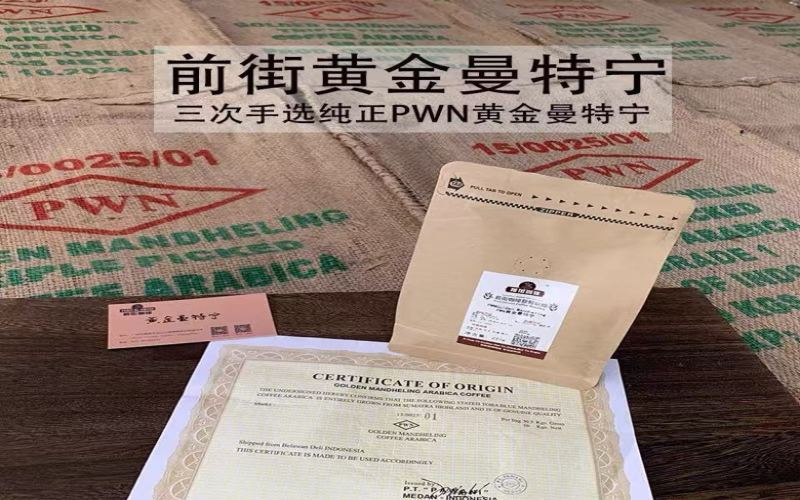
Region Selection for Rich Crema Beans: Crema Performance of Mandheling, Brazil, and Blue Mountain
The crema performance of espresso differs noticeably across growing regions. Mandheling, Brazil, and Blue Mountain are three representative origins, each with its own crema characteristics, suited to drinkers with different taste preferences. Mandheling is the choice for crema thickness. The Mandheling region uses wet-hulling processing, during which more pectin layer remains on the surface of the beans, add [more…]
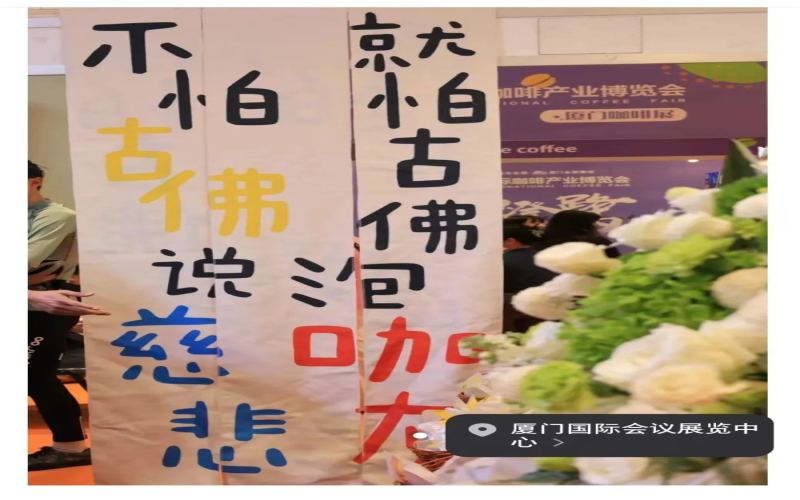
When Monks Pick Up Pour-Over Kettles: How Temple Coffee Went from Lingyin Temple to a Xiamen Expo
When a "monk" dressed in a long robe calmly brewed coffee with a Fellow gold kettle in hand at the Xiamen International Coffee Industry Expo, onlookers rushed to raise their phones. This scene at the Bitter Coffee booth, paired with the backdrop slogan "Fear not the ancient Buddha speaking of compassion, fear the ancient Buddha brewing coffee," quickly sparked heated discussion on social media. From Lingyin Temple in Hangzhou being mobbed at the beginning of the year to temples across the country setting up coffee bars one after another, "temple coffee" has evolved from an internet sensation into a unique coffee culture phenomenon. Cibei, Jianfo, Xide—these names carrying Zen connotations are redefining the way young people drink coffee. This article will take you through a review of this craze that has spread from Buddhist sanctuaries to coffee exhibitions. [more…]

Ethiopia Gesha Village Golden Label Geisha: Oma Block Natural Flavor and Cupping Performance
When Geisha is mentioned, most people first think of Panama, but the roots of this legendary variety actually lie in Ethiopia. Front Street Coffee recently tested a Gold Label lot from Gesha Village, produced on the Oma block, of the Geisha 1931 variety, using a refined natural process. Gesha Village was founded around 2009 by Adam Overton and Rachel Samuel, who established the farm after finding wild Geisha in the Gori Gesha forest, and it is one of the rare large estates that grows only the Geisha variety. This article will present a complete picture of this African Geisha's performance and flavor profile, from the estate's history, variety classification, and the flavors of its eight blocks, to the Gold Label grade, natural process, roasting curve, and cupping and brewing. [more…]
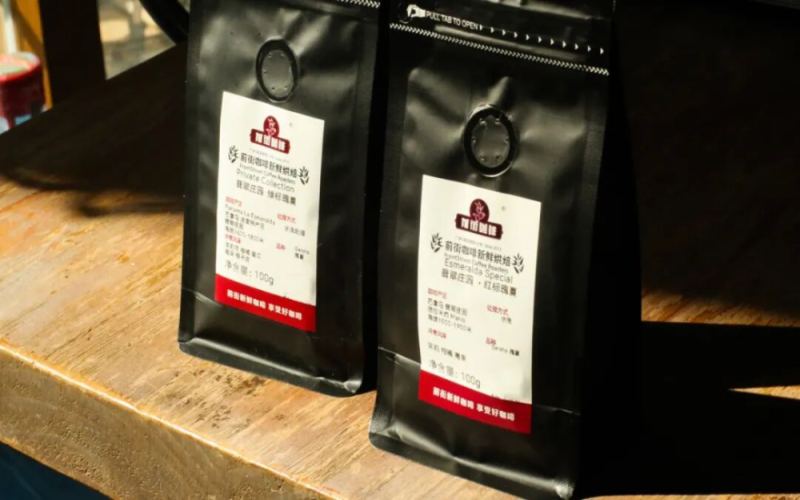
Geisha Coffee Origin Flavor Analysis and Brewing Guide: Specialty Bean Recommendations from Panama to Ethiopia
Gesha coffee, with its delicate floral aroma and rich fruit notes, has become a favorite among many coffee lovers. This article starts from the places of origin, sorting out the flavor differences between the two representative Geshas of Panama and Ethiopia, and offers specific purchasing options for different grades: from entry-level Grana Gesha, to estate-level Gesha Village Gold Label and Red Label, and to medium-roast beans suitable for making SOE, all are covered. It also introduces two extraction approaches, pour-over and espresso, helping readers find a suitable Gesha coffee based on their own stage and taste preferences, and experience this variety's unique charm in aroma, acidity, and sweet aftertaste. [more…]
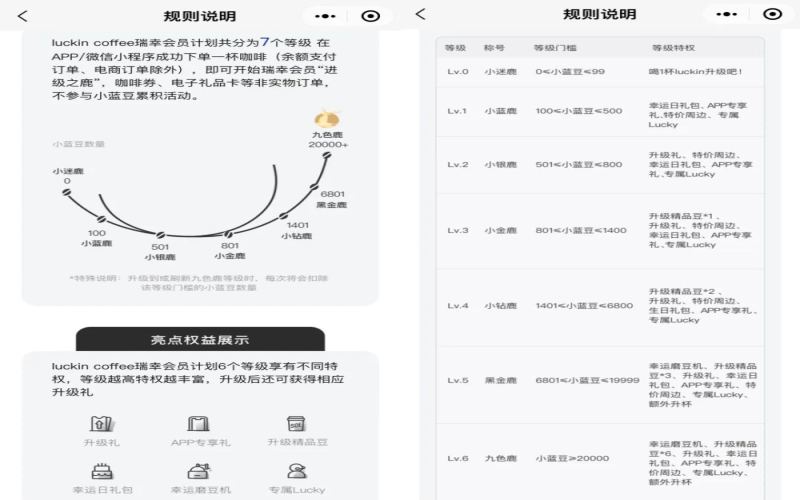
Luckin membership tiers become a leveling-up target? Employees complain about unusual notes on large orders, and the Nine-Colored Deer perks are being abused
Luckin Coffee achieved a strong comeback in the market thanks to its affordable prices and membership tier benefits system, but this has also given rise to tier-farming chaos. Recently, some employees revealed that certain consumers, in order to quickly climb to the Nine-Colored Deer or Black Gold Deer tier, pressure stores by placing large orders and then maliciously requesting refunds or leaving bad reviews. "Nine-Colored Deer tier-boosting" services have even appeared on second-hand platforms. This battle over membership tiers has not only increased the burden on store employees but also sparked discussions about consumer ethics and business rules. [more…]
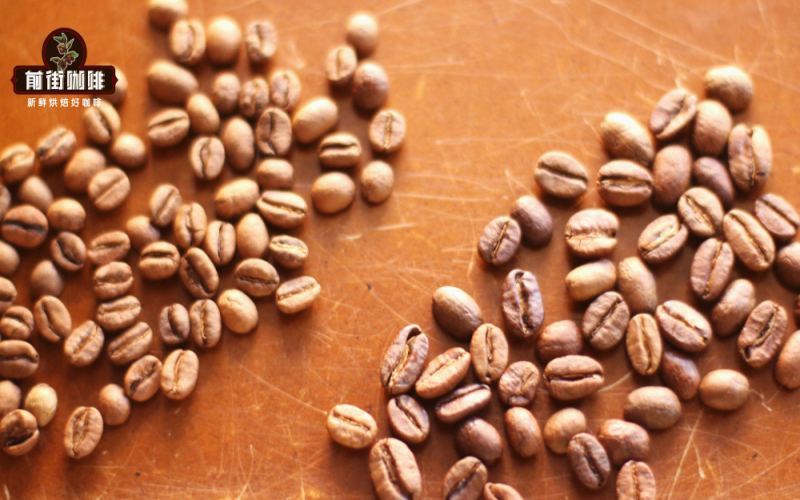
A Complete Analysis of Geisha Coffee Grade Naming and Huakui Coffee Flavor: The Meaning of Red Label and Gold Label and Their Differences
Geisha and Huakui—what stories truly lie behind these two names that are so often confused with each other? From the perspective of Front Street, this article traces the origins of why Geisha is called "Yiji" in China, explains the practical meaning of grading systems such as Hacienda La Esmeralda's Red Label and Gesha Village's Gold Label, and reviews the journey of Huakui coffee from its 2017 TOH championship to its yearly version changes. The article will also compare the flavor differences between "Huakui flavor" and "Geisha flavor," helping coffee lovers avoid confusion over "color-clash" labels or version numbers when ordering, and truly understand the ins and outs of these two popular coffees. [more…]
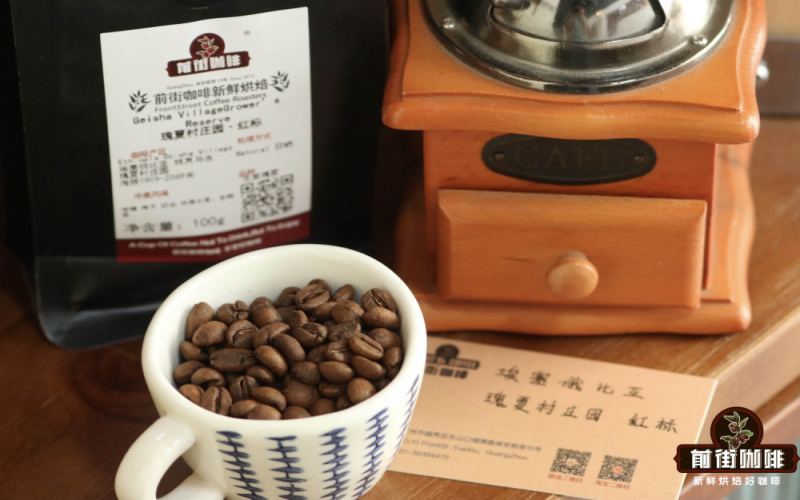
Exploring Ethiopia's Gesha Village Estate: From Plot Terroir to Gold Label Grading and Brewing Guide
Located in the Bench Maji region of Ethiopia, Gesha Village Coffee Estate has in recent years become a name impossible to overlook in the specialty coffee world. The Ethiopian Gesha coffees of various grades produced by this estate appear frequently in world-class coffee competitions, bringing this coffee kingdom of Ethiopia back into the spotlight. From the entrepreneurial story of Adam and Rachel, to the variety and flavor differences among the eight blocks, and to the strict grading systems such as Gold Label and Red Label, Gesha Village interprets its pursuit of quality with近乎苛刻 standards. This article will also present the cupping performance and brewing parameters of Front Street Coffee's new-season Gold Label Gesha for coffee enthusiasts' reference. [more…]

When the Coffee Startup Dream Fades: The Industry Truth and Survival Rules Behind the Surge in Second-Hand Equipment Recovery
Once upon a time, opening a coffee shop was seen by countless people as the ideal path to escape the 996 work grind and embrace poetry and distant lands. Reality, however, is like an unsweetened espresso—bitter enough to catch you off guard. In recent months, warehouses of second-hand coffee equipment recyclers have been bursting at the seams, and self-deprecating posts about "money-losing cafés" have proliferated on social media. From the vengeful wave of shop openings at the start of the year to the current wave of closures, the coffee industry is undergoing a brutal shakeout. Some are cutting their losses helplessly, others are struggling to hang on, and surprisingly, many entrepreneurs' first pot of gold has come from selling off the coffee machines they once bought at great expense. This article takes you deep into this phenomenon, dissecting the business logic and survival challenges behind coffee entrepreneurship—if you're also preparing to open a shop, perhaps you should first read these real stories. [more…]

Brewing Golden Mandheling with a French Press: Easily Make a Gold Cup-level Hand-ground Black Coffee at Home
To easily enjoy a good cup of coffee at home, a French press is a simple and practical choice. It doesn’t require complicated equipment, nor does it demand precise pouring techniques; as long as you get the coffee dose, water temperature, and steeping time right, you can brew a black coffee with a rounded, notably sweet flavor. This article begins with the French press’s origins and improvements, explains why it suits medium-dark roasted beans, recommends Front Street Coffee PWN Golden Mandheling, and then breaks down the brewing process and cleaning points step by step, so you can get a rich cup that aligns with the Golden Cup concept in the most effortless way. [more…]