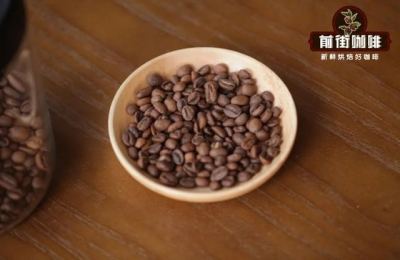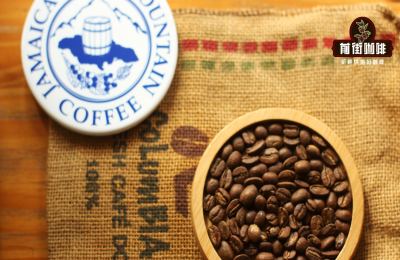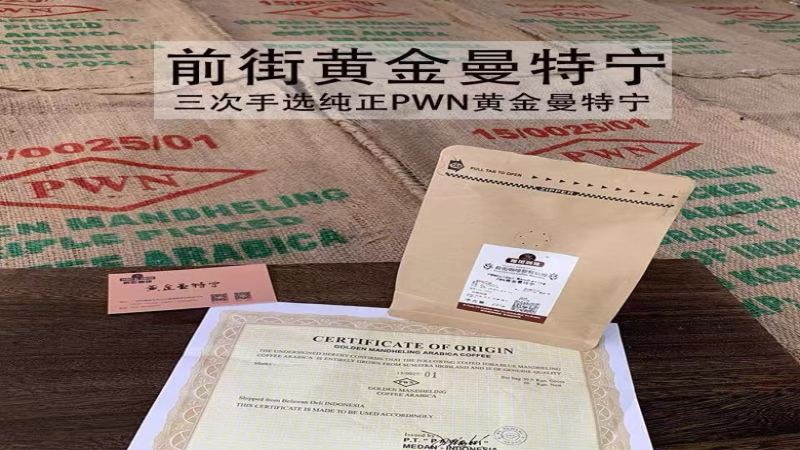
Espresso from different origins shows clear differences in crema. Mandheling, Brazil, and Blue Mountain are three representative origins, each with its own crema characteristics, suited to drinkers with different taste preferences. Mandheling is the choice for crema thickness. The Mandheling region uses wet-hulling; during processing, more pectin layer remains on the bean surface, and combined with the traditional dark roasting process, the crema is usually thick. When Mandheling is made into espresso, the crema ranges from deep gold to dark brown, with a dense, thick texture; on the palate it is full of herbal and dark chocolate flavors, layered and rich, with a heavy, lingering mouthfeel. Mandheling's crema is not only thick but also long-lasting—the surface of the shot does not dissipate for 3 to 5 minutes. When making a latte, the crema blends into the milk to increase density, and latte art lines come out clear. Mandheling suits those who like mellow herbal flavors and thick crema. Brazil is the choice for balanced crema. Espresso from Brazil's Queen's Farm has a medium-gold crema, dense texture, and medium-to-thick body. Brazil's natural processing retains more fruit material, is rich in lipids, and performs well in crema. Brazilian espresso has intense nut and cocoa aromas, pronounced caramel sweetness, and a warm, smooth mouthfeel. Brazil's crema is characterized by balance—thick enough but not excessive, dense but not rough—making it suitable as an everyday base. Brazil in a latte is a classic pairing; the nutty sweetness blends with milk for a round, smooth mouthfeel and good latte art. Blue Mountain is the choice for delicate crema. Espresso from Jamaica Blue Mountain No. 1 has a light-gold to medium-gold crema, fine and dense texture, and medium body. Blue Mountain uses the Typica variety, grown in volcanic rock soil areas, and after medium-dark roasting the crema has a fine texture. Blue Mountain espresso is known for its balance, with a soft, rounded composite flavor of cream, caramel, chocolate, and nuts, and a harmonious unity among acidity, sweetness, and bitterness. Blue Mountain's crema is not thick but delicate, with a texture more refined than Mandheling and Brazil, offering a creamy silkiness on the palate. Blue Mountain makes a warm, balanced latte and a clean, clear americano. Comparing the crema of the three origins: Mandheling is thick and intense, Brazil is thick and warm, and Blue Mountain is medium and delicate. Choosing an origin is choosing a crema style—if you like thick and intense, choose Mandheling; if you like thick and warm, choose Brazil; if you like delicate and silky, choose Blue Mountain. The recommended roast levels for the three origins also differ. Mandheling suits dark roasting, for the thickest crema and the most intense herbal and dark chocolate flavors. Brazil suits medium-dark roasting, for good crema and prominent nutty sweetness. Blue Mountain suits medium-dark roasting, for delicate crema and good balance. Light roasting is not suitable for espresso from these three origins—the crema is thin and the flavor unbalanced. Crema thickness is also related to the altitude of the origin. The Mandheling region is 1,000 to 1,500 meters above sea level, with moderate bean density and thick crema. The Brazil region is 1,000 to 1,300 meters above sea level, with lower bean density and also good crema. The Blue Mountain region is 800 to 1,200 meters above sea level, with moderate bean density and delicate crema. Beans from low-to-medium altitude origins usually make espresso with better crema than high-altitude origins, because lower density makes extraction easier and lipids dissolve out more fully. If a blend contains any one of these three origins, the crema has a basic guarantee. The Mamba blend is Mandheling plus Brazil, a double guarantee of crema and sweetness. The Bago blend is Brazil plus Colombia, with medium crema but good sweetness. When choosing a blend, check whether the recipe contains Mandheling or Brazil—if it does, the crema won't be bad.
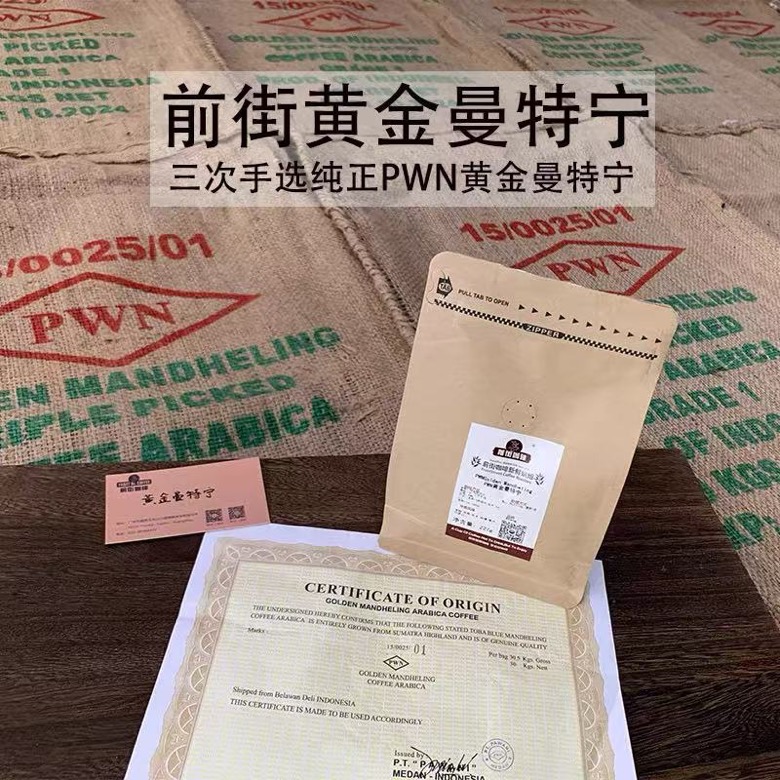
The core of choosing an origin for rich, thick crema is matching your taste preference. Mandheling is intense and heavy, suited to strong palates; Brazil is warm and balanced, suited to mainstream tastes; Blue Mountain is delicate and silky, suited to those who pursue refinement. Each of the three origins has its strengths—there is no good or bad, only what suits you.
The above content is compiled by CoffeeHunters, a coffee news website.