







Why the Return of Luckin's Americano Coffee Line Stirred Debate
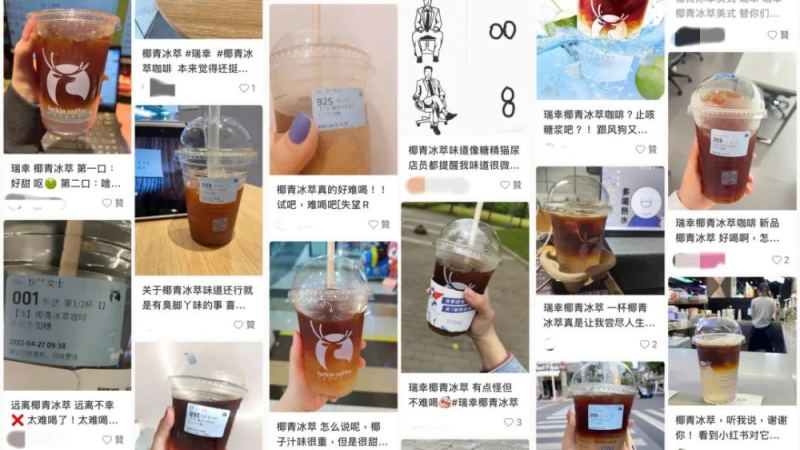
Luckin Coffee has brought back its Coconut Cold Brew and will reintroduce popular drinks in phases through May, including the Orange Gold Sparkling Americano in early May and further items for fruit latte and americano coffee fans later in the month. The relaunched zero-sugar version uses an adjusted formula, and reviews have split sharply over its taste.
Complaints centered on an overly sweet, muddled flavor and a medicinal note from sugar substitutes, alongside disappointment that the EDG collaboration cup sleeves appeared only in selected cities. The article also cites a University of Southern California study on how artificial sweeteners affect appetite to question whether zero-sugar drinks are genuinely healthier.
Luckin Coffee recently brought back last year's hit Coconut Cold Brew and announced that in May it will reintroduce popular items such as Orange Gold Sparkling Americano in phases. However, the zero-sugar version with an adjusted formula has sparked polarized reviews among consumers—some complain it's like "waiting for a cheating ex to change," with a taste vastly different from what they remember, while others question the medicinal flavor brought by sugar substitutes. From packaging updates to health controversies, this comeback reflects the brand's difficult balance between the sugar-reduction trend and flavor restoration. This article sorts out the details of product iterations, real feedback from netizens, and cites a University of Southern California study on how artificial sweeteners affect appetite, to explore whether zero-sugar drinks are truly healthier.
At the end of last month, Luckin Coffee officially announced the relaunch of Coconut Cold Brew, which immediately stirred up a wave of heated discussion on social media... The discussion focused on two aspects: first, the brand hyped the return with an EDG team collaboration, promising limited-edition cup sleeves, but in reality these were only available in certain cities, leaving many fans who came for the collaboration feeling let down; second, this seemingly refreshing drink, upon tasting, delivered a double whammy—both taste-wise and psychologically—to many due to its excessive sweetness and complex intertwined flavors.
Soon after, Luckin revealed that in May it will gradually bring back several popular drinks from last year: early May for fans of sparkling water, mid-May for fruit latte lovers, and late May for Americano coffee enthusiasts. As for the item returning in early May, everyone unanimously guessed it was the Orange Gold Sparkling Americano, especially since Luckin had promised last year to bring it back to the menu this summer.
Although Orange Gold Sparkling Americano had explosive sales last year, its reputation was always divided. The product first launched in 2020 as Luckin's first-generation original drink, but it didn't make much of a splash initially. The combination of orange-flavored syrup and slightly astringent espresso was described by those who tried it as a unique experience, but with a bitterness reminiscent of biting into an orange seed.
After subsequent formula improvements and a boost from spokesperson Lelush, this once-quiet product jumped to become one of Luckin's bestsellers in 2021. High-carbonation sparkling water + citrus syrup + ristretto espresso—compared to the original version, the astringency was noticeably reduced. However, the overly abundant bubbles, high sweetness, and stronger coffee base still left the overall taste divided—some couldn't get enough, while others shook their heads repeatedly.
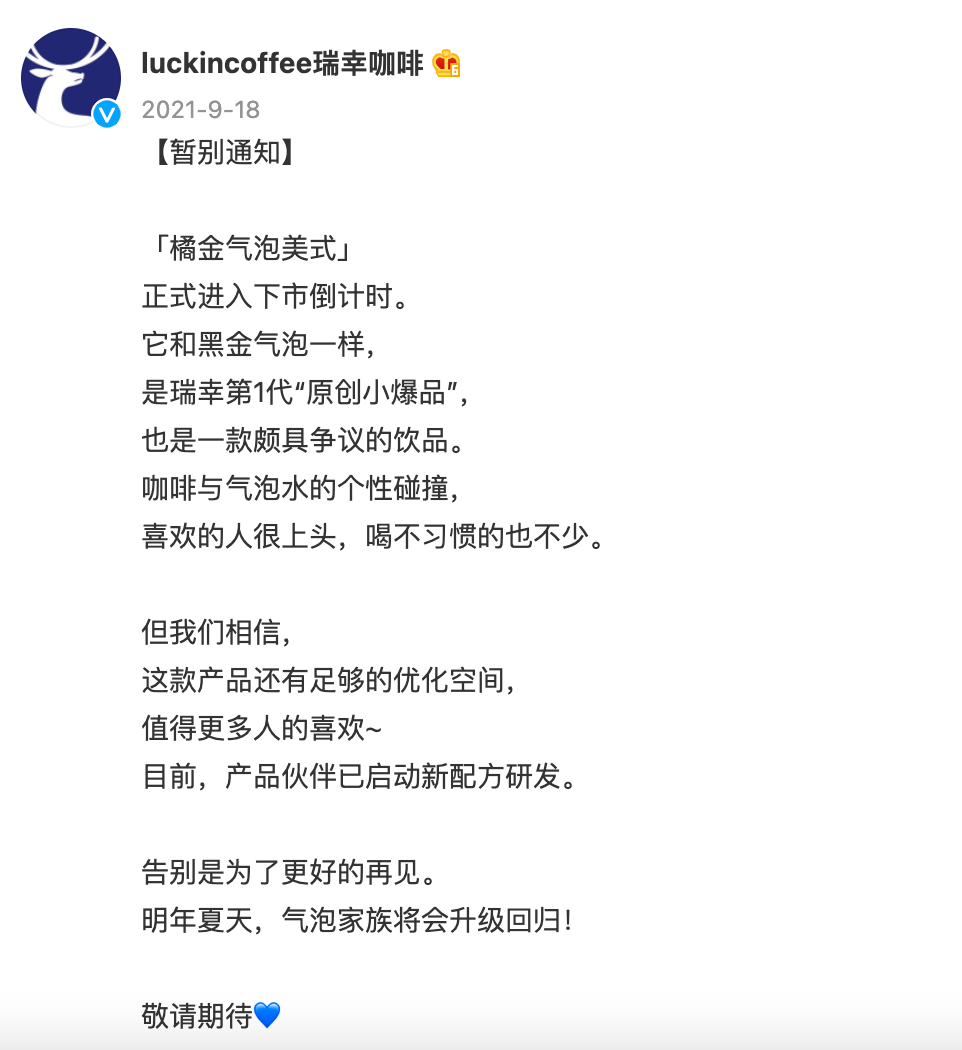
Perhaps due to accumulated negative feedback, Luckin explained last September that the collision of coffee and sparkling water is highly distinctive—enthusiasts are hooked, but plenty of people just can't get used to it. Therefore, the brand believed there was still ample room for optimization, so it pulled the product and started developing a new formula, while promising an upgraded return next year (i.e., this year) in summer.
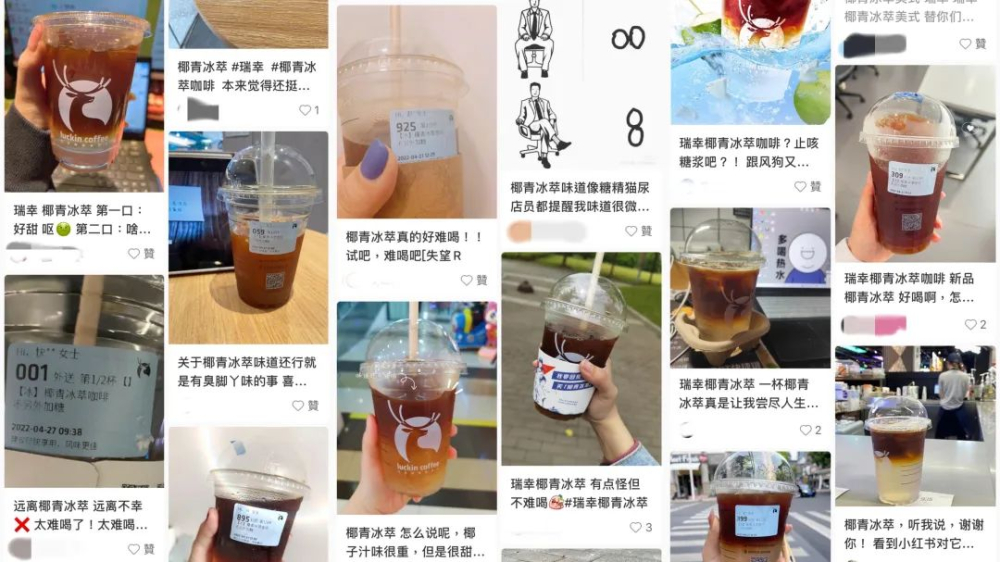
Luckin did fulfill its promise of return, but those who didn't like it still weren't convinced, and those who once loved it also sighed: it felt like waiting for an ex who had a change of heart—the taste and mouthfeel were all wrong.
Many consumers pointed out after comparison that the new formula lacks acidity and tastes thin overall; in terms of carbonation, last year it was strong and punchy, but this year it's soft like beer, even carrying a slight beer flavor; after switching the coffee beans to Yirgacheffe cold brew, the coffee aroma is not obvious but the bitterness stands out, and the syrup isn't sweet enough—ordering it half-sweet just tastes bitter... Meanwhile, those who missed it last year and tried it for the first time this year gave feedback: for some reason, just like the previous Coconut Cold Brew, it always has a sweet medicinal taste... Do all zero-sugar drinks inevitably taste like this?
Luckin probably realized that product returns alone have limited appeal, so it played a new trick with packaging, launching PET can format, successfully attracting a wave of photo-check-in fans. Is the can free? No, it costs extra. But compared to regular takeaway cups, some consumers think that although you pay more, this packaging paired with the gradient drink really looks pleasing in photos!
From these two hit comebacks, it's easy to see that Luckin adopted non-sucrose syrup in its formula adjustments, and in its marketing emphasized zero calories/low calories, trying to reduce consumers' burden of drinking. But many netizens called out to Luckin's R&D team, hoping they'd stop obsessing over zero-calorie sugar—these sugar substitutes taste really cheap and aren't a flavor the general public can accept.
Although many businesses package products with zero sugar, zero fat, zero calories, and low calories, compared to drinks using sucrose, these beverages with added sugar substitutes (sweeteners) may seem to carry less guilt when consumed, but that doesn't necessarily mean they're healthy.
Because natural sweeteners are expensive to produce and sugar alcohols aren't sweet enough, many drinks on the market turn to artificial sweeteners instead. These sweeteners are high in sweetness and low in cost; used alone or in large amounts, they produce a strange bitter and metallic taste. In appropriate amounts, they give drinks suitable sweetness while not converting into energy in the body, reducing obesity risk. But if the proportion added is too high, on one hand it easily creates flavors that don't blend with the drink itself, and on the other hand excessive intake of sweeteners can easily increase hunger.
Last year, researchers at the University of Southern California published an experimental report in the JAMA sub-journal JAMA Network Open on the effects of artificial sweeteners on human brain activity and appetite, pointing out that beverages containing artificial sweeteners may increase appetite in women and obese individuals.
The study used MRI imaging to observe activation in brain regions responsible for appetite; measured blood levels of glucose, insulin, and other metabolic hormones; and recorded the amount of buffet snacks participants consumed at the end of the experiment. Results showed that compared to beverages containing real sugar, female and obese participants experienced an overall drop in satiety-related hormones after drinking beverages with sweeteners, and male participants showed the same trend, just less pronounced.
The experiment indicates that artificial sweeteners can affect people's neural and behavioral responses. Women and obese individuals may be more sensitive to artificial sweeteners and more prone to feeling hungry. If one fails to control their appetite, it can similarly lead to weight gain.
Image source: Internet
Paper link: https://jamanetwork.com/journals/jamanetworkopen/fullarticle/2784545
For more coffee bean news, please follow Coffee Workshop (WeChat public account: cafe_style) For professional coffee knowledge exchange, please add WeChat ID: kaixinguoguo0925
The above content is compiled by CoffeeHunters, a coffee news website.


