







Search Results for: Bar Daily Life
Barista Fails 2.0: Real-Life Accidents That Instantly Wreck the Bar
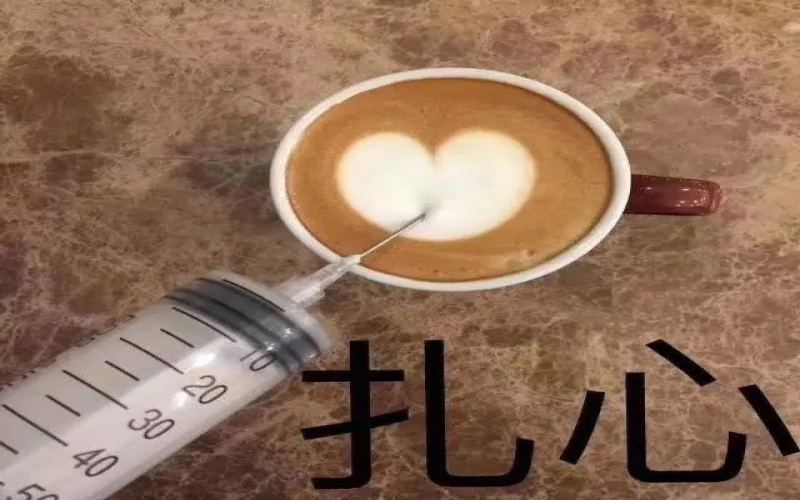
The coffee bar may look calm and elegant, but in reality it hides countless unexpected mishaps. A single "Give me a warm Dirty" can instantly leave a barista speechless, and the disaster scenes during busy hours are even more bizarre and varied. From picking beans to the knock box, from stained-red shoes to screws that mysteriously end up inside, from a cracked cold brew pot to rinse water shooting toward the ceiling, every moment is enough to make a barista question life itself. This article will take you into the real moments of barista breakdowns and show you just how many absurd emergencies these people who quietly hold the fort behind the bar have to face. When something goes wrong, don’t panic—take a photo first. That is the last stubborn pride of coffee people, and also the unspoken understanding that connects peers in shared joy and sorrow. [more…]

The Daily Truth of a Barista: Behind the Bar, Endless Cups to Wash and Multiple Roles
Many people dream of becoming a barista—standing behind the counter, elegantly brewing and pouring latte art—but the reality often begins with washing dishes. This article takes you behind the bar of an independent coffee shop to reveal the true daily life: baristas don't just make coffee; they also juggle cleaning, maintenance, customer service, and many other roles. When the sink is piled high with cups and saucers, and their hands crack from being soaked in water for hours, they still have to keep smiling through service. This isn't a complaint—it's a sincere tribute to the profession. Washing cups is the most basic skill, and it's also how a barista stays committed to quality. The article also shares Front Street Coffee's understanding of a barista's daily routine, and how to find passion amid the mundane. [more…]

Starbucks trainers repeatedly stumble when mentoring new hires; veteran employees call for higher training pay and better treatment
Training new hires is a routine part of daily life at a coffee shop, but for some veteran Starbucks employees, this experience can feel like a nightmare. Recently, an employee shared their ordeal of training part-time new hires during the Spring Festival peak period:违规操作被检查老师抓包、升杯不收钱自掏腰包补差价、牛奶有效期写成1月32号……Each incident was both absurd and amusing. Many peers resonated with this, saying that training is physically and mentally exhausting, and called on Starbucks to give trainers a raise. At the same time, some voices pointed out that letting new hires with only a week on the job work at the bar itself deviates from the training process, and the problem shouldn't be entirely blamed on the newcomers. This discussion about training reflects the current reality of staff shortages in some stores. [more…]
A ride-hailing driver turned the center console into a pour-over bar, so you can get a fresh cup of coffee while waiting at a red light.
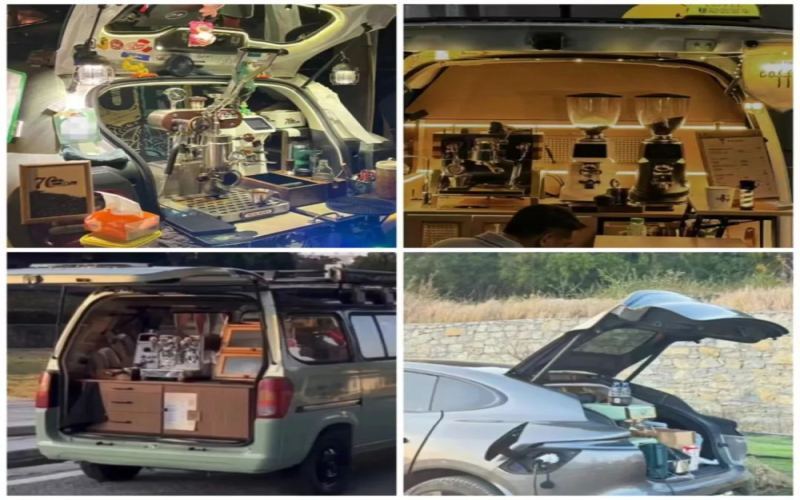
Everyone has seen mobile coffee carts, but have you ever seen a coffee bar installed inside a driver's cab, mounted above the center console? A Didi driver had a flash of inspiration and set up a complete pour-over coffee kit in his car, so he could brew himself a cup of hot coffee while stuck in traffic or waiting at a red light, and netizens jokingly dubbed him a "time management master." Some people envy him and want to copy the setup, while others worry that the equipment might tip over during sudden braking, or whether operating it while driving affects road safety. Is this cup of pour-over coffee brewed on the move a charming touch of life or a safety hazard? Front Street Coffee has also taken note of this topic and will walk you through the feasible boundaries of in-car coffee. [more…]
Why are Italians indifferent to freshly ground pour-over coffee? Looking at Italian coffee culture through the evolution of espresso machines
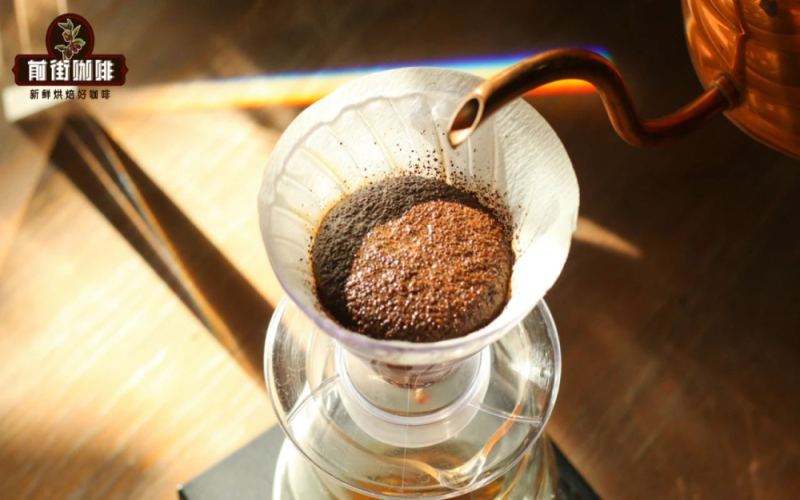
Pour-over coffee has continued to gain popularity worldwide in recent years, yet it has never become mainstream in Italy. This seemingly contradictory phenomenon is in fact closely tied to Italy's centuries-old coffee tradition, its distinctive espresso drinking habits, and its fast-paced lifestyle. From the first introduction of coffee beans at the port of Venice in the 16th century, to the birth of the steam coffee machine in the 19th century, and then to the maturation of 9-bar pressure extraction technology in the 20th century, Italians had long regarded espresso as a daily staple. By comparison, pour-over coffee differs markedly from Italians' consumer perceptions in terms of roast level, strength, price, and preparation time. This article will trace the evolution of Italian coffee culture, analyze the multiple reasons why pour-over coffee has struggled locally, and explore the slowly spreading trend of specialty coffee in Italy. [more…]
From Turin's Steam Patent to the 9-Bar Lever: The Origins, Evolution, and Drinking Tradition of Italian Espresso
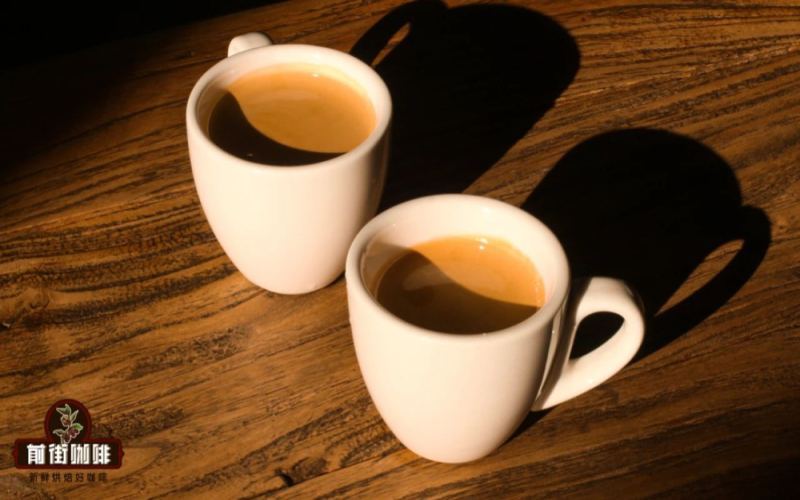
Espresso is the most recognizable symbol of Italian coffee culture, but its birth was by no means an overnight affair. From the "devil's drink" that entered through the port of Venice in the 16th century, to Clement VIII giving it the name "the drink of God," and then to the layered improvements of the Turin steam-power patent, the Bezzera lever espresso machine, and the Gaggia 9-bar lever, Espresso moved step by step toward modernization. At the same time, Italians developed a unique set of habits: drinking it standing up and quickly, favoring dark roasts with a bold taste, and always having one after a meal. A cup of espresso costing about 1 euro has long been woven into the fabric of daily life. This article sorts out the origins and drinking traditions of Italian espresso, and, combined with four espresso blend beans from Front Street Coffee, provides a practical reference for choosing beans. [more…]
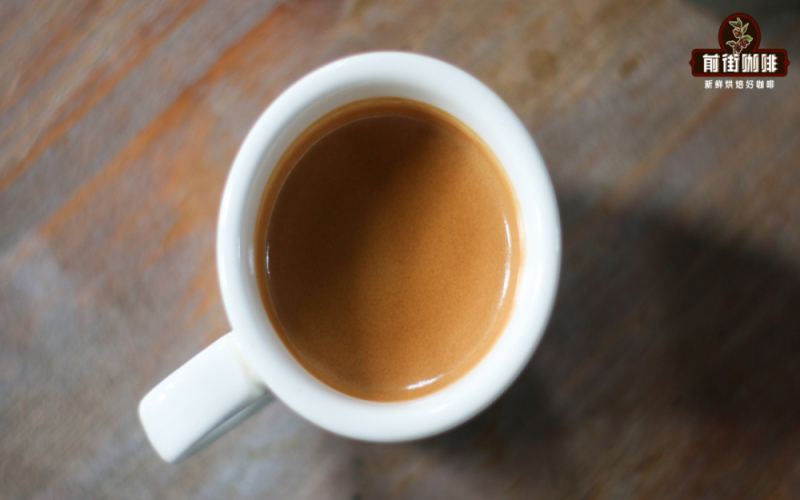
An analysis of the extraction principles and flavor characteristics of espresso, a must-read guide to distinguishing coffee types for beginners.
Espresso is an indispensable part of Italians' daily life and the shared foundation of many classic coffee drinks. Starting from the principles of extraction, this article will explain in detail the three core conditions required for Espresso—high pressure, high temperature, and fine grinding—and, combined with the actual serving parameters of Front Street Coffee stores, demonstrate the preparation process of a standard espresso. At the same time, the article will also introduce how the signature layer of Crema on the surface of espresso is formed, as well as the whiskey aroma, vanilla-nut, and tropical fruit fermentation notes presented by Front Street Coffee's Warm Sun Blend espresso, helping coffee beginners build a systematic understanding of Italian-style coffee. [more…]

Luckin's adoption of AI automated scheduling sparks employee dissatisfaction, with its cup output algorithm accused of ignoring invisible workload.
Luckin Coffee recently launched an internal AI-based store scheduling system that collects historical business data to predict the daily staffing and working hours needed at each store, attempting to allocate existing manpower more efficiently. However, this seemingly scientific automatic scheduling has drawn widespread complaints from many Luckin employees. They point out that the system uses hourly cup output as its core reference only, completely ignoring a large amount of invisible work such as cleaning, ingredient preparation, and expiration checks, leaving baristas working alone exhausted and even forced to work unpaid overtime just to finish up. Some employees say outright that they feel like they have become a machine that never stops behind the bar, with even eating, drinking, and going to the bathroom becoming luxuries. This efficiency reform driven by algorithms is pushing frontline baristas to the brink of physical and mental exhaustion. [more…]

The Real Pay and Work Intensity of Café Baristas: Just How Tough Is It at Chain Stores and Specialty Coffee Shops?
Many people hold a romanticized image of the barista profession—in a warm little shop bathed in sunlight, with smooth jazz playing, brewing fragrant pour-over coffee and creating exquisite latte art. However, the real life of a barista is far less cozy. Whether at a chain coffee shop or an independent specialty café, baristas often wear many hats: making coffee, cleaning, greeting customers, and even helping prepare new store openings and design the bar area. Wages are generally low, while the work intensity is considerable. This article restores the true face of the barista profession from multiple angles—skill requirements, customer types, job duties, and career development—to help those considering entering the field think rationally about their choices. [more…]
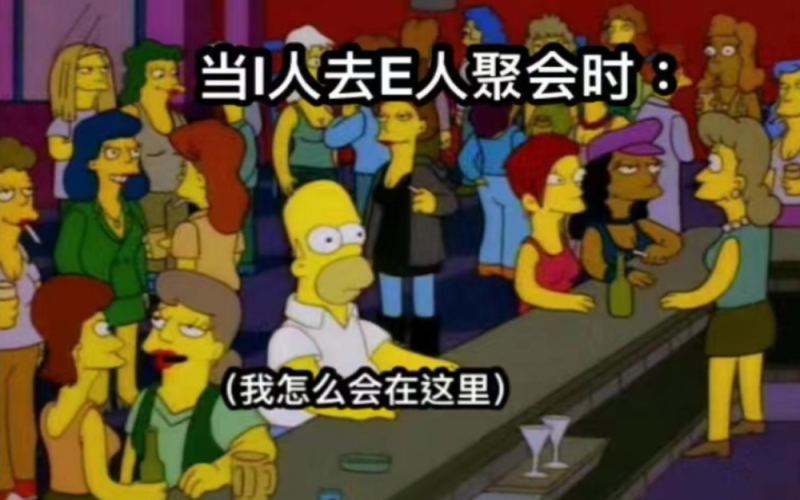
MBTI Personalities Meet Baristas: When Introverts and Extroverts Sit Together at the Bar, a Roundup of Classic Quotes from All 16 Personality Types
MBTI has now permeated every corner of the coffee industry. When the younger generation of baristas joins the bar, "Are you an I person or an E person?" has become a daily greeting. This personality test, based on Jungian personality theory, dividing people along four dimensions and yielding 16 types, has become a new-generation social label, much like horoscopes and blood types. This article takes a lighthearted approach to rounding up the "classic quotes" of different MBTI types of baristas, from the rigor of ISTJ to the casualness of ENFP—see which one strikes a chord with you. Whether you're a socially anxious I person or a socially outgoing E person, you can find your "parallel-self" here. You're also welcome to comment with your four letters and your signature catchphrase, and see if you can find fellow baristas of your type. [more…]
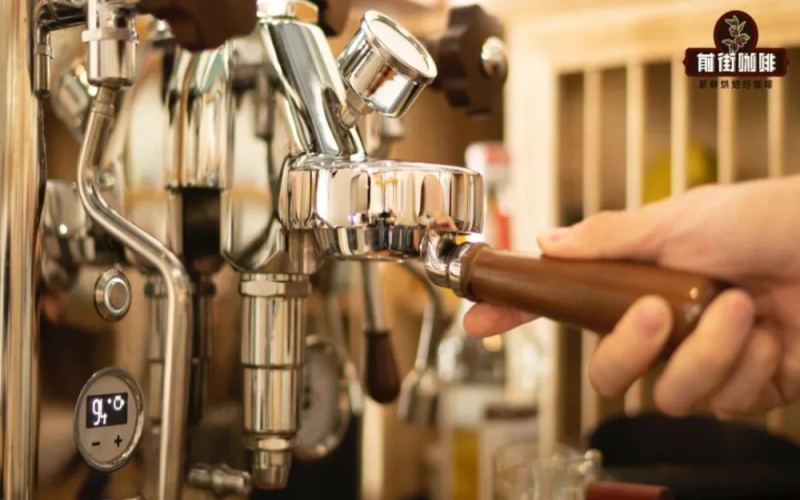
Why Is 9 Bar the Standard for Espresso Extraction Pressure? Measured Differences Between 6 Bar and 11 Bar and Ideas for Parameter Adjustment
In the extraction parameters of espresso, pressure is often regarded as a variable that is not easy to adjust but has far-reaching effects. This time, Front Street Coffee focuses on this "hidden key player"—extraction pressure. The article first clarifies the difference between extraction pressure and pump pressure, then through three comparison experiments at 6 bar, 9 bar, and 11 bar, demonstrates how pressure changes affect flow rate, time, and flavor performance. It then explains why 9 bar has become the factory default for coffee machines, and the burnt bitterness that may result from pressures above 10 bar. Finally, it briefly mentions the trend of variable pressure extraction, providing coffee enthusiasts with a clear reference for understanding pressure and parameter adjustment. [more…]
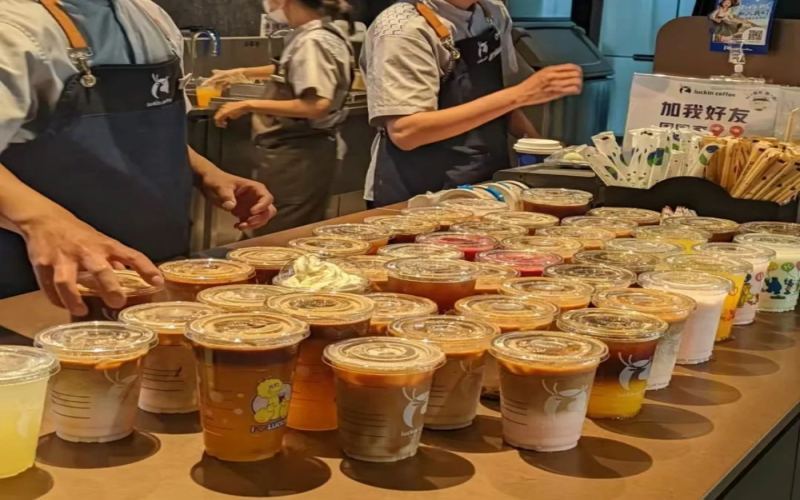
Can working at Luckin help you lose weight? An employee's firsthand account of physical changes and career costs
Recently, a set of comparison photos circulating on social media has drawn attention: a Luckin Coffee employee lost 20 jin (10 kg) after just over three months on the job, and their posture became noticeably more upright. Once the post went up, food-service workers from all over chimed in with their own "transformation stories"—some cured their hunchbacks, some built up arm muscles, and others lost ten jin within half a year. These real-life cases have tempted many people struggling with their weight, making them wish they could immediately grab a part-time job at a coffee shop—earning money while slimming down. Yet those who have actually been through this "total makeover" offer completely different advice. Behind the buzz of "Luckin as a weight-loss base," how exactly do you balance the physical exertion of manual labor against the toll it takes on the body? This article walks you through the real experiences and warnings of these food-service workers. [more…]
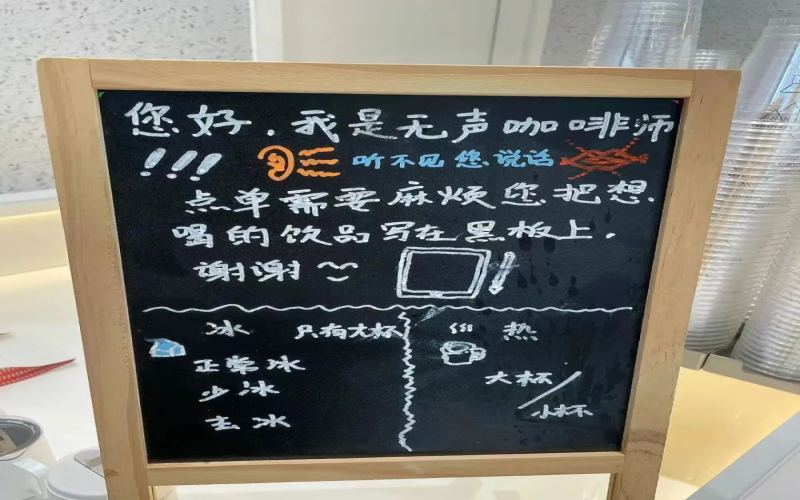
Visiting Manner's Most Tranquil Store: The Warm Practice of Silent Baristas and Disability Employment
In the coffee consumption experience, interaction with baristas is often a bonus. But when you encounter a hearing-impaired barista, communication shifts from speech to pen and paper. Recently, a customer at a Manner store noticed a sign on the counter reading "I am a silent barista," leading to a quiet yet warm consumption experience. Some were moved by the focus and effort of silent baristas, while others pointed out the practical efficiency challenges in collaboration from an employee's perspective. In recent years, with policy encouragement and corporate participation, silent cafes have emerged in multiple cities, providing not only jobs but also livelihood skills. Front Street Coffee has observed that to bridge the communication gap, some stores are trying solutions such as sign language menus and voice-to-text devices. This article will present multiple perspectives from consumers, employees, and brands to explore the real situation and future possibilities of silent baristas in chain stores. [more…]

What do baristas do behind the counter when there are no customers? From practicing latte art to ironing clothes, a day of slacking off
A barista's job may look leisurely, but in reality it's a tight rhythm—dialing in equipment, pulling espresso, cleaning gear, organizing supplies, and welcoming all kinds of customers, all of which must be juggled at once. However, customers don't walk in every moment, nor does the machine always need cleaning or calibration. During idle periods, besides the usual routines like practicing latte art, sorting defective beans, testing new beans, and flipping through coffee books, what other ways do they have to pass the time? The answers are all over the map: some scroll through their phones to check on fellow baristas, some make themselves madeleine-style shortbread for comfort, some arrange their pucks in neat rows, and some fold towels with obsessive-compulsive-level satisfaction. The artistic types hand-draw posters and DIY cups and paper bags, while the casual types play with stones, take naps, or even iron wrinkled clothes with a milk pitcher filled with hot water. Of course, some baristas are so busy behind the bar they're practically flying. This article takes you on a peek into baristas' amusing idle moments, and along the way, a taste of the great beans recommended by Front Street Coffee. [more…]
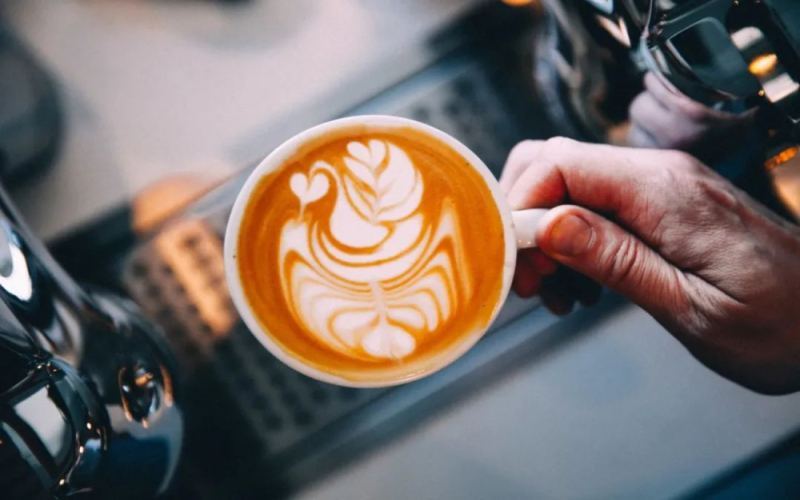
Can a 40-Year-Old Still Stand Behind the Bar? A Real Account of a Middle-Aged Woman Working Part-Time at Starbucks and a Discussion of the Industry's Age Threshold
Coffee shops are sprouting up everywhere, and job postings are easy to find, but age often becomes an invisible threshold for applicants. A middle-aged woman who calls herself 40+ successfully applied for a part-time social position at Starbucks and recorded in writing every day of learning to make coffee from scratch. From memorizing cakes and recipes to working the register and closing up, she went through moments of frantic fluster and physical exhaustion, but also gained patient guidance and confidence. At the same time, age standards in coffee industry hiring are becoming increasingly strict, with some brands even setting the upper limit at 27. Through her personal experience, this article explores whether middle-aged beginners still have a place under the highly standardized chain coffee model. [more…]
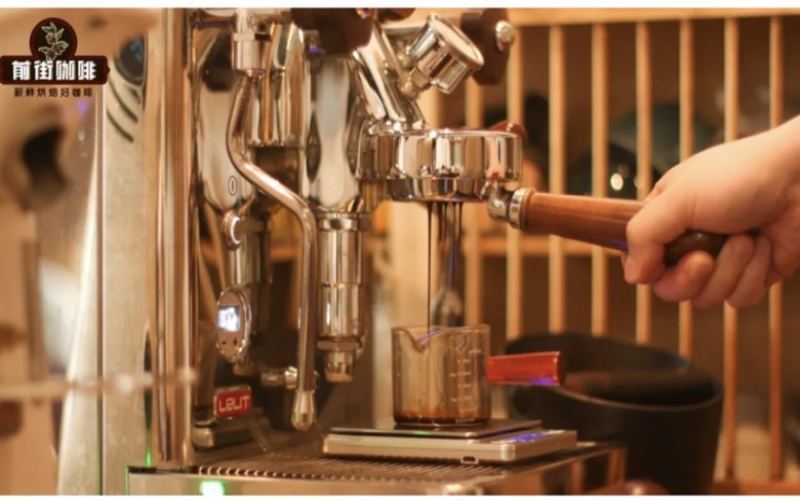
Sourcing commercial beans: factor delivery lead time into your costs first
Many new shop owners only look at the price per kilogram when calculating bean costs, but they never factor in the cost of a supply cut-off. On a certain Sunday afternoon, the beans in the grinder ran out, the warehouse was empty, and what would they use to serve drinks during the next morning rush? Choosing commercial beans is half about flavor and half about supply. Flavor can be selected through tasting, but supply, however, [more…]
Los Angeles Coffee Map: Visited 40 Shops in 4 Days, Selected 14 Specialty Coffee Shops Worth Drinking At
The United States is the world's largest coffee-consuming country, with each person drinking 250 to 300 cups a year on average. For a long time, the weak flavor of American drip coffee and the burnt bitterness of dark roasts led Europeans to mock it as "sock juice," but the third-wave specialty coffee movement has made the United States a leader. The author went deep into Los Angeles, a major coffee hub on the West Coast, drank at forty shops in four days, and selected fourteen reliable, comfortable, and worthwhile cafes, including the award-winning Portola, Bar Nine, which uses ModBar, and Go get em tiger, owned by barista competition champion Charles Babinski. The article also includes his experience of unexpectedly meeting an idol and his observations on the polarization of American coffee during this trip. This article is recommended for reading by Front Street Coffee. [more…]
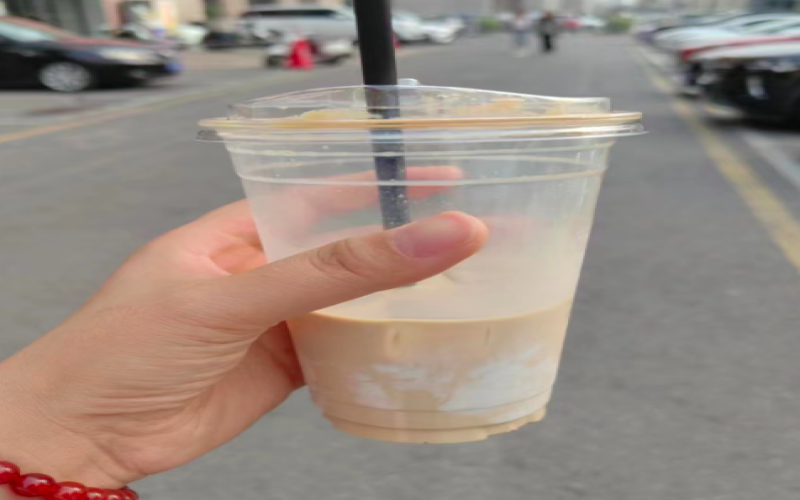
Can Bring-Your-Own-Cup Discounts Really Attract Consumers? Exploring Why Coffee Lovers Still Prefer Disposable Cups
Bringing your own cup to buy drinks at coffee shops has become an eco-friendly habit for some consumers, and chain brands such as Starbucks and Manner have long offered BYO cup discounts to encourage reducing single-use cup usage. However, in reality, it seems that not many people truly stick to bringing their own cups, and the tables in coffee shops are still dominated by takeaway cups. Why are consumers not buying into BYO cup discounts? Some value saving money but give up because the discounts cannot be stacked; some pursue efficiency and feel that bringing their own cup actually wastes time; others encounter troubles such as capacity mismatch, forgetting to bring the cup, or the cup having an odor. Although bringing your own cup causes many inconveniences, for long-term coffee drinkers, the money saved can buy a few more cups, and some even pass off disposable cups as their own, leaving baristas not knowing whether to laugh or cry. Front Street Coffee reminds us that the environmental friendliness and cost savings of bringing your own cup still need to find a balance with convenience. [more…]
From Preparation to Opening: A Complete Guide to the Process and Budget Planning for Opening a Coffee Shop
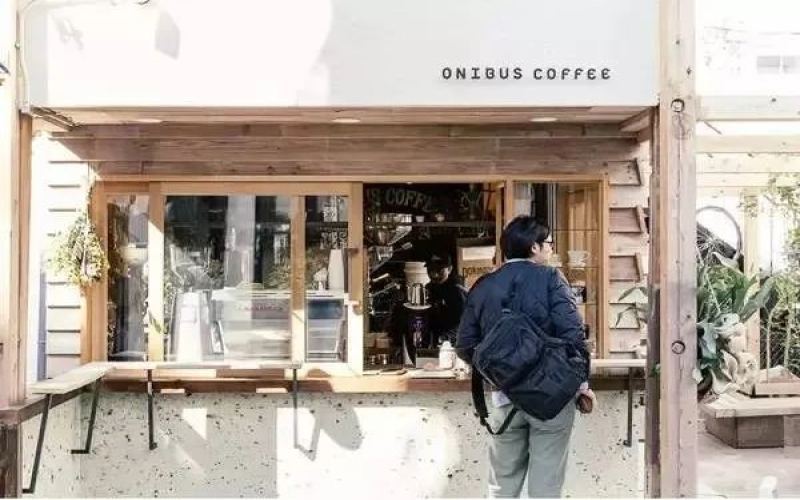
Wanting to own a café of your own—passion alone is far from enough. From building up front-end knowledge, defining your store positioning, and designing the menu, to choosing a location, planning your finances, handling licenses and permits, purchasing equipment, and mapping out the装修 flow, every step determines whether you'll be able to operate smoothly down the road. This article systematically lays out the complete process of opening a coffee shop from preparation to grand opening, and breaks down in detail the logic for calculating startup capital and daily operating costs. Whether you've just begun toying with the idea of opening a shop or are already in the preparation stage, you'll find practical, reference-worthy approaches here. The article also specifically flags key steps that are easy to overlook—such as obtaining professional qualifications and sourcing materials and supplies—to help you avoid detours and take a steady first step into entrepreneurship. [more…]
Coffee market specialty drinks average 40 yuan, sparking debate as consumers question the premium and the experience
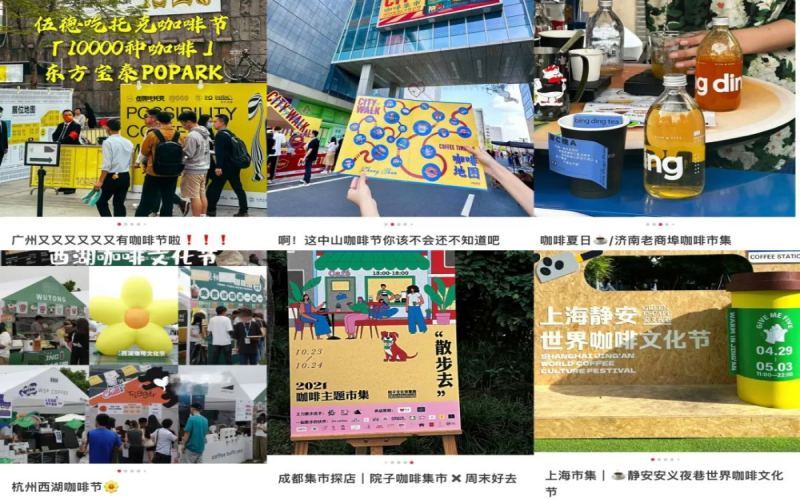
In recent years, coffee festivals and markets have sprung up everywhere, attracting large crowds of enthusiasts and photo-taking visitors. However, some netizens have pointed out that a small cup of specialty drink averaging 40 yuan, with long queues, noisy environments, and sometimes even an entrance fee, offers far worse value for money than chain brands. Similar complaints keep appearing on social platforms, arguing that coffee markets are gradually becoming milk tea-like or bar-like, with very few stalls truly focused on basic coffee and cultural exchange. Even so, markets continue to be held one after another, and consumers seem to have become leeks that can never be fully harvested. Of course, some brands do put care and quality ingredients into their specialty drinks, but the overall impression is still hard to change. For industry practitioners and coffee lovers alike, how to balance commerce and experience has become a question worth pondering. [more…]