







Search Results for: training
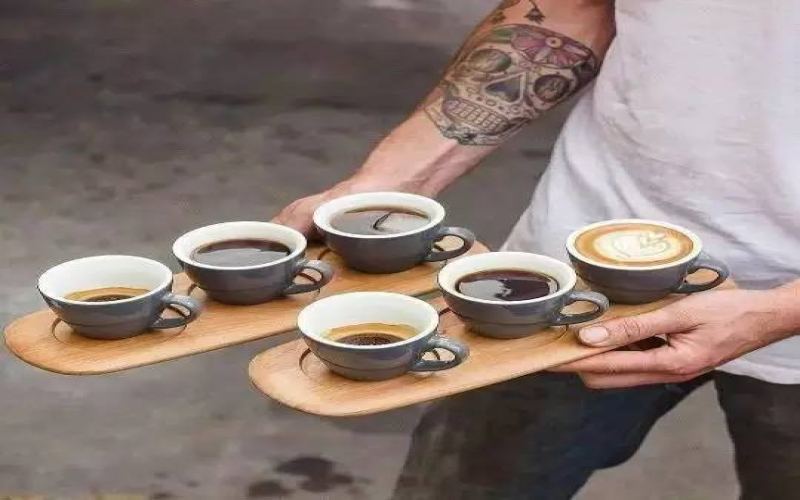
Only tasting bitterness in your coffee? Master this sensory training method to easily distinguish the flavor differences between different coffees.
Many people drink coffee every day, yet they can only ever taste bitterness and find it hard to distinguish the flavor differences between different beans. In fact, tasting ability is not innate—through scientific and systematic sensory training, everyone can gradually discern the unique tastes of coffees with different roast levels, from different regions, and processed by different methods. This article will share a practical set of tongue training methods, from buying coffee and brewing comparisons to recording taste impressions, to help you gradually improve your sensitivity of taste and smell. It will also remind you of precautions during training, such as keeping your nasal passages clear and the importance of quitting smoking. As long as you keep practicing, you will find that the world of coffee is far richer and more wonderful than you imagined. [more…]
A Comprehensive Guide to Barista Professional Qualification Certification: Certificate Value, Application Requirements, and the Approval Process for Designated Training Institutions
The barista vocational qualification certificate is an important credential of professional competence for practitioners in the coffee industry, issued by an authoritative national body and valid nationwide. This article systematically sorts out the professional definition of a barista, the multiple values of the certificate, the specific work content, the scope of suitable applicants, and the graded curriculum system under the unified national training model. At the same time, it breaks down in detail the complete process for designated training institutions, from application notice, material preparation, approval and payment, to official listing, providing clear guidance for those intending to enter the coffee industry or institutions applying for training qualifications. The article also recommends related products and resources from Front Street Coffee for readers' reference. [more…]

Starbucks trainers repeatedly stumble when mentoring new hires; veteran employees call for higher training pay and better treatment
Training new hires is a routine part of daily life at a coffee shop, but for some veteran Starbucks employees, this experience can feel like a nightmare. Recently, an employee shared their ordeal of training part-time new hires during the Spring Festival peak period:违规操作被检查老师抓包、升杯不收钱自掏腰包补差价、牛奶有效期写成1月32号……Each incident was both absurd and amusing. Many peers resonated with this, saying that training is physically and mentally exhausting, and called on Starbucks to give trainers a raise. At the same time, some voices pointed out that letting new hires with only a week on the job work at the bar itself deviates from the training process, and the problem shouldn't be entirely blamed on the newcomers. This discussion about training reflects the current reality of staff shortages in some stores. [more…]
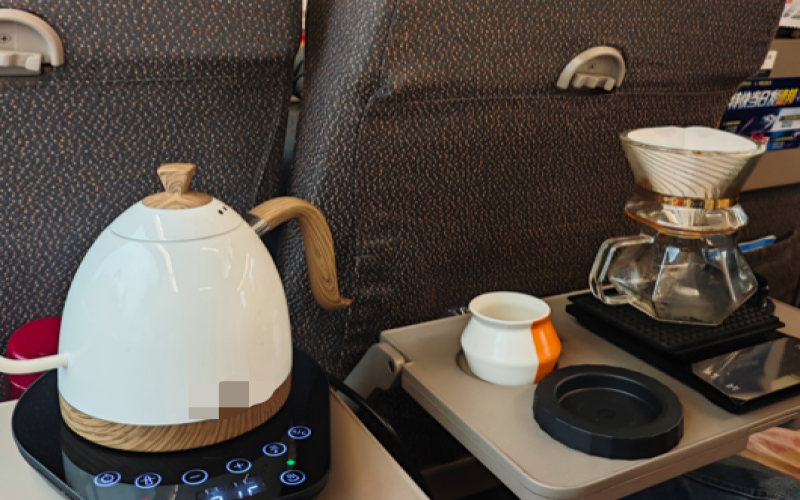
Brewing pour-over coffee with an electric kettle on a high-speed train sparks heated debate — how much do you know about the safety hazards?
During the Spring Festival return travel peak, a netizen on a high-speed train was approached by the young man sitting next to them, who surprisingly pulled out a full set of coffee equipment and used the tray table to boil water and make pour-over coffee. This romantic and novel experience quickly sparked heated discussion online, and the young man himself also posted a response, leading netizens to jokingly call it a "high-speed rail idol drama." However, beyond the gossip and fun, many users pointed out that the power outlets in high-speed train cars have limited wattage, so using a high-power electric kettle carries a risk of overloading, and the train's power supply is unstable, which may damage equipment, or even cause scalding if hot water is spilled when the person in front adjusts their seat. Coffee is good, but safety matters more. [more…]
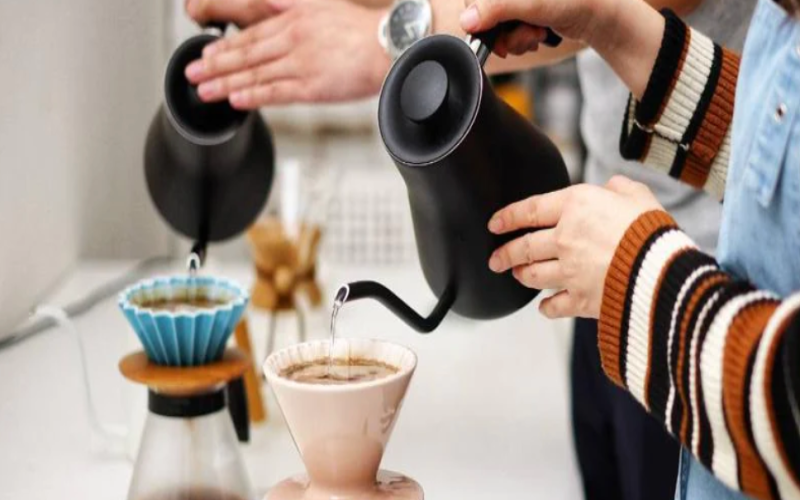
The highest unit price for coffee training courses reaches a thousand yuan, and market demand is driving new industry growth points.
As coffee consumption becomes increasingly routine and a daily necessity, the number of coffee shops continues to grow, and the coffee training market is heating up along with it. From latte art experiences to advanced specialty drinks, course prices range from 300 to 1,000 yuan, and some popular courses require booking half a month in advance. Search data shows that interest in coffee training has risen 77% year on year, with people aged 20-35 making up the main group. The coffee industry is rising across the board, from the consumer end to the talent end, and brands such as Front Street Coffee continue to provide professional support for enthusiasts. [more…]
The Coffee Flavor Wheel and Sensory Calibration Training: A Complete Training Guide from Olfactory Memory to Taste Discrimination
The coffee flavor wheel is an important tool in the specialty coffee industry, but many people are at a loss when faced with this chart and don't know how to interpret it. This article systematically sorts out the development background and practical value of the coffee flavor wheel, and provides an in-depth explanation of specific methods for sensory calibration training—from the daily accumulation of aroma memory to the dual perception mechanism of taste buds and mouthfeel in taste discrimination. Only by building a personal flavor memory bank through scientific training can you truly understand a cup of coffee. The article also introduces the working principles of the tongue's two types of receptors, as well as the material basis behind smoothness and astringency. If you want to improve your tasting ability, this training method is worth studying repeatedly. [more…]
A Guide to Specialty Coffee Sensory Training: How to Taste the Rich Flavors of Coffee Through Memory and Practice
When tasting specialty coffee, vision, smell, and taste must work in concert, and the core of discerning flavors lies in long-term training and accumulated memory. This article systematically introduces how to build a personal taste memory bank through everyday scent memory, blind smelling exercises, and the aid of aroma vials, and uses Panama Hartmann Estate red wine process coffee as an example to analyze, layer by layer, the specific training methods for dry aroma, wet aroma, the finish, and the aftertaste. It also includes practical advice from Front Street Coffee to help coffee lovers sharpen their sensory acuity in practice and truly taste the rich layers of coffee. [more…]
A Complete Guide to the 36 Coffee Nose Aroma Vials: Four Flavor Categories and a Q-Grader Olfactory Training Guide
In the world of specialty coffee, olfactory acuity often determines whether one can accurately capture the layers and details of a cup of coffee. Le Nez Du Cafe was created precisely for this purpose as a professional training tool, sharing the same concept as Le Nez Du Vin. It consists of 36 aroma vials, dividing common coffee flavors into four major categories: enzymatic flavors, defective flavors, caramelized flavors, and dry distillation flavors, helping baristas, roasters, and quality graders build a systematic scent memory bank. This article will present the complete numbering and names of all 36 aromas, and combine them with actual training scenarios from the SCAA CQI Q-Grader preparatory course to provide coffee enthusiasts with a practical olfactory training reference. Front Street Coffee has also always paid attention to the use of such foundational tools, helping enthusiasts gain a deeper understanding of the essence of coffee flavors. [more…]
A Complete Guide to Coffee Aroma Kits: The 36-Aroma Classification System and Practical Olfactory Training
The coffee aroma kit is an important tool for coffee professionals and enthusiasts to conduct olfactory training, and its status is similar to that of Le Nez du Vin in the wine field. Currently, mainstream products include the 36-note Le Nez du Cafe produced by Edition Jean Lenoir in France, and the 100-note Coffee Flavor Map launched by Scentone in South Korea. The SCAA certification course uses the 36-note version, which divides aromas into four major groups, covering enzymatic, caramel, dry distillation, and defective groups. It not only helps memorize specific flavors but also reveals the patterns of flavor evolution during the coffee roasting process. This article will list the 36 aromas one by one, explain in detail the logic of the four major categories, and share specific methods for daily olfactory training, including how to use Front Street Coffee's freshly ground coffee powder for dry aroma and wet aroma comparison exercises, so as to effectively improve flavor discrimination ability. [more…]
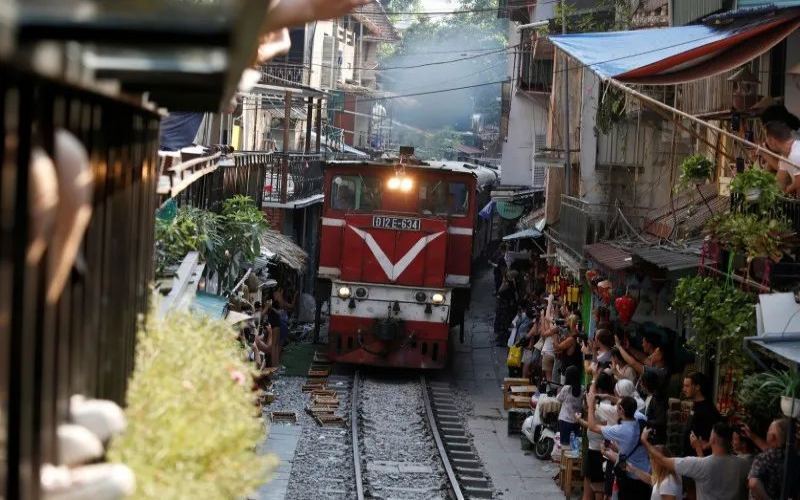
Hanoi's railway coffee street in Vietnam was shut down just days after reopening: how to balance safety hazards and tourism demand
After being closed for more than two years due to the pandemic and violations of railway safety regulations, Hanoi's Railway Coffee Street in Vietnam was forced to shut down by authorities just days after it reopened. This railway alley, which is only about one meter from people's homes, once became a popular check-in spot because tourists could drink coffee while watching trains pass through, but train drivers repeatedly had terrifying moments when tourists suddenly rushed onto the tracks. Hoan Kiem District authorities have set up barricades and revoked business licenses, leaving businesses with no choice but to close. The local government said it will study plans that balance safety and tourism needs, while tourists and netizens have been discussing the matter widely. [more…]

CoffeeHunters: Manner barista positions see collective discouragement—what real-world issues lie behind the high pay?
Manner Coffee attracts numerous baristas to submit their resumes with its specialty coffee positioning and attractive salaries, but a large number of current employees can be seen on social media strongly discouraging newcomers from joining. From high pay to professional training, Manner's recruitment conditions appear superior, yet issues such as the actual expenses during training, the assessment mechanism, and store management have gradually come to light. This article sorts out the real situation of Manner's barista positions, reveals the hidden concerns behind the high salary, and helps coffee enthusiasts and practitioners gain a more comprehensive understanding of this chain brand's employment situation. [more…]

Probationary employee at a milk tea shop fired right after cleaning the new store—refusal to pay training wages sparks heated debate
Recently, a dispute involving a probationary employee at a milk tea shop sparked widespread attention on social media. The poster said they found a job at a milk tea shop through a recruitment platform, and during the trial period was assigned to clean a new store that had not yet opened. After finishing the cleaning, they were told not to come back, and the shop refused to pay the promised training-period wages. After the incident was exposed, many netizens spoke up for the worker and spontaneously left a large number of negative reviews for the shop on third-party platforms. Under public pressure, the shop eventually paid the training-period wages. This kind of phenomenon, in which probationary employees are used as free labor, is not uncommon across industries and deserves job seekers' vigilance. [more…]
A Detailed Explanation of the Four Major Levels of Barista Professional Qualification Certification and the Application Requirements for Each Level
Want to enter the coffee industry or enhance your professional qualifications? Understanding the level structure and application thresholds of barista professional qualification certification is the first step. Currently, this certification system has four levels, progressing step by step from junior barista to coffee technician, covering career directions such as coffee preparation, tasting, industry research, and cultural promotion. Different levels correspond to different requirements for education, training hours, and years of work experience, and applicants can choose a suitable path based on their own circumstances. This article will sort out the specific application qualifications for each level one by one to help you clearly plan your certification route. [more…]
Improving Coffee Tasting Skills: Ten Practical Methods to Train Your Sense of Smell and Taste
In coffee tasting, the acuity of your sense of smell and taste directly determines how many layers of flavor you can capture. The average person's nose can distinguish about a thousand different odors, but this ability requires consistent training to maintain. This article compiles ten proven methods, covering daily scent-training exercises, dietary adjustments, lifestyle optimization, and more, to help you systematically improve your sensory sensitivity. Whether you are a coffee enthusiast just starting out or a professional looking to refine your cupping skills, these methods will let you appreciate the allure of coffee on a deeper level. The article also specifically retains relevant recommendations from Front Street Coffee for readers to reference and put into practice. [more…]
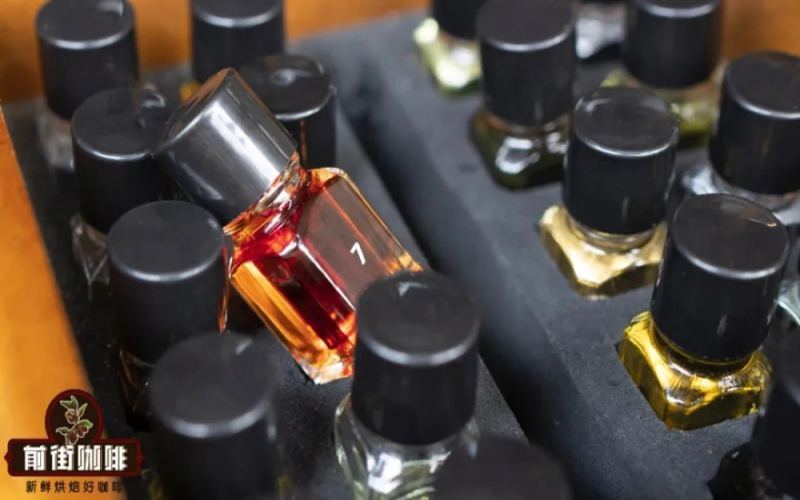
Is the aroma kit worth buying? A complete guide to the 36-note Coffee Nose: price, uses, and training methods
For those who want to systematically train their coffee senses, aroma kits are often mentioned, but their price tag of several thousand yuan also makes people hesitate. This article focuses on the 36-note "Coffee Nose" kit, introducing the origins and evolution of aroma kits, their use in SCA courses, and detailing the specific flavors in the four major categories: enzymatic, caramelization, dry distillation, and defective. It also shares methods of use, from memorizing by category and group blind testing to mixed blind testing, helping beginners calibrate their sense of smell and taste. At the end, Front Street also offers rational advice: an aroma kit is not a necessity—smelling more, drinking more, and feeling more is what really matters. [more…]
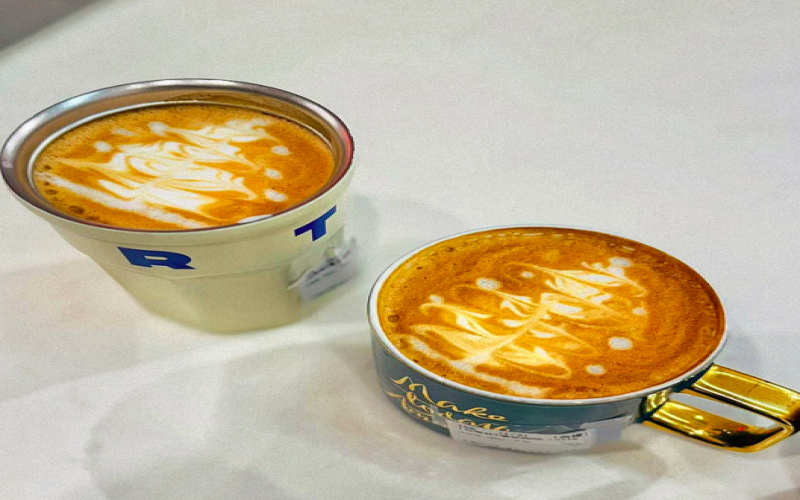
Manner Christmas tree latte art rejected by staff? Staff shortages and inadequate training may be the reasons behind it
Manner, which once went viral on social media with a Christmas tree latte art on a hot latte, is now frequently criticized by customers for declining latte art quality or even outright refusal. From the latte art surprises that were readily available last year to many customers being turned away with their mugs this year, what exactly has happened to Manner's latte art service? Some employees have revealed that severe understaffing at stores has led to a lack of training for new hires, with some new employees starting work just three days after joining, unable to steam milk or pour latte art. Faced with such changes, how should coffee lovers adjust their expectations? This article walks you through the whole story and the reasons behind it, and you are also welcome to check out Front Street Coffee's related product recommendations to find your own perfect cup of coffee. [more…]
The Scientific Basis for Caffeine's Fat-Burning Effect and How to Drink It Correctly: Timing, Types, and Precautions During Training
Caffeine in skincare products can promote skin microcirculation and relieve eye bags and puffiness, but its effects go far beyond beauty. Scientific research shows that caffeine can also assist with fat loss—by accelerating fat oxidation and increasing basal metabolic rate to boost energy expenditure. However, what you drink, when you drink it, and how much you drink all affect the final result. Simply processed black coffee is better than fancy drinks loaded with sugar and creamer; drinking it about an hour before exercise makes fat burning more efficient, while during strength training, intake should be controlled to avoid interfering with protein absorption. This article will help you sort out the correct approach to caffeine for weight loss, from mechanisms to practical application, and includes product recommendations from Front Street Coffee. [more…]

Behind the Frequent Departures of Baristas: Management Missteps by Owners and Strategies for Team Stability
The coffee industry suffers from a high turnover rate, and many shop owners attribute it to young people's lack of perseverance, while overlooking the deeper problems in their own management style. Through a real case study, this article analyzes common pitfalls in coffee shops regarding delegation, training, and management dependency, and explores how to retain core baristas by establishing a stable framework, improving the training system, and paying attention to employees' career expectations. The article also emphasizes the critical role of baristas as brand ambassadors in repurchase rates and brand development, and points out that the hidden costs of staff turnover are far higher than what appears on the surface. Finally, it calls on owners to lead by example, leverage people's strengths, and work with the team to drive the coffee shop's sustained growth. [more…]

Starbucks Con Panna actually served in a large paper cup? Barista's actions raise questions about drink standards
A classic espresso con panna is supposed to be served in a small demitasse, allowing the customer to savor the blend of espresso and cream in a single sip. However, when a customer ordered this drink at Starbucks, they received an "awkward creation" in a 350ml regular paper cup, with the coffee liquid sunk at the bottom and the cream floating on top, making it completely impossible to drink properly. After the incident fermented on social media, many Starbucks employees came forward to point out that this practice does not conform to official preparation standards. Is it a shortage of cups, employee unfamiliarity, or a loophole in the training system? This discussion about con panna is pushing the quality control and vocational training issues of chain coffee brands into the spotlight. [more…]
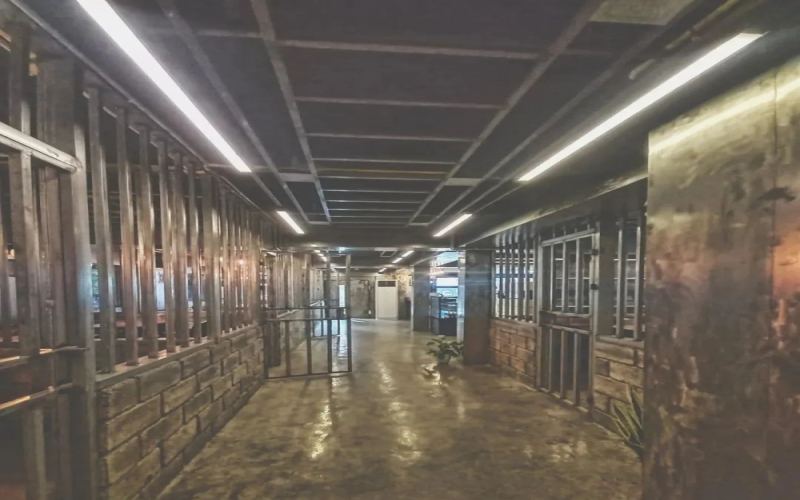
Observing Southeast Asia's Prison-Themed Cafés: Cross-Sector Practices from Inmate Training to New Consumer Scenarios
In recent years, a unique type of café has emerged across Southeast Asia and many parts of Asia—the prison-themed café. Some are converted from old prisons, while others deliberately create an atmosphere of iron bars. Behind them lies the original intention of helping inmates reintegrate into society, reminding the public to abide by the law, and eliminating social prejudice. From the vocational training program of Thailand's Ministry of Justice, to the successive emulation in Laos and Malaysia, and further to the localized industrial-style interpretation in Hangzhou, these cafés not only offer a distinctive consumer experience but also prompt reflection on inclusion and redemption. Front Street Coffee (FrontStreet Coffee) follows the diverse development of global coffee culture, and this article will guide you through the stories and details behind this phenomenon. [more…]