







What Silent Baristas at Manner Mean for Coffee Service
A Manner customer recently noticed a sign reading "I am a silent barista" and ordered through written notes with a hearing-impaired staff member. The encounter drew attention to disability employment in chain coffee shops: customers described focused, careful service, while employees pointed to real efficiency challenges when orders and teamwork depend on text instead of speech.
With policy encouragement and company participation, silent cafes have opened in several cities, offering jobs and life skills training. Stores have tried sign language menus and speech-to-text devices to close the communication gap. The discussion touches the barista origin country debate about service speed, and even everyday street coffee counters now face the same question of how to make ordering accessible to everyone.
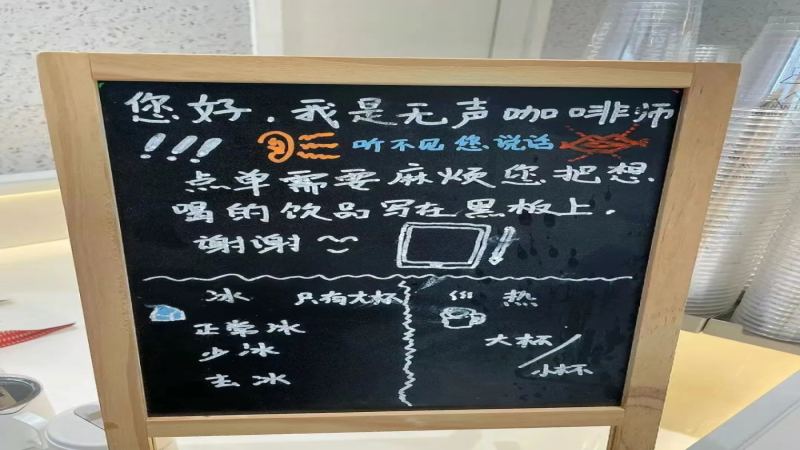
In the coffee consumption experience, interaction with baristas is often a bonus. But when you encounter a hearing-impaired barista, communication shifts from speech to pen and paper. Recently, a customer at a Manner store noticed a sign on the bar reading "I am a silent barista," leading to a quiet yet warm consumption experience. Some were moved by the silent barista's focus and effort, while others pointed out from an employee's perspective the practical efficiency challenges in collaboration. In recent years, with policy encouragement and corporate participation, silent cafes have emerged in multiple cities, not only providing jobs but also teaching life skills. Front Street Coffee has observed that to bridge the communication gap, some stores have tried solutions such as sign language menus and speech-to-text devices. This article will present multiple perspectives from consumers, employees, and brands to explore the real situation and future possibilities of silent baristas in chain stores.
▲
Click to follow | Daily specialty coffee culture magazine Coffee Workshop
For many coffee lovers, the satisfaction from a good cup of coffee comes not only from caffeine's invigorating effect but also from interaction with the barista. If you meet a talkative barista, you might pick up an interesting anecdote; if you face a silent barista, another kind of story may unfold.
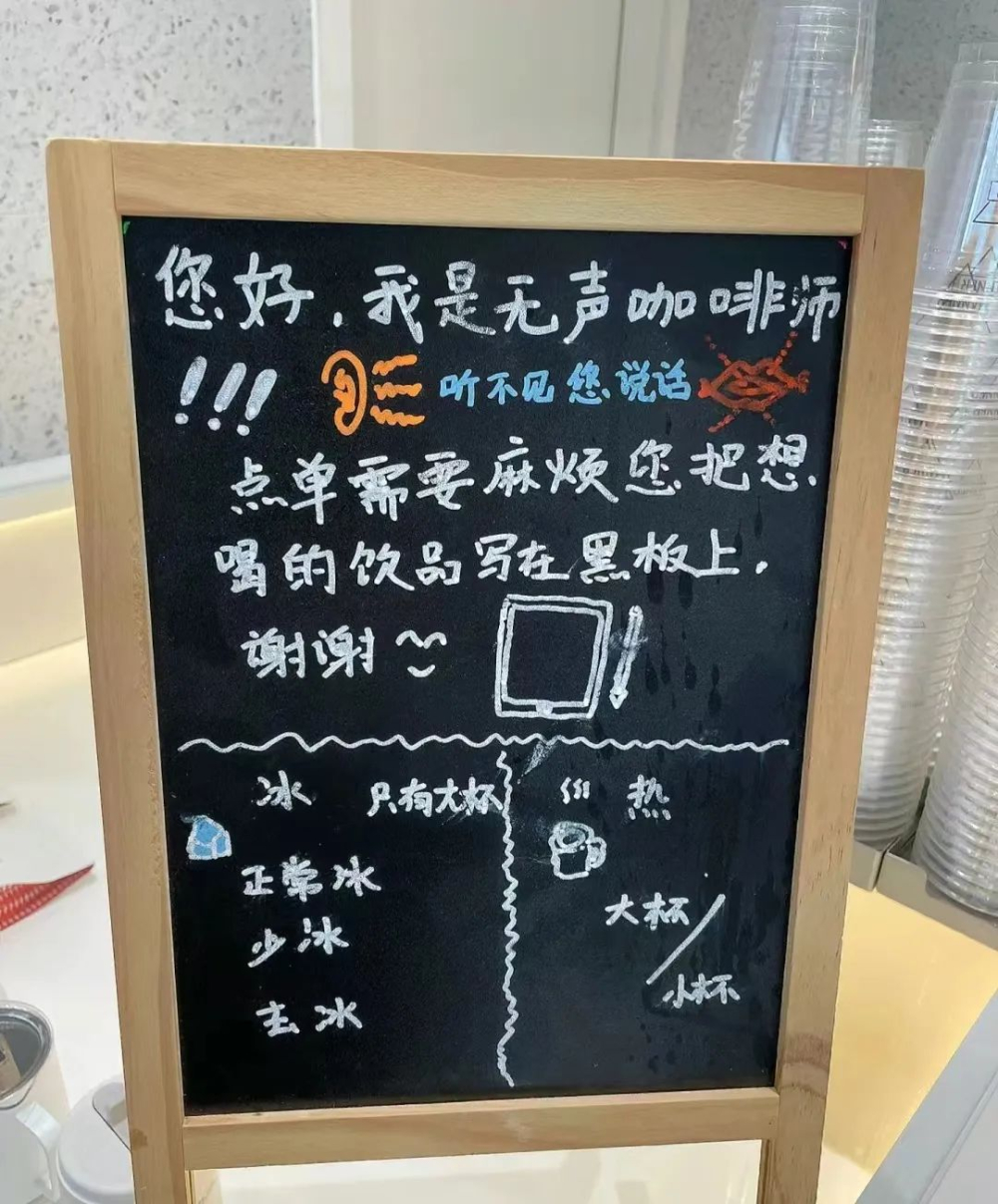
Recently, when a customer was about to order at a Manner store, she noticed the small blackboard on the bar reading "Hello, I am a silent barista," and only then realized the person making coffee in front of her was hearing-impaired.
Although they could not communicate directly by voice, this silent barista used text to understand her needs and carefully responded to every question. After receiving the coffee, the customer felt reflective: communication was indeed inconvenient, but seeing the silent barista's focused work, she felt beauty and warmth, and was willing to visit this store more often in the future.
Netizens with similar experiences also expressed agreement. They said that when they saw a silent barista carefully making drinks behind the bar and communicating with customers back and forth through text, they could feel warmth and positive energy from it, and even if they encountered minor troubles with communication, they would not take them too much to heart.
However, everything has two sides. Some employees pointed out that hiring silent baristas may bring many benefits to a coffee shop, but it can also cause some troubles for colleagues in the same store. For example, if they do not know sign language, they can usually only communicate with silent baristas through text; when the store is busy, this way of communicating instead slows down efficiency and may even cause friction among colleagues due to insufficient communication.
As fellow workers, employees also understand the difficulties disabled people face in job hunting and sympathize with their situation. Many said they would try their best to accommodate silent baristas working with them, but the inconvenience of communication at work affecting efficiency is hard to avoid; over time, some employees may develop resistance to being scheduled with silent baristas.
In recent years, because the state offers policy incentives and subsidies to enterprises that hire people with disabilities, many silent cafes have emerged across the country. These stores not only provide jobs for disabled people but also teach them a skill, contributing to alleviating the employment problem for disabled people.
To make communication between silent baristas and customers smoother, many silent coffee shops have made numerous attempts. For example, printing sign language illustrations on menus to encourage customers to order using sign language; or equipping speech-to-text ordering devices so customers can speak directly and silent baristas can read directly, reducing barriers to communication between both sides as much as possible.
The original intention of opening silent coffee shops is to hope that disabled people can master life skills through coffee and learn to communicate proactively through interactions with customers, so they can work and live better and embrace a beautiful future. Consumers are also happy to support these silent cafes; after all, "coffee made with love by a loving company is hard not to love!"
Image source: Xiaohongshu
Disclaimer: Some images in this article are from the internet, and some content on the website, such as images, will be credited to the original source out of respect for copyright. However, due to the large quantity, some images and texts may not have been credited in time; please forgive us. If the original author has any dispute, they may contact the website for handling. Once verified, we will correct it immediately. Compiled and edited by "Coffee Workshop"; please indicate the source when reposting. If there is infringement, please inform us for deletion. Thank you~!
The above content is compiled by CoffeeHunters, a coffee news website.


