







Search Results for: Australia

McDonald's Launches Aussie-Style Coffee to Challenge the American Style? Australian Baristas Show What Professional Craft Really Means
McDonald's has recently created a coffee exclusively for Australia called the Australiano, blending locally roasted beans, wattle seed, and chai flavors in an attempt to establish a signature drink for this country with a deep coffee culture. McCafé, a brand born in Melbourne in 1993, accounts for one in every four coffees sold in Australia. Now, with the launch of an Aussie-style coffee, it not only completes the soul of local coffee but also draws attention to Australia's coffee prowess. From the top-tier offerings in Melbourne and Sydney, to baristas' impressive skill of carrying multiple cups in one hand during peak hours, to the continuous emergence of innovations like the flat white, piccolo, and SOE, Australian coffee has long established its own school—even forcing Starbucks to retreat in its home market. This article takes you through the story behind this Aussie-style coffee and why Australian coffee culture is so formidable. [more…]

167 Years Later, Coffee Beans See the Light of Day Again: Archaeological Discovery Confirms Melbourne's Status as the Coffee Capital
Starbucks conquers cities across the globe, yet it suffered a Waterloo in Australia, and behind this lies Australia's own distinct coffee culture. Sydney and Melbourne have long vied for the title of "coffee capital," and an archaeological discovery has added strong evidence for Melbourne—archaeologists excavating a grocery store site at Melbourne's Metro Tunnel have unearthed coffee beans perfectly preserved from 167 years ago. This discovery traces Melbourne's coffee culture back to before the gold rush, rewriting our understanding of Australia's café era. This article will walk you through the details of this archaeological find, revisit the long history of Melbourne's coffee culture, and let you feel the profound global influence of Australian coffee. [more…]

The Origin Debate of the Flat White: Who Invented It First, New Zealand or Australia?
Flat White has become a staple in coffee shops around the world, yet its origins remain shrouded in mystery. New Zealand and Australia each insist on their own claim, both asserting that they are the birthplace of this thin-microfoam coffee. Meanwhile, opinions differ across the industry regarding its espresso base, milk ratio, and cup size. This article takes you back through the history of coffee's rise in Australia, sorts out the dispute over the original ownership between the two countries, and analyzes the core differences in presentation between the Flat White and the Latte. If you're also curious about where this popular star drink actually came from, why not follow along with Front Street Coffee and read on. [more…]

Flat White Coffee Base | Did Flat White Coffee Originate in Australia? Why Is Flat White So Popular? What Are the Differences Between Flat White and Latte?
No need to doubt it—when we see Australian White, Fuyu White, Australian Rui White, Pure Art White… in coffee shops, they all refer to the same coffee drink—Flat White. It's also a milk coffee, so why is this drink so popular? Next, Front Street Coffee will chat about this trendy milk coffee. Flat w [more…]

What is a flat white? Are Starbucks' Ristretto Bianco and flat white actually the same drink?
Flat White, commonly known as Australian White coffee, is one of the most iconic espresso milk drinks from Australia and New Zealand, and in recent years it has become almost ubiquitous on café menus in China. However, its place of origin is still debated between Australia and New Zealand; and the relationship between Starbucks' "Fu Rui Bai," the colloquial "Ao Rui Bai," and the flat white often confuses coffee enthusiasts. This article will walk you through the origins of the flat white, how it differs from a latte and a cappuccino in terms of milk foam and cup size, why Australian White is usually not served iced, and share espresso extraction approaches for recreating Australian White at home along with Front Street Coffee's espresso blend bean options, helping you gain a more complete understanding of this classic milk coffee with its rich body and velvety microfoam. [more…]

Why exactly is Malaysian White Coffee called "white"? And what connection does it have with Australia's Flat White?
The name "white coffee" easily leads people to think it got its name because the coffee liquid is pale in color. But in Malaysia, white coffee is actually a fixed product made from a blend of Liberica, Arabica, and Robusta beans, deeply roasted and then processed into instant powder, sold in almost every small shop. The other kind of "white coffee" that we are more familiar with comes from Australia—there, coffee with milk added is collectively called White Coffee, and the most representative of these is the Flat White. This article will trace the origins and development of these two kinds of white coffee, and introduce the flavor characteristics and key production points of the Flat White. [more…]

Australian Coffee Culture Explained: Why You Shouldn't Stir a Latte or Flat White, and What to Know When Ordering
In Australia, when a cup of milk coffee with latte art is served, if you stir it before drinking, you might attract puzzled looks from those around you—this is not making a fuss over a trivial matter, but rather an interesting detail in Australian coffee culture. This article starts with the experience of an American boyfriend in an Australian café, guiding you to understand why Australian coffee has developed its own style, from Flat White and Piccolo to SOE, from milk foam handling to customized ordering, and further to the pursuit of flavor by specialty brands like Front Street Coffee, helping you understand the differences in coffee-drinking habits across regions, and allowing you to be more at ease when ordering in a café. [more…]

Goubuli Group Enters the Coffee Arena: Seven Years of Transformation After Acquiring the Master Franchise Rights for Australia's Gloria Jean's in China
When Tianjin's Goubuli steamed buns also pick up a coffee cup, China's coffee market competition landscape gains another highly talked-about player. From spending heavily in 2014 to acquire the franchise rights in China for the Australian brand Gloria Jean's, to establishing a dedicated coffee food company in 2022, the Goubuli Group's exploration in the coffee sector has spanned more than seven years. How far is the distance between the original vision of opening 200 stores in five years and reality? Facing encirclement by new and old rivals such as Starbucks and China Post, can this time-honored brand find its own place in the coffee track? This article sorts out the key milestones and current situation of Goubuli's cross-industry coffee venture, for coffee enthusiasts' reference. [more…]

Starbucks Flat White vs. Australian White Coffee: A Full Analysis of Flat White's Origins, Milk Foam Ratio, and Flavor Characteristics
Flat White is an Italian-style milk coffee that emerged in Australia in the 1970s. After entering Starbucks in China under the name "Fu Rui Bai" in 2015, it quickly became popular, and some people also call it Australian White or Little White Coffee. Its biggest difference from a latte and a cappuccino lies in its thinner milk foam and more pronounced coffee flavor. This article will start from its origins, compare the different approaches to cup size and coffee base in Australia and New Zealand, and explain the blend beans, double ristretto parameters, and milk steaming temperature used by Front Street Coffee when making a Flat White, giving coffee lovers a comprehensive understanding of this rich and velvety classic milk coffee. [more…]

An In-Depth Analysis of the Core Differences Between Flat White and Latte: A Comprehensive Comparison from Milk Foam Thickness to Drinking Method
What exactly are the differences between a Flat White and a latte? Many people assume it is merely a matter of milk foam thickness, but in reality the two differ systematically in cup size, espresso dosage, milk foam texture, and serving temperature. This article begins with the controversy over the origins of the Flat White, sorts out the specific differences in preparation parameters between it and a latte, explains why a Flat White is served only hot, and offers equipment selection and operational advice for home brewing scenarios. At the same time, the article also compiles several Front Street Coffee espresso blends suitable for making a Flat White, including the Specialty Blend, Commercial Blend, and Dark Cocoa Blend, to help readers choose the right base beans and make a rich, full-bodied Flat White at home. [more…]

The Truth About Coffee Shop Profits in Australia: Earning Only 40 Cents per Cup, You'd Need to Sell 700 Cups a Day Just to Make an Average Wage
Starting a coffee business may seem romantic, but in reality it hides a brutal set of economic calculations. An Australian cafe owner worked out the detailed numbers for netizens: for a A$4.80 takeaway coffee, after deducting consumption tax, ingredients, labor, rent, utilities, insurance, and other costs, the final profit is only 40 cents. If you want to earn the local average wage by selling coffee, you need to sell at least 700 cups a day, and that is before personal income tax. Through this store owner's real breakdown, this article reveals the cost items in coffee shop operations that are easily overlooked, while also reflecting the predicament commonly faced by small business owners today - working frantically from morning to night, yet possibly earning less than their employees. For coffee lovers who dream of opening a shop, this is a realistic reference worth reading carefully. [more…]

How Is Starbucks Flat White Different from an Aussie White Latte? A Comparative Analysis of Espresso and Milk Coffee Flavors
Flat White, Australian White, Latte, and Cappuccino—these names sound similar, and they taste somewhat alike, but they actually differ in the ratio of coffee to milk, the thickness of the milk foam, and the choice of espresso. This article begins with the marketing push behind Starbucks' Flat White, tracing the evolution of the term "Flat White" from its derogatory use in a British film to its emergence as a coffee name in the 1980s, and sorts out the controversy between Australia and New Zealand over its origin. At the same time, the article will also compare Australian White, Latte, and Cappuccino in terms of cup size, milk foam thickness, and flavor, and introduce the specific parameters and blend bean choices used by Front Street Coffee to make Australian-style white coffee. [more…]

Global coffee prices continue to climb, leaving consumers facing higher costs
Recently, coffee prices have risen significantly in many parts of the world. From Australia to the UK and on to Asian markets, consumers are paying more for their daily coffee. Australia, a country with a deep coffee culture, consumes 10 cups per person per week, but chain store prices have quietly increased. Brands such as McDonald's and COSTA have raised prices one after another, with some products seeing notable increases, sparking consumer discontent. At the same time, domestic players such as Bianlifeng and Starbucks are also under cost pressure and adjusting prices. Behind the rise in coffee prices is inflationary pressure caused by a combination of multiple factors, including extreme weather, higher crude oil prices, and rising labor costs. Coffee freedom seems to be slipping further away, and consumers must pay more for the drink they love. [more…]

Starbucks Flat White | How to distinguish an Australian white coffee from a latte? Did flat white originate in Australia? What is the coffee-to-milk ratio in a flat white?
Coffee enthusiasts who regularly drink espresso know that there are many types of espresso drinks, such as those available at Front Street Coffee, including latte, mocha, cappuccino, as well as off-menu items like flat white and dirty coffee. Their recipes are all based on espresso. [more…]
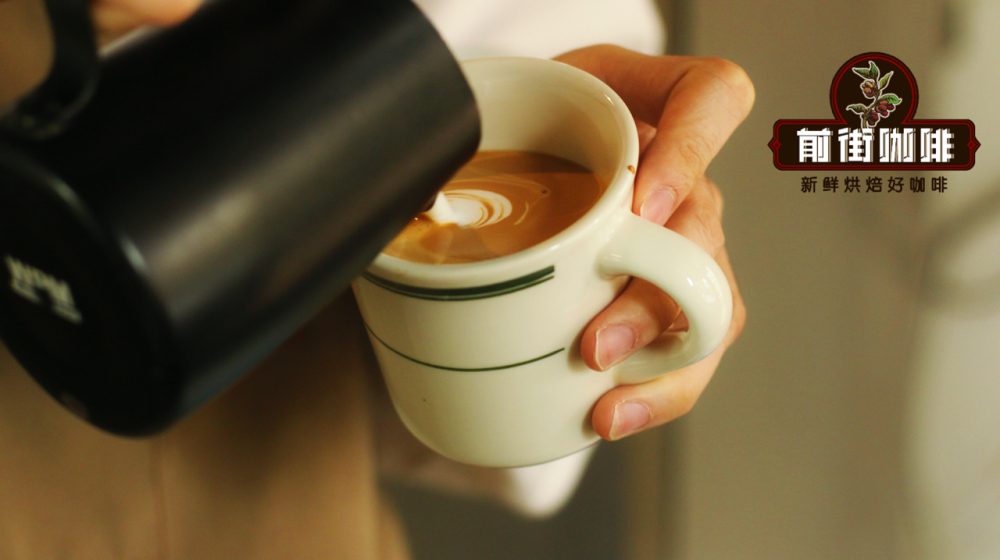
Flat White Coffee Making Tutorial | Which country did Australian White Coffee originate from? How much espresso should be extracted and how much milk should be added to make an Australian White Coffee?
Before making a cup of Flat White coffee, Front Street briefly introduces its definition and characteristics. Flat White, also known as Australian White coffee, Little White coffee, or Fu Rui Bai coffee, among other names, originated in Melbourne, Australia. After Italians introduced espresso to Australia in the 1980s, in order to adapt to [more…]

Piccolo Latte Recipe | Why Is Piccolo Coffee Rare in Domestic Coffee Shops? What Is the Espresso-to-Milk Ratio in a Piccolo Latte?
There is a milk coffee drink that rarely appears on the menus of domestic cafes, but in Australia it is as popular as the flat white—that is the piccolo coffee, known as the "small latte." The difference between piccolo coffee and flat white: Piccolo coffee originates from Australia; in "piccolo latte," "piccolo [more…]

How Is Australian White Coffee Different from Fu Rui Bai and Ao Rui Bai? The Origin Controversy and Key Preparation Points of the Flat White Explained
Many coffee lovers are in the habit of ordering a latte at a café, and in recent years more and more people are choosing a flat white. The flat white is also known as Australian white coffee, and some call it fu rui bai or ao rui bai. Whether this coffee originated in Australia or New Zealand remains disputed to this day. The two countries not only each insist on their own claim to its origin, but also have different preferences when it comes to preparation standards—Australia tends toward a single shot of espresso, while New Zealand often uses a double ristretto. This article reviews the historical written records of the flat white, its differences from the latte and cappuccino, and shares the specific method Front Street Coffee uses to produce a flat white in-store, including cup size selection, milk frothing techniques, and coffee bean blending options. [more…]
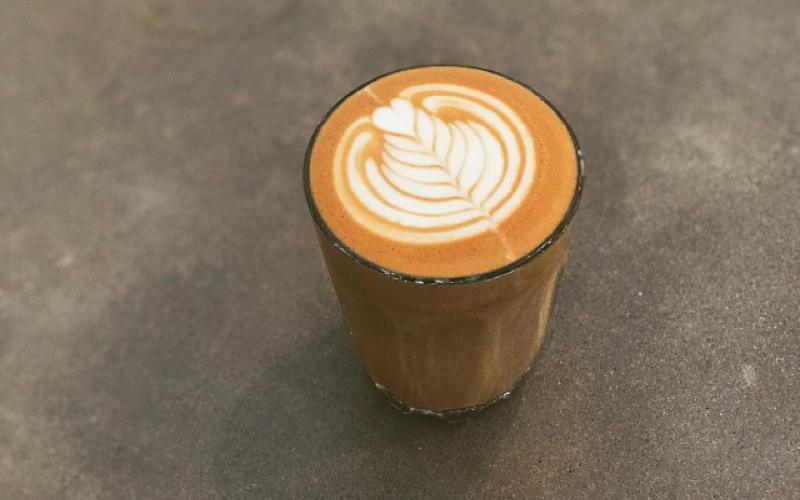
The Piccolo Latte Craze in Sydney, Australia: Feature Analysis and a Detailed Guide to the Aussie Method
Among the dazzling array of milk coffee varieties, latte, cappuccino, and flat white have long been household names, while the somewhat obscure name of piccolo coffee often leaves people puzzled. It originated in Australia, deeply influenced by Italian coffee culture, with a cup size only half that of a latte, drinkable in two or three sips—a refined combination of espresso and a small amount of milk foam. This article will guide you through the definition and origins of the piccolo latte, the controversies surrounding its recipe, and how Front Street Coffee uses its own roasted Sunflower Warm Sun blend to interpret this mini latte, along with sharing key tasting points, so you can fully understand this small yet flavor-packed Australian classic. [more…]
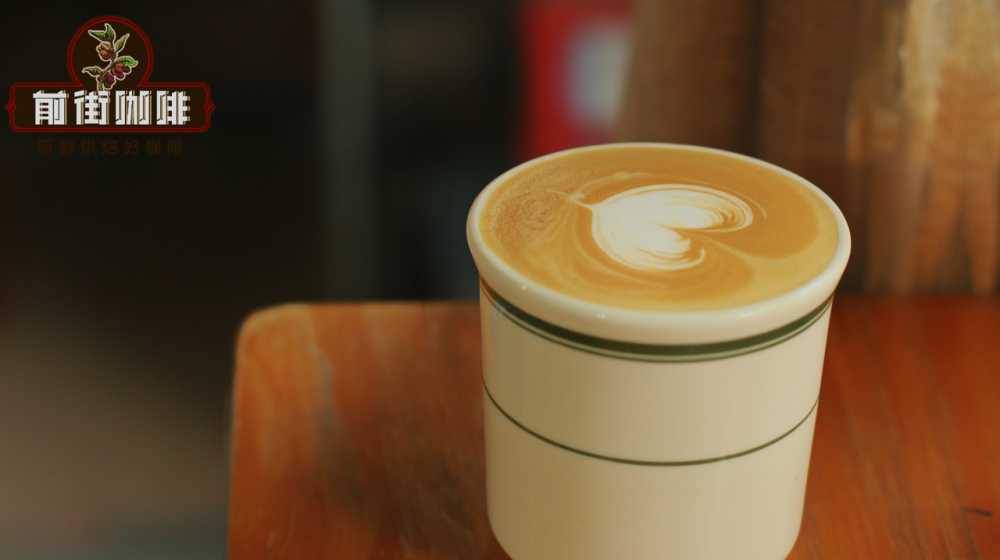
Australian-style White Coffee | Is Starbucks Flat White a Latte? How to Make a Flat White? What Are the Differences Between a Flat White and a Latte?
You may find the term "flat white" unfamiliar, but anyone who has been to Starbucks will surely know the "Fu Rui Bai." In fact, names like "Xiao Bai Coffee," "Fu Rui Bai," "Chun Yi Bai," "Ao Rui Bai," and "Aussie White" all refer to the flat white. It originated in Oceania (Australia), which is why it is also called Aussie white coffee. [more…]
What exactly is a Flat White? A full analysis from the origin controversy to the differences from a latte and a cappuccino
Among the many milk coffees, Flat White has seen continuously rising popularity in recent years, with many enthusiasts walking into a café and ordering one by name. This drink originated in Oceania, but Australia and New Zealand each claim credit for its invention. Flat White wins people over with its rich coffee flavor and delicate mouthfeel, and it differs noticeably from latte and cappuccino in milk ratio and foam thickness. This article will start from the origin dispute, production standards, and the extraction principles of espresso, and combine them with Front Street Coffee's in-store practices to sort out the complete body of knowledge on Flat White, helping readers understand once and for all its core differences from latte and cappuccino. [more…]