







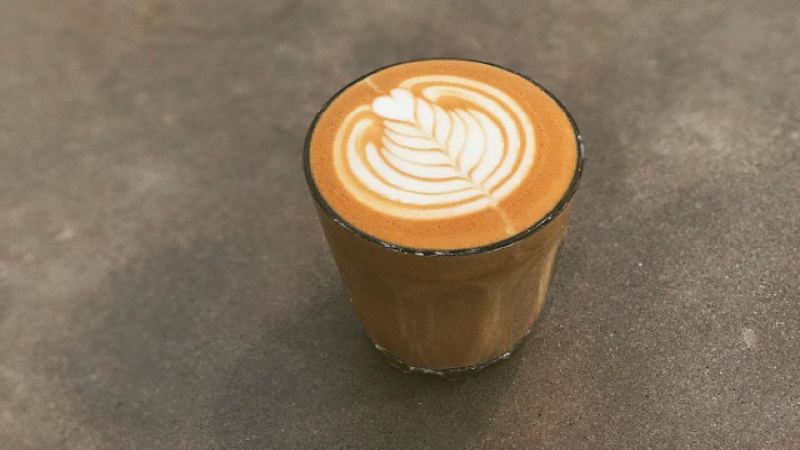
What Is Piccolo Coffee in English and How Is It Made?
Piccolo coffee in English is a piccolo latte, a small latte that originated in Australia under strong Italian influence. The word piccolo means small in Italian, and the drink uses a cup size roughly half that of a standard latte, so it is gone in two or three sips. It pairs espresso with a small amount of steamed milk and milk foam.
The piccolo coffee ratio is where baristas disagree: some build it from a standard espresso plus a little steamed milk, others insist on a ristretto base. The drink grew out of cupping and calibration sessions, when baristas reduced the milk proportion so a full latte cup would not be wasted, creating a compact option for those wanting less caffeine or a lighter finish.
In the vast and varied family of milk coffees, latte, cappuccino, and flat white have long been household names, while the somewhat obscure piccolo often leaves people puzzled. It originated in Australia, deeply influenced by Italian coffee culture, and its cup size is only half that of a latte—just two or three sips and it's gone. It is a refined combination of espresso and a small amount of milk foam. This article will walk you through the definition and origin of the piccolo latte, the controversies surrounding its recipe, and how Front Street Coffee uses its own roasted Sunflower Warm Sun blend to interpret this mini latte, along with sharing tasting tips, so you can fully understand this small yet flavorful Australian classic.
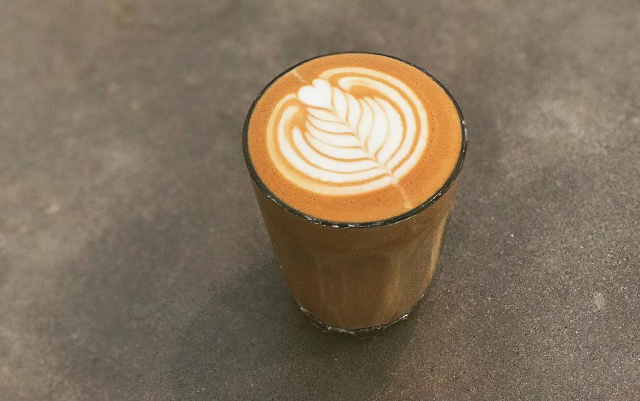
Walk into any café and the menu offers a dazzling array of milk-and-coffee combinations: latte, cappuccino, flat white, dirty, piccolo... The first four are surely familiar to everyone, but what exactly is this piccolo, which sounds rather obscure?
Piccolo coffee is also called a "small latte." Australian coffee culture is deeply influenced by Italy, and local baristas, catering to local taste preferences, continuously innovated within the framework of traditional Italian coffee, creating a series of distinctive drinks—the Flat White popularized by Starbucks being one of them. Compared to a Flat White, the piccolo is even more petite, with a cup size only half that of a latte, gone in just two or three sips.
The English name for piccolo latte is "piccolo latte." The word "piccolo" refers to the piccolo instrument in English, while in Italian it means "small." The birth of this coffee stems from the habit of roasters and baristas during cupping and calibration: they would judge whether a coffee met standards by trying it both as espresso and with milk. Since a standard latte cup is rather large, it often got poured out after just two sips. Baristas, unwilling to waste it, tried reducing the proportion of milk. Over time, this practice evolved into a mini version of a latte—an ideal choice for those who don't want too much caffeine or don't want to feel too full.
What are the finer points of making an Australian piccolo coffee?
Regarding the piccolo recipe, baristas have long disagreed. Some believe it consists of espresso plus a small amount of steamed milk, while others insist it should use Ristretto paired with a small amount of steamed milk foam. To this day, there is still no unified ratio in the industry, so each piccolo's result depends on the flavor profile of the coffee beans used and the barista's own understanding of this drink.
The flavor foundation of coffee lies in the beans chosen. The espresso drinks served at Front Street locations all use Front Street's own roasted "Sunflower Warm Sun Blend Coffee Beans" to extract espresso. This blend is composed of 70% Honduras Sherry coffee and 30% Yirgacheffe sun-dried Red Cherry coffee. The whiskey aroma, vanilla, and cream notes from the Sherry meet the tropical fruit character and fermented feel of the Red Cherry, giving the coffee a rich yet soft layering of flavors.
When making a piccolo, Front Street uses a small cup of about 90 to 100 milliliters, controls the coffee-to-milk ratio at 1:5, and preheats the cup in advance to maintain the drinking experience as much as possible. For the base, a single Ristretto is used here. Ristretto means "restricted" in Italian, also known as a concentrated espresso, and typically only the front and middle portions of an Espresso are extracted, resulting in higher concentration and more focused flavors. Front Street's method is to take 20 grams of coffee grounds and extract 28 grams of coffee liquid in 20 to 25 seconds, with a single Ristretto being 14 grams, poured into the cup first.
The milk steaming step is quite particular—you should know that the less milk there is, the harder it is to steam. Front Street uses a 350-milliliter milk pitcher and pours in 100 milliliters of milk. A piccolo latte, unlike a flat white, doesn't need to be level with the rim of the cup, so it retains a milk foam layer similar to a latte, about 0.3 to 0.5 centimeters thick. The milk steaming temperature is controlled between 55°C and 60°C to ensure it won't burn your mouth. When integrating, mix as evenly as possible with the Ristretto, and start pouring latte art when the cup is seven-tenths full. A freshly made piccolo is best enjoyed immediately.
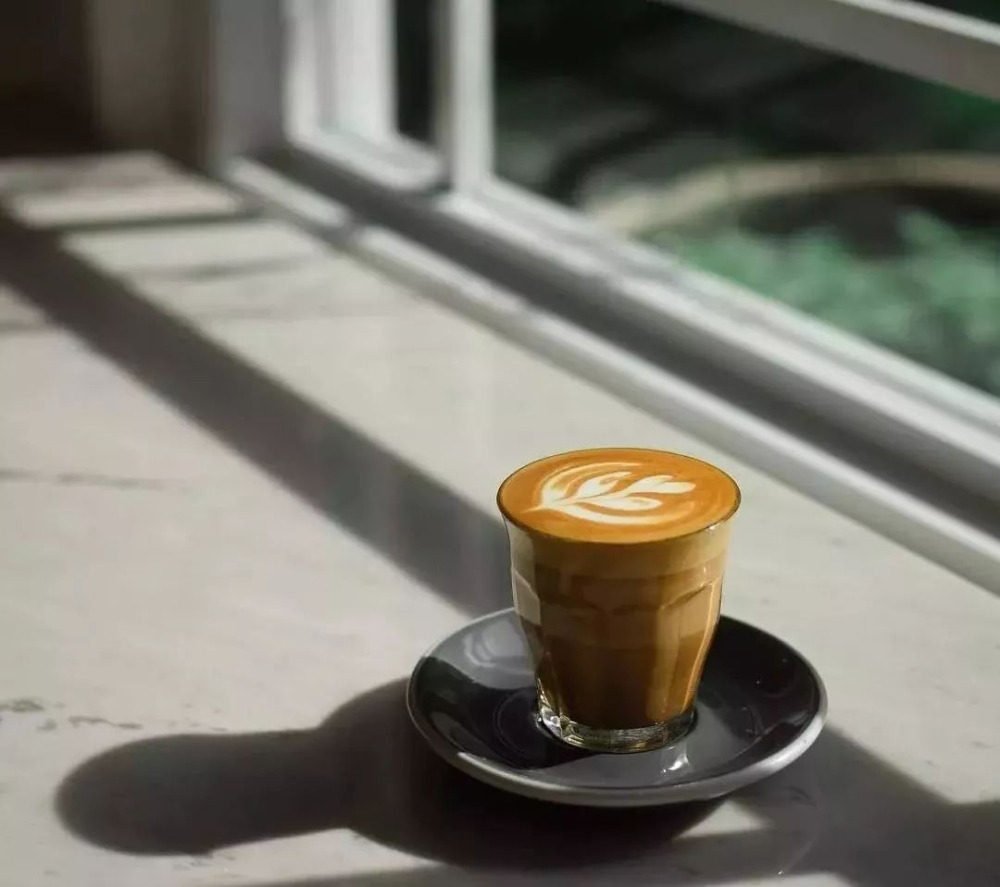
How do you drink a piccolo coffee?
The piccolo coffee served at Front Street exudes aromas of vanilla, cream, chocolate milk, and whiskey-filled chocolate, along with the sweet-tartness of berries. The coffee flavor is full, the milk dense and sweet, with a very lasting finish.
As Front Street says, the piccolo coffee's cup size is very small, with the core purpose of highlighting the flavor characteristics of the coffee beans themselves, making it suitable for slowly savoring its nuances. When tasting, Front Street first gently sniffs the faint aroma released by the espresso liquid supported by the milk. After the first sip, let the coffee fill the mouth to feel the texture of the milk foam and the thickness of the coffee. After swallowing, experience the finish lingering in the mouth, and finally take a sip of water—the sweet aftertaste will gradually become clearer.
For professional coffee knowledge exchange and more coffee bean information, please follow Coffee Workshop (WeChat public account: cafe_style)
For more specialty coffee beans, please add the private WeChat of Front Street Coffee (FrontStreet Coffee), WeChat ID: qjcoffeex
The above content is compiled by CoffeeHunters, a coffee news website.


