







Search Results for: Aurora White
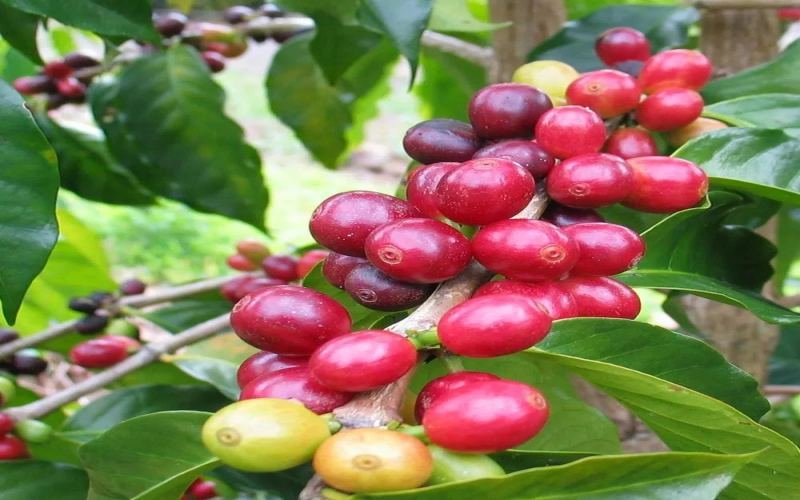
Geisha Coffee Brewing Techniques and a Full Analysis of the Sun-Dried Flavor of Panama's Aurora Estate
Geisha coffee is known as the luxury item of the coffee world, and its delicate varietal characteristics and high price make the brewing process especially noteworthy. This article focuses on the sun-dried Geisha from Panama's Aurora Estate, reviewing the estate's impressive results in BOP competitions and its processing methods, and sharing Front Street Coffee's custom pour-over recipe for Geisha—including a V60 dripper, 91°C water temperature, a 1:15 coffee-to-water ratio, and a three-stage pouring technique. It also analyzes the flavor layers of Aurora sun-dried Geisha—white floral aromas, berry-like acidity, and honey sweetness—and offers advice on resting and freshly roasting the beans, helping enthusiasts present this precious bean's full charm in a more reliable way. [more…]
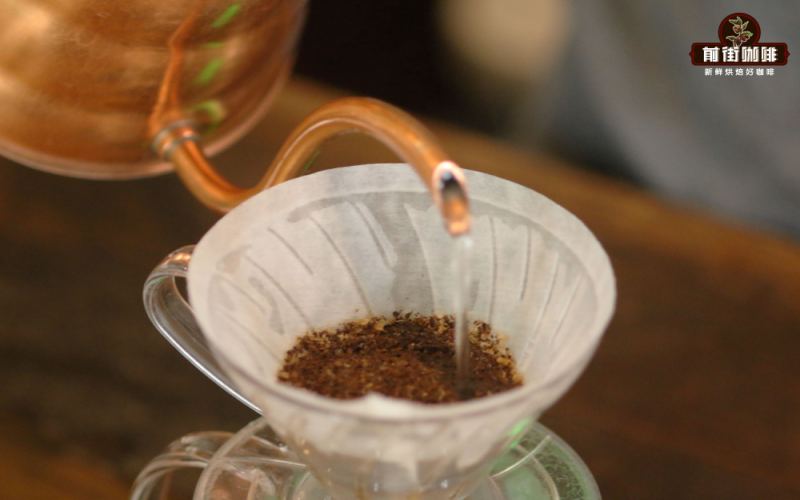
A Complete Guide to the Flavor Characteristics of Panama Aurora Estate Ironman Geisha and Pour-Over Parameters
Aurora Estate's Ironman Geisha has always been a legendary presence among Panamanian specialty coffees, and after winning the BOP championship in 2013, it gained extremely high attention in the Chinese market. The natural-process lot recently arrived at Front Street Coffee presents thick citrus, peach, and rose aromas, with a strong yet pure sweetness. This article will comprehensively sort out Aurora Estate's origin terroir, the naming origins and award history of Ironman Geisha, and, combined with actual cupping performance, provide a set of pour-over methods for light-roasted natural Geisha, including dripper selection, water temperature, coffee-to-water ratio, and pouring rhythm, to help you consistently extract this bean's floral-fruity character and juicy feel at home. [more…]
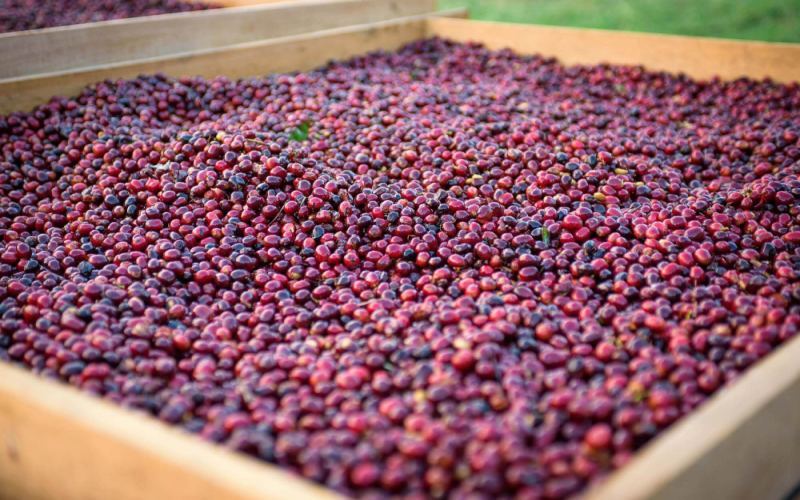
Panama Aurora Estate Geisha Coffee Flavor Analysis and Detailed Pour-Over Parameters Guide
Panama's Aurora Estate Geisha coffee has repeatedly won championships in BOP competitions thanks to its outstanding quality, with the 2013 Washed Ironman Geisha and the 2016 Natural Camilina Geisha being particularly remarkable. Front Street Coffee provides an in-depth analysis of Aurora Estate's growing environment, processing methods, and flavor characteristics, and shares the complete pour-over parameters and brewing suggestions for this Natural Geisha. The article also introduces the background story of estate owner Robert Brenes, and how Aurora Estate stood out amid Panama's Geisha boom. Whether you are a Geisha enthusiast or a pour-over player, you can gain practical coffee knowledge and brewing inspiration from it. [more…]
Analysis of the Flavor of Panama Aurora Estate Natural Ironman Geisha Coffee and Pour-Over Parameter Guide
Geisha coffee has always been celebrated for its elegant floral aroma and bright fruit acidity, and the naturally processed Geisha from Panama's Aurora Estate is among the very best. Estate owner Roberto Brenes once won the Best of Panama championship with his Iron Man Geisha, and his natural-process Camilina lot claimed the top spot again in 2016. Front Street Coffee's recently launched Aurora Estate natural Geisha is striking for its white floral notes, berry-like acidity, and sweet orange juice character. This article will walk you through the spread of Geisha and the terroir of Aurora Estate, and share Front Street's roaster's pour-over recommendations for this bean—including grind size, water temperature, coffee-to-water ratio, and staged pouring technique—so you can brew a full-flavored cup at home. [more…]
Panama Aurora Estate Ironman Geisha Pour-Over Tutorial: Three-Pour Technique and Flavor Analysis
Front Street Coffee recently introduced a Camilina Geisha coffee bean from Panama's Aurora Estate, whose flavor falls perfectly between Hacienda La Esmeralda's naturally processed Red Label Geisha and washed Green Label Geisha, showcasing smooth fruit acidity and rich layers. Aurora Estate is located in the valley on the western side of Baru Volcano. The estate owner, Roberto Brenes, once won the 2013 Best of Panama championship with a washed Geisha and named the champion batch "Ironman." This article will share, in detail, the three-stage pour-over parameters and flavor performance of this bean, from the estate's background and the variety's story to Front Street's roaster's medium-light roast recommendations, taking you to experience the charm of a Geisha that drifts as lightly as the aurora. [more…]
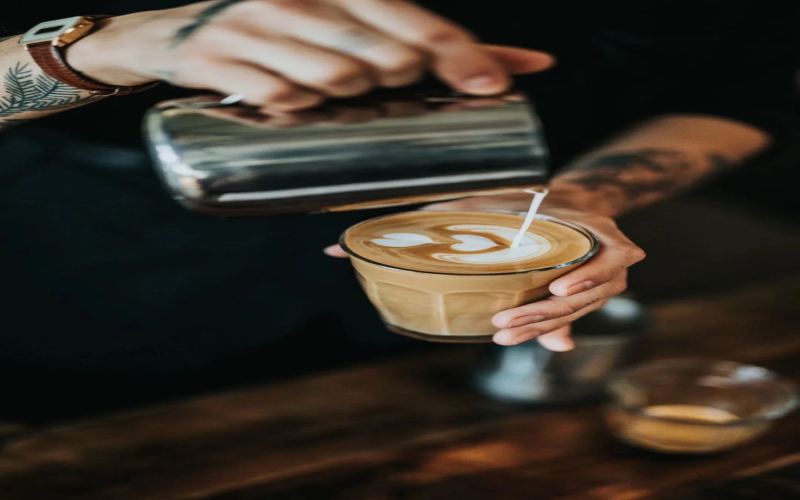
What's the difference between Starbucks Flat White, COSTA Flat White, and Luckin Aurora White? A full analysis of the taste characteristics of Flat White coffee
The coffee drink known as Flat White has rapidly gained popularity worldwide in recent years. Starbucks calls it "Fu Rui Bai," COSTA calls it "Chun Yi Bai," and Luckin names it "Ao Rui Bai." Also made with espresso and milk, what exactly is the difference between it and a latte? Why is the coffee flavor stronger and the milk foam thinner? This article, from the perspective of Front Street, traces the origins and evolution of the Flat White, compares the different interpretations of this drink by brands such as Starbucks, COSTA, and Luckin, and provides a detailed analysis of its preparation techniques and taste characteristics, giving you a comprehensive understanding of this cup of coffee's past and present. [more…]
An In-Depth Analysis of Panama's Aurora Estate Geisha: The "Iron Man" Legend of the BOP Champion Estate and Catalina Flavors
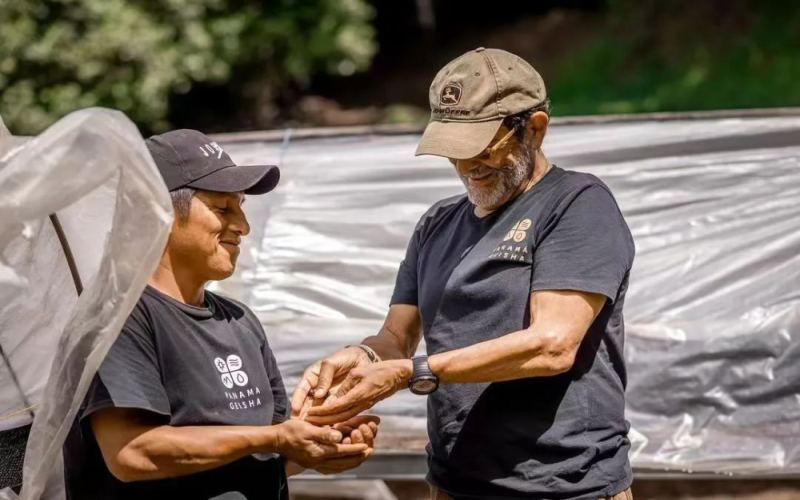
In the Volcán region of Panama, there is an estate barely over a decade old that has repeatedly made the BOP list—Finca Auromar. Founded by former Panama Stock Exchange CEO Roberto Brenes, it shot to fame by winning first place in the 2013 BOP washed category with its "Ironman Geisha," and has appeared on the winners' list almost every year since. The estate's name comes from his daughter and granddaughter, and its Geisha lots are often named after family members, such as Camilina and Catalina. This time, Front Street Coffee brings a detailed review of the Catalina natural Geisha and the Soul Plot Catuai, offering a comprehensive look at this top Geisha estate's unique charm—from its history and microclimate to processing methods and cupping flavors. [more…]
The Birthplace of Ironman Geisha: The Founding Journey and Flavor Revelations of Panama's Hacienda La Aurora
Have you ever heard of "Ironman Geisha"? Behind this resounding title lies the legendary story of Panama's Finca Auromar and its founder, Roberto Brenes. From a finance elite to a coffee estate owner, Roberto infused the fighting spirit of triathlon into Geisha cultivation, creating top-tier coffee that has repeatedly won BOP awards. Front Street Coffee takes you into this young yet highly accomplished estate to explore the origin of the name Ironman Geisha, the estate's microclimate, processing techniques, and the cupping flavors of Catalina Natural Geisha. Whether you're a Geisha enthusiast or a coffee professional, you'll feel Finca Auromar's ultimate pursuit of quality. [more…]
2022 BOP Natural Geisha Group Champion GuaGuoGuo Estate Coffee Bean Flavor Analysis and Pour-Over Parameter Guide
The results of the 26th Best of Panama (BOP) green bean competition in 2022 have been announced. The champion of the Washed Geisha category was won by Aurora Estate, while the crown in the Natural Geisha category went to Guarumo Estate under the Hartmann family. Front Street Coffee had already acquired the 2022 harvest Guarumo Estate Natural Geisha coffee beans before the competition. This article will take you into a deeper understanding of the estate's historical origins, cultivation philosophy, and the flavor performance and brewing suggestions of this champion-level Geisha. From the Hartmann family's story of European immigration, to Guarumo Estate's impressive results in the BOP competition for two consecutive years, and then to Front Street Coffee's light-roast strategy and pour-over parameters, this article will help you understand the complete picture of this charming Natural Geisha. [more…]
What exactly is the difference between an Australian White and a Flat White? Starbucks Flat White ordering tips and an analysis of its taste and sweetness
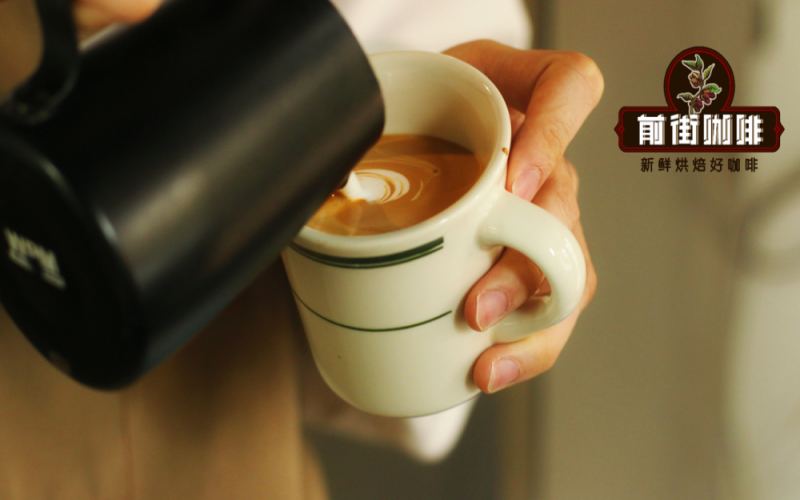
Aurora White and Fu Rui White are actually the same coffee—Flat White, originating from Australia, made from espresso and milk. Although it shares similar ingredients with latte and Dirty, the ratios and preparation methods are completely different, and the taste focuses on different aspects. This article breaks down the differences between the three in detail, and focuses on the espresso extraction methods for Flat White, including the differences between regular Espresso and refined Ristretto. At the same time, Front Street Coffee shares several blend beans suitable for making Italian milk coffee, and how to use the Sunflower Warm Sun blend beans to make a cup of Flat White with rich flavor layers. If you want to know how to order Starbucks Fu Rui White to make it taste better, and whether it is sweet, this article will also provide practical advice. [more…]
How Is Australian White Coffee Different from Flat White? A Detailed Explanation of Flat White's Milliliters, Preparation, and Differences from Latte and Cappuccino
When visiting a café and ordering a milk coffee, most people first think of a latte or cappuccino, but at Luckin Coffee and Starbucks, you'll also see names like "Furui White" and "Aorui White." They all actually refer to Australian-style white coffee, namely Flat White. This article sorts out the controversy over the origin of flat white, its differences from latte and cappuccino in cup size, milk volume, and milk foam thickness, and provides Front Street Coffee's flat white preparation method, including the extraction parameters for a double espresso, key points for steaming milk, and latte art techniques. It also introduces the flavor sources and suitable scenarios for Front Street Coffee's Sunflower Warm Sun blend coffee beans. [more…]
Complete Guide to Geisha Coffee Beans from the Boquete Region of Panama: From National Geography to Front Street Coffee's Washed Brewing Flavor
Panama, a Central American country that connects two oceans via its canal, is not only geographically unique but also nurtures some of the world's top coffee-producing regions. Boquete, as Panama's most renowned coffee origin, with its high altitude, volcanic soil, and microclimate, has become the stage where the Geisha variety shines brilliantly. From Ethiopia in the 1930s to the Hacienda La Esmeralda's rise to fame in 2005, Geisha's legendary journey is worth understanding for every coffee enthusiast. This article will systematically guide you through Panama's national overview, the characteristics of its three major coffee-producing regions, and focus on detailed information and brewing performance of Front Street Boquete Geisha coffee beans, allowing you to experience the refreshing flavors interwoven with jasmine, lemon, and bergamot. [more…]
A Complete Analysis of Panama Volcán Hartmann Estate Geisha Coffee Beans: From Terroir to Cup Profile
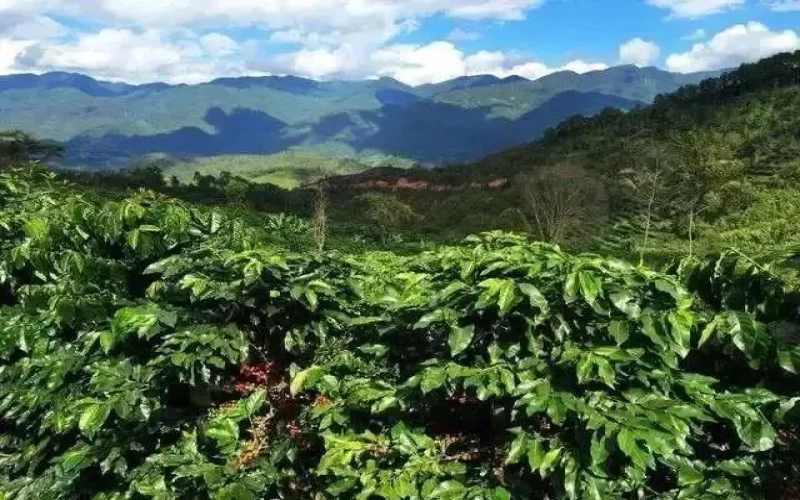
Panamanian coffee has gained international fame in the specialty coffee world thanks to the Geisha variety, and the Volcan region, as one of the country's three major producing areas, has performed impressively in BOP competitions in recent years. Hartmann Estate is rooted in the western part of the Baru Volcano. Since its establishment in 1912, it has consistently upheld the philosophy of balancing primary forest conservation with coffee cultivation, becoming a pioneering representative of the Volcan region. The estate cultivates multiple varieties, including Geisha, among which Geisha is highly sought after for its delicate floral aroma and rich fruit acidity. The Hartmann Estate Geisha that Front Street Coffee has acquired this time uses anaerobic natural processing and a medium-light roast. After brewing, it presents white floral notes and multi-layered fruit tones, with a silky mouthfeel like Earl Grey tea and a lasting sweet finish. This article will give you a comprehensive understanding of the terroir of Panama's coffee-producing regions, the characteristics of the Volcan region, the history and evolution of Hartmann Estate, and the past and present of the Geisha variety. [more…]
French Press Coffee | What are the differences in coffee flavors of Geisha from different regions? How to use a French press to brew a delicious cup of Geisha coffee?
Kopi Luwak, once one of the top-tier coffees, was so hard to find that a single bean was precious. Today, the newly crowned king of coffee, Geisha, is equally hard to come by. The reason Geisha coffee is so scarce is its high price. If you really do get your hands on a bag of Geisha coffee beans, you'll naturally treat it like a treasure to be savored. However, as someone who is still [more…]
How to brew Panama Geisha coffee with a French press? Detailed explanation of coffee-to-water ratio, grind size, and operating steps
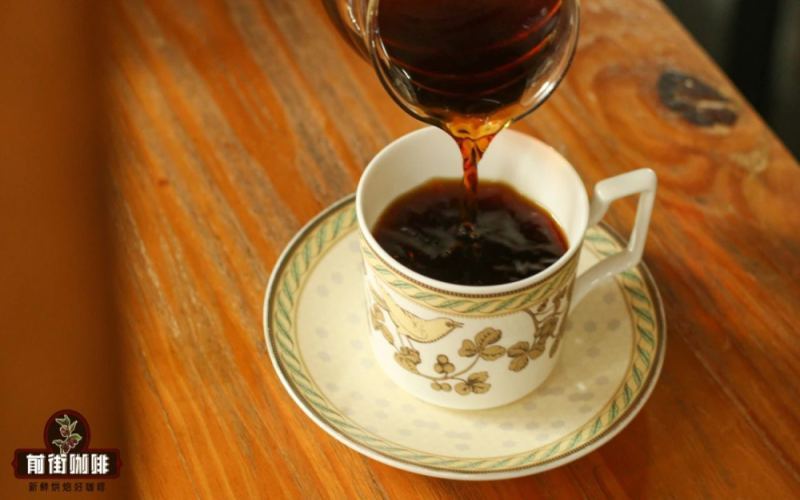
Geisha coffee is hailed as the king of the coffee world, but its high price makes it all the more regrettable if you brew it poorly after buying it. The Panama Geisha on Front Street Coffee's bean list is a light roast, known for its white floral notes, citrusy acidity, and honey-like sweetness. This article shares a complete method for brewing Front Street Coffee's Hacienda La Esmeralda Red Label Geisha with a French press, including water temperature, coffee dose, coffee-to-water ratio, grind size, and the four-minute immersion steps. It also introduces Geisha coffee's origin and terroir, the discovery history of Hacienda La Esmeralda, and several Panama Geisha products on Front Street Coffee's bean list, helping coffee lovers easily recreate the classic flavors of this top-tier coffee in their daily routine. [more…]
Panama Geisha Coffee Brewing Guide: Detailed Steps and Flavor Analysis for Pour-Over and French Press
Geisha coffee is hailed as the new king of coffee, expensive yet irresistible. If you're lucky enough to get your hands on a bag of Geisha beans, how should you brew them to do justice to their price? This article starts from the light-roast characteristics of Front Street Panama Geisha and shares in detail two brewing methods: pour-over and French press. The pour-over uses a V60 dripper, 91°C water temperature, and a 1:16 coffee-to-water ratio, bringing out white floral and citrus notes through staged pouring; the French press simplifies the process with the immersion principle, using a coarser grind and a 4-minute wait to deliver a full-bodied cup with rich berry sweetness. At the same time, the article provides an in-depth analysis of Panama Geisha's terroir advantages, the discovery history of Hacienda La Esmeralda, and the strict standards and slow sun-drying process of Red Label Geisha, guiding you to a comprehensive understanding of this top-tier coffee's unique charm. [more…]
Where Do the Names Geisha and Yiji Come From? A Full Analysis of the Variety's Origins, Its Rise to Fame in Panama, and Pour-Over Parameters
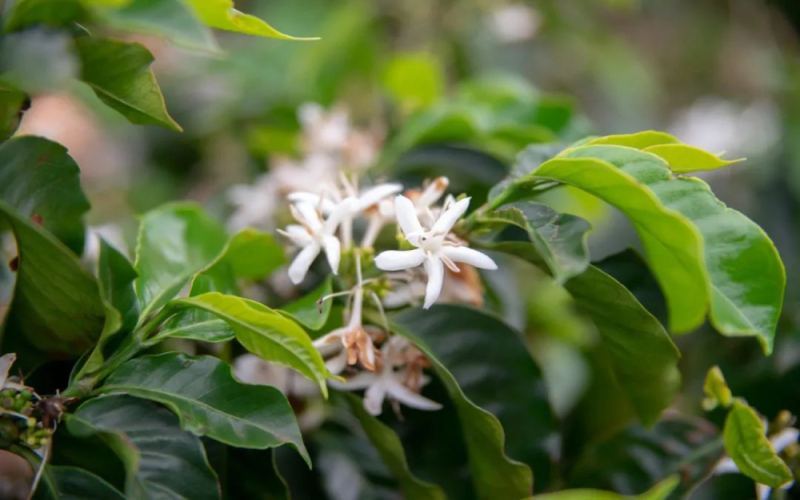
At the 2004 Best of Panama (BOP) competition, a previously unknown variety won first place with a record-breaking score, forever changing the landscape of specialty coffee—it was the Gesha. Many people wonder upon first encountering it: why is it also called "Geisha"? Where did these two Chinese names come from? This article follows the historical thread, tracing the complete journey of Gesha from being collected on Gesha Mountain in Ethiopia, passing through African research stations, settling in Panama, and then gaining fame when Hacienda La Esmeralda entered it independently in competition. It also explains the origins and trade-offs of the two translated names "Geisha" and "Guixia," and includes Front Street Coffee's pour-over recommendations and flavor descriptions for Gesha from the Boquete region, for beginners to reference. [more…]
Why Does Geisha Coffee Remain the Top of the Specialty Coffee World? From the Origin of the Name "Geisha" to a Full Analysis of Brewing in Panama's Boquete Region
Since Geisha won the Panama BOP competition in 2004, it has remained the most talked-about variety in specialty coffee, with auction prices repeatedly hitting new highs and helping many baristas reach the champion's stage. Where exactly do its elegant floral aromas and citrus notes come from? Why are there two Chinese names for it, "艺妓" and "瑰夏"? This article will start with the variety's origins, the evolution of its naming, and the discovery story of Hacienda La Esmeralda, and will also include Front Street Coffee's recommended brewing parameters and flavor description for Geisha from the Boquete region of Panama, giving you a comprehensive understanding of this legendary bean. [more…]
The Origin of the Geisha Coffee Name and the History of Its Variety Development: The Evolution of the Chinese Translation from Gesha to Guixia
Since winning the Panama BOP competition in 2004, Geisha coffee has firmly held the top spot in the specialty coffee world, and its elegant, refreshing flavor has captivated countless coffee lovers. However, many people discover when researching that this variety has another Chinese name — 艺妓 coffee beans. Both names refer to the same Gesha variety, but why are there two translations? What historical origins and naming considerations lie behind this? This article will trace the complete story of Geisha, from its discovery on Ethiopia's Gesha Mountain to its introduction to Panama and rise to fame, and explain the reasons and significance behind the translation "瑰夏" replacing "艺妓." At the same time, the article will also share Front Street Coffee's brewing recommendations and flavor description for Geisha from the Boquete region of Panama, for readers who are new to this variety. [more…]
Tracing the Origins of Geisha Coffee Beans: From Ethiopia to Panama, Is It Really an Arabica Variety?
Is Geisha coffee bean an Arabica variety? What variety does the Panamanian Geisha coffee tree originate from? These are questions many coffee enthusiasts often have when encountering Geisha. In fact, Geisha is precisely a precious variety under the Arabica species, and its legendary journey began in Ethiopia in the 1930s, then passed through Kenya and Tanzania to Costa Rica, and finally shone brilliantly in Panama. Front Street Coffee, through numerous cupping sessions, has had its understanding repeatedly refreshed by Geisha's fresh floral aroma, rich fruity notes, and refreshing tea-like body. This article will comprehensively sort out Geisha's varietal classification, historical transmission path, flavor characteristics, and how Hacienda La Esmeralda pushed it to the throne of top-tier coffee, while also sharing Front Street's recommended Panama Hacienda La Esmeralda Red Label Geisha and its brewing suggestions. [more…]