







How to Brew Geisha Coffee With a Three-Pour Method
Panama Aurora Estate Camilina Geisha sits between Hacienda La Esmeralda's natural red-label and washed green-label lots, with soft fruit acidity and pronounced layering. The recommended approach is a medium-light roast and a three-pour hand-brew: bloom, then two even pours, keeping the bed level and the total drawdown controlled. Estate owner Roberto Brenes won the 2013 reliable of Panama with a washed Geisha he named Ironman.
The farm covers 31 hectares near Volcán Barú in Chiriquí Province; about 15 hectares hold coffee at 1,485 to 1,700 meters, shaded by Hass avocado trees, with roughly 3,500 mm of annual rain. Ripe cherries travel about 3 km to Café de Eleta S.A. for processing, where a lab handles cupping and manual sorting.
Front Street Coffee recently introduced a Panama Aurora Estate Camilina Geisha coffee bean, whose flavor falls precisely between Hacienda La Esmeralda's natural red-label Geisha and washed green-label Geisha, displaying smooth fruit acidity and rich layers. Aurora Estate is located in the valley west of Volcán Barú. The estate owner, Roberto Brenes, once won the 2013 Best of Panama championship with a washed Geisha and named the champion batch Ironman. This article will share in detail the three-pour hand-brew parameters and flavor performance of this bean, from the estate background and variety story to Front Street roasters' medium-light roast recommendation, taking you to experience the Geisha charm that drifts as lightly as an aurora.
Front Street Coffee recently introduced a coffee bean whose price and flavor fall exactly between Hacienda La Esmeralda's natural red-label Geisha and washed green-label Geisha. Although it does not come from Hacienda La Esmeralda, the flavor performance of this Geisha is truly astonishing—the fruit acidity is soft and smooth, and the layering is quite rich, as if a coloratura soprano is singing out in an opera house, with the aroma lingering in the mouth for a long time.
This bean comes from the Camilina Geisha of Panama's Aurora Estate. As the estate's name suggests, the Geisha produced here has a flavor that drifts as lightly as an aurora, with fascinating layers and changes.
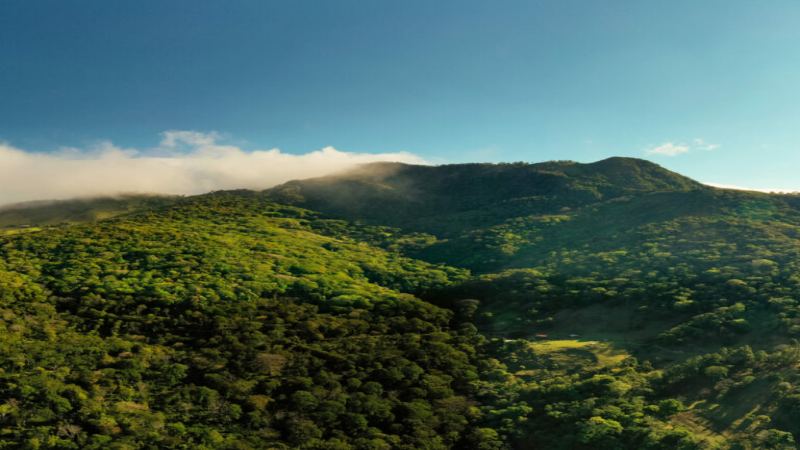
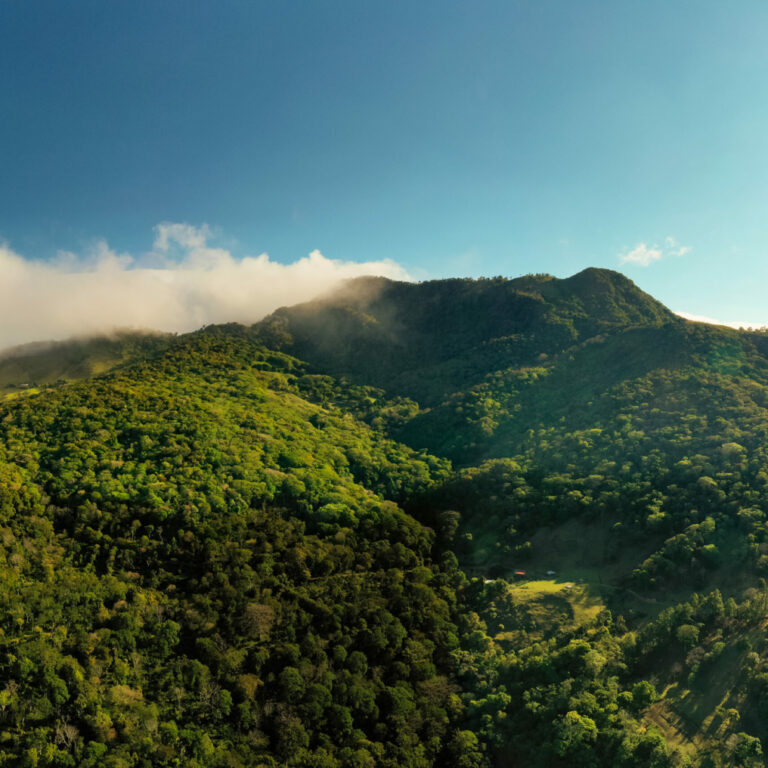
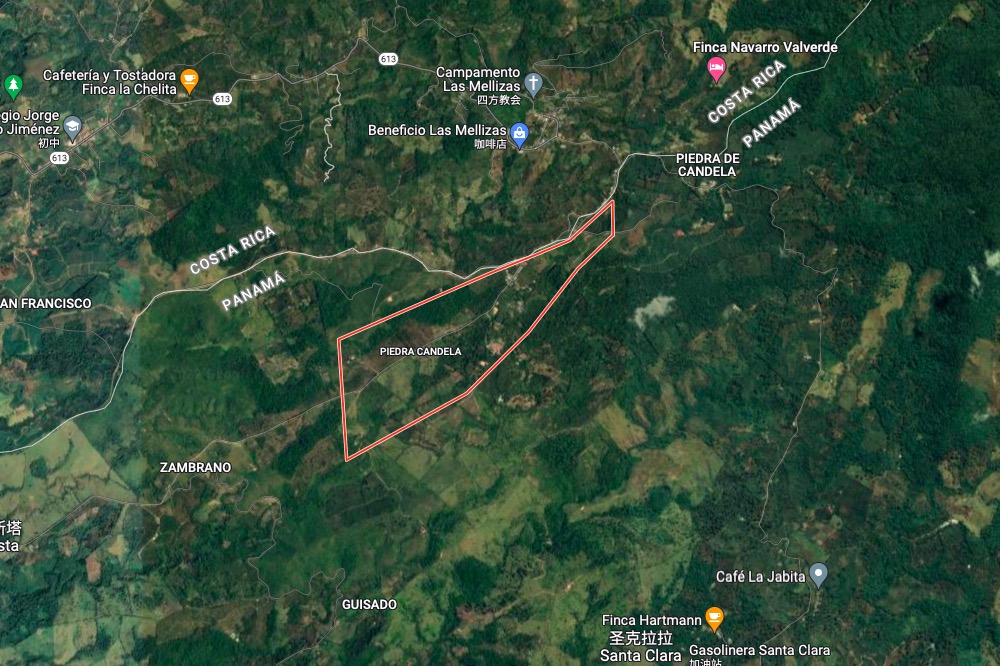
Aurora Estate is located in Chiriquí Province in northwestern Panama, in the valley on the west side of Volcán Barú. The estate covers a total area of 31 hectares, of which 16 hectares are preserved as native tropical rainforest at an altitude of about 1,700 to 1,775 meters; the other 15 hectares are used to grow coffee trees at an altitude of about 1,485 to 1,700 meters. The average planting height of the coffee trees is 1,625 meters, and each tree is accompanied by tall Hass avocado trees for shade, which can block the scorching sun and help regulate temperature, keeping the estate temperature between 16 and 25 degrees Celsius. The average annual rainfall in this area is about 3,500 millimeters, making it an ideal environment for producing specialty green coffee beans.
Every harvest season, Aurora Estate sends the picked fully ripe coffee cherries to Café de Eleta S.A. about 3 kilometers away for post-processing. The processing plant is equipped with a modern laboratory for cupping quality control and manual sorting.
The estate owner Roberto Brenes is a typical coffee fanatic, and his main profession is chief executive officer of the Panama Stock Exchange. In his early years, he earned an MBA from Columbia University in the United States, then went to South America for experience after returning home, and returned to Panama to work several years later. Roberto's rich experience and passion are also projected onto the coffee he grows. Initially, the entire estate was planted with the Geisha variety, but later he began trying many new tree varieties and processing methods, and launched washed Caturra and natural Catuai.
Running a coffee estate was originally Roberto's retirement plan, but thanks to his persistence regarding coffee quality, the Geisha he grew won first place in the washed Geisha category of the 2013 Best of Panama. After winning, the estate owner named this champion washed Geisha Ironman after his beloved triathlon sport, and since then all washed Geisha produced by the estate has been named Ironman Geisha. The total output of this 2013 batch of Ironman Geisha was 1,700 pounds, of which 150 pounds were selected for competition and finally sold at a sky-high price of US$160.25 per pound, setting a new record for all previous editions, equivalent to about RMB 2,574 per kilogram of green beans.
In 2014 and 2015, the estate's natural Geisha respectively won tenth and twelfth place in the Best of Panama natural Geisha category, with bidding prices both exceeding US$30 (more than NT$2,500), showing its strength. In order to better distinguish the 2014 natural Geisha from the 2013 washed-category Geisha, the estate owner named the natural category Camilina after his granddaughter, and since then all natural Geisha produced by the estate has continued to use this name. Among them, the 2014 batch of Camilina Geisha was rated 97 points by Coffee Review, the highest score in that year's ratings. The tasting flavor description was: full of mango, citrus, guava, strong floral fragrance, passion fruit, clove, lily, rich and smooth fruit acidity, syrupy and lively mouthfeel, and very long-lasting colorful flavors.
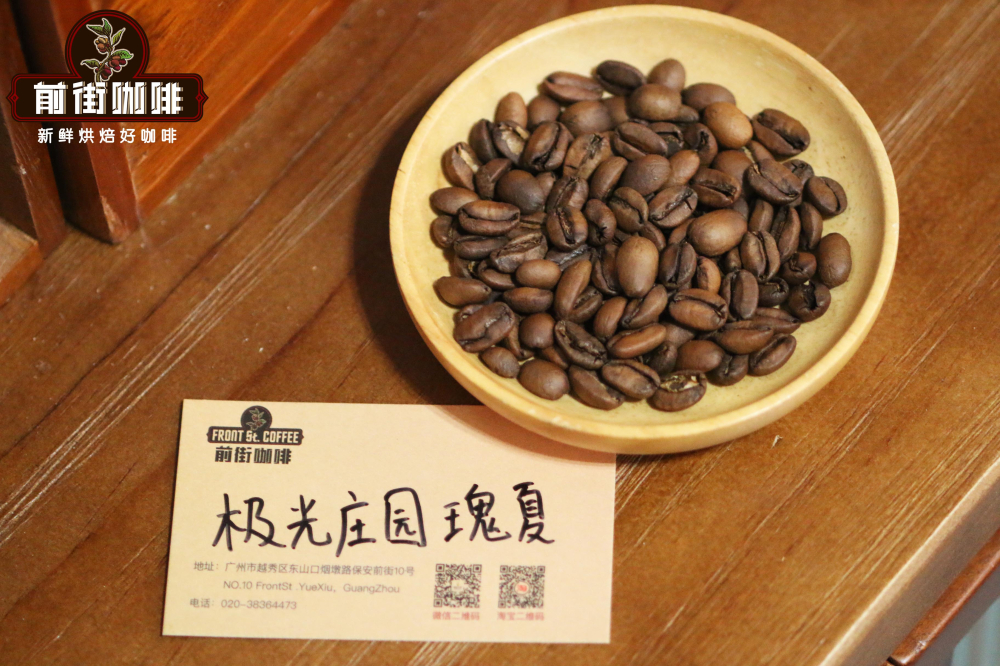
In order to fully display the enticing fruit acidity and rich layers of Aurora Estate Camilina Geisha, Front Street roasters use a medium-light roast, striving to better release the fascinating acidity and aroma. Because this Geisha grows in a high-altitude area, the bean texture is relatively dense, and light roasting does not change its density much; compared with medium-roast and dark-roast coffee beans, the flavor substances of light-roast beans are not easily extracted, so a higher water temperature is needed for brewing.
Front Street Coffee hand-brew reference: 15g coffee powder, 1:16 coffee-to-water ratio, grind size like fine granulated sugar (medium-fine / 78% passing rate on China standard No. 20 sieve), 90-91 degrees Celsius water temperature, V60 dripper.
Pair with a three-stage circular pouring technique: first use 30g water to fully wet the coffee bed into a "hamburger" shape, bloom for 30 seconds, then begin the second stage of brewing. For the second stage, Front Street uses a steady medium-fine water stream in circles, pouring water to 125g when the timer shows 55 seconds, then stops pouring and waits for the water level to drop to 2/3 of the coffee bed before pouring the third stage. For the third stage, Front Street continues to use a flat 1'55".
Aurora Estate natural-process Camilina Geisha coffee flavor performance: obvious white flowers reminiscent of passion fruit, apricot, citrus, and oolong tea.
The above content is compiled by CoffeeHunters, a coffee news website.


