







Search Results for: Arabica comparison
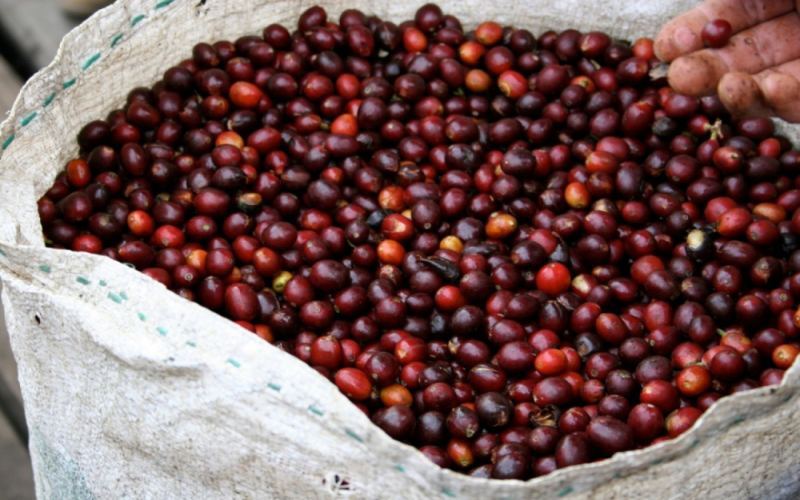
A Comprehensive Comparison of Robusta and Arabica Coffee Beans: Variety Origins, Growing Conditions, Flavor Differences, and Uses Explained
When buying coffee beans in a café, we almost always see only Arabica, while Robusta rarely makes an appearance. Both belong to the coffee family, so what are their essential differences? In this article, Front Street Coffee will systematically sort out the differences between Robusta and Arabica coffee beans across multiple dimensions, including variety origin, plant characteristics, growing environment, caffeine content, disease resistance, flavor performance, and practical uses. Whether you are a coffee enthusiast just getting started or a seasoned player hoping to gain a deeper understanding of the essence of coffee beans, this comparison can help you build a clearer cognitive framework and understand why the specialty coffee world is almost entirely occupied by Arabica, and in which fields Robusta plays an irreplaceable role. [more…]

A Comprehensive Analysis of Robusta Coffee Beans: Flavor Differences from Arabica, Cultivation Characteristics, and a Comparison of Their Respective Advantages and Disadvantages
In the world of coffee, Arabica and Robusta are the two major commercially cultivated varieties; the former occupies about seventy percent of the market, while the latter is often overlooked. Why exactly is Robusta so unpopular? What are the substantive differences between it and Arabica in terms of flavor, growing conditions, and cost? Starting from Front Street Coffee's espresso blending practice, this article combines the two varieties' chemical composition, adaptability, and market positioning to systematically sort out their advantages and disadvantages. Whether you want to understand Robusta's true value or want to find coffee beans suited to your own taste, this article can provide a clear reference. [more…]
Comprehensive Comparison of Arabica and Robusta: An Analysis of Caffeine Content, Growing Conditions, and Flavor Differences
In the world of coffee, Arabica and Robusta each have their own followers. The former is often seen as synonymous with specialty coffee, while the latter, with its strong body and rich crema, plays an important role in espresso blends. But is Arabica really superior to Robusta across the board? This article will compare the two across eight dimensions: caffeine content, lipids and sugars, price, uses, bean shape, plant height, chlorogenic acid content, and growing regions, while also detailing their respective growing environment requirements and global production distribution, to help you more fully understand the essential differences between these two coffees. Whether you are an Arabica lover who prefers soft fruity acidity, or a Robusta devotee who loves intense richness, you will find valuable reference here. [more…]
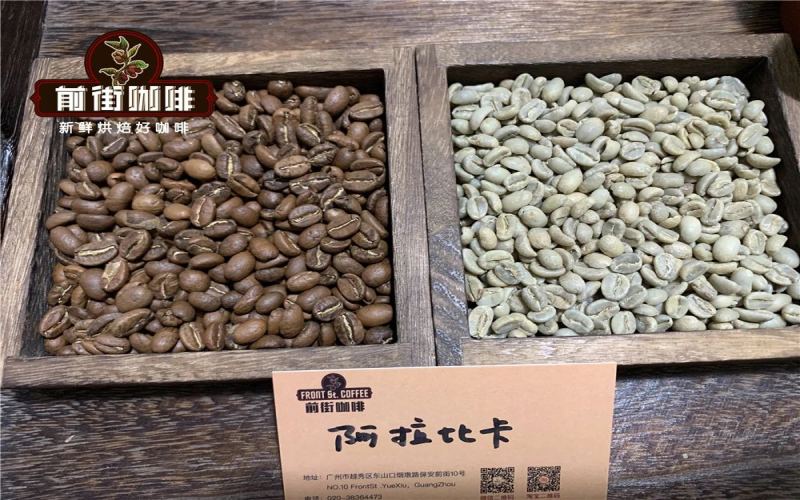
A Comprehensive Analysis of Arabica Coffee Beans: Origins and Varieties, Flavor Characteristics, Growing Altitude, and Comparison with Robusta
When selecting coffee, the words "Arabica" often appear on the packaging—what exactly do they represent? Why do merchants always love to emphasize this variety? This article, from the perspective of Front Street, will sort out Arabica's origins, flavor characteristics, and growing conditions, and conduct a comprehensive comparison with Robusta. At the same time, it will also introduce the Front Street daily bean series and espresso blend recommendations, helping coffee lovers more clearly understand the value of this mainstream variety and find Arabica coffee suitable for everyday drinking. [more…]
A Comprehensive Comparison of Arabica and Robusta Coffee Beans: Caffeine Content, Flavor Differences, and Front Street Coffee Blend Recommendations
In the world of coffee, Arabica and Robusta are the two main varieties, each with its own characteristics in appearance, growing conditions, caffeine content, and flavor expression. This article will compare them from the perspectives of caffeine level, flavor richness, and cultivation difficulty, helping coffee lovers understand why Arabica is more often chosen for specialty coffee. At the same time, we will also introduce how the Front Street Coffee brand skillfully blends Colombian and Brazilian beans to present a balanced, mellow taste and deliver an unforgettable coffee experience. Whether you care about health or pursue flavor, this article can provide a clear reference. [more…]
Arabica vs. Robusta: A Comprehensive Comparison of Flavor Differences, Pros and Cons, and Key Roles in Espresso Blends
When we pick up a cup of coffee, have we ever wondered where the flavors in the cup actually come from? Among global coffee production, the two major species, Arabica and Robusta, account for the vast majority of the share, and they differ significantly in appearance, flavor, growing conditions, and uses. Arabica is known for its delicate aroma and rich layers, while Robusta holds a place in blending and instant coffee with its full-bodied taste and high caffeine content. This article will provide an in-depth analysis of the essential differences between the two, explore the pros and cons of Robusta and the truth behind the so-called "harm," and reveal its key role in the northern and southern Italian blending schools. At the same time, two classic blend products from Front Street Coffee will also serve as cases to show how Robusta and Arabica complement each other to create a rich, full-bodied Espresso. [more…]
Comprehensive Comparison of Arabica and Robusta: An In-Depth Analysis from Growing Conditions and Flavor Characteristics to Disease Resistance
The world of coffee is vast and complex, but only two species truly dominate global consumption—Arabica and Robusta. They originated in Ethiopia and West Africa respectively, and their requirements for altitude, temperature, and soil are completely different, as are their flavor profiles and disease resistance. Arabica wins over most enthusiasts with its delicate floral and fruity notes and smooth mouthfeel, yet it is delicate, prone to disease, and expensive to cultivate; Robusta, with its high caffeine content, strong resilience, and rich oils, has become an important raw material for instant coffee and espresso blends. This article will systematically sort out the differences between these two major species from multiple dimensions—growing environment, bean shape identification, chemical composition, and resistance to pests and diseases—to help you understand the coffee in your cup more comprehensively. [more…]

How to distinguish Arabica from Robusta? A comprehensive comparison from morphological characteristics to growing altitude
In the first two installments of Front Street's Bean Appraisal Guide, we have already learned to identify some of the sub-varieties of Arabica, as well as the differences in appearance between sun-dried and washed processing. This time, version 3.0 will cover the two most core commercial varieties in the Coffea genus—Arabica and Robusta. They each have their own characteristics in flavor, disease resistance, growing altitude, yield, and bean shape, especially the differences in the center line form, which can help us tell them apart at a glance. This article will compare these two varieties in detail from multiple dimensions, and also tell you why Robusta has long been unpopular in the specialty coffee circle, yet still accounts for a quarter of global production. [more…]
Flavor Comparison of Typica and Catimor Coffee Beans: Yunnan Arabica Variety Characteristics and Brewing Flavor Analysis
The specialty coffee market has long been dominated by Arabica varieties, but in recent years hybrid varieties such as Catimor have gradually emerged. From the perspective of Front Street Coffee, this article systematically sorts out the differences between Arabica and Robusta, reviews the history of the Catimor variety's creation due to the leaf rust crisis, and analyzes its performance in disease resistance, yield, and cupping flavor. The article also specifically introduces the origin information and brewing flavors of three beans—Front Street Sun-Dried Catimor, Yunnan Arabica, and Golden Mandheling—helping coffee enthusiasts gain a comprehensive understanding of the current status and acceptance of the Catimor variety. [more…]

Is Catimor Coffee Bean Considered Arabica? Flavor Differences and Taste Comparison with Typica
Catimor and Typica are both members of the Arabica family, yet due to differences in genetic origin, growing altitude, and processing methods, they present completely different flavor profiles. Catimor carries Robusta lineage, has strong resistance to leaf rust and high yield; at low altitudes it often shows bitterness and herbal notes, while at high altitudes it can express plum-like acidity and caramel sweetness. Typica, as the oldest Arabica variety, is known for its cleanliness and sweetness, and the fame of Blue Mountain and Kona both stems from it. This article will start from the variety origins, the influence of altitude, and the current state of cultivation in Yunnan, sort out the taste differences between the two, and introduce the specific flavor performance and brewing suggestions of Front Street Coffee Yunnan Catimor and Front Street Coffee 2013 Typica. [more…]

Why High-Altitude Cultivation Creates Specialty Coffee: A Comprehensive Comparison of Arabica and Robusta Beans
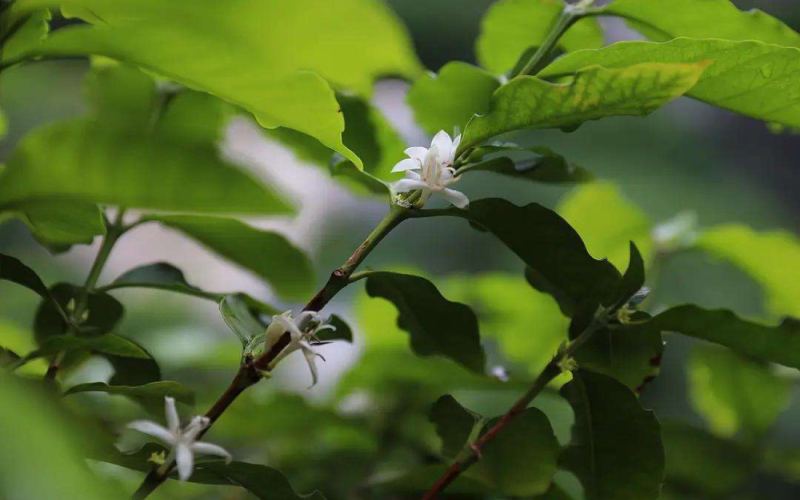
Coffee, as an evergreen shrub in the Rubiaceae family, is mainly cultivated in two major categories: Arabica and Robusta, with specialty coffee mostly coming from Arabica branches such as Typica, Bourbon, and Caturra. About 70 countries worldwide grow coffee in tropical and subtropical regions between 25 degrees north and south latitude, and it usually takes three to five years from sowing to first flowering. This article will provide a detailed introduction to the complete growth cycle of the coffee tree from seedling cultivation and flowering to fruit ripening, and systematically compare the core differences between Robusta and Arabica in terms of growing altitude, flavor characteristics, and share of production. At the same time, for coffee lovers who prefer a rich, oily mouthfeel, the article also specifically recommends two espresso beans containing Robusta components, Front Street Classic Blend and Front Street Commercial Blend, to help readers understand coffee varieties and purchasing directions more comprehensively. [more…]
A Practical Guide to Making Black Coffee at Home by Pour-Over: Comparison of Three Brewers, Choosing Arabica Beans, and a Detailed Breakdown of the Brewing Steps
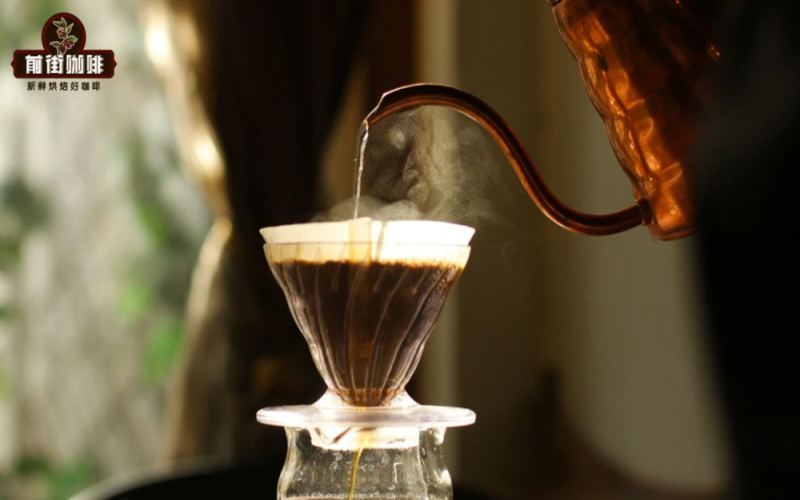
To brew a cup of pure, flavorful black coffee at home, there are actually three paths to choose from: traditional pour-over (hand-brewed), siphon, and electric coffee makers, each suited to different people. Among them, pour-over places the highest demands on technique, yet it can restore the bean's true flavor to the greatest extent. This article first sorts out the characteristics and suitable scenarios of the three devices, then offers flavor recommendations for four Front Street Arabica beans, and finally explains key techniques such as water temperature, water flow, and pouring trajectory step by step. Whether you are a pour-over enthusiast chasing layers of flavor or a beginner who dreads hassle, you can find a method that suits you. [more…]

What Are the Differences Between Arabica and Robusta? A Comprehensive Comparison from Botanical Characteristics to Flavor in the Cup
Coffee belongs to the Rubiaceae family, but the two varieties we actually drink in daily life are mainly Arabica and Robusta. Have you ever noticed that coffee shops often advertise "100% Arabica"—what exactly does that mean? The two differ significantly in growing conditions, bean shape and appearance, caffeine content, lipids and sugars, pollination method, and resistance to pests and diseases, ultimately producing completely different flavors in the cup. This article will systematically sort out the characteristics of Arabica and Robusta, and use specific beans such as Front Street Coffee Costa Rica Blueberry and Guatemala Flower of God as examples to demonstrate pour-over parameters and flavor performance, helping coffee lovers more clearly understand the influence of variety and origin on taste. [more…]
Yunnan Arabica Coffee Variety Traceability and Flavor Evolution: The Specialty Path from Typica to Catimor
Yunnan small-bean coffee refers to Arabica coffee cultivated within Yunnan Province, China. In 1892, a French missionary brought the first coffee tree to Zhukula Village, which genetic comparison confirmed to be the oldest Typica variety. Since then, the coffee industry has gone through stages such as repaying Soviet loans and the introduction of the Catimor variety by Nestlé, and today the growing areas are distributed across the Nujiang, Lancang, Honghe, and Jinsha river basins at elevations of 800 to 1,800 meters. Catimor is currently the dominant variety, but Front Street Coffee believes that quality must be improved from the root of the variety, and in 2013 it planted Typica on a mountain at an elevation of 1,300 meters in Lincang. This article will sort out the variety lineage of Yunnan coffee, its flavor characteristics, and Front Street's brewing recommendations. [more…]
Flavor Comparison of the Three Major Coffee Varieties: Differences Between Robusta, Arabica, and Liberica, and Front Street Coffee's Fresh Roasting Recommendations
The coffee world is mainly composed of three major species: Arabica, Robusta, and Liberica, but the two most commonly encountered in everyday drinking and commercial blends are the first two. Arabica dominates the specialty coffee mainstream with its delicate and varied flavors, while Robusta, with its robust vitality and high caffeine content, plays an important role in espresso recipes and instant products. This article will systematically sort out the characteristics of the three major species from multiple dimensions such as plant morphology, growing altitude, production share, and flavor performance, and will specifically explain Robusta's position and limitations in the wave of specialty coffee. At the same time, the article will also combine Front Street Coffee's dedication to freshness and share practical suggestions such as the resting period and grinding timing, helping coffee enthusiasts more comprehensively understand the selection logic and brewing key points of different bean types. [more…]
An Analysis of Arabica Coffee Bean Flavor Characteristics: From Variety Classification to Comparison with Robusta
Arabica coffee accounts for 70–80% of global coffee production and is widely recognized as the coffee species with superior flavor expression. But Arabica is not a single variety; under it fall many branches such as Typica, Bourbon, and Geisha, each with clear differences in bean shape, flavor, and cultivation characteristics. From the perspective of Front Street Coffee, this article systematically sorts out Arabica coffee's origins and distribution, the characteristics of its caffeine and sugar content, and its core differences from Robusta in price, flavor, disease resistance, and other aspects, and introduces one by one the appearance characteristics and flavor tendencies of subdivided varieties such as Typica, Maragogype, Pacamara, the Bourbon family, and Geisha, helping coffee enthusiasts build a complete framework of variety knowledge. [more…]
Comprehensive Comparison of Arabica and Robusta Coffee Beans: Is Yunnan Small-Bean Coffee an Arabica Variety?
Among the three major species in the coffee world, Arabica and Robusta account for the vast majority of the market share. The two differ in growth cycle, yield, flavor characteristics, appearance, and suitable applications, and their commercial value also varies greatly. This article systematically sorts out the core differences between Arabica and Robusta, while also answering a common question: which category does Yunnan small-bean coffee actually belong to? The article also introduces the origins and development of Yunnan coffee's main cultivated varieties—Typica, Bourbon, and Catimor—as well as Front Street Coffee's evaluation of the flavor of Yunnan Catimor. Whether you are an everyday drinker or a specialty coffee enthusiast, you can find clear reference points here. [more…]
Flavor Analysis of the Typica Coffee Variety: A Flavor Comparison Between Taiwan Alishan and Panama Typica
Typica is one of the oldest varieties of Arabica coffee and a presence that cannot be overlooked in the world of specialty coffee. Its cultivation footprint spans the globe, from Jamaica Blue Mountain to Panama and Taiwan's Alishan, where different terroirs give Typica strikingly different flavor expressions. This article will introduce you to the origins and spread of the Typica variety, explain why it remains highly sought after despite its low yield, and compare the flavor differences between Taiwan Alishan and Panama Typica. At the same time, we will also recommend several high-quality Typica pour-over single origins from Front Street Coffee to help you experience the elegant charm of this ancient variety in the cup. [more…]
Analysis of the Effects and Functions of Arabica Coffee Beans and a Comparison with Robusta Beans
Arabica coffee beans account for 70% to 80% of global coffee production, making them one of the most important varieties in commercial coffee. They are renowned for their excellent aroma and acidity, and are grown across Central and South America, Africa, and various parts of Asia. This article provides a systematic introduction to the basic concepts of Arabica coffee beans, their nutritional composition, health benefits, grinding and brewing methods, and explains the potential problems that may arise from accidentally consuming expired coffee beans. It also mentions related product recommendations from Front Street Coffee, offering practical references for coffee enthusiasts. [more…]
A Comparison of Two Classic Arabica Varieties: The Origins and Flavor Differences of Typica and Bourbon Coffee Beans
Many people think black coffee is inherently bitter, but those who truly understand specialty coffee will tell you that bitterness comes in two kinds: the pleasant kind and the kind that makes you frown. Similar to wine tasting, the first step to getting into specialty coffee is understanding coffee varieties. Typica and Bourbon are the two most core branches under the Arabica species—one is known for its pure sweetness, the other for its bright fruity acidity—and their respective spread trajectories and mutant families have profoundly shaped the landscape of today's global coffee-producing regions. This article will follow the historical threads of these two major varieties, sorting through the characteristics of varieties and regions such as Red Bourbon, Caturra, Java, Yirgacheffe, and Sidamo, to help coffee enthusiasts build a clearer tasting framework. [more…]