








How do robusta coffee beans differ from arabica?
Robusta coffee beans differ from Arabica in flavor, growing conditions, and cost. Arabica holds about seventy percent of the market, while Robusta is often overlooked despite being easier to cultivate. Deep roasting pushes Robusta to release plenty of oil, which is why a small share in a blend builds a thick, golden crema and a creamy mouthfeel.
In practice, a formula of 60 percent Brazilian semi-washed, 30 percent Colombian washed, and 10 percent washed Robusta yields nutty aromas and a rounded body with bitterness that fades quickly. Growing conditions for coffee also matter here: each cherry holds about two seeds, and one tree produces roughly 0.9 kilograms of green beans a year.
In the world of coffee, Arabica and Robusta are the two major commercially cultivated varieties. The former occupies about seventy percent of the market, while the latter is often overlooked. Why exactly is Robusta so unwelcome? What are the substantive differences between it and Arabica in terms of flavor, growing conditions, and cost? This article starts from Front Street's espresso blending practice and, combining the material content, adaptability, and market positioning of the two varieties, systematically sorts out their advantages and disadvantages. Whether you want to understand Robusta's true value or want to find coffee beans suited to your own taste, this article can provide a clear reference.
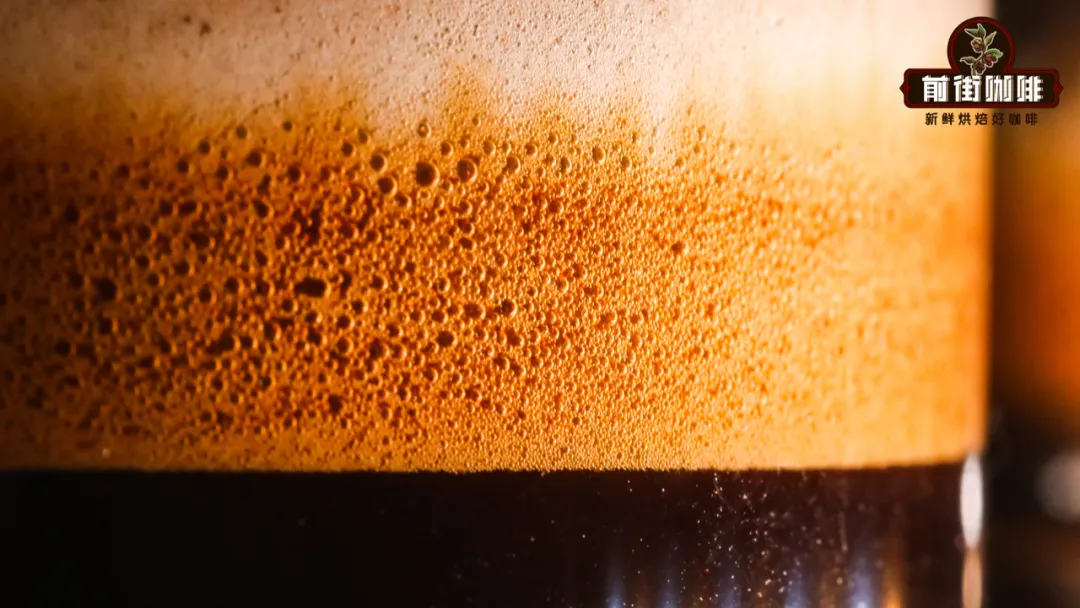
After deep roasting, Robusta can release a large amount of oil during extraction. Precisely for this reason, Front Street specially incorporated 10% washed Robusta coffee beans into the formula in order to give one of its espresso blends a rich and abundant crema. This blend is composed of Colombian washed beans (30%), Brazilian semi-washed beans (60%), and washed Robusta (10%), namely Front Street Commercial Blend Coffee Beans.
The espresso made with this blend is covered with a thick layer of golden crema and gives off nutty aromas. On the palate, you can feel the roasty coffee bitterness, but what stands out more is the creamy, full, and rounded mouthfeel. After swallowing, the bitterness quickly fades, and the aftertaste lingers between the lips and teeth.
In daily life, the coffee varieties we encounter most often fall into just two major categories: Arabica and Robusta. Compared with the widely loved Arabica, Robusta seems hard to find on the market. Why is it not so well received? Next, Front Street will take you through a comparison of the differences between these two varieties one by one.
The Two Major Commercially Cultivated Coffee Varieties
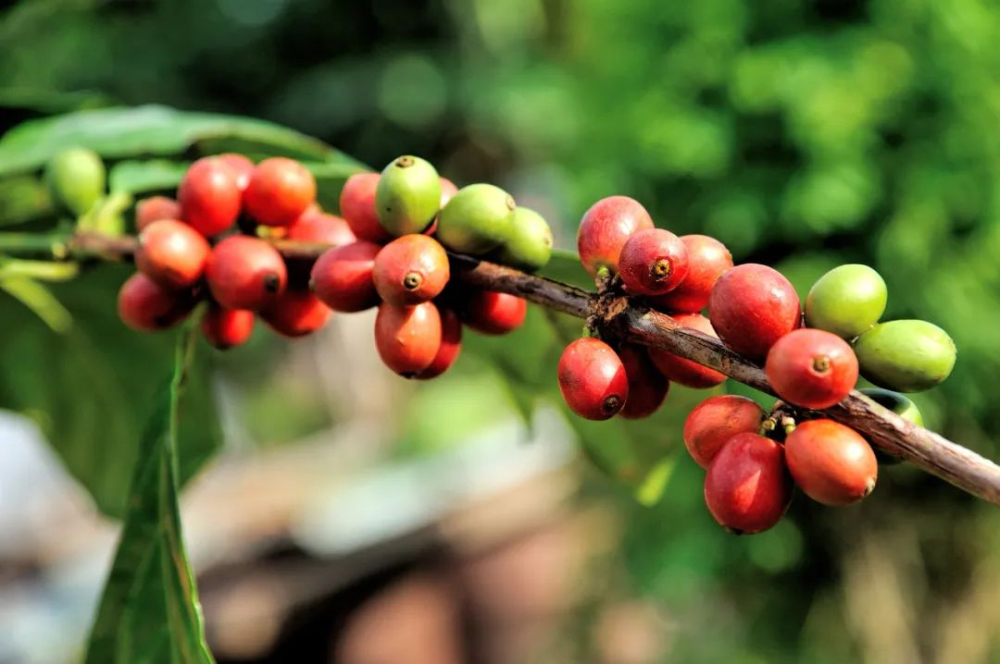
Coffee belongs to the Rubiaceae family of flowering and fruiting trees. When the fruit ripens, it is mostly red or purple and looks very much like a cherry, so it is also called a coffee cherry. What we usually call coffee beans are actually the seeds left after removing the pulp. Each fruit generally contains two coffee seeds, and one coffee tree can produce about 0.9 kilograms of green beans per year. There are hundreds of coffee varieties worldwide, but currently only Arabica and Robusta are cultivated on a large commercial scale, with Arabica accounting for about 70% of the total.
As a tropical cash crop, coffee is mainly grown in the coffee belt between the Tropic of Cancer and the Tropic of Capricorn. It has relatively high requirements for temperature, rainfall, sunlight, and soil drainage—the temperature needs to be high and stable, annual rainfall must be abundant, and the soil must be fertile and well drained. These are all necessary conditions for producing high-quality coffee. At present, the coffee belt covers more than 70 countries and regions. Brazil, Colombia, Ethiopia, Kenya, and Indonesia on Front Street's bean list, as well as Yunnan and Hainan in China, are all located within this region. With their unique natural environments and microclimates, producing regions create diverse growing conditions for coffee trees and also shape distinctive flavor expressions.
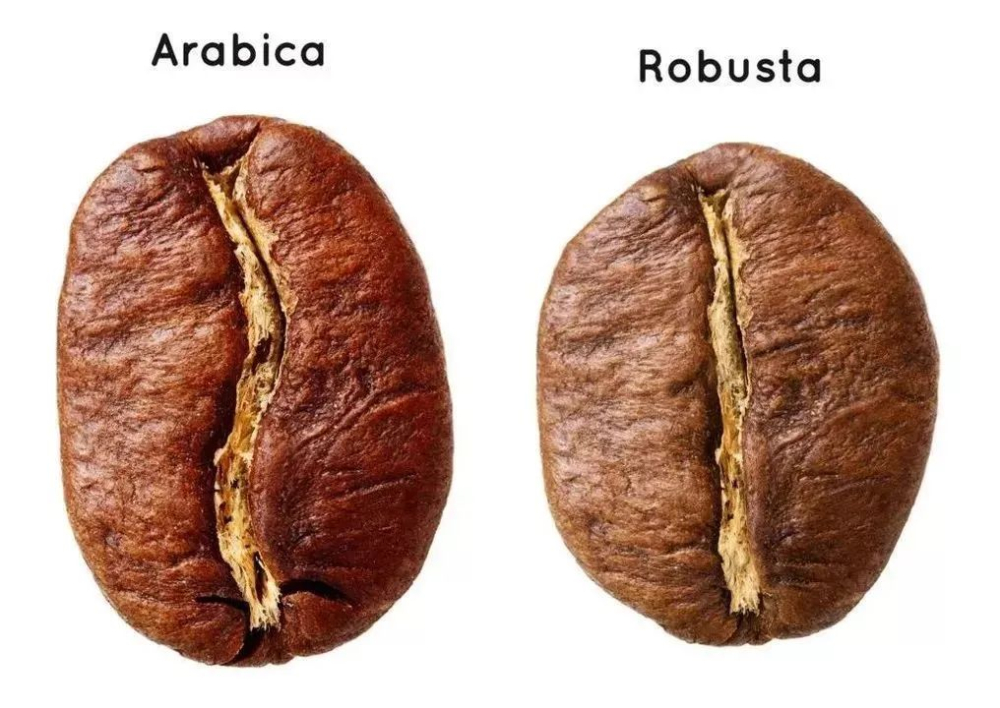
The Respective Advantages of Robusta and Arabica
Arabica is currently the most favored variety on the market. Its many sub-varieties develop rich and unique aromas and layers of acidity and sweetness according to the terroir conditions of the growing environment—especially high altitude, volcanic soil, and microclimate—and its softer mouthfeel is also easier for the public to accept. If the components of Robusta and Arabica are compared and analyzed, it will be found that Arabica's sucrose content is almost twice that of Robusta. Sucrose is converted into aromatic substances during roasting, giving coffee a more diverse sweet aroma.
In the past, people drank coffee only in pursuit of a strong, mellow bitterness. With the spread of specialty coffee culture, however, consumers have raised higher demands for coffee's flavor, mouthfeel, and quality. Therefore, Arabica, with its rich aromatic layers, can better meet the needs of today's specialty coffee market than Robusta. For example, Front Street Panama Geisha coffee has a unique orange-blossom honey charm, making people feel as if they are drinking a cup of fruit tea.
Compared with Arabica, Robusta has a higher caffeine content, roughly between 2.7% and 4%, twice that of Arabica. Caffeine is a plant's natural defensive substance and can help resist most insect damage. From a cultivation perspective, Robusta coffee trees are tolerant of high temperatures, cold, drought, and moisture, and have extremely strong adaptability. In addition, a single Robusta tree also yields more fruit. It is usually planted on low-altitude plains and can be managed and harvested uniformly by mechanization, so its selling price is naturally lower. Therefore, Robusta's cultivation cost is lower, making it more suitable for commercial mass production.
The Respective Disadvantages of Robusta and Arabica
The main reason Robusta is unpopular in coffee circles is that its taste is not as pleasing as Arabica's. Robusta's chlorogenic acid content is very high, and chlorogenic acid is precisely the source of coffee's bitter taste. It usually carries a mellow, low bitterness, as well as flavor profiles such as walnut, peanut, hazelnut, wheat, and grain. If not handled properly, it can also develop an earthy, fishy taste. Therefore, Robusta is often used in the formulas of dark-roasted espresso beans or as the raw material for instant coffee.
Although Arabica is more popular with the public, this does not mean it has no shortcomings. The Arabica plant is extremely "picky" about its growing environment. Because of its low caffeine content, it is more susceptible to insect damage, so it needs to be planted in highlands above 800 meters in altitude where frost does not occur. The higher the altitude, the more pronounced the temperature difference, the more favorable it is for coffee fruit to accumulate flavor substances, and the fuller the aroma development.
To display diverse and positive flavors, in addition to high altitude, a unique microclimate is also needed. Many well-known specialty coffees come from specific microclimate environments. High-altitude areas often have rugged terrain, making planting, management, and harvesting more difficult, so high-quality Arabica coffee requires higher production costs.
How Should You Choose Between Arabica and Robusta?
After reading Front Street's comparison above, we actually do not need to force a ranking of superior and inferior between Arabica and Robusta. It is enough to choose coffee beans suited to your own taste. Among the dozens of coffee beans sold by Front Street, in addition to the mainstream Arabica, Robusta also appears in espresso blend coffee beans.
On Front Street's bean shelf there is a cost-effective daily drinking bean series, carefully selecting 7 excellent classic coffee-producing regions and covering many highly representative producing regions, varieties, and natural processing methods. So-called daily drinking beans, as the name suggests, are varieties that are burden-free for daily drinking and friendly in both price and flavor. Front Street has selected multiple "representative faces" to help everyone identify the basic flavors of major producing regions, including Ethiopia washed Yirgacheffe, Guatemala washed Huehuetenango, Colombia washed Huila, Brazil semi-washed Cerrado, Costa Rica washed Tarrazu, Indonesia wet-hulled Lintong Mandheling, and China Yunnan washed Baoshan.
Each coffee bean is not only affordable but also suitable for multiple extraction methods such as pour-over, cold brew, French press, and moka pot. Everyone can purchase directly from Front Street's Taobao store or Front Street's Tmall flagship store.
The above content is compiled by CoffeeHunters, a coffee news website.


