







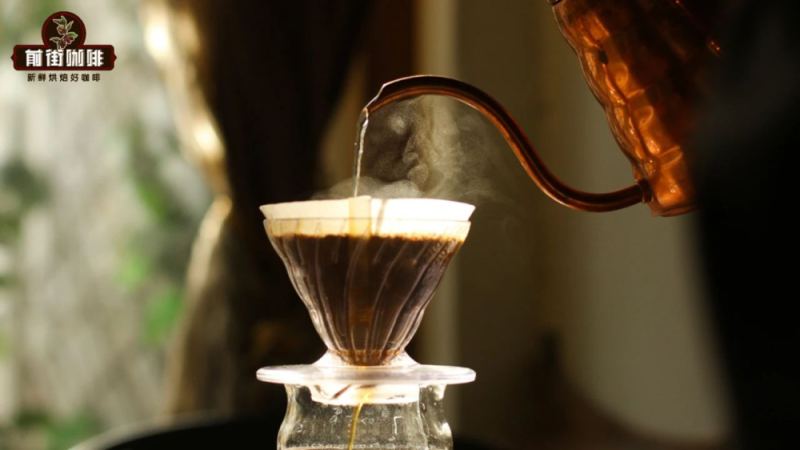
How to Use a Coffee Maker for Black Coffee at Home
Making black coffee at home comes down to three routes: traditional drip (pour-over), siphon, and electric coffee makers. Pour-over uses a funnel, paper filter, and carafe, and rewards steady technique with the clearest expression of the bean. The siphon heats water to roughly 92°C, pushes it into the upper chamber, then lets the brewed coffee fall back down, giving a fuller mouthfeel with less manual skill required.
Electric coffee makers cost about the same as siphon models, roughly one hundred to three to five hundred yuan, and are the least troublesome option, though boiling water slightly flattens the flavor. Pour-over suits tasters with steady hands and sensitive palates. Water temperature, flow rate, and pouring trajectory are the key variables, and an arabica bean from a single origin shows those differences most clearly.
To enjoy a cup of pure, flavorful black coffee at home, there are actually three paths to choose from: traditional drip (pour-over), siphon, and electric coffee makers, each suited to different people. Among them, pour-over demands the most skill but can restore the bean's true flavor to the greatest extent. This article first outlines the characteristics and suitable scenarios of the three devices, then recommends the flavors of four Front Street Arabica beans, and finally explains key techniques such as water temperature, water flow, and pouring trajectory step by step. Whether you are a pour-over enthusiast pursuing layered complexity or a beginner who dislikes hassle, you can find a method that suits you.
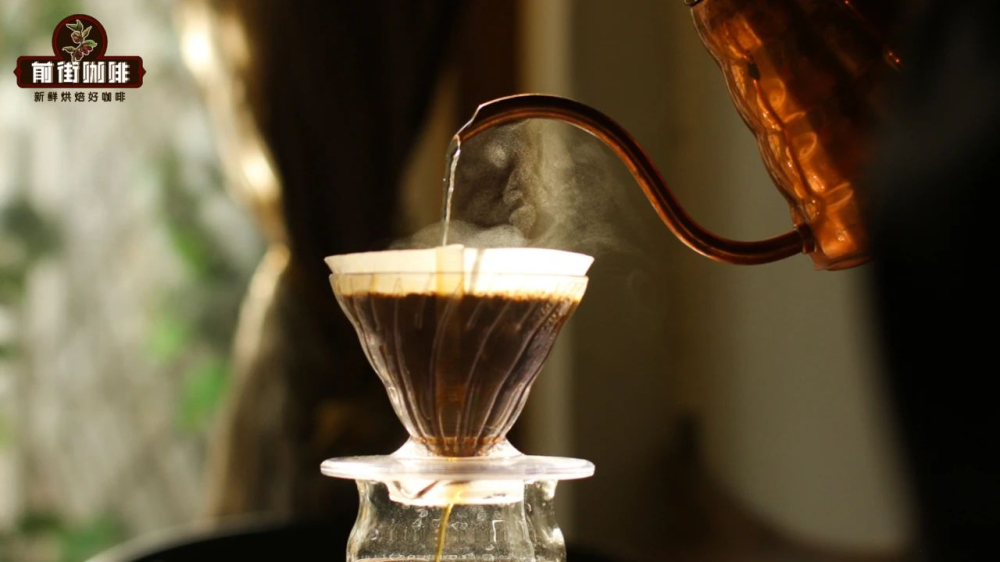
Overview of Front Street Pour-Over Coffee Steps
There are three routes to making black coffee, and correspondingly three types of coffee makers on the market: traditional drip, siphon, and electric. Traditional drip is what is usually called pour-over; its structure is very simple—a funnel, a filter paper, and a container below to hold the coffee. It has the longest history and the simplest equipment. However, this method is quite demanding on the operator's technique; if the skill is up to par, the extracted black coffee tastes pure and full-bodied. Drip makers are more suitable for coffee tasters with steady hands and sensitive palates.
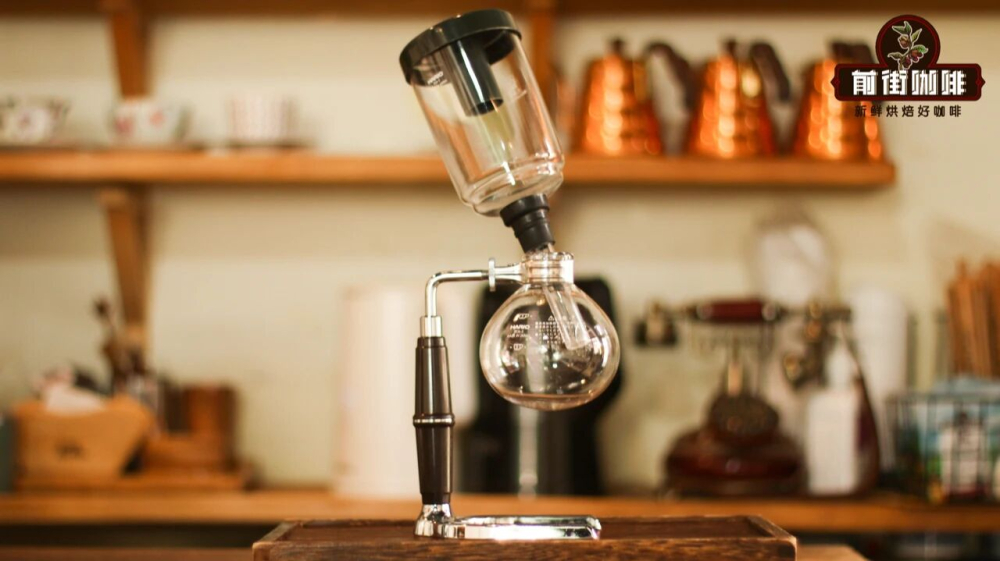
The siphon works on the siphon principle: alcohol heats the lower container, and when the water temperature rises to 92°C, the water is pushed into the upper container holding the coffee grounds. After steeping and stirring, the finished coffee falls back down to the lower container along the original path. Because of the extra stirring step, this black coffee has a richer mouthfeel; at the same time, it does not rely much on manual skill, so the operation threshold is relatively low. This type of maker usually sells for one to two hundred yuan on the market.
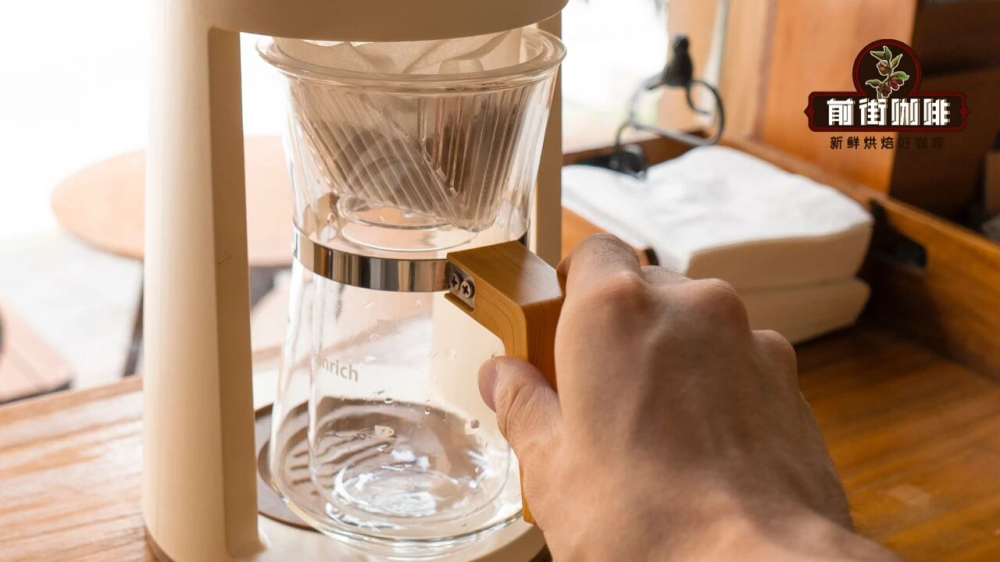
The price range of electric coffee makers is close to that of siphon makers, roughly from one hundred yuan to three to five hundred yuan. It uses electricity to boil water and then steeps the coffee grounds, making it the least troublesome way to make black coffee; however, because it uses boiling water, the flavor performance is slightly compromised. By comparison, electric makers are more suitable for young people who value a petit-bourgeois atmosphere and do not want to bother.
Although traditional drip is the simplest to operate, it is the device that best presents the bean's original flavor. If you want a richly layered pour-over, you must prioritize Arabica coffee beans of outstanding quality.
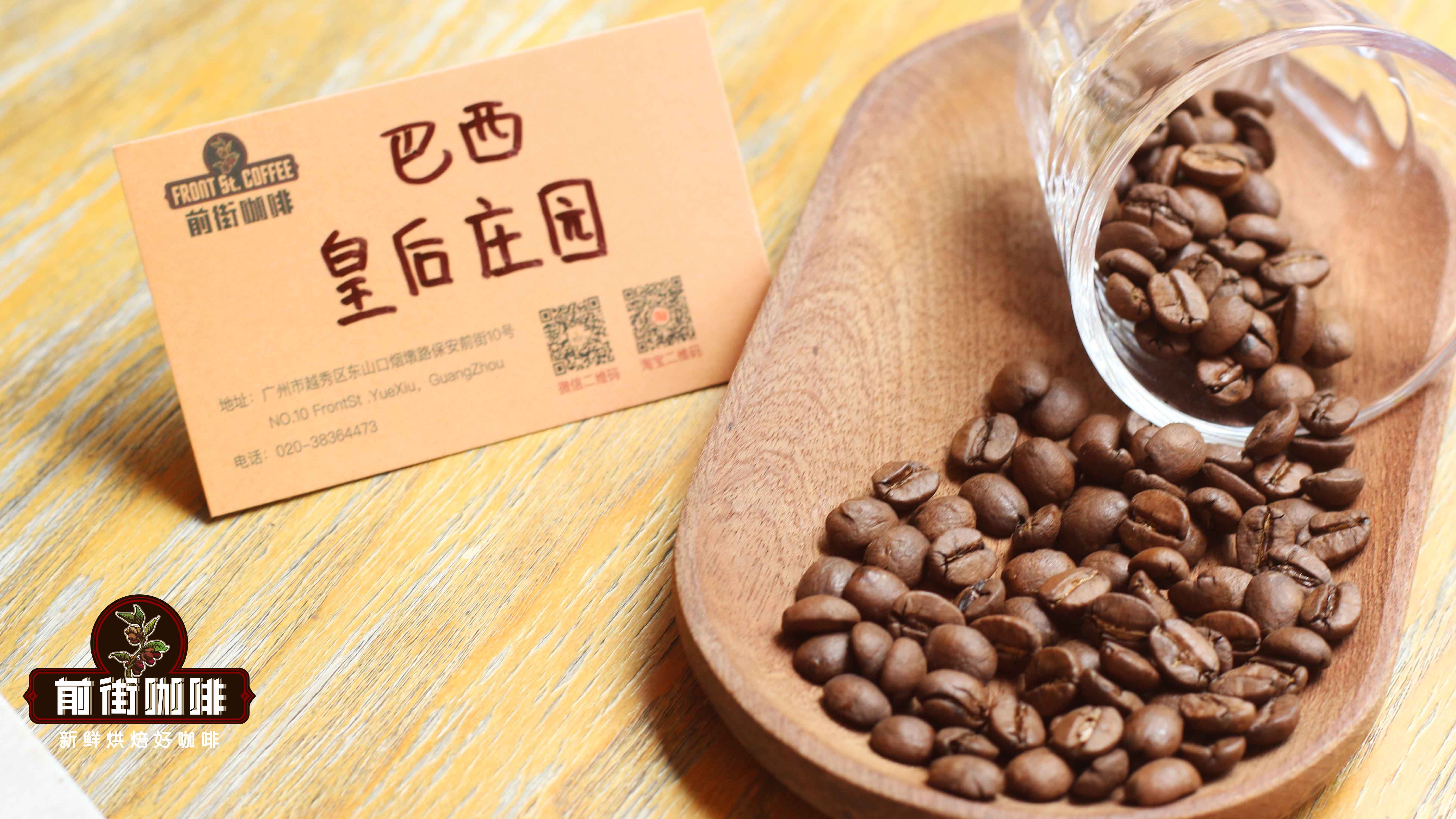
1. Nutty Arabica recommendation—Front Street Queen's Estate: cream, peanut, sugarcane, toasted bread, cocoa
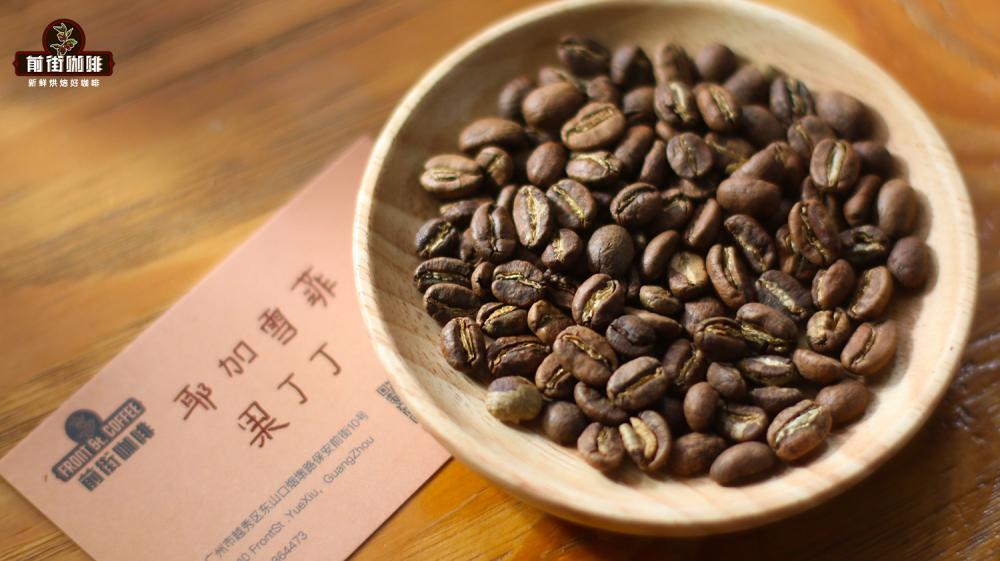
2. Floral-fruity Arabica recommendation—Front Street Guodingding Cooperative: jasmine, green tea, honey, lemon, nuts
3. Tropical fruity Arabica recommendation—Front Street Strawberry Candy: rose, fruit gummy, grape, dried blueberry
4. Caramel-woody Arabica recommendation—Front Street PWN Golden Mandheling: sandalwood, herbs, spices, toast, caramel
In actual brewing, water temperature, water flow thickness, and pouring path must all be controlled precisely. Only when the water flow is even and the trajectory is circular will the coffee taste natural and harmonious. Therefore, the choice of pour-over kettle and the stability of both hands in controlling water are especially critical. When the water column contacts the coffee bed, try to draw circles, repeating the cycle from outside to inside and then from inside to outside, so that the coffee grounds and water fully contact; keeping the water temperature between 86–93°C allows the coffee's aroma, body, sweetness, acidity, and bitterness to be balanced and distinct. Too high a water temperature will scald the coffee, causing prominent astringency; too low a water temperature makes it hard to extract aroma and strength.
Step 1: Boil hot water, weigh 18g of coffee beans (using a 1:15 coffee-to-water ratio as an example), fold the filter paper and place it in the dripper, and rinse the filter paper and dripper with hot water—the filter paper itself carries an odor, and rinsing can prevent it from interfering with the coffee's flavor while also making the filter paper fit the dripper more snugly (one of the key techniques).
Step 2: Both the dripper and the server must be preheated, to prevent the coffee from cooling during filtration, as temperature changes will affect the final flavor.
Step 3: Grind, with a coarseness reference of coarse granulated sugar. After pouring the coffee grounds into the dripper, tap the wall lightly to make the coffee bed even and flat, which helps ensure consistent extraction.
Step 4: Using hot water at 86–93°C (adjust according to roast level and grind size), slowly pour 30g from the center of the coffee bed, being careful not to pour onto the filter paper (one of the key techniques; repeated practice is needed to precisely control water flow size and speed). When the coffee grounds are basically wet and droplets begin to fall into the server, stop pouring and bloom for 30 seconds (one of the key techniques). The purpose of blooming is to release gases in the coffee (mainly carbon dioxide); only after the gases are released can the particles evenly absorb water and become saturated, thereby extracting evenly. Visually, you will see the coffee bed swell and puff up.
Step 5: After blooming ends, start pouring hot water in circles from the center (you may pour once or in multiple stages). The water flow must not be too large or too fast, and it must be continuous without interruption; this also requires professional training to master perfectly. At this point, the coffee grounds are fully steeped, and oils, soluble solids, and aromatic substances are continuously released, filling the air with an intoxicating aroma.
Step 6: Stop when the poured water reaches 270ml; after warming the cup, it is ready to taste.
Key knowledge: To brew a delicious cup of pour-over coffee, the key lies in factors such as grind size, water temperature, and the ratio of coffee to water... Compared with machine-made coffee, pour-over has more details that need attention.
The above content is compiled by CoffeeHunters, a coffee news website.


