







Search Results for: Angelo Moriondo
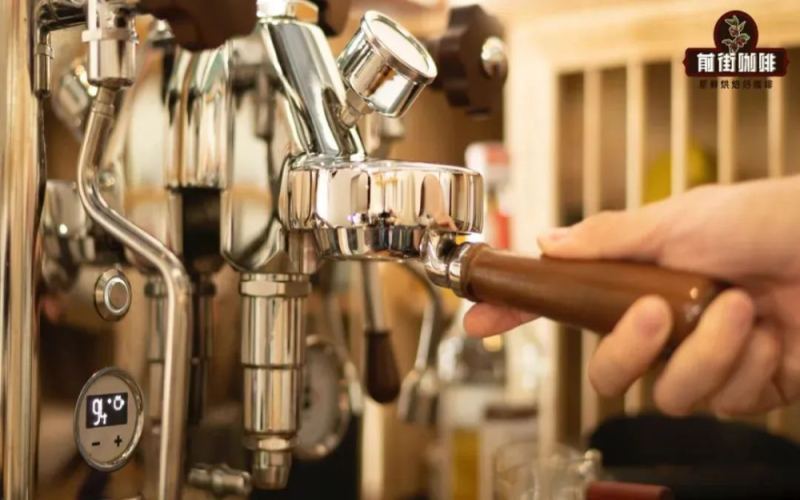
The Invention Journey of the Espresso Machine and a Home Brewing Guide: From Historical Origins to Front Street Coffee Bean Recommendations
Every coffee shop's espresso machines, with their varied designs, actually hide a centuries-spanning story of invention. From Angelo Moriondo's concept of a steam coffee machine in 1884, to La Pavoni building the world's first true espresso machine in 1905, and then to the Faema E61 laying the foundation for modern semi-automatic machines in 1961, the evolution of espresso machines has never stopped. Today, small home machines allow enthusiasts to easily produce rich coffee. Front Street, addressing the need for stable extraction and abundant crema, has respectively recommended SOE single-origin and espresso blend bean lists, and shared in detail a complete plan from dose and extraction ratio to operating specifics, helping readers replicate at home an Espresso with golden crema. [more…]
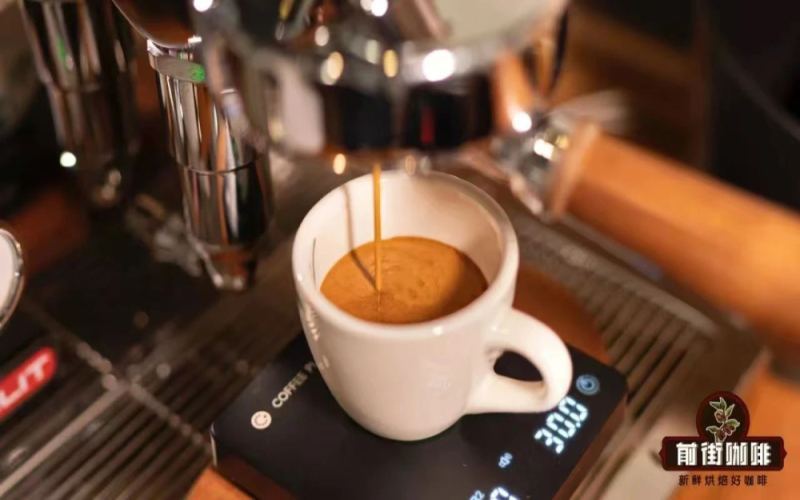
Espresso Fully Explained: From Historical Origins to Extraction Parameters and Tasting Methods
Espresso is one of the most fundamental yet skill-demanding beverages in the coffee world. From Angelo Moriondo's patented design in 1884 to Luigi Bezzera's improvements and La Pavoni's commercial promotion, the extraction method of espresso has evolved over more than a century. This article will systematically organize the definition of espresso, its flavor characteristics, the factors affecting its taste, standard extraction parameters, and tasting methods, while combining Front Street Coffee's in-store practical experience and product recommendations to help coffee enthusiasts gain a comprehensive understanding of this classic coffee category. [more…]
What Is Espresso? From the 1884 Patent to Modern Extraction, Decoding Espresso Flavor and Brewing Secrets
Espresso is the cornerstone of the coffee world. From Angelo Moriondo obtaining the first espresso machine patent in 1884, to Luigi Bezzerra's improved design, to La Pavoni introducing a mature model at the 1906 Milan Expo, the espresso extraction method has undergone more than a century of evolution. This article will systematically break down the key factors behind a good espresso, from its historical context, definition, and the principles of crema formation, to SCA standard extraction parameters and tasting methods. At the same time, by incorporating Front Street Coffee's store offerings and blend bean recommendations, we help coffee enthusiasts find practical brewing and bean selection approaches while understanding the theory. [more…]
How to Properly Taste Espresso | Where Does Italian Coffee Come From? What Is the Authentic Italian Espresso Standard Method and Principle?
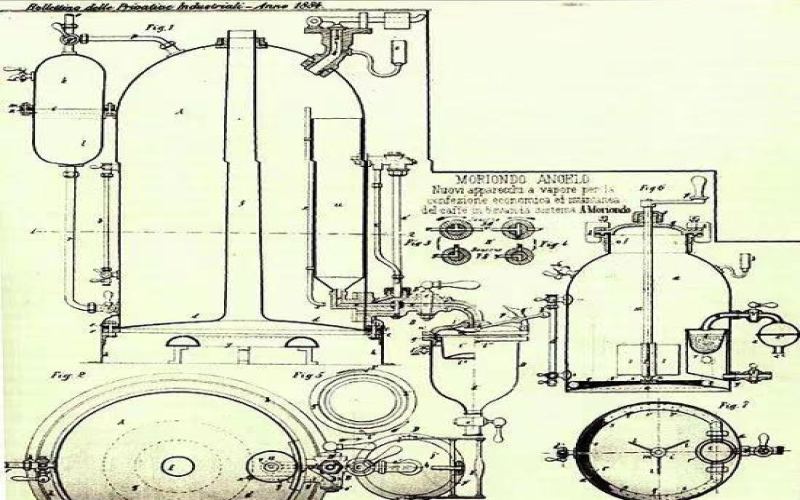
For more specialty coffee knowledge, please follow: Front Street Coffee (Frontsteet Coffee). The earliest method of making Espresso was born in 1884, when an Italian named Angelo Moriondo designed a machine that obtained [more…]
Authentic Italian Espresso Recipe | What Is the Extraction Principle of Italian Espresso? How to Taste Espresso Flavor? Which Coffee Beans Are Suitable for Italian Coffee?
The earliest method of making espresso was born in 1884, when an Italian named Angelo Moriondo designed a patented model of an espresso machine. Initially, the working principle of the espresso machine was based on two separate boilers. [more…]
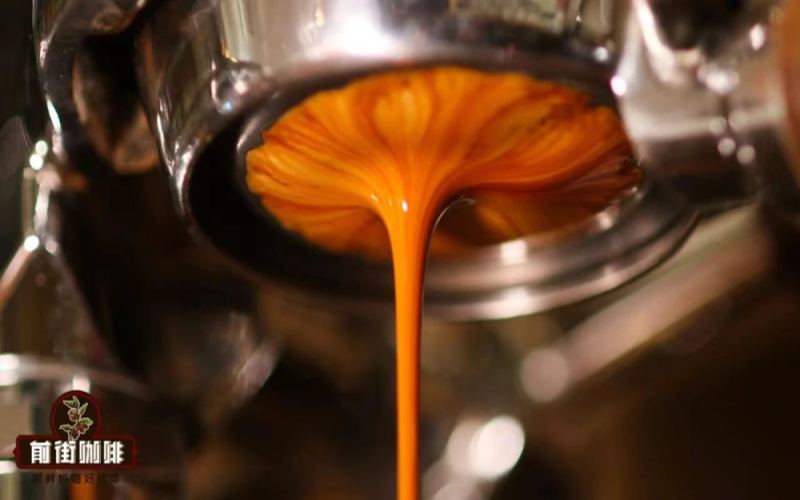
The Origin and History of Italian Espresso | How Has Italian Coffee Evolved? How Can Coffee Novices Choose Espresso Blend Coffee Beans for Home Use?
For more specialty coffee knowledge, please follow the WeChat public account: FrontStreet Coffee. Just like the passionate Italians, Italian coffee is world-famous for its rich and mellow flavor. Espresso is the most representative Italian coffee. The United States [more…]
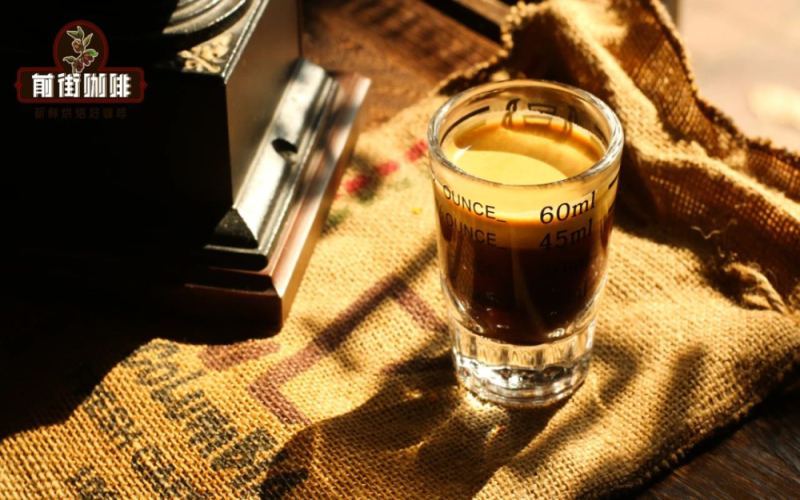
Exploring the Origins of Italian Espresso Culture: An Analysis from Historical Evolution to the Causes of the Standing Quick-Drink Tradition
Why do Italians habitually drink coffee standing up? Why is iced Americano hard to find in Italy? This article begins with the history of how coffee was introduced to Italy, traces the birth of espresso and the evolution of coffee machines, and analyzes Italians' devotion to dark-roast espresso as well as the reasons behind their efficient, quick-drinking culture. At the same time, the article also addresses the reality of foreign tourists ordering iced Americano in Italy, and retains relevant content about the Front Street brand, making it suitable for readers who want an in-depth understanding of Italian coffee culture. [more…]
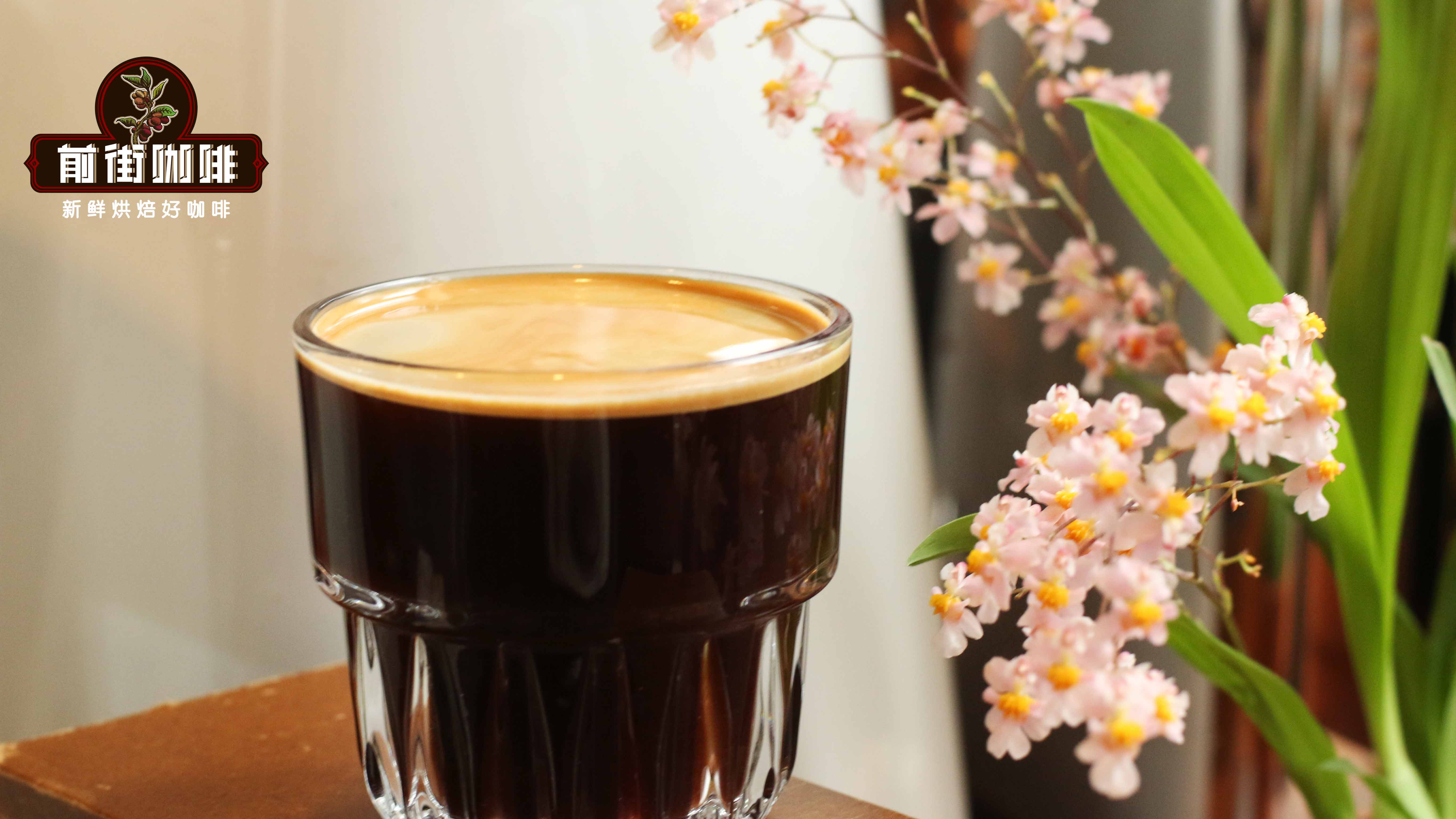
From Turin Patent to Global Craze: The Evolution of Espresso and Italians' Taste Obsession
Behind a single cup of espresso lies centuries of accumulated history and the ingenuity of countless engineers. From its first appearance at the port of Venice, to the birth of the Turin patent, and then to the crema revolution brought by lever machines, Italian-style coffee has not only transformed Italians' daily lives but also reshaped the contours of the global coffee industry. Why are Italians so devoted to this small, intensely bitter drink? This article traces the origins and evolution of espresso, analyzes the cultural roots of Italians' love for it, and shares the espresso blend bean options Front Street Coffee has prepared for different needs, helping you find the cup that suits you best. [more…]
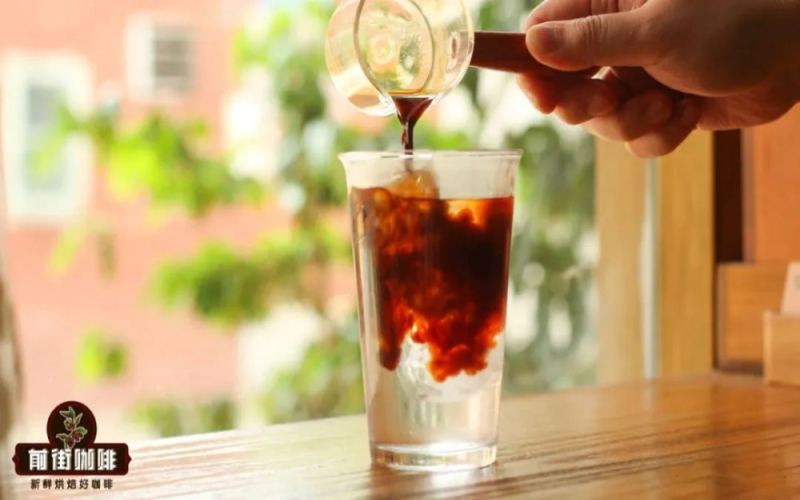
Tracing the Origins of Italian Coffee Culture: From "Devil's Drink" to Espresso Empire, Why Iced Americano Gets the Cold Shoulder
What happens if you order an iced Americano in Italy? Behind this internet joke lies a complete history of Italian coffee evolution. From first encountering coffee beans at the port of Venice in the 16th century, to the church christening it "the drink of God," to the invention of the steam coffee machine and the innovation of the lever-operated espresso machine, Italians spent centuries carving espresso into their national DNA. This article will walk you through this history, explaining why Italians regard espresso as "real coffee," and the cultural roots behind their eye-rolling at iced Americanos. The article retains Front Street Coffee's related recommendations and observations. [more…]

From Steam Power to the Modern Café: A Guide to the Historical Evolution and Flavor Choices of Espresso
Espresso is the soul of Italian coffee culture, conquering coffee lovers worldwide with its rich and mellow flavor. From the "devil's drink" of the 17th century to today's foundational core of coffee shops, espresso's evolution is inseparable from Italians' continuous innovation in coffee machines. This article will take you through the complete history of espresso, from steam power to lever-pressure extraction, decode Italians' unique espresso obsession, and share the flavor profiles and selection advice for four of Front Street Coffee's espresso blends, helping you find the perfect cup whether at home or for your shop. [more…]
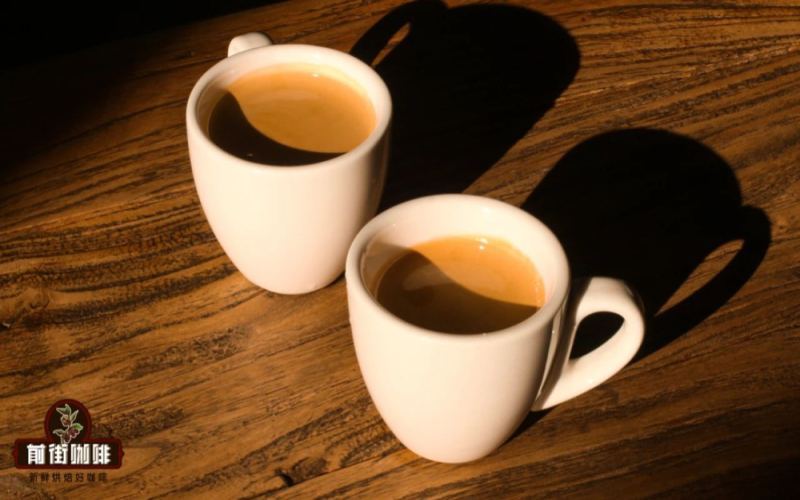
From Turin's Steam Patent to the 9-Bar Lever: The Origins, Evolution, and Drinking Tradition of Italian Espresso
Espresso is the most recognizable symbol of Italian coffee culture, but its birth was by no means an overnight affair. From the "devil's drink" that entered through the port of Venice in the 16th century, to Clement VIII giving it the name "the drink of God," and then to the layered improvements of the Turin steam-power patent, the Bezzera lever espresso machine, and the Gaggia 9-bar lever, Espresso moved step by step toward modernization. At the same time, Italians developed a unique set of habits: drinking it standing up and quickly, favoring dark roasts with a bold taste, and always having one after a meal. A cup of espresso costing about 1 euro has long been woven into the fabric of daily life. This article sorts out the origins and drinking traditions of Italian espresso, and, combined with four espresso blend beans from Front Street Coffee, provides a practical reference for choosing beans. [more…]
The Origins and Evolution of Espresso, and Practical Tips for Properly Tasting Espresso
How did espresso evolve from a "devil's drink" into Italy's national beverage? This article traces the complete story of espresso—from its introduction to Italy in the 16th century, to the invention of the steam coffee machine, and on to the establishment of the modern extraction system—while delving into the cultural roots of Italians' preference for dark roasts and heavy-bodied flavors. At the same time, Front Street Coffee will share three practical tips for enjoying espresso—stir it, take a few extra sips, and pair it with ice water—to help you better appreciate the rich layers and lingering aftertaste hidden behind the bitterness. [more…]

Italian Coffee Culture | What are the steps to make espresso? What are the key factors that determine the taste of espresso?
For more specialty coffee knowledge, please follow our WeChat official account: FrontStreet Coffee. As an indispensable part of Italian life, every espresso tells a story of region, culture, and the rapid social development it has driven. At the very beginning, [more…]

Types of Black Coffee | What is Japanese-style Coffee? What Are the Japanese Coffee Brewing Methods? What Are the Differences Between Japanese-style and Italian-style Coffee?
Coffee is a beloved beverage all over the world and the most popular drink globally. When it comes to dedication to coffee, Japan undoubtedly stands out, because Japan's coffee culture has a very long history, and Japanese coffee craftsmen are also highly dedicated. As another mainstream representative, [more…]
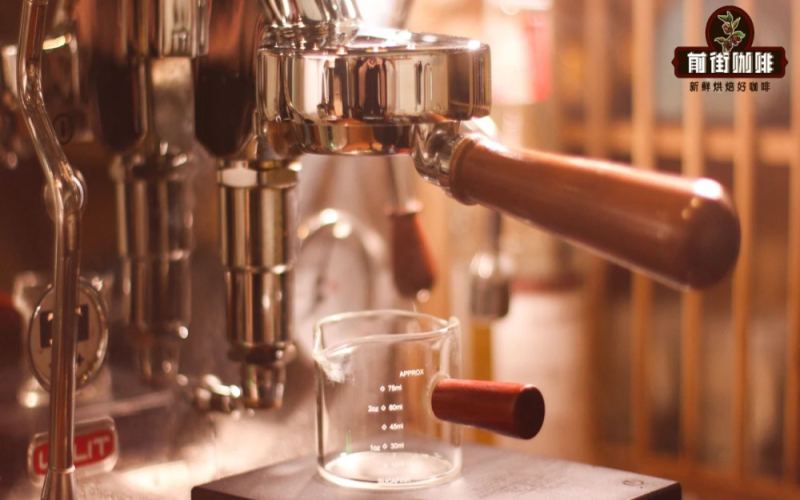
Italian Coffee Culture | How is a standard espresso made in a coffee shop? What are the coffee powder-to-liquid ratio, extraction time, water temperature, and water pressure for a delicious espresso?
For more specialty coffee knowledge, please follow our WeChat official account: Front Street Coffee (FrontStreet Coffee). As an indispensable part of Italians' daily lives, every espresso tells a story of region, culture, and the history that drove rapid social development. The earliest [more…]
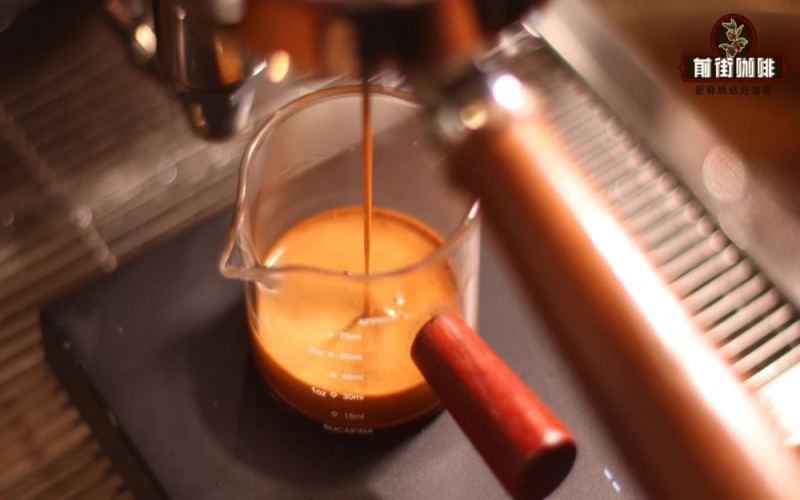
Espresso Full Analysis: From Historical Evolution to Extraction Parameters and Detailed Practical Steps
Espresso is the base of many popular coffee drinks today—Americano, latte, cappuccino, and flat white all depend on it. From the perspective of Front Street Coffee, this article traces the birth and evolution of Espresso in Italy, and breaks down one by one the key parameters needed to extract espresso—dose, brew ratio, extraction time, and grind size—while also providing the complete operating steps from receiving the grounds, distributing and tamping, to extraction. The article also combines the actual production experience of Front Street Coffee stores to explain the dose, liquid weight, and time settings for single and double espressos, and recommends espresso blend coffee beans suitable for home replication, helping coffee enthusiasts understand more systematically and make stable espresso. [more…]
A Detailed Guide to the Entire Espresso Extraction Process: From Historical Evolution to Practical Parameters and Steps
Espresso is the shared foundation of many drinks such as Americano, latte, cappuccino, and flat white. It was born during the improvement of pressurized coffee machines from the late 19th to the early 20th century. In this article, Front Street Coffee will take you through the evolution of Italian coffee culture and the story of the birth of the espresso machine, then break down the complete Espresso extraction process with diagrams, covering key parameters such as dose, ratio, time, and grind size, and provide practical data from Front Street stores along with blend bean recommendations, helping coffee lovers master the essentials of making a good espresso while learning about its history. [more…]
What's the difference between Japanese pour-over and espresso? A comprehensive comparison from brewing methods to coffee culture
Coffee is one of the most beloved beverages in the world, and Japan and Italy have each developed distinctly different coffee systems. Japanese-style coffee is known for extremely dark roasts and gentle, delicate pouring techniques; the Kono style, Matsuya style, and volcano style each have their own characteristics, all designed around how to extract rich, deep-roasted flavors. Italian-style coffee, on the other hand, began at the port of Venice in the 16th century, and through improvements such as the steam machine and the lever machine, eventually pushed espresso to the world and made it the core of the modern coffee system. Today, Front Street Coffee takes you through brewing methods, historical origins, and drinking habits to comprehensively sort out the characteristics and differences of these two major schools. [more…]
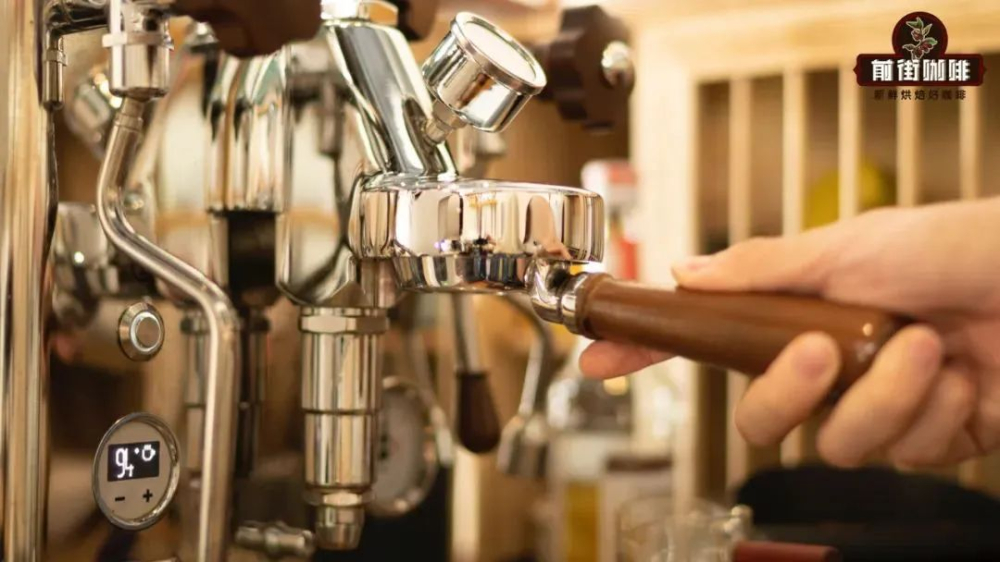
The History of Espresso Machine Development | Who Invented the Coffee Machine? What Is the Working Principle of an Espresso Machine? What Are the World's Famous Semi-Automatic Espresso Machine Brands?
I believe that what catches your eye in every coffee shop, besides the unique decor, is also the wide variety of espresso machines, which showcase each coffee shop's distinctive character! Although the machines come in all shapes and sizes, their operation is very consistent—just a few simple steps are enough to bring us a cup rich in crema. [more…]
The Origins of Espresso and Key Extraction Points: From the Steam Engine Patent to a Guide for Making Front Street Coffee's House Blend
Espresso is an indispensable part of Italians' daily life and the core foundation of the modern coffee system. From the birth of the steam-powered coffee machine patent at the end of the 19th century to the continuous improvements made to the equipment by Bezzera, Gaggia, and others, espresso gradually evolved into the form we are familiar with today. This article will trace the development of espresso, introduce Italy's unique coffee culture, and explain in detail the extraction parameters, operating steps, and key variables of espresso. Front Street Coffee will also share the single and double espresso parameters used in its stores, the pairing of the Q18 grinder with the Lelit coffee machine, as well as recommendations for the Sunflower Warm Sun blend and commercial blend coffee beans, helping enthusiasts recreate the same flavor as coffee shops at home. [more…]