







How Did Coffee Reach Europe and Become Italian Espresso?
Coffee reached Europe in 1580, when beans from Africa and the Middle East entered Italy through the port of Venice and stayed a luxury for the nobility. Because it came from the Middle East and Turkey and was seen as a Muslim drink, some Christian Italians called it the devil's drink. Rome's first coffee house opened in 1645.
The turning point came in the early 17th century, when Archbishop Clement VIII took a liking to the black beverage and held a baptism for coffee, admitting it as a Christian drink. Italian influence then moved into equipment, from early Turkish pots to the Turin patent and lever machines whose crema changed how espresso was made and served.
Behind a single cup of espresso lies centuries of history and the ingenuity of countless engineers. From its debut at the port of Venice, to the birth of the Turin patent, to the crema revolution brought by lever machines, Italian coffee has not only changed the daily lives of Italians but also reshaped the landscape of the global coffee industry. Why are Italians so devoted to this intense, bitter little drink? This article traces the origins and evolution of espresso, analyzes the cultural roots of Italians' love for it, and shares Front Street Coffee's espresso blend options for different needs, helping you find the cup that suits you best.
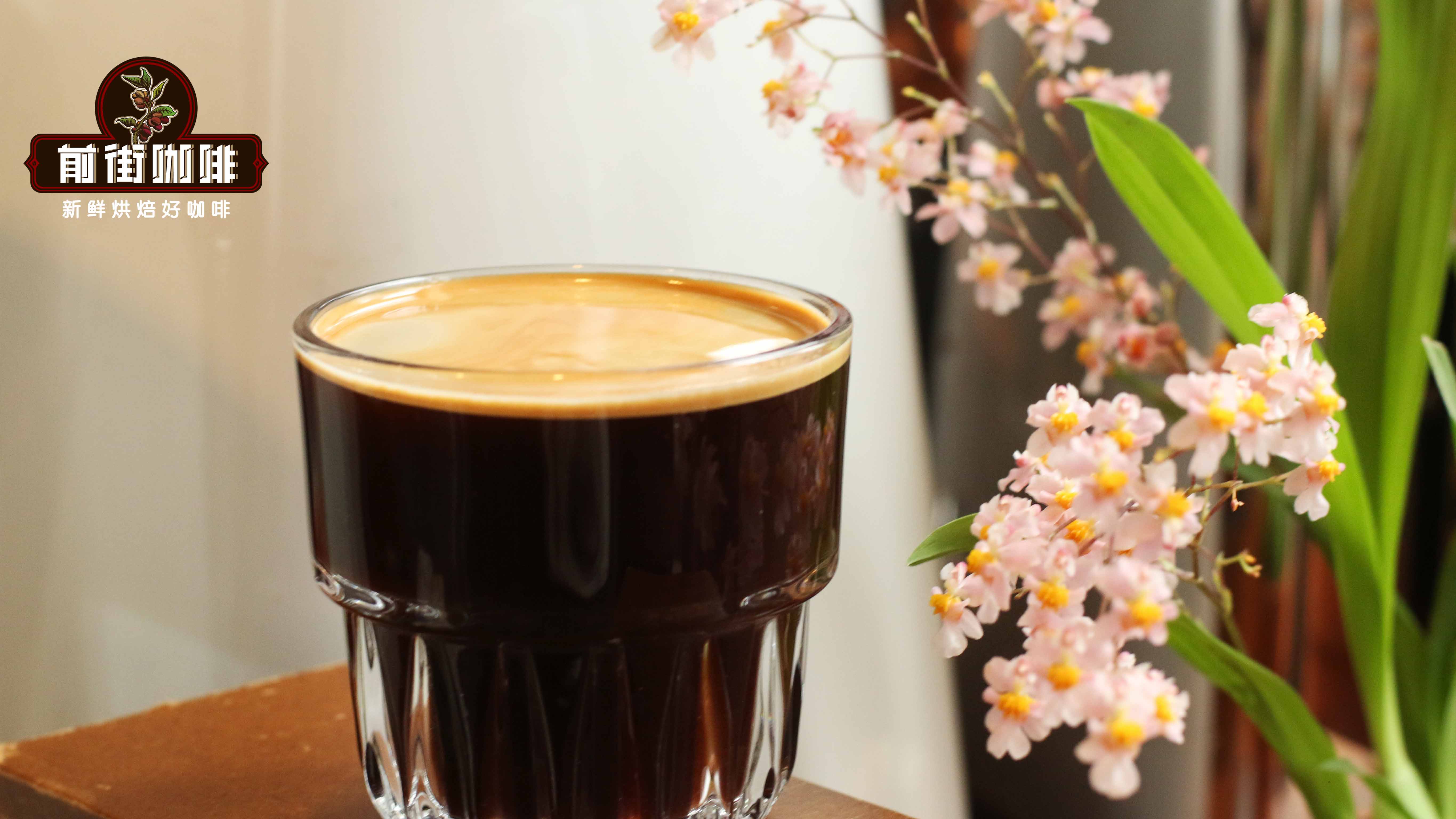
The richness and full body of Italian coffee, much like the passionate and uninhibited character of the nation, has long earned worldwide renown. Among the many Italian coffees, Espresso is undoubtedly the most iconic. Americans use the term "Espresso" precisely to emphasize its rapid extraction. Initially, this drink was popular only in Southern European countries such as Italy, France, and Spain, before gradually sweeping across the Americas and becoming one of the most popular coffee types in the world. Even in the UK, known for its black tea culture, the aroma of espresso can now be found everywhere.
For more specialty coffee knowledge, please follow the WeChat official account: Front Street Coffee (FrontStreet Coffee)
Italy's coffee-drinking tradition has deep roots. As early as 1580, coffee beans from Africa and the Middle East entered Italian territory through the port of Venice. At the time, coffee was still a luxury enjoyed only by the nobility. Because it originated in the Middle East and Turkey and was regarded as a "Muslim drink," many Christian Italians disparaged it as "the devil's drink."
The turning point came in the early 17th century. Archbishop Clement VIII took quite a liking to this black beverage and specially held a baptism for coffee, formally including it among Christian drinks and giving it the honorable name "God's drink." Not long afterward, in 1645, Europe's first coffee house appeared in Rome—also the earliest establishment in Italy dedicated to selling coffee. From then on, coffee spread rapidly throughout Italy.
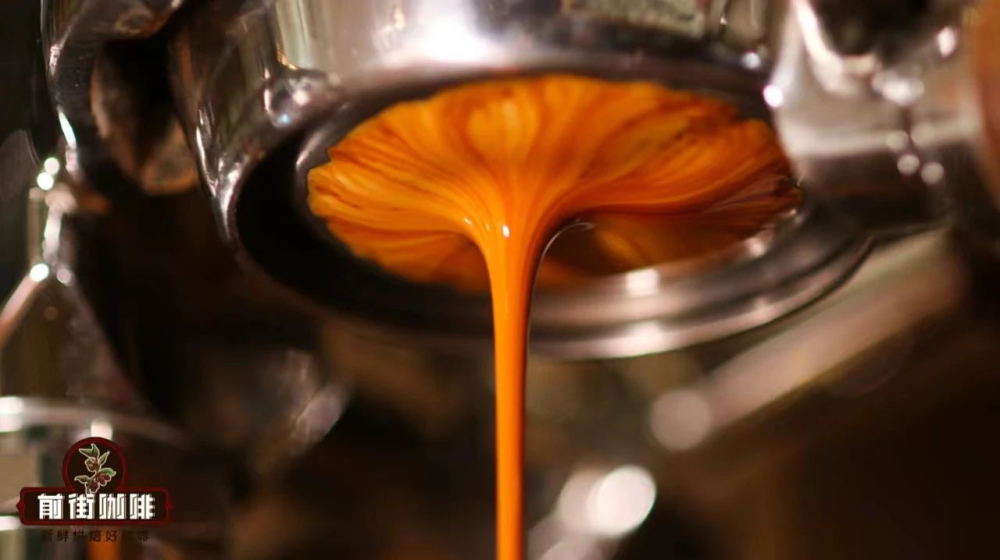
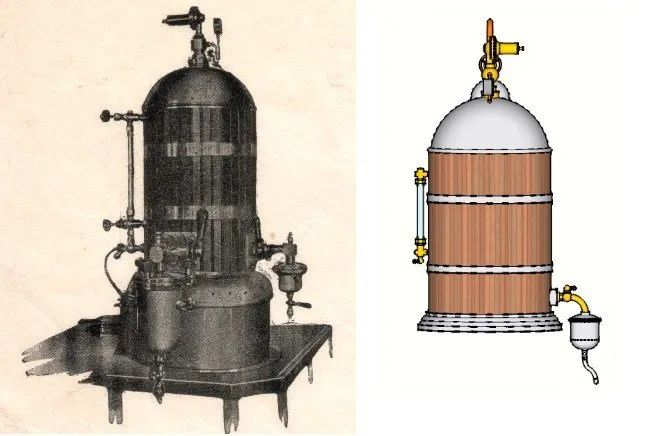
The Italian contribution to coffee is reflected not only in flavor but also in equipment innovation. In the early days, people used old-fashioned Turkish pots to brew coffee and then filtered it. As the Industrial Revolution advanced, the pace of society accelerated across the board, and Italians were no exception in pursuing efficiency. In 1884, Angelo Moriondo successfully filed a patent in Turin, Italy, for a steam-powered coffee-making machine. However, this device operated entirely on steam, making temperature control difficult and often resulting in scorched, bitter, undrinkable coffee, so it was later repeatedly improved by many.
(Angelo Moriondo's Espresso Machine)
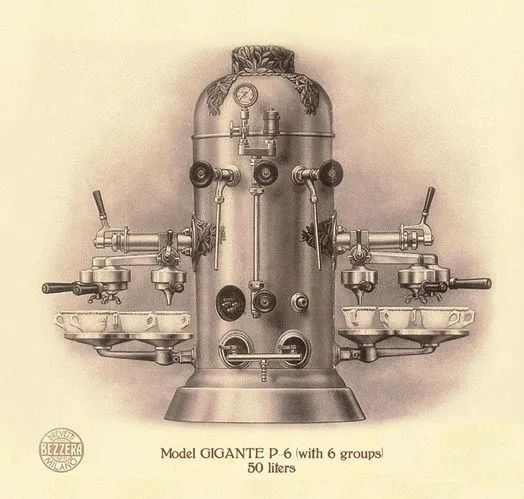
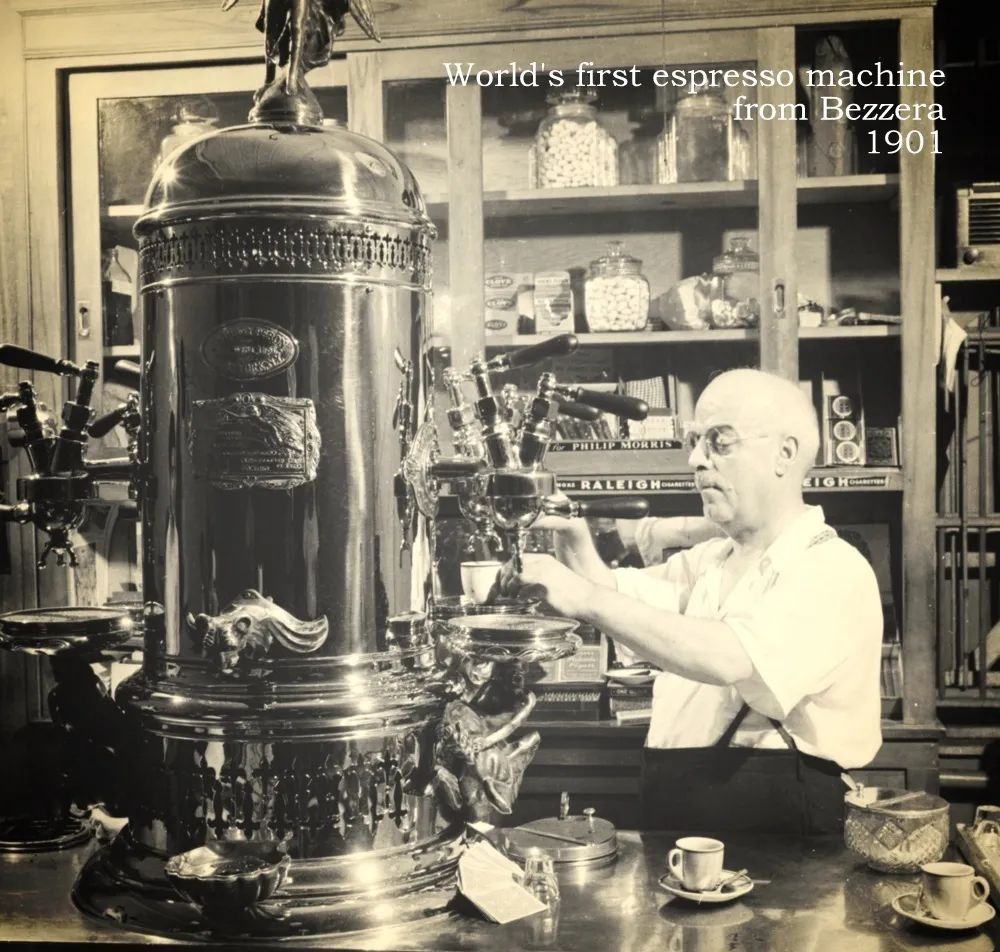
In the early 19th century, Milanese manufacturer Luigi Bezzara improved on this patent and introduced the prototype of the world's first steam-pressure coffee machine. This machine was equipped with a detachable handle and a separable group head, capable of extracting a cup of coffee under high pressure in a short time.
(Luigi Bezzera's Espresso Machine)
With the arrival and spread of the new machines, more and more Italians became enamored with this quickly extracted coffee. The word "espresso" was first included in an Italian dictionary around 1920, defined as: concentrated coffee made with a pressure machine or filter.
For those tasting this "fast coffee" for the first time, the flavor was not pleasing. But when they learned that it was a product obtained quickly through steam pressure, Italians seemed infused with boundless motivation, constantly thinking about how to upgrade and modify the steam coffee machine to make the output even more delicious.
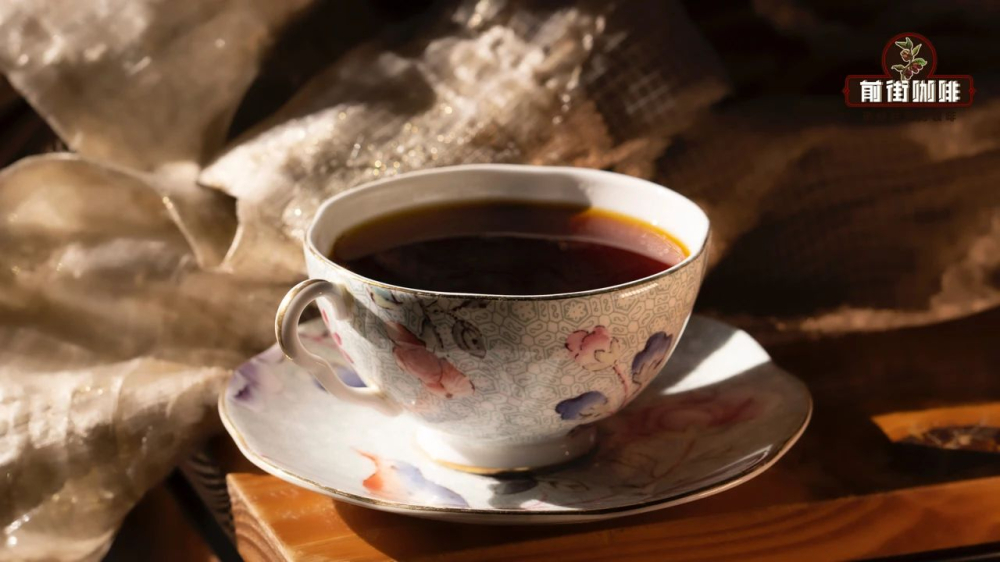
For example, Milanese engineer Achille Gaggia managed in 1938 to add a lever device to the coffee machine, capable of boosting water pressure from 1.5 bar to as much as 9 bar. This not only brought a layer of dark brown "crema" to the surface of the coffee but also made the volume of the extracted liquid quantifiable, thereby making coffee quality more consistent.
It is precisely thanks to people's continuous refinement and popularization of these machines that coffee-making methods underwent a revolutionary change. Efficiency and convenience became the new standard of service in every coffee shop, and that small cup of espresso gradually evolved into the foundational core of the modern coffee system.
On Italians' love of strong flavors
By the time espresso reached its final form, coffee culture had kept pace. Compared with many countries, Italian coffee shops focus on an efficient, fast-paced atmosphere, which happens to pair perfectly with the small serving size of espresso, making it convenient for passing customers to enjoy quickly, exchange a few words with acquaintances, and leave. Using a brief moment of leisure to stop by a café and order an espresso can be said to be one of Italians' most deeply ingrained habits.
Walking into a café, they will tell the barista directly: one espresso. The vast majority are dominated by the bitterness of dark roasting, and Robusta beans are usually added to increase the richness of the crema. Some will add a little raw sugar and stir before tasting, then down it in one go—utterly satisfying. In Italy, a cup of espresso usually costs only 1 euro, about 7 RMB, making it truly a drink for the masses.
In the eyes of most Italians, only espresso counts as "real" coffee. Compared with specialty coffees that are lighter-roasted and emphasize a single origin, they prefer flavors that are rich, full-bodied, heavy on the palate, and even bitter. It is said that in the Italian mindset, coffee is for "aiding digestion" and has nothing to do with staying awake. Therefore, after every meal, if there is no cup of espresso, they always feel something is missing.
It is not hard to see that Italians' fervor for espresso stems from their loyalty to their own cultural roots. As mentioned above by Front Street, Italy invented the espresso machine, which not only accelerated the speed of making coffee drinks but also permanently changed the landscape of the global coffee industry. Therefore, for the Italian people, espresso is an important part of national identity, and it also makes Italy stand out uniquely in the world.
Below, Front Street will share with you how to choose an espresso coffee bean that suits you:
Through repeated ratio testing, Front Street's roasters have created the blends currently offered in Front Street stores: Front Street Sunflower Warm Sun Blend, Specialty Blend, Commercial Blend, and the espresso moka pot coffee bean recommended by many baristas—Front Street Black Cocoa Blend. The difference among these blends lies in balancing quality and flavor at different price points. Below, Front Street will introduce these four blends in detail.
1. Front Street Basic Espresso Blend Coffee Beans (1 pound/454g)
Flavor: Gentle fruit acidity, caramel sweetness, notes of nuts and dark chocolate, smooth and syrupy, but relatively light in taste—suitable for shops and home users who prioritize cost and have average requirements for flavor.
2. Front Street Commercial Espresso Blend Coffee Beans (1 pound/454g)
Flavor: Caramel sweetness, notes of nuts, cocoa, and dark chocolate, balanced acidity and sweetness, with a slight bitterness, long-lasting finish—able to meet the daily output needs of coffee shops.
3. Front Street Specialty Espresso Blend Coffee Beans (1 pound/454g)
Flavor: Gentle slight acidity, light sweetness, nutty aftertaste, overall not too sharp, mild, with medium crema—suitable for daily needs in a shop.
4. Front Street Sunflower Warm Sun Espresso Blend Coffee Beans (half pound/227g)
Flavor: Pronounced fruit acidity, faint berry aroma, vinous notes, rich chocolate flavor, with a clear sweet aftertaste.
This Front Street Sunflower Warm Sun Blend is currently the blend used at Front Street Coffee (FrontStreet Coffee) stores for making espresso. In terms of flavor expression, it has excellent fermented vinous notes and berry flavors, making it very suitable for espresso, with a flavor that is rich and unique.
The above content is compiled by CoffeeHunters, a coffee news website.


