








For more specialty coffee knowledge, please follow the WeChat official account: Front Street Coffee (FrontStreet Coffee)
Just like the passionate Italians, Italian coffee is famous worldwide for its rich and mellow flavor. Espresso is the most representative Italian coffee. Americans call it "Espresso" to fully express the meaning of rapid extraction. At first, it was only popular in southern European countries like Italy, France, and Spain, but later it swept across the entire Americas and became one of the most popular beverages. Even in the UK, known as the "country of black tea," you can smell the aroma of espresso lingering in the air everywhere.
For more specialty coffee knowledge, please follow the WeChat official account: Front Street Coffee (FrontStreet Coffee)
Italy has a very long history of coffee consumption. Since 1580, coffee beans originating from Africa and the Middle East have entered Italy through the port of Venice. Initially, it was a beverage only enjoyed by the upper class. Because it originated from the Middle East and Turkey as a "Muslim drink," many Christian Italians called it the "devil's drink."
It was not until the early 17th century that Archbishop Clement VIII fell in love with this dark beverage and performed a baptism for coffee, officially designating it as a Christian drink and naming it "God's drink." Shortly after, in 1645, Rome opened Europe's first coffeehouse, also Italy's earliest shop dedicated to selling coffee. From then on, coffee rapidly spread throughout Italy.
Italians' contribution to coffee is not only in flavor but also in equipment development. In the early days, people used old-fashioned Turkish pots to brew coffee and then filtered it. With the arrival of the Industrial Revolution, it seemed everything was pursuing a fast pace, and Italians were no exception. In 1884, Angelo Moriondo successfully registered a patent in Turin, Italy, for a steam-powered machine used to make coffee. However, because this device relied entirely on steam, the temperature was difficult to control, often making the coffee burnt and bitter. As a result, it was later modified multiple times by different people.
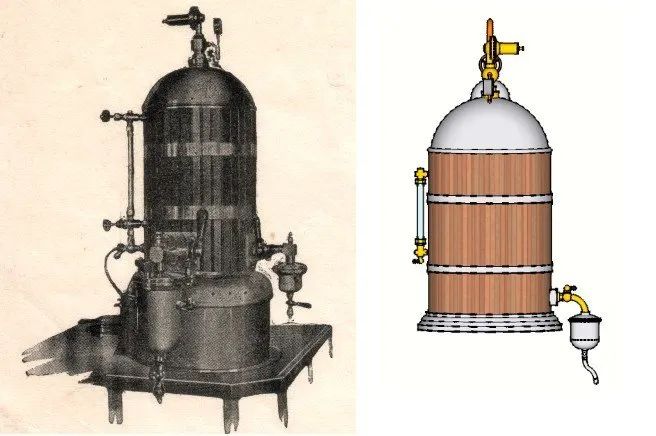
(Angelo Moriondo's Espresso Machine)
In the early 19th century, Milanese manufacturer Luigi Bezzara improved this patent and introduced the prototype of the world's first steam pressure coffee machine. It not only had a detachable handle and a separable assembly head but could also extract a cup of coffee using high pressure in a short time.
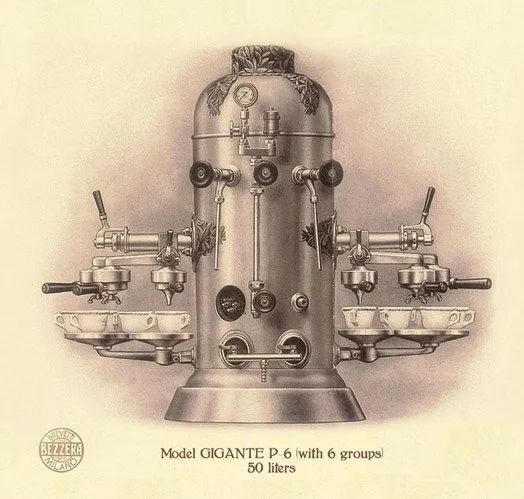
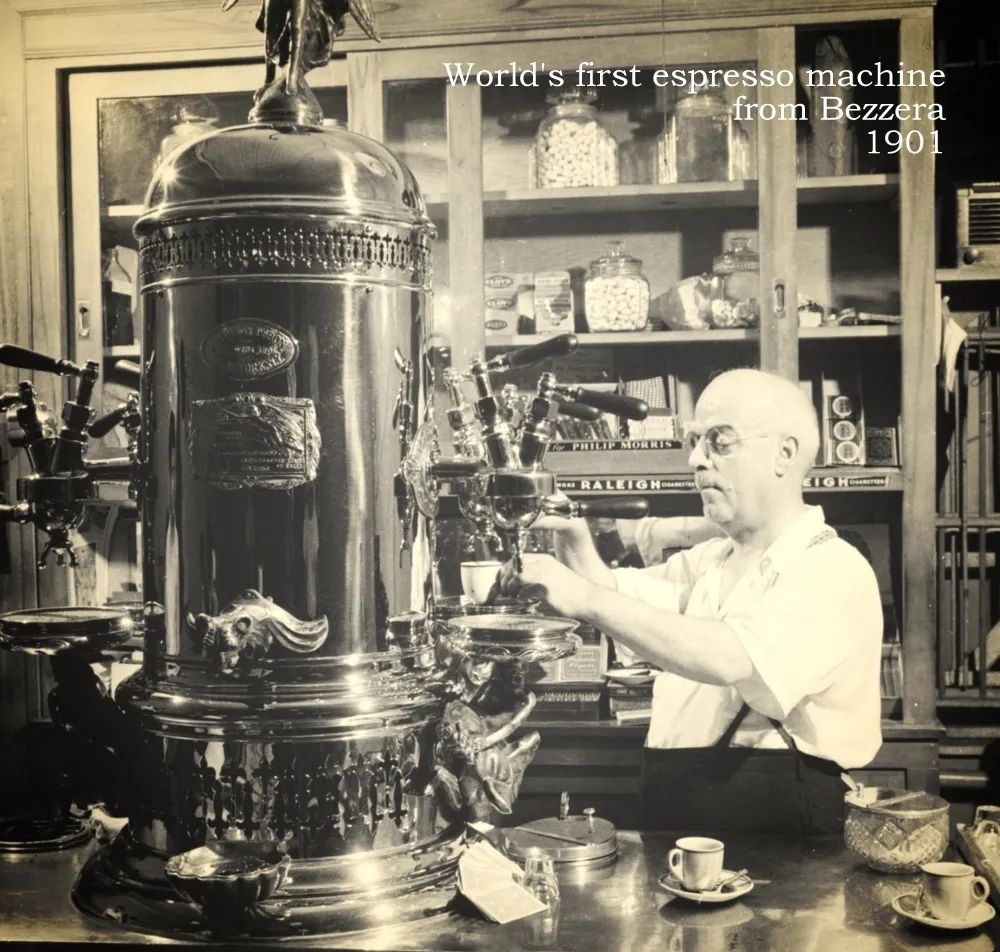
(Luigi Bezzera's Espresso Machine)
With the introduction and application of new machines, more and more Italians fell in love with the coffee quickly extracted by these machines. The word "espresso" was first included in an Italian dictionary around 1920, defined as: concentrated coffee made using a pressurized machine or filter.
For those who first tasted this "fast coffee" at the time, it did not taste good. But after learning that it was obtained quickly through steam pressure, Italians, as if injected with adrenaline, continuously thought about how to upgrade and modify this steam-powered coffee machine to make better-tasting coffee.
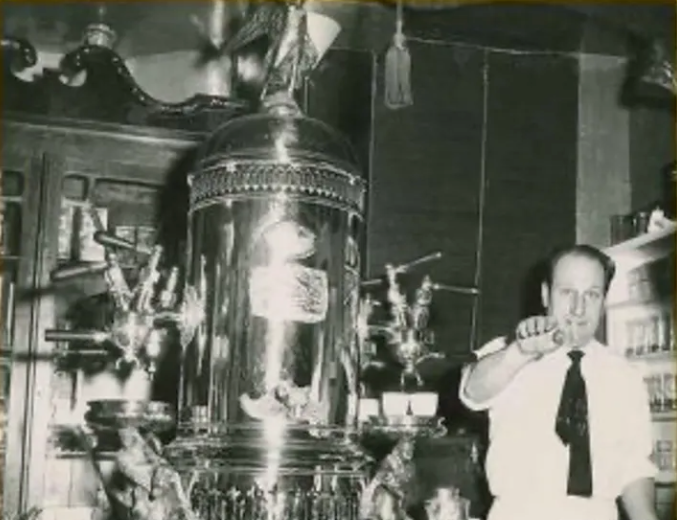
For example, Achille Gaggia, an engineer from Milan, managed in 1938 to add a lever to the coffee machine, which could forcibly increase water pressure from 1.5 bar to 9 bar. This not only gave the coffee a layer of dark brown "crema" but also quantified the volume of the solution, making coffee quality more stable.
Thus, thanks to people's refinement and popularization of these machines, coffee-making methods underwent earth-shaking changes. High speed and convenience also became new service benchmarks for every coffee shop, and that small cup of espresso began to evolve into the foundational core of today's modern coffee system.
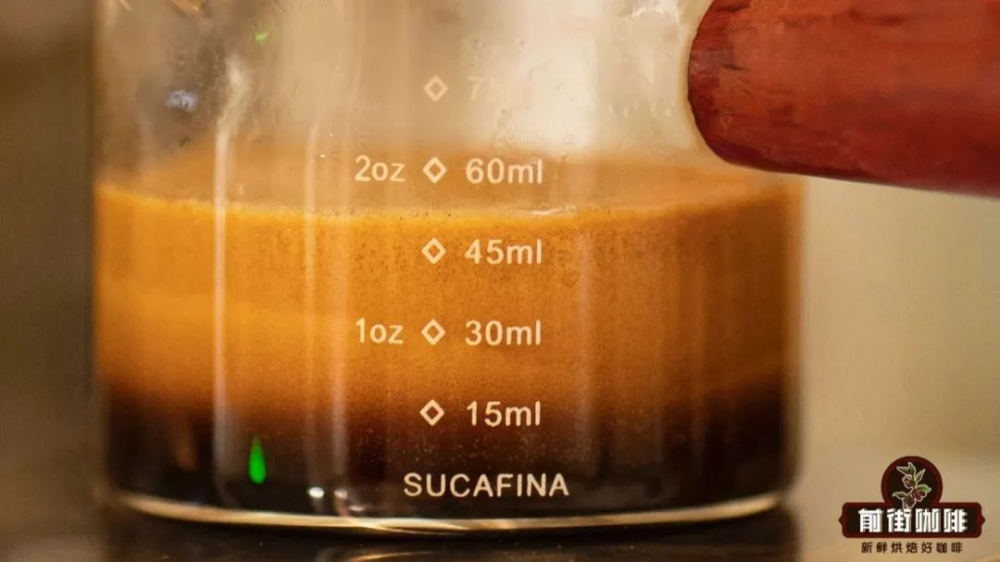
About Italians' Bold Flavors
When espresso reached its final form, coffee culture had also caught up. Compared to many other countries, Italian coffee shops focus on an efficient, fast-paced atmosphere, which perfectly matches the small cup of espresso, allowing people coming and going to enjoy it quickly, chat a few words with acquaintances, and then leave. Using brief leisure time to order an espresso in a coffee shop can be said to be one of Italians' most deeply rooted habits.
Walking into a coffee shop, they will directly tell the barista to bring a single espresso, mostly dominated by the bitter taste of dark roasting, usually with robusta added to make the crema richer. Some people add a little yellow sugar and stir before tasting, then drink it all in one go, which is very satisfying. The price of an espresso in Italy is usually only 1 euro, equivalent to 7 RMB, making it a very affordable beverage.

You should know that in the eyes of most Italians, only espresso is "real" coffee, because compared to lighter-roasted specialty coffees that emphasize single origin, they are more accustomed to rich, full-bodied, heavy, and even bitter flavors. It is said that in Italians' belief, coffee is "digestive" and unrelated to refreshment, so after every meal, if there is no cup of espresso, they feel as if something is missing.
It is not hard to see that the reason Italians are so fanatical about espresso is that they are loyal to their cultural roots. As Front Street mentioned above, Italy invented the espresso machine, which not only made coffee beverage production faster but also permanently changed the global coffee industry. Therefore, for the Italian people, espresso is an important part of national identity and makes Italy stand out in the world.

Below, Front Street will share with you how to choose espresso coffee beans that suit you:
Front Street's roasters have also continuously tested and blended ratios to create the current Front Street Sunflower Warm Sun Blend, Front Street Specialty Blend, Commercial Blend, and Basic Blend options available in Front Street stores. The difference among these blends is that they target different price points with balanced, high-quality blend flavors. Below, Front Street will introduce these four blended coffees in detail.
1. Front Street Basic Espresso Blend Coffee Beans (1 pound/454g)
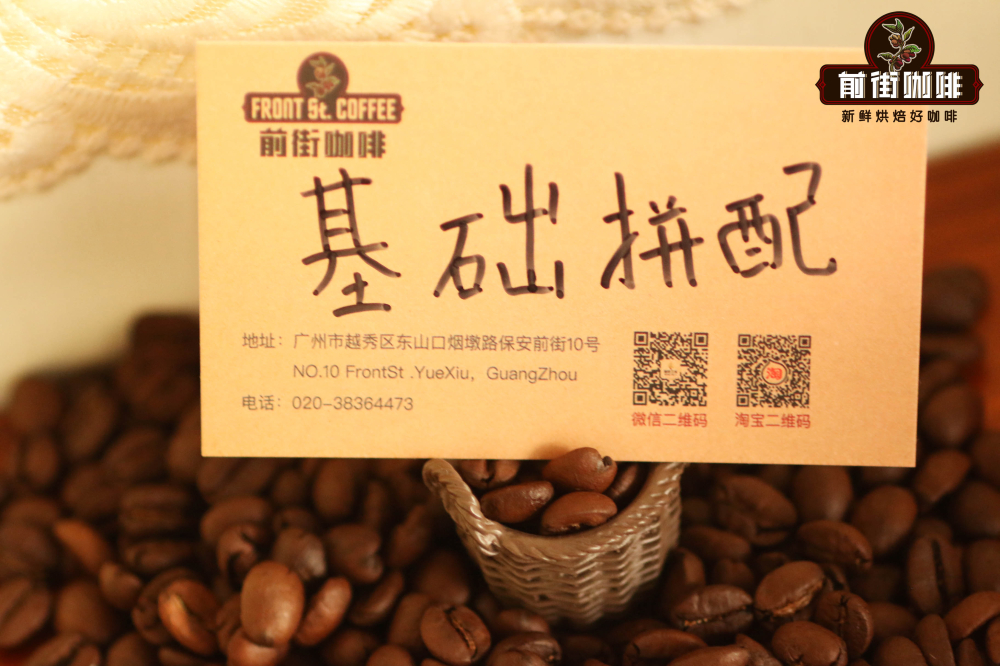
Flavor: Soft fruit acidity, caramel sweetness, nutty and dark chocolate flavors, smooth and viscous, but relatively light in taste. Suitable for opening shops and home users who prioritize cost and have average flavor requirements.
Recipe: Yunnan : Brazil = 3:7
2. Front Street Commercial Espresso Blend Coffee Beans (1 pound/454g)
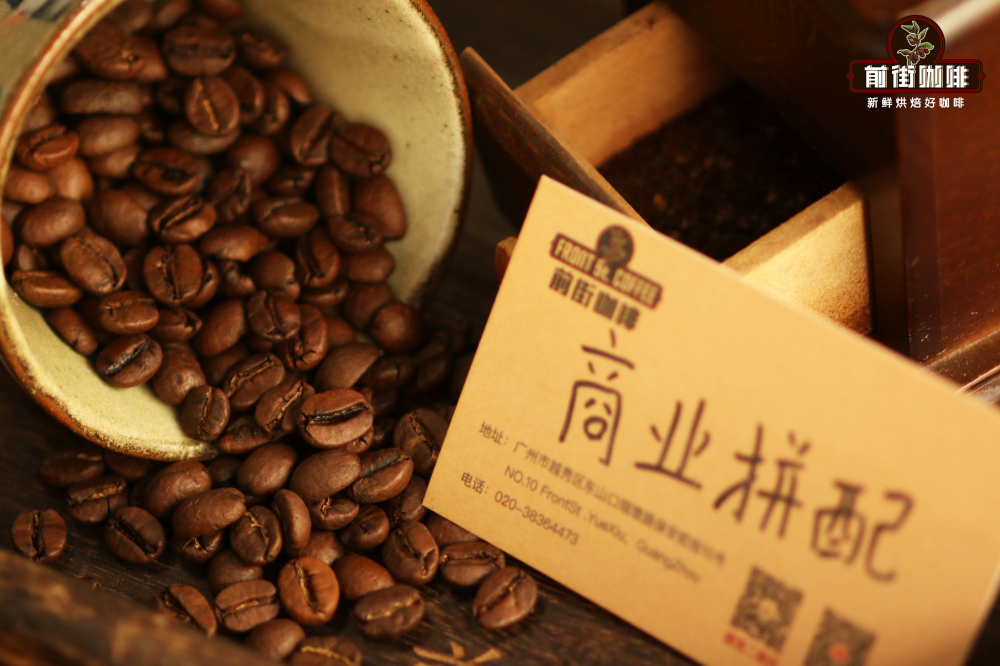
Flavor: Caramel sweetness, nutty and cocoa-like, dark chocolate flavors, balanced acidity and sweetness, slightly bittersweet, with a lasting aftertaste. It can meet the daily output needs of coffee shops.
Recipe: Colombia : Brazil : Robusta = 3:6:1
3. Front Street Specialty Espresso Blend Coffee Beans (1 pound/454g)
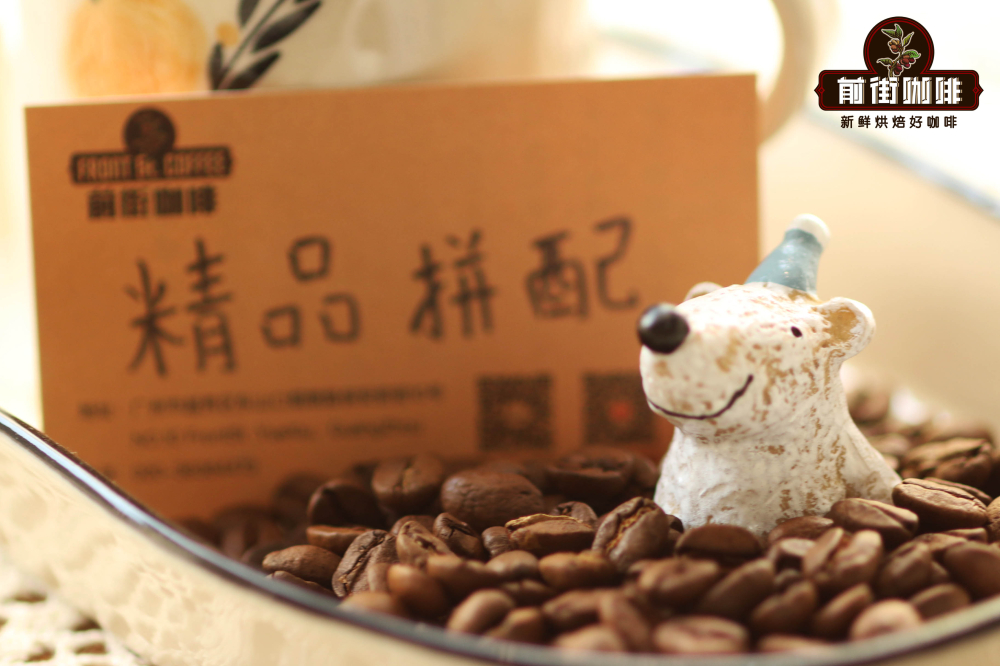
Flavor: Soft slight acidity, light sweetness, nutty aftertaste. The overall feel is not too stimulating, mild, with medium crema. Suitable for daily needs in opening a shop.
Recipe: Colombia : Brazil = 3:7
4. Front Street Sunflower Warm Sun Espresso Blend Coffee Beans (half pound/227g)
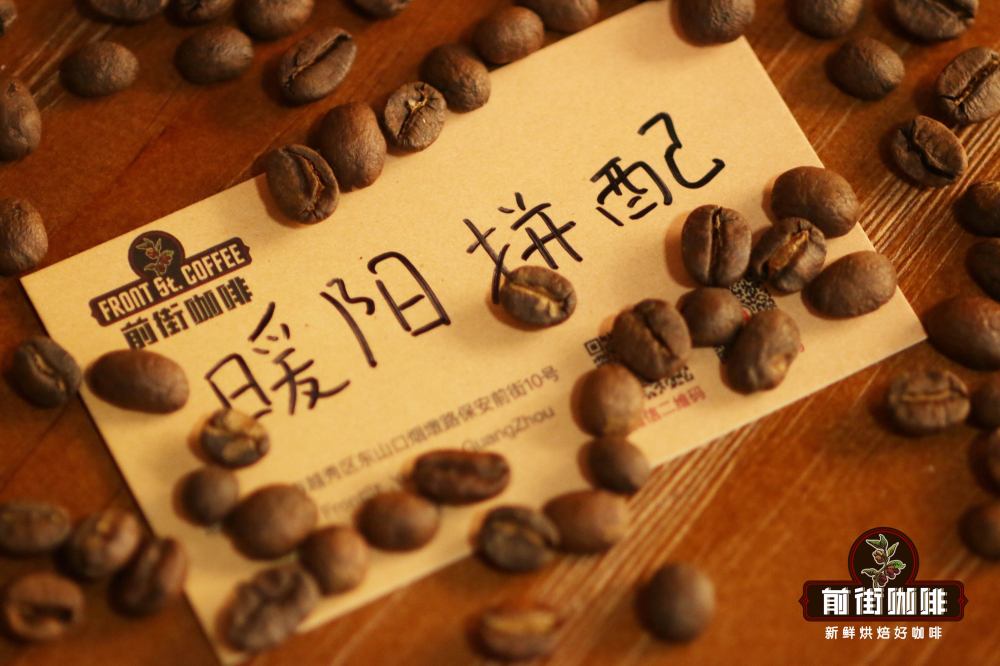
Flavor: Noticeable fruit acidity, faint berry aroma, wine aroma, rich chocolate flavor, with a clear aftertaste.
Recipe: Front Street Honduras Sherry : Front Street Yirgacheffe Red Cherry = 7:3
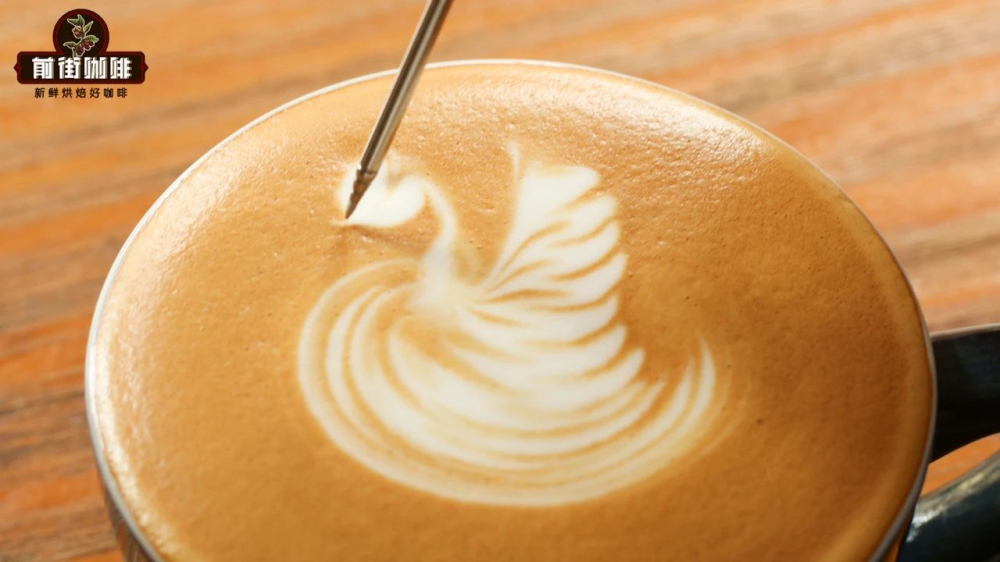
This Front Street Sunflower Warm Sun Blend is currently the blend used by Front Street Coffee (FrontStreet Coffee) stores to produce espresso. In terms of flavor performance, it has a good fermented wine aroma and berry flavor, making it very suitable for producing espresso. The flavor is very mellow and unique.
The above content is compiled by CoffeeHunters, a coffee news website.


