







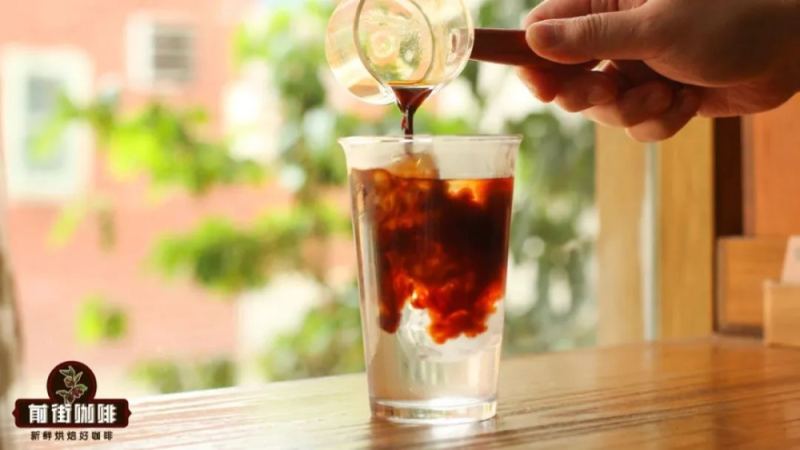
How did Italian coffee culture turn espresso into a daily ritual?
Coffee beans reached Italy through the port of Venice from 1580, first as a drink for the upper class. Clergy called it the devil's drink because of its Middle Eastern and Turkish origins, until Archbishop Clement VIII accepted it as a Christian beverage. Europe's first coffee house opened in Rome in 1645, and coffee spread quickly through the peninsula.
Italians also changed the equipment. Angelo Moriondo patented a steam-powered coffee-making machine in Turin in 1884, and the lever espresso machine followed, shifting brewing from the old Turkish pot toward speed and pressure. Espresso became the national standard, which explains the puzzled reaction to ordering an iced Americano in Italy.
What happens if you order an iced Americano in Italy? Behind this internet joke lies a complete history of Italian coffee evolution. From the 16th century when coffee beans first arrived at the port of Venice, to being christened "the drink of God" by the church, to the invention of the steam coffee machine and the innovation of the lever-style espresso machine, Italians have spent centuries etching espresso into their national DNA. This article will walk you through this history, explaining why Italians regard espresso as "real coffee" and the cultural roots behind their eye-rolling reaction to iced Americanos. Front Street brand recommendations and observations are included.
When surfing the internet, have you ever come across a meme like this: "Is it really illegal to order an iced Americano in Italy?"
The answer is obviously no. What this saying really means is: coffee is everywhere in Italy, so why is the iced Americano—so familiar to everyone back home—virtually nonexistent there, and even iced coffee is rarely seen? The same drink that serves as a daily "life fuel" in many countries has fallen to a status of disdain in Italy. Why is that?
The Early Face of Italian Coffee Culture
Italians have a very long history of drinking coffee. Starting in 1580, coffee beans originally from Africa and the Middle East entered Italy through the port of Venice. At first, only the upper class had the chance to taste it. Because it came from the Middle East and Turkey and was regarded as a "Muslim drink," many Christians nicknamed it "the devil's drink."
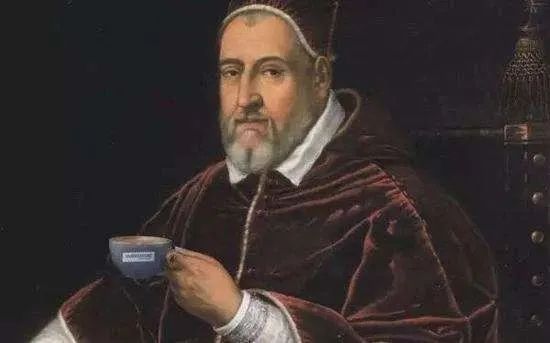
By the early 17th century, Archbishop Clement VIII happened to fall in love with this black liquid and even held a special baptism ceremony for coffee, formally accepting it as a Christian beverage and christening it "the drink of God." Not long after, in 1645, Europe's first coffee house opened in Rome—also Italy's earliest shop dedicated to selling coffee. From that point on, coffee spread rapidly throughout Italy.
Italians' Contribution to Coffee Lies Not Only in Taste, but in Equipment Innovation
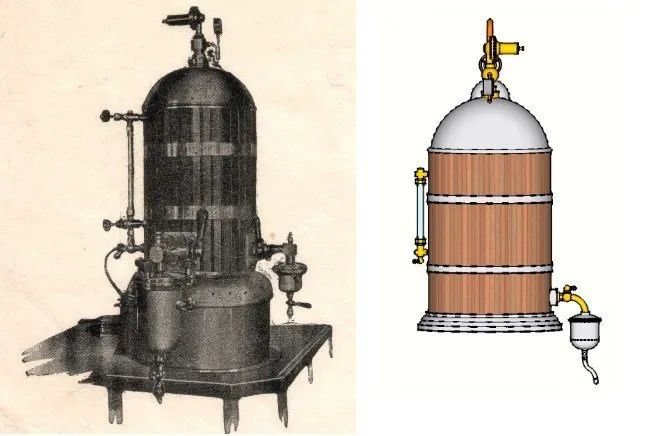
In the early days, coffee brewing relied on the old-fashioned Turkish pot, which required filtering after brewing. When the Industrial Revolution arrived, everything became about efficiency, and Italians were no exception. In 1884, Angelo Moriondo successfully patented a steam-powered coffee-making machine in Turin. But this device was entirely steam-driven, making temperature difficult to control. The extracted coffee was often so burnt and bitter it was undrinkable, and it was later improved repeatedly by different people.
(Angelo Moriondo's Espresso Machine)
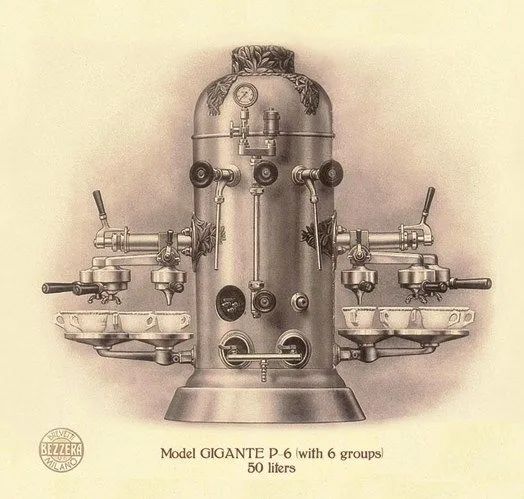
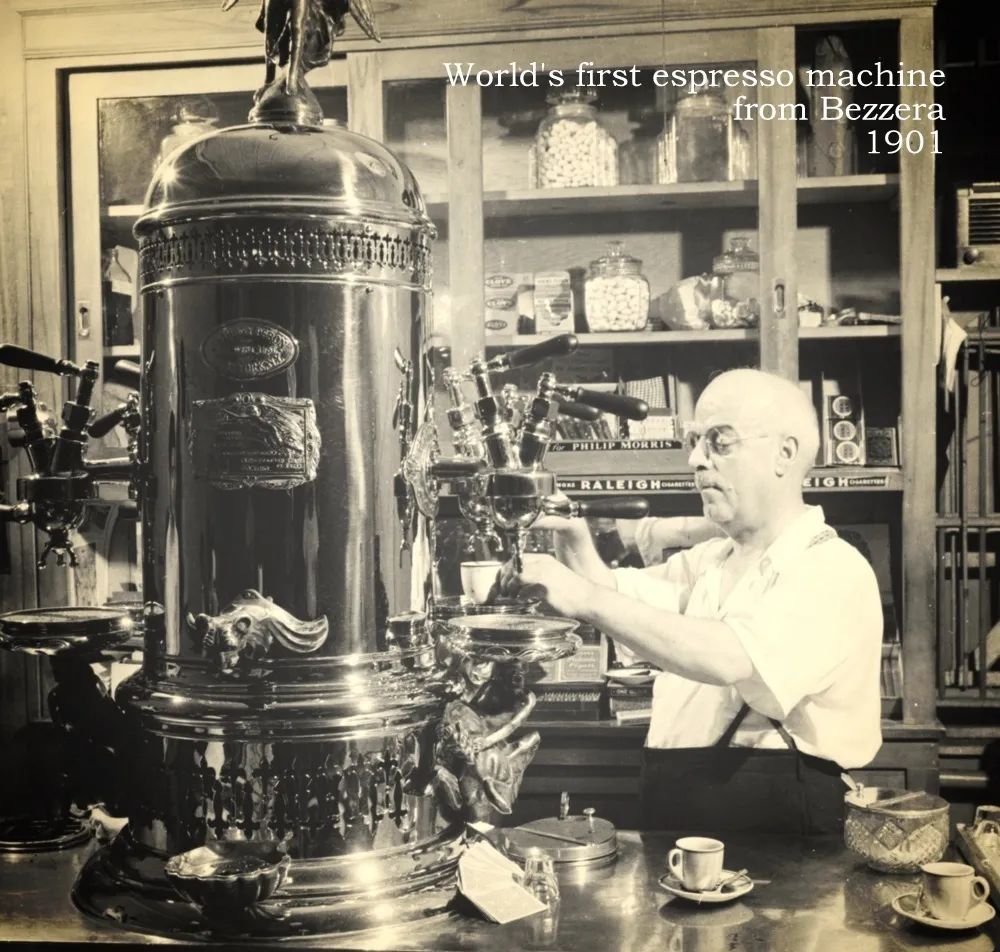
In the early 19th century, Milanese manufacturer Luigi Bezzera improved on this patent and introduced the prototype of the world's first steam-pressure coffee machine. This machine featured a detachable handle and a separable assembly head, capable of extracting coffee under high pressure in a short time.
(Luigi Bezzera's Espresso Machine)
After the new machine was introduced and put into use, more and more Italians became obsessed with this quickly extracted coffee. The word "espresso" was first included in an Italian dictionary around 1920, defined as: a concentrated coffee made with a pressure machine or filter.
For first-time tasters of this "fast coffee," the flavor was hardly good. But when they learned it was produced quickly using steam pressure, Italians seemed to be ignited with enthusiasm, constantly figuring out how to upgrade and modify the steam coffee machine to make the output taste better.
For example, Milanese engineer Achille Gaggia added a lever to the coffee machine in 1938, which could boost water pressure from 1.5 bar to 9 bar. This not only brought a layer of dark brown "crema" to the surface of the coffee but also made the volume of the solution quantifiable, making coffee quality more consistent.
It is thanks to people's continuous refinement and promotion of these machines that coffee-making methods underwent a fundamental transformation. High speed and convenience became the new standard of service at every café, and that small cup of espresso gradually evolved into the foundational core of the modern coffee system.
Where Does Italians' Bold Palate Come From?
As espresso developed into its final form, coffee culture kept pace. Unlike many countries, Italian cafés emphasize an efficient, fast-paced atmosphere, which pairs perfectly with the small serving of espresso—passing customers can drink it quickly, chat a few words with acquaintances, and then get up and leave. Stealing a brief moment of leisure to order an espresso at a café is one of Italians' most deeply ingrained habits.
Walking into a café, they'll directly tell the barista: a single espresso. The vast majority are dominated by dark-roast bitterness, usually with Robusta beans added for a richer crema. Some add a little brown sugar and stir before tasting, then down it in one gulp—immensely satisfying. An espresso in Italy typically costs just 1 euro, about 7 RMB, making it a very accessible drink.
In the eyes of most Italians, only espresso counts as "real" coffee. Compared to lighter-roasted specialty coffees that emphasize single origin, they're more accustomed to rich, full-bodied, heavy, even bitter flavors. It's said that in Italians' belief, coffee is for "aiding digestion," not for staying awake. So after every meal, if there's no espresso, they always feel something is missing.
It's not hard to see that Italians' passion for espresso stems from loyalty to their own cultural roots. As Front Street mentioned above, Italy invented the espresso machine, which not only accelerated the speed of making coffee drinks but forever changed the global coffee industry. So for Italians, espresso is an important part of national identity, making Italy stand out in the world.
So, will you get beaten up for ordering an iced Americano at an Italian café?
Although most traditional Italians still stick to their own drinking habits, as the espresso system sweeps the globe, many countries and regions have developed their own coffee styles. Out of respect for others' dietary habits, some Italian baristas will try their best to accommodate foreign tourists who want an iced Americano.
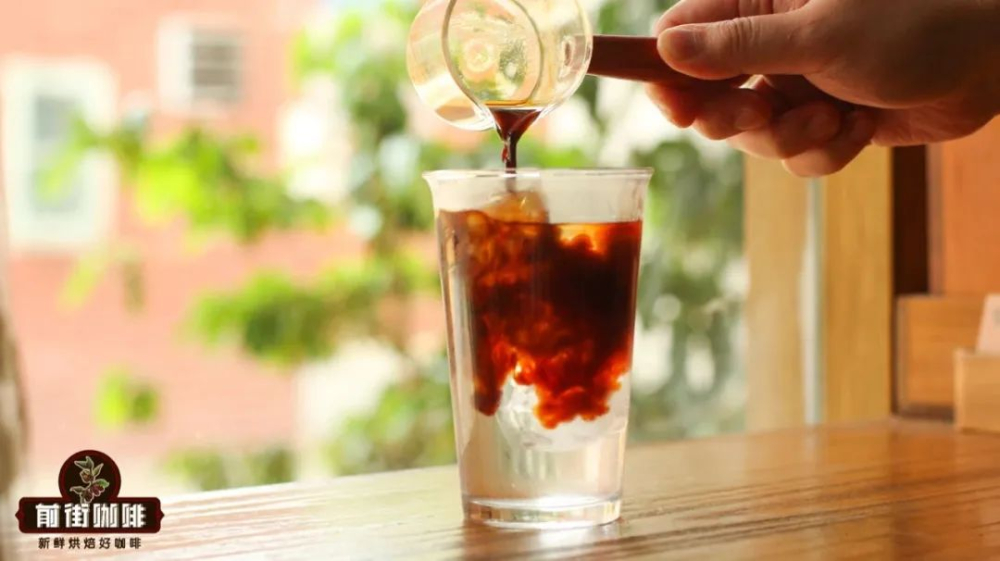
Of course, there's no ruling out the many "hardliners" who only serve espresso. When you ask them for an iced Americano, chances are you'll get an eye-roll, and then they'll bring you a combo like this. (Front Street just kidding, any resemblance is purely coincidental.)
(espresso + ice cubes + water)
Finally, back to the title—Front Street also recalls a prank video that circulated online back in the day: when Italians ordered an espresso but someone secretly filled it with water and then served it to them, filming their reactions:
"Here's your coffee."
"No~ Is this a piece of 💩?"
"Get lost! Beep~ ~"
- END -
Reads 553
People who liked this content also liked
How does Kaffa Forest brew a fresh tea-like flavor?
How does Kaffa Forest brew a fresh tea-like flavor?
Accounts I often read
Front Street Coffee (FrontStreet Coffee)
Dislike
Reasons for not watching
Confirm
Low-quality content
Don't show content from this official account
Write a comment
Comments 2
etzsche
Singapore 21 minutes ago
Report
Italians' unique exasperation with Americans (continued from last time)
Chuanyou Haiyi Group | Baoji Pate | Ya'an Well Control
Guangdong 21 minutes ago
Report
Not exaggerated at all. Chen Zhen is on a business trip in Europe these days. He ordered an iced Americano at a café and got an eye-roll. Then what was served was just such a combo.. hahahaha
No more data
Keep sliding to see the next one
Tap to read the original article
Front Street Coffee (FrontStreet Coffee)
Slide up to see the next one
Front Street Coffee (FrontStreet Coffee)
10 11 3
2
The above content is compiled by CoffeeHunters, a coffee news website.


