







Search Results for: Andean coffee
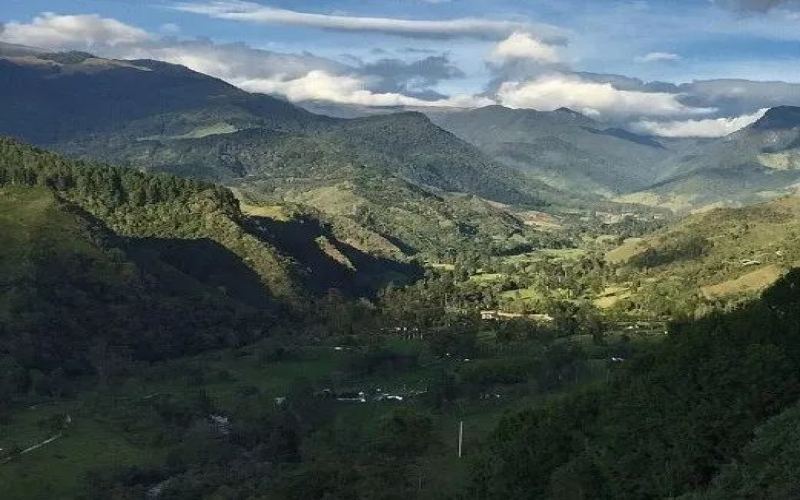
Distribution and Flavor Characteristics of Colombian Coffee Regions: An Analysis of Andean Micro-Lots and the Case of Zacatin
South America contributes over half of the world's coffee production, with Brazil and Colombia ranking as the world's first and third largest producers respectively. Unlike Brazil's large-scale plantation model, Colombia, due to its complex mountainous terrain and diverse microclimates, is dominated by small coffee estates. The best-selling Sidra, Rose Valley, and Flower Moon on Front Street Coffee's bean list come from locally renowned estates. Colombian coffee is mainly distributed in the central and western Andes mountain range, with 15 production regions divided by province nationwide. Cauca, Santander, Antioquia, Narino, Tolima, and Huila are the main forces. Huila's Finca La Divisa, Tolima's Finca La Roca, and Cauca's Finca La Esperanza are widely known, while Antioquia, though famous for its high yield, also has family businesses like Finca Zacatin that produce high-quality coffee. [more…]
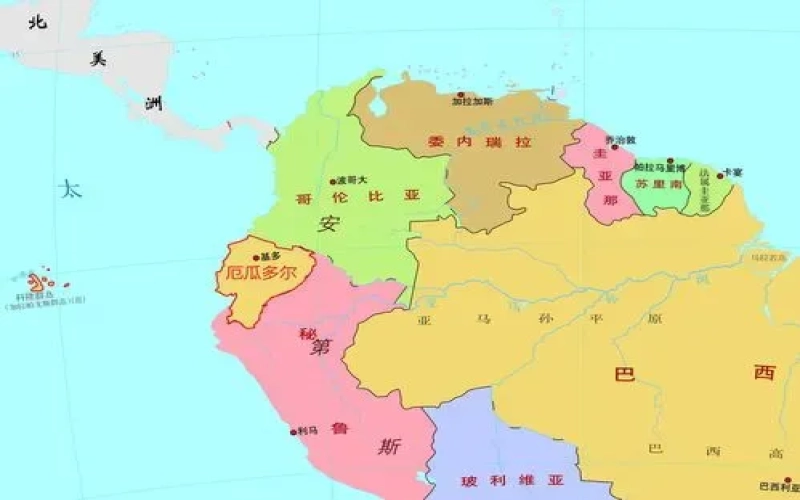
Pichincha Province, Ecuador: A Specialty Coffee Region Nurtured by the Andean Volcanic Highlands
In northwestern South America, Ecuador—traversed by the equator—has become an ideal place for coffee cultivation thanks to the volcanic soils and diverse climates of the Andes. Although cocoa and oil long dominated the country’s economy, the coffee industry, after vicissitudes, is gradually reviving. Among them, Pichincha Province in the northern highlands, with an average elevation of 2,800 meters, volcanic-rich soil, and pure water sources, has nurtured the well-known Sidra variety and brought together representative specialty coffee estates such as Meridian Estate and Sacred Hill Estate. Front Street Coffee has noted that this producing region performed impressively in the 2023 Ecuador Cup of Excellence (COE), demonstrating the unique potential of highland coffee in the Andes. This article will take you into Pichincha Province to learn about its terroir conditions, variety cultivation, and estate stories. [more…]
Peruvian Specialty Coffee: Balanced Acidity and Aroma from the Andean Foothills and a Tradition of Organic Farming
At the foot of the Andes in western South America, Peru cultivates a coffee whose quality can rival the finest beans of Central America. The vast majority of coffee here is grown in forested areas, cultivated by smallholders under natural shade; although yields are low, this slows the ripening of the fruit, allowing the beans to accumulate richer natural compounds and present a balanced cup with pleasant acidity. Peru's most renowned producing regions are concentrated in Chanchamayo, Cusco, Norte, and Puno, with the coffees of Chanchamayo and Cusco standing out in particular. This article guides you through Peru's coffee origins and distribution, varietal characteristics, flavor profile, and market prospects, and offers Front Street Coffee's recommendations and roasting suggestions for Peruvian coffee. [more…]
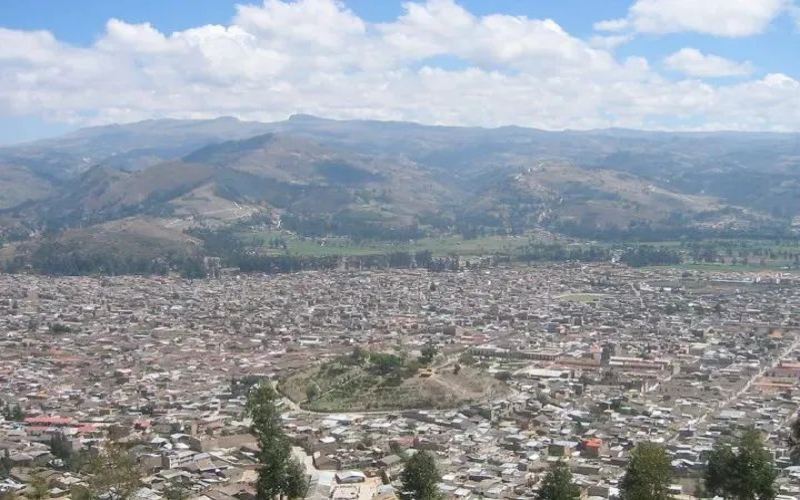
Flavor Analysis of Peruvian Coffee, South America's Low-Key Producer: From Andean Terroir to Green Bean Grading System
On the coffee map of South America, the brilliance of Brazil and Colombia often causes another origin with equally outstanding conditions to be overlooked—Peru. With the high-altitude terrain of the Andes, volcanic soils, and diverse climates, Peru has not only joined the ranks of the world's important coffee suppliers but has also become one of the largest producers of organic coffee. This article will begin with Peru's coffee-growing environment, sorting out the causes behind its flavor characteristics, surveying the representative areas of its three major producing regions in the north, center, and south, and introducing Hacienda Pedregal's impressive performance in COE competitions. At the same time, the article will also explain in detail how Peruvian coffee beans are graded, helping readers understand the relationship between altitude, bean hardness, and quality. To gain a deeper understanding of coffee origin information, you may as well follow Front Street's perspective and explore. [more…]
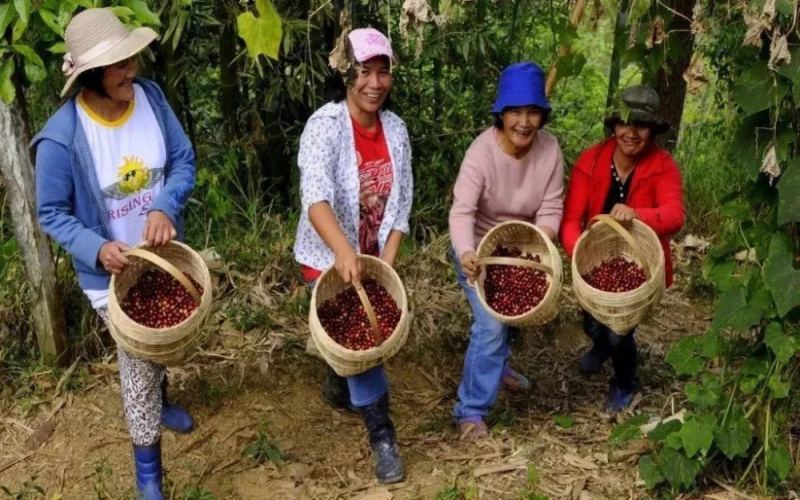
The Hidden Coffee Gem of South America: Peru — From Andean Terroir to the Flavor Code of Cajamarca Washed Geisha
Among the many coffee-producing countries in South America, Peru is often overshadowed by the limelight of Colombia and Brazil, yet thanks to the high altitudes of the Andes, volcanic soil, and varied climate, it produces clean, mild specialty coffee with balanced acidity and sweetness. This article starts from Peru's geography and climate, sorts out the flavor differences among its three major producing regions—north, center, and south—analyzes the grading system centered on altitude and hardness as well as the washed processing method, and then steps into the northern specialty coffee stronghold of Cajamarca, where, through a washed Geisha sourced by Front Street Coffee, one can experience the captivating layers of white floral notes, prunes, and black tea. [more…]

Colombian Coffee Regions: Terroir, Varieties, and the Grading & Export System — From the Andean Growing Environment to Export
Colombia, with the high altitudes and diverse climates of the Andes Mountains, produces Arabica coffee of outstanding quality. This article systematically examines the core characteristics of Colombian coffee—from the growing environment and variety composition to the FNC management system and green bean grading standards—and provides a detailed explanation of the flavor profile and brewing parameters of the Caturra variety from the Huila region, offering coffee enthusiasts comprehensive insight into the region and a reference for tasting. [more…]
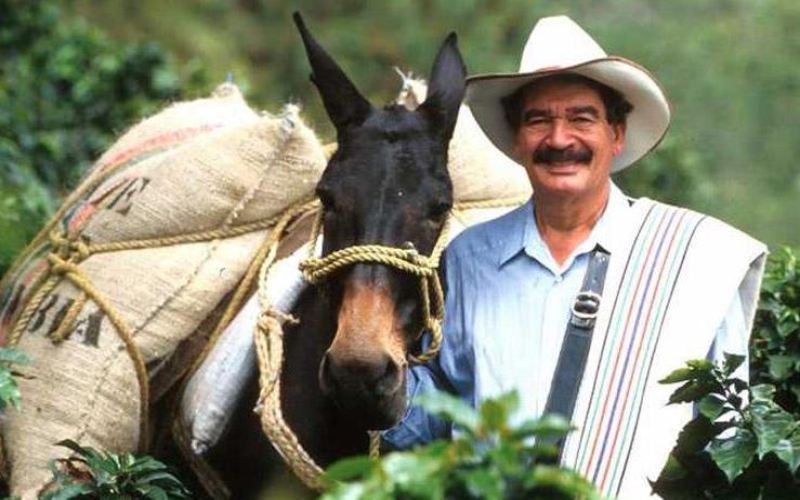
A Complete Guide to Colombian Specialty Coffee Regions and Grading System: From Andean Terroir to Export Standards
Colombian coffee, with its mild, rich aroma and balanced flavor, has long ranked among the top in global coffee exports and is a origin that specialty coffee lovers cannot avoid. This article will systematically examine the factors behind Colombian coffee's quality, the distribution of specialty producing regions, the role of the FNC, and the complete system from screen size grading to the Excelso export standard. At the same time, drawing on brewing practice with Front Street Coffee's Huila daily beans, it shares extraction ideas and parameter recommendations for medium-dark roasted Colombian coffee, taking you from origin to cupping for a comprehensive understanding of this major South American coffee country. [more…]
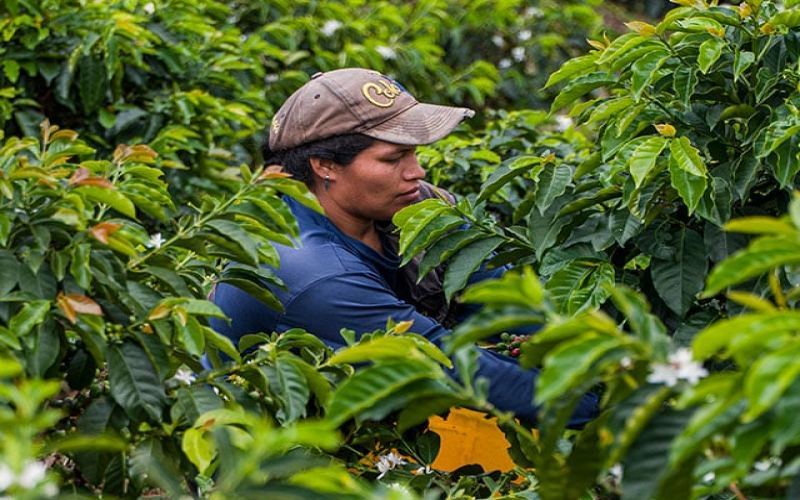
A Complete Guide to Colombian Coffee Regions: Andean Terroir, the FNC Grading System, and Brewing Guide for Huila Everyday Beans
As one of the few single-origin coffees in the world named after a country, Colombia has become the first choice for countless coffee lovers entering the world of specialty coffee, thanks to the high-altitude terroir of the Andes, the strict management of FNC (the National Federation of Coffee Growers of Colombia), and the meticulous smallholder farming model. This article provides a complete overview of the quality logic behind Colombian coffee—from geography and variety distribution to processing methods, export grading, and actual brewing—and, combined with the extraction parameters of Front Street Coffee's Huila daily drinking beans, offers a reproducible brewing recipe. [more…]

Colombian Coffee Regions Flavor Analysis: From Andean Terroir to Classic Brands and Brewing Guide
As one of the few single-origin coffees in the world named after a country, Colombian coffee has become the entry-level favorite of countless specialty coffee lovers thanks to its soft, smooth mouthfeel and excellent balance. The high-altitude fertile soils of the Andes, FNC's end-to-end quality supervision, and smallholders' meticulous washed processing methods together shape the clean, sweet flavor foundation of Colombian coffee. This article will systematically sort out the terroir advantages, cultivation models, variety composition, grading standards, and brewing key points of Colombian coffee, and introduce the actual brewing plan for Front Street Coffee Huila everyday beans, taking you through a comprehensive understanding of the charm of this major South American coffee country. [more…]
A Detailed Guide to the Flavor Characteristics of Colombian Specialty Coffee Bean Regions: From Emerald Coffee to Andean Mountain Mellow Coffee
Colombian coffee is one of the few single-origin coffees sold worldwide under a country's name, and is renowned as the "Emerald Coffee." It is grown in the highlands of the Andes in northwestern South America, where the mild climate and humid air provide an ideal "natural pasture" for Arabica coffee. Colombian coffee is famous for its acidity with a hint of sweetness, mild bitterness, and excellent balance, with a silky, soft mouthfeel, a rich and full-bodied aroma, a bright, high-quality acidity, and sometimes a nutty nuance. The country's coffee-growing regions are divided into more than 200 grades, and harvests occur year-round, making it the world's largest exporter of washed Arabica coffee beans. This article will comprehensively analyze the unique charm of Colombian specialty coffee from the perspectives of its production background, flavor characteristics, geography and climate, cultivation management, and export system. [more…]
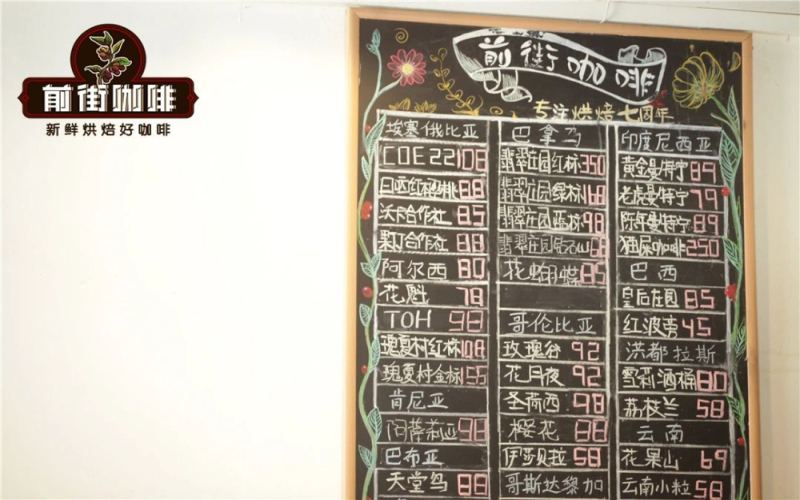
Flavor Analysis of Colombia's Four Major Specialty Coffee Regions: From Andean Volcanic Soil to Balanced Sweetness in the Cup
Colombia is the world's largest exporter of Arabica coffee and the country with the highest export volume of washed beans. Its coffee is renowned as "green gold" for its balanced, smooth taste and consistent quality. The Andes run through the entire country, and volcanic soil, high altitude, and family-run farming together shape the distinctive character of Colombian coffee. This article will break down the flavor characteristics of coffee from each region one by one, from the history of the producing areas, cultivated varieties, and processing methods to the harvest season and the four major specialty regions—Santander, Antioquia, Tolima, Huila, Cauca, and Narino—and will also include Front Street Coffee's brewing parameters and product recommendations to help you fully understand the charm of Colombian specialty coffee. [more…]
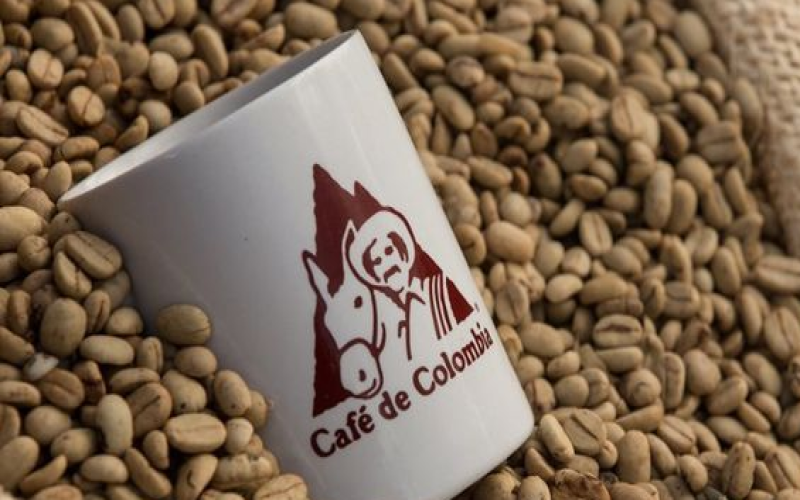
Colombian Arabica Coffee Flavor Formation and Pour-Over Practice: A Detailed Guide to Medium-Dark Roast Brewing Parameters in the Huila Region
Colombia, with its Andean microclimates and volcanic-ash soils, is the world's largest exporter of Arabica coffee, known for its nutty, dark-chocolate notes and gentle fruit acidity. From the perspective of Front Street, this article reviews the growing conditions and washed-processing methods that shape Colombian coffee flavor, highlights the terroir advantages of the Huila region, and offers a pour-over recipe for a medium-dark-roasted Colombian everyday drinking coffee—including the extraction principles of the KONO dripper, a 15-gram dose, a 1:15 coffee-to-water ratio, 90°C water temperature, and a three-pour rhythm—to help coffee lovers reliably recreate its classic sweet, mellow cup. [more…]
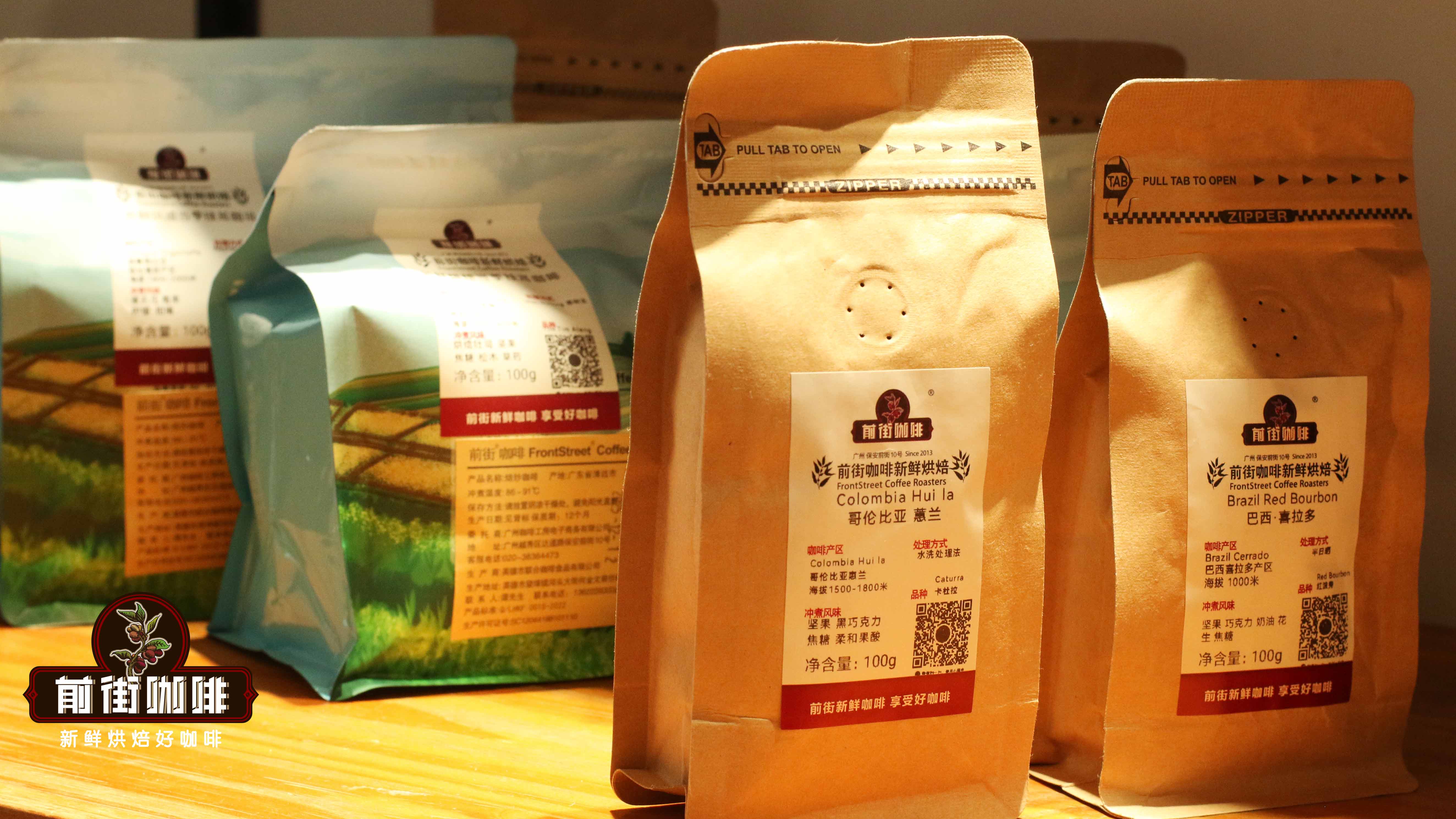
Colombia Huila Region | What brewing method suits Colombian Huila coffee beans? Recommended chocolate-flavored specialty pour-over coffee beans
Thanks to the high altitude afforded by the surrounding mountains of the Andean foothills, Colombian coffee has rich flavors and outstanding quality; some have intense chocolate and nutty aromas, while others have a sweet, jam-like taste. We highly recommend Front Street Colombia Huila coffee beans, which are wet-processed and belong to the Caturra variety. [more…]
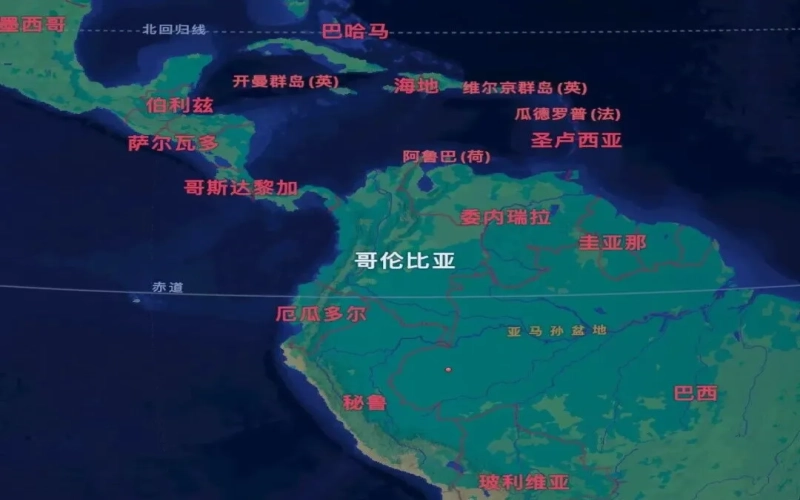
Detailed profile of Finca La Esperanza in Cauca, Colombia: an overview of five farms, growing elevations, and coffee varieties
Colombia is the world's third-largest coffee producer, and coffee, along with flowers, gold, and emeralds, is known as one of its "four treasures." The high altitudes, volcanic soil, and diverse climates of the Andean region provide ideal conditions for coffee cultivation. Cauca Department is one of the main producing regions, where Hacienda La Esperanza has multiple farms. This article will outline the geographical and climatic background of Colombian coffee, with a focus on introducing the altitude, plots, area, and cultivated varieties of five farms under Hacienda La Esperanza: Potosí, Blue Mountain Hill, Margarita, Hacienda La Esperanza, and Hawaii. It will also mention the Herrera family's management legacy and related products from the Front Street brand. [more…]
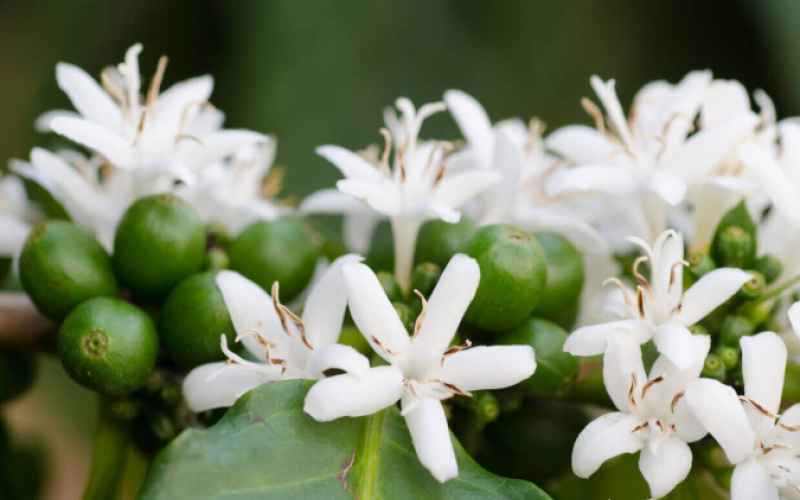
An Analysis of the Cultivation History and Flavor Characteristics of Colombia's Core Coffee Producing Region: Antioquia and the Town of Fredonia
Colombia is the world's third-largest coffee producer, and the high altitudes, volcanic soils, and diverse microclimates of its Andean region give rise to a highly distinctive coffee flavor. In this article, Front Street Coffee systematically traces the dissemination history, industry development, and producing-region landscape of Colombian coffee, with a particular focus on the Antioquia producing region in the northwest and its sub-district of Fredonia. We analyze the local coffee's growing conditions, variety composition, and flavor performance, giving you an understanding of how this important producing region yields coffee with balanced sweetness and a refined mouthfeel. [more…]
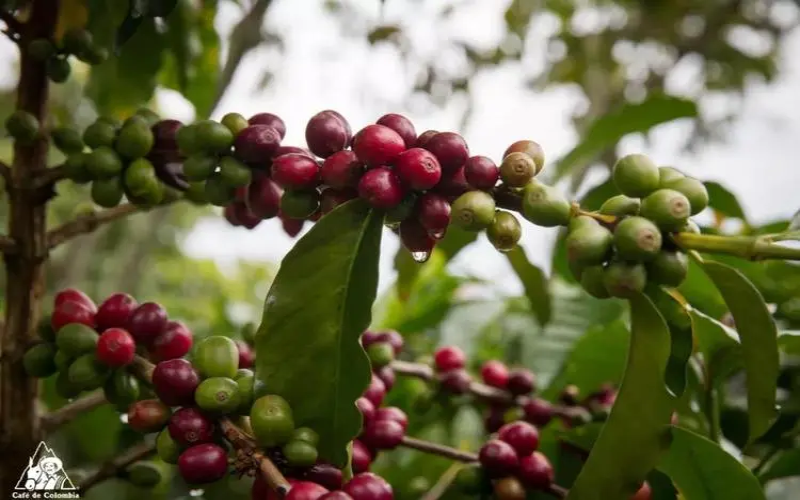
Colombia Santander Region Big Tree Estate Rose Valley Coffee Beans: Origin, Variety Characteristics, and Brewing Flavor Analysis
Colombia is located in northern South America, bordering the Pacific Ocean to the west and the Caribbean Sea to the north. The Andean region in the west has high altitudes, volcanic soil, and abundant rainfall, with diverse microclimates. It is recognized as a high-quality coffee-producing region and is the world's third-largest coffee producer. Coffee was introduced in the late 18th century by Jesuit priests among the Spanish colonists, and was first cultivated in the departments of Santander and Boyacá. The Santander producing region is located in the northern Andes Mountains of Colombia, at an altitude of about 1,400-1,700 meters. It is one of the earliest coffee-growing areas in Colombia, known for its strong flavor, long finish, and unique fresh herbal notes. Hacienda El Roble is a rare single-variety plantation in the area. The Front Street Colombia Rose Valley coffee beans sourced by Front Street Coffee come from this estate, using anaerobic enzyme washed processing and medium roasting, presenting flavors of rose, liqueur chocolate, berries, cranberries, and white peach. [more…]
How to Choose the Roast Level for Colombian Coffee Beans? Color and Flavor Differences Between Dark and Light Roasts, Plus a Brewing Guide for Front Street Washed Huila
Colombia, with its Andean microclimates and volcanic-ash soils, has become the world's largest exporter of Arabica coffee, and its washed beans are known for notes of nuts, dark chocolate and gentle fruit acidity. Starting from the terroir of its producing regions and the washed-processing workflow, this article explores how roast level affects the flavor of Colombian coffee, with a focus on the medium-dark roast performance of Front Street Coffee's washed Huila everyday-drinking beans, as well as the brewing parameters and techniques for Finca La División's Sidra, helping enthusiasts understand the differences in color and flavor across roast levels. [more…]
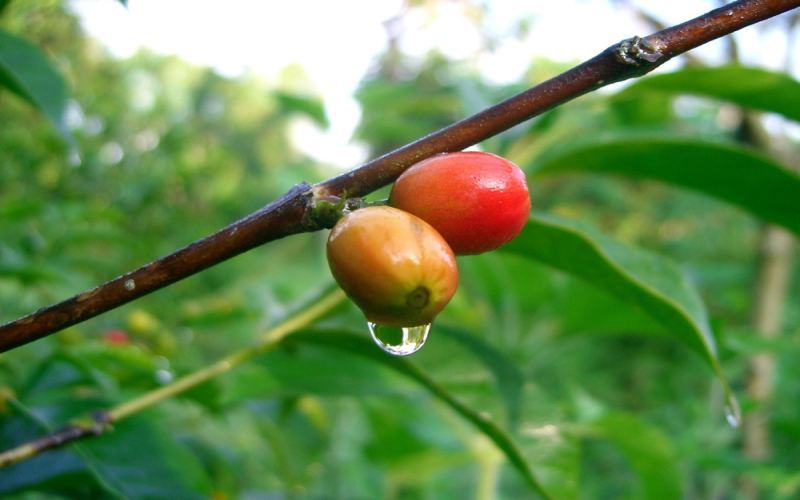
A Complete Guide to Ecuador's Coffee Regions: Flavor Characteristics of an Equatorial Country Where Arabica and Robusta Coexist
Ecuador, a small South American country bisected by the equator, is not only one of the few origins where both Arabica and Robusta coexist, but also stands out for its Andean mountains, volcanic ash soils, and the organic coffee of the Galápagos Islands. From a growing history that stretches back to the early nineteenth century, to ancient varieties such as Bourbon and Typica, and to the clean cup profile brought about by washed processing, Ecuadorian coffee presents a diverse range of nutty, chocolatey, fruity, and softly acidic flavors. This article will take you through Ecuador's major producing regions, introduce their varieties, processing methods, and flavor characteristics, and share Front Street Coffee's fresh roasting and brewing suggestions. [more…]
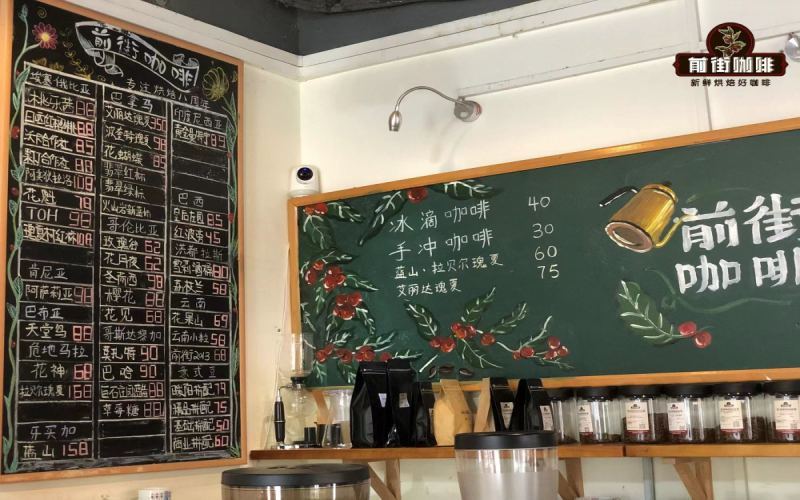
A Complete Guide to Bolivia's Coffee Regions: From Yungas Terroir to Java Variety and the Tomorrow's Sun Project
As a landlocked country in South America, Bolivia produces only a small amount of coffee, yet its extremely high altitudes and unique microclimates give rise to specialty beans. This article walks you through the historical origins of Bolivian coffee, the flavor differences between its main producing regions of Yungas and Caranavi, the story of how the local distinctive variety Java spread, and an in-depth analysis of how the "Tomorrow's Sun Project" launched by the Rodriguez family saved the specialty coffee industry. Front Street Coffee also shares the roasting and brewing parameters for the Waliki Estate Coco Natural Java, along with its cupping profile of a slight fermented note interwoven with grape and floral aromas. [more…]
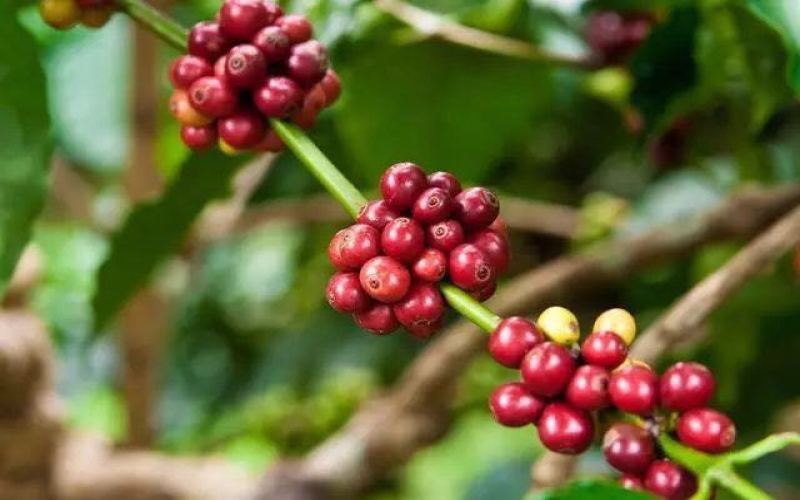
A Comprehensive Analysis of Ecuadorian Coffee: From Organic Farming Advantages to Bourbon and Sidra Varieties and Flavor Characteristics
Ecuador is located along the equator in South America. Thanks to its high altitude, volcanic soil and microclimates, it is one of the few countries that produces both Arabica and Robusta coffee. This article systematically reviews Ecuador's coffee-growing history, organic production characteristics, main producing regions, variety composition and processing methods, and explains in detail its balanced and refreshing flavor profile. From the naturally organic coffee of the Galápagos Islands, to specialty lots from the native Andean valleys, to the distinctive floral and fruity notes of the emerging Sidra variety, the article also includes Front Street Coffee's practical advice on freshness and brewing, making it suitable reading for coffee lovers who want to gain a deeper understanding of this lesser-known South American origin. [more…]