







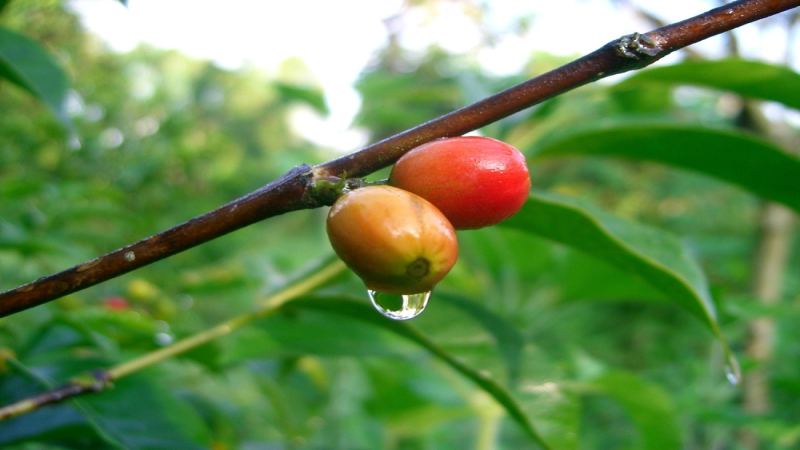
Why Does Ecuador Grow Both Arabica and Robusta Coffee?
Ecuador is one of the few origins where Arabica and Robusta coffee coexist. The country sits on the equator, and the Andes run north to south with densely distributed volcanoes and volcanic ash soil. Cultivation dates back to the early nineteenth century. Washed processing gives a clean cup with nutty, chocolate, fruity, and softly acidic notes.
Ecuador has about 85,000 hectares of Arabica plantations and 110,000 hectares of Robusta plantations. The Galapagos Islands, roughly 900 kilometers west of the coast, are a national park where chemical fertilizers and pesticides are banned, so their coffee is recognized as organic. Because traditional harvesting and processing methods remain common, Ecuadorian coffee is not yet classified as specialty coffee and stays relatively rare on the market.
Ecuador, this small South American country straddling the equator, is not only one of the few origins where both Arabica and Robusta coexist, but also stands out for its Andean mountains, volcanic ash soil, and the organic coffee of the Galapagos Islands. From a cultivation history dating back to the early nineteenth century, to ancient varieties like Bourbon and Typica, to the clean cup profile brought by washed processing, Ecuadorian coffee presents a diverse array of nutty, chocolate, fruity, and softly acidic notes. This article will take you through Ecuador's major growing regions, introduce its varieties, processing methods, and flavor characteristics, and share Front Street Coffee's fresh roasting and brewing suggestions.
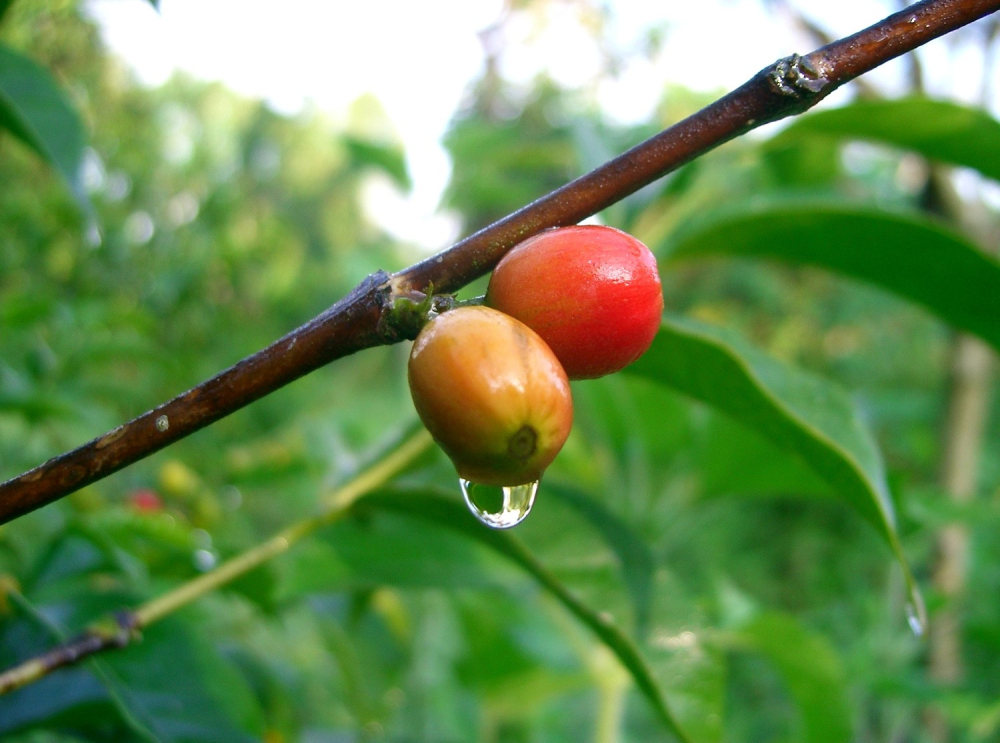
When Ecuadorian coffee is mentioned, many people find it unfamiliar. In fact, this South American country located between Colombia and Peru is one of the few origins that produces both Arabica and Robusta coffee. Ecuador's coffee cultivation history can be traced back to the early nineteenth century, nearly two hundred years ago. Arabica coffee was first introduced to the country in 1952. At present, Ecuador has about 85,000 hectares of Arabica coffee plantations and 110,000 hectares of Robusta coffee plantations.
Ecuador has a nickname, "the Country of the Equator," because the equator runs right through its territory. The Andes stretch from north to south across the entire country, with volcanoes densely distributed, including the world's highest active volcano at 5,897 meters above sea level. In fact, "Ecuador" means "equator" in Spanish. Because it still uses relatively traditional harvesting and processing methods, Ecuadorian coffee has not yet been classified as specialty coffee, and is therefore relatively rare on the market.
Ecuador borders the Pacific Ocean to the west, and about 900-plus kilometers west of its coastline, near the equator, lie the Galapagos Islands, also known as Colon Island, which produce the well-known Galapagos coffee. To protect the natural ecology, the Ecuadorian government has designated the islands as a national park and prohibited the use of chemical agents such as fertilizers and pesticides, so coffee produced in the Galapagos Islands is widely recognized as organic coffee.
The coffee of the Galapagos Islands has a relatively balanced, somewhat neutral flavor, a medium body, a distinct yet pleasant acidity, and a unique aroma. However, because it is rarely seen on the market, not many people discuss this coffee.
Ecuador's high-mountain coffee is mostly grown at elevations of about 1,000 to 2,000 meters, and different soils give the coffee different flavors. Its taste is quite interesting, slightly sour with bitterness, accompanied by the aroma and sweetness of fruit, grass, and chocolate. For making ESPRESSO and filter coffee, Ecuadorian high-mountain coffee is a very good choice, because you can taste its rich flavor. Ecuador is located at the center of the world, which is why it is called the Country of the Equator, and its top coffee is also famous worldwide because of its superior geographical location. Driving two hours east from the capital, Quito, brings you to tropical jungle, while heading west takes you to the seaside. Ecuador is one of the countries with the richest biodiversity in the world, and no matter which direction you go, you can feel the diversity of its geography.
In addition, there are the fascinating and one-of-a-kind Galapagos Islands. Ecuador is located in South America, bordered by Colombia to the north and Peru to the south, with a land area of about 284,000 square kilometers and a population of about 14 million. From the surprisingly soft and delicate Galapagos coffee, to the rather sour and bitter Ecuadorian LOJA high-mountain coffee, to the milder-tasting blend of Galapagos coffee and full-bodied LOJA coffee, as well as the Vilcabamba high-mountain coffee grown at 1,780 meters above sea level, and finally the Loja Blend top coffee with chocolate and fruity aromas and a slight bitterness and acidity.
Ecuador's coffee-growing forests
Precisely because it possesses the hard conditions required for growing specialty coffee—low latitude, high altitude, and volcanic ash soil—Ecuador's specialty coffee has all the essential elements of good coffee. As an origin with a relatively short history, it is generally recognized as having a light aroma, with nutty notes and soft acidity to enjoy. Ecuador is located on the equator and cultivates coffee in the mountainous zones of the Andes. The eastern side mainly grows lower-priced Robusta, while the western side grows higher-priced Arabica.
Ecuadorian coffee beans are uniform in size and have a nutty flavor, and their soft acidity and mouthfeel are also very appealing. Relatively speaking, because they do not have a particularly prominent personality, they are often used in coffee blends. Thanks to its diverse geography, ecosystems, and climatic conditions, Ecuador is able to grow different coffee varieties in different environments. Each Ecuadorian single-origin coffee has its own unique characteristics, and the special geographical environment, soil, and climate traits are reflected in the coffee's aroma, acidity, clarity, and taste.
Ecuadorian coffee beans mainly consist of two varieties, Galapagos and Gigante, both characterized by large beans and heavy weight. However, the main variety grown in Ecuador is still Bourbon. Bourbon, like Typica, is a relatively ancient coffee variety.
Bourbon
A mutation that occurred after Typica was transplanted to Yemen in the early period (pre-coffee history), with the bean shape changing from slender and pointed to round. In 1715, France transplanted the round beans of Yemen Mocha to Bourbon Island off the east coast of Africa (renamed Reunion Island after the French Revolution), and only afterward did they come to be called Bourbon.
Bourbon round beans were introduced to Brazil and Central and South America in 1727 by a roundabout route. In 1732, Britain transplanted Yemen Mocha to Saint Helena Island (later the place where Napoleon was imprisoned), and those were also Bourbon round beans. Bourbon is a frequent winner in American specialty coffee cupping. Front Street Coffee's everyday-drink Brazil coffee and single-origin Brazil Queen are both Bourbon varieties.
[Introduction to Ecuador's Production Regions]
Intag Valley
The western foothills of the Andes south of Guayaquil and the coastal hilly areas of Manabi Province. This area is known for growing Arabica coffee beans, and the beans have a perfect balance of acidity, sweetness, and bitterness.
Pichincha Province
Located in the northwestern part of Ecuador, it mainly grows Robusta coffee beans.
Loja Region
The Loja region is in southern Ecuador, close to the Andes, and is one of the highest coffee-growing areas in the world, at 1,450-2,000 meters above sea level. It is also an important coffee-exporting city in the country. The coffee bean variety is Typica, processed by the washed method, and mostly grown naturally under shade trees. The local high altitude, climate variation, and soil quality are all very suitable for coffee growth, and it has many excellent conditions for growing coffee.
Galapagos Islands
In the waters of Ecuador in South America, directly beneath the equator, it is a mysterious and alluring archipelago. Many endemic species found nowhere else live on the Galapagos Islands, which were declared a "World Heritage of Humanity and Nature" by UNESCO. Therefore, the import or use of fertilizers, herbicides, pesticides, or all other chemical products is strictly prohibited by law. Certified organic by OCIA and certified by the Rainforest Alliance for bird protection, with shaded growing conditions, plus the islands' unique climate, this creates an aromatic and full-bodied cup. Galapagos coffee is like a pearl among specialty coffees, rare and precious while possessing both a floral aroma and a rich mouthfeel. Its floral and fruity sweetness and finish are in no way inferior to the famous Jamaica Blue Mountain and Hawaii Kona coffees.
[Coffee Bean Processing Methods]
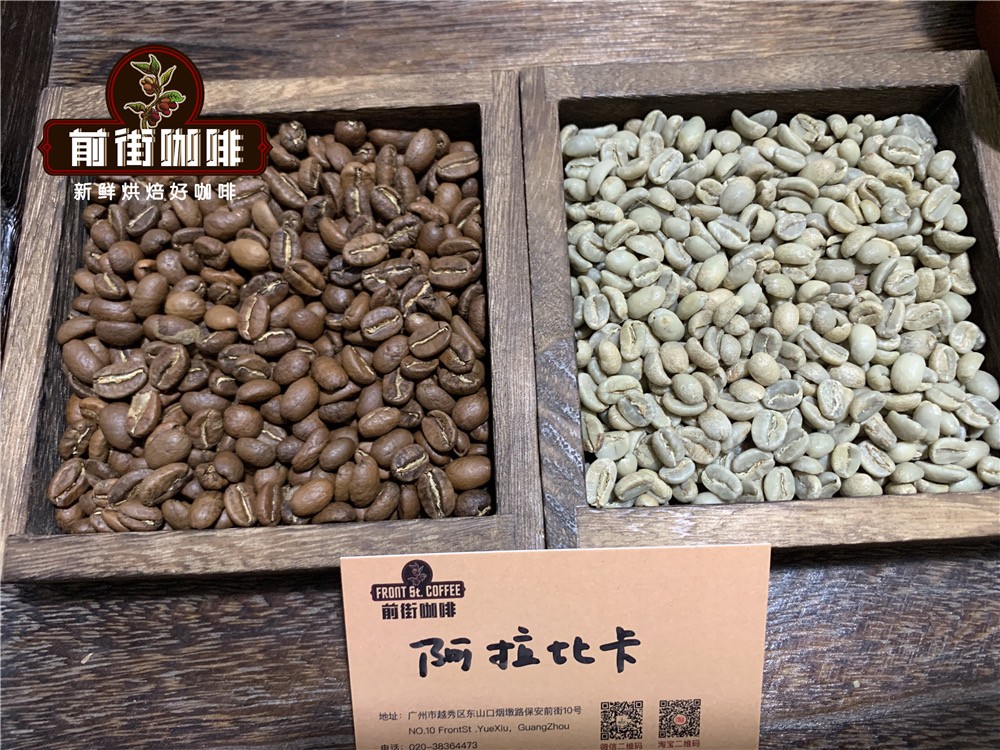
Ecuador's coffee processing methods are mainly washed, and this processing method can produce coffee with a cleaner mouthfeel.
Bean selection → removal of pulp → fermentation → washing → drying → hulling
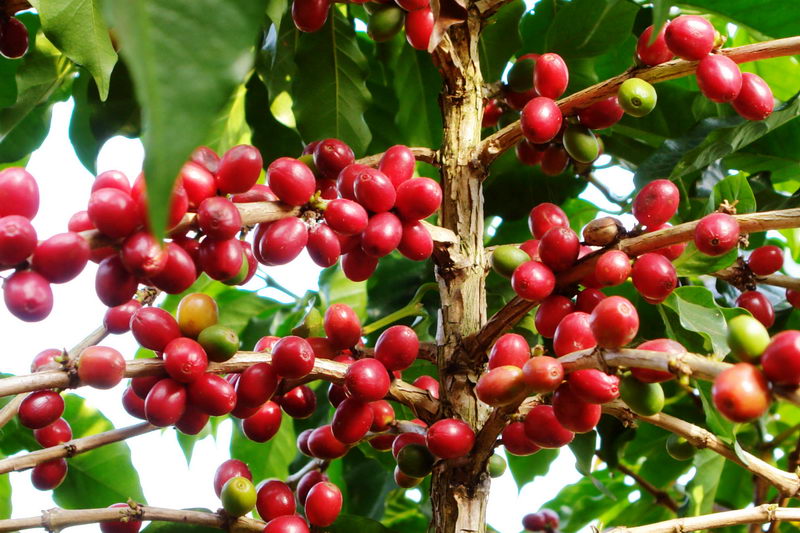
First, a large amount of water is added to the coffee cherries to wash away the unripe fruits and impurities floating on the surface for bean selection, and then a pulper is used to remove the skin and pulp. Next, they are placed in a fermentation tank to ferment for 18-36 hours, allowing fermentation bacteria to dissolve the mucilage on the surface of the coffee cherries. After rinsing with clean water, they are sun-dried for 1-3 weeks and then machine-dried. A huller is used to remove the parchment, hull, seed shell, and silver skin. The process is quite tedious.
Ecuadorian coffee is juicy and complex, with some jammy flavors, prominent sweetness, medium acidity, and notes of yellow fruits. This is a mixed flavor of stone fruits, such as peaches, apricots, plums, and other fruits with low fruit acidity, but they still have good acidity. When grown at very high altitudes, some good plots also show rich floral aromas. Ecuadorian coffee has good balance and is in no way inferior to any specialty coffee.
Front Street brewing suggestions:
No matter what kind of coffee you are brewing, the freshness of the coffee beans is very important. Front Street has always believed that the freshness of coffee beans has a great relationship with the flavor of the coffee, so all coffee beans shipped by Front Street Coffee are within 5 days of the roasting date. Front Street's roasting motto is "Freshly roasted good coffee," so that every customer who places an order receives the freshest coffee when they get it. The resting period for coffee is about 4-7 days, so when customers receive it, it is exactly at its best flavor.
For friends who need ground coffee, Front Street warmly reminds you: if the coffee beans have been ground in advance, there is no need to rest them anymore, because during transportation, the pressure produced by carbon dioxide inside the package can also make the coffee flavor rounder, so once you receive the ground coffee, you can immediately brew a cup and drink it. However, ground coffee needs to be brewed promptly, because after ground coffee contacts the air, it oxidizes relatively quickly. In other words, the coffee's flavor will dissipate relatively quickly, and the coffee will not taste as good. Therefore, Front Street recommends buying whole beans and grinding fresh right before brewing, so that you can better taste the coffee's flavor.
For professional coffee knowledge exchange and more coffee bean information, please follow Coffee Workshop (WeChat public account: cafe_style)
For more specialty coffee beans, please add the private WeChat of Front Street Coffee (FrontStreet Coffee), WeChat ID: qjcoffeex
The above content is compiled by CoffeeHunters, a coffee news website.


