







Search Results for: 90 Special Processing Method
An In-Depth Explanation of the Meaning of 90+ Single-Origin Bean L195: A Complete Guide to the Flavor Description System and Grading Rules
90+ (Ninety Plus) is a highly regarded green coffee brand in the specialty coffee world, and its unique flavor symbols and Level grading system often leave enthusiasts confused. This article will start with the L195 grade, systematically sorting out 90+'s grading logic, the meanings of its flavor symbols, its exclusive processing methods (Red, Ruby, Solkiln), and the Profile Processing production system. At the same time, it will explain in detail the representative 90+ coffees recommended by Front Street Coffee, including the flavor characteristics of beans such as Perci, Straight Talk, and Lotus, and their corresponding grades, helping readers fully understand this legendary brand's green coffee philosophy. [more…]
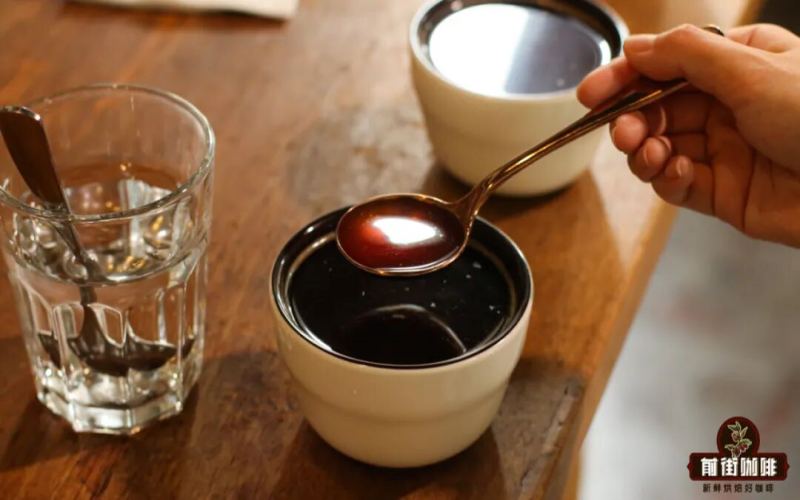
Coffee Bean Processing Methods | What Is the Simon Special / Bag Fermentation Coffee Processing Method? What Characteristics Do Coffee Beans Treated with the Simon Special Process Have?
Whether sun-dried or washed, coffee processing originally existed simply to dry the beans so they could be stored conveniently. But once people discovered that different processing methods give coffee different flavor variations, more and more processing methods emerged to serve flavor. For example, now [more…]

An In-Depth Analysis of the 90+ Coffee Brand: A Complete Guide to Profile Processing and Geisha Pour-Over Flavor
In the specialty coffee world, mention "90+" and discussions instantly heat up—is there a new bean out? Or have they come up with some novel processing method again? In fact, 90+ (Ninety Plus) is the name of an American green coffee company, named for producing only top-tier beans that score above 90 in cupping. From the stunning debut of Ethiopia's Aricha and Beloya to the dazzling Eleta and Juliet of Panama's Geisha estates, 90+ has relied on its original Profile Processing system to control everything from selection and breeding to processing, redefining the upstream standards of specialty coffee. Today, Front Street Coffee takes you through a comprehensive look at 90+'s past and present, its core processing methods, and the pour-over flavors and brewing suggestions for two Geisha coffees. [more…]
A Complete Guide to Ninety Plus 90+ Geisha Coffee Beans: From Profile Processing to the Origin Flavor Story of Barú Estate
In the specialty coffee world, mentioning "90+" always sparks a wave of lively discussion—what new beans have they released? What unconventional processing methods have they used this time? This American green bean company named Ninety Plus, with its original Profile Processing system, started in Ethiopia and went all the way to Panama to establish the 90+ Geisha Estate, redefining the possibilities of Geisha through technology and dedication. The two Geisha coffees currently on sale at Front Street Coffee, Eleta and Juliette, come precisely from this system. This article will provide a complete overview of 90+'s development trajectory, estate stories, bean information, and brewing suggestions, taking you deep into understanding this brand that allows Geisha to surpass Geisha. [more…]
Exploring Panama 90+ Geisha: The Ninety Plus Brand Story, Estate Layout, and Flavor Analysis
In the world of specialty coffee, 90+ (Ninety Plus) is a name you can't avoid. It represents both the outstanding quality of a cup scoring above 90 and that American green coffee company renowned for its innovative processing methods. From the sensational debut of Aricha and Beloya in Ethiopia, to its return to Panama to establish a Geisha estate, 90+ has redefined the possibilities of green coffee production with its Profile Processing system. Front Street Coffee lays out the development trajectory and estate distribution of 90+, with a focus on introducing the flavor characteristics and brewing parameters of two Geisha varieties, Eleta and Juliette, to give you a comprehensive understanding of this coffee brand that constantly makes headlines. [more…]
A Complete Guide to Ninety Plus 90+ Geisha Coffee Beans: Brand Story, Estate Flavors, and Brewing Parameters
In the coffee world, what comes to mind when you hear "90+"? Is it a cupping score, or that green bean brand that always sparks conversation? As a well-known American green bean merchant, Ninety Plus has redefined the production logic of specialty coffee with its original Profile Processing system. From making a name for itself with Aricha and Beloya in Ethiopia, to returning to Panama to establish the 90+ Geisha Estate, and then to the newly established Baru Estate in recent years, 90+ has always been exploring the ultimate expression of flavor. The two Geisha lots currently sold by Front Street Coffee, Eleta and Juliet, are representative works of this system. This article will take you through an in-depth look at the 90+ brand story, the terroir of its estates, the flavor descriptions of the two Geisha lots, and a complete brewing guide from Front Street. [more…]
Ninety Plus Candela and the Complete Guide to the Ninety Plus Brand: The Specialty Coffee System from Ethiopia Sidama to Panama Geisha
In the world of specialty coffee, Ninety Plus (Ninety+) is a name that cannot be overlooked. Founded by Joseph Brodsky in 2006, the company started with Ethiopian native varieties and redefined the way green coffee is produced through its unique Profile Processing system. This article begins with Ninety Plus's Candor, a Front Street Coffee natural-process Sidamo, and systematically reviews the terroir characteristics of the Sidamo region, the brand philosophy and founder's story of Ninety Plus, and core processing methods such as natural processing and Solkiln, then interprets one by one classic product lines such as Kemgin, Nekisse, Perci, and Lotus along with their grading system, and finally includes the roasting analysis and cupping performance of Front Street Coffee 90+ Candor, providing coffee lovers with a complete Ninety Plus knowledge map. [more…]
What brand is Ninety Plus? Uncovering the 90+ coffee bean scoring standards, exclusive processing system, and Panama estate
In the world of specialty coffee, there is one name that is almost synonymous with "ultimate"—Ninety Plus, which we commonly call 90+. What makes it stand out to coffee professionals worldwide? The hard metric of scoring above 90 points in SCAA cupping is only the starting point; what is truly astonishing is its complete control from seed to cup: the exclusive Profile Processing production system, its own Gesha estate in Panama, and a unique system that uses flavor symbols instead of traditional processing method labels. This article gives you a systematic understanding of 90+'s brand core, grading logic, and flavor philosophy, along with practical brewing suggestions from Front Street Coffee for brewing 90+ Candor. [more…]
What makes 90+ coffee beans unique? An analysis of the brand's processing philosophy, Geisha series flavors, and price references.
In coffee enthusiast circles, the name "90+" always sparks lively discussion—it represents both outstanding quality with a cupping score above 90 and the name of an American green bean company. Founded by Joseph Brodsky in 2006, this company relies on its unique Profile Processing production system, intervening throughout the entire process from selection and breeding to processing, creating Geisha coffees with highly distinctive flavors such as Eleta and Juliet. Front Street Coffee currently has these two 90+ Geisha coffees for sale. This article will guide you through 90+'s core philosophy, its estate stories, and the flavor performance and brewing suggestions for these two beans, so you can feel for yourself why they are recognizable at first sip. [more…]
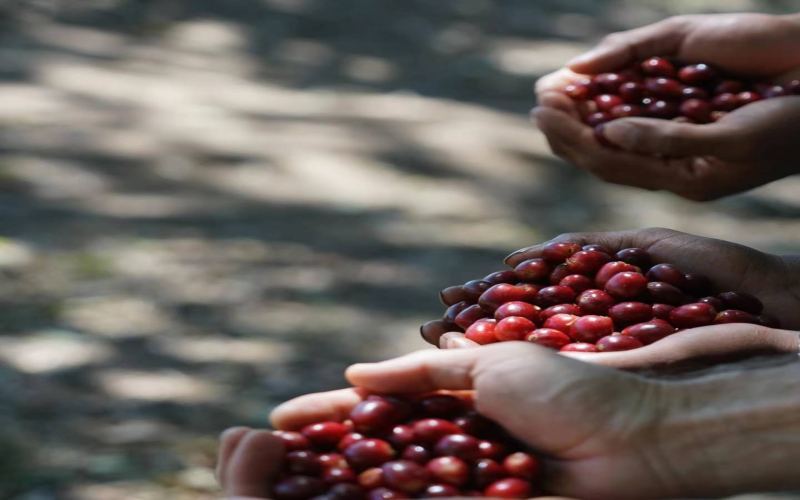
Panama Illeta and Coffee Bean Grades Explained: The Specialty Journey of the 90+ Geisha Estate
Where does the name of Panama's Eleta Coffee come from? How are Panama coffee beans graded? This article begins with the founding story of Ninety Plus (90+), taking you through how Joseph Brodsky accumulated experimental processing experience in Ethiopia and then established the 90+ Geisha estate in Panama in 2009. It also covers patented processing methods such as Red, Ruby, and Solkiln, as well as the flavor profiles of the LevelUp sub-label series, and includes a detailed profile of 90+ Geisha from Panama's Volcan region. Front Street Coffee will also recommend noteworthy beans for you in this article. [more…]
Exploring 90+ Specialty Coffee: A Multifaceted Flavor Analysis of Panama Geisha and Ethiopian Heirloom Varieties
Ninety Plus is a highly esteemed brand in the specialty coffee world, renowned for its coffee beans from the Panama Geisha estate and multiple regions in Ethiopia, celebrated for their unique processing methods and richly layered flavors. This article will analyze one by one more than ten Ninety Plus coffee beans recommended by Front Street Coffee, including Juliette, Lotus Solstice, the Horizon series, Ginseng, Clinique, the Nectar series, and more, covering honey processing, natural processing, and patented Solkiln, Red processing, Ruby processing, and other techniques. From origin, harvest season, variety, Level, altitude to processing method and flavor description, it fully presents the individual characteristics of each bean, guiding you to appreciate the splendid expression of Geisha and Ethiopian heirloom varieties in terms of cleanliness, sweetness, fruity aroma, and vinous notes. [more…]
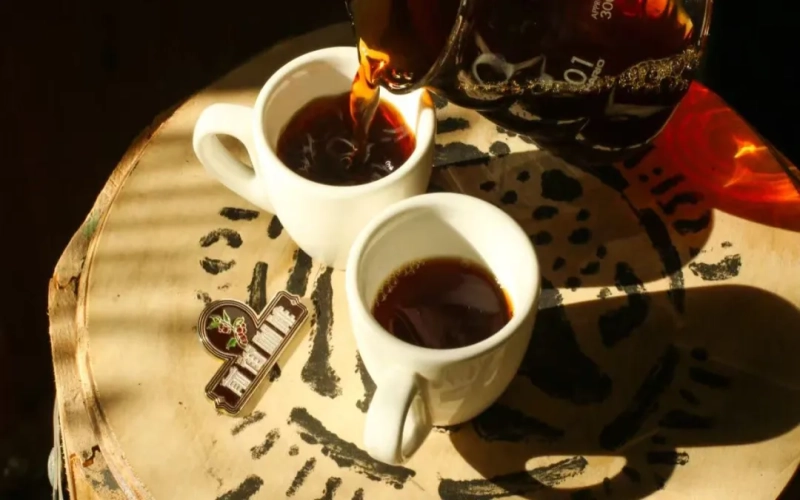
A Complete Guide to Anaerobic Coffee Processing: Key Differences from Traditional Natural and Washed Methods and Flavor Expression
Anaerobic coffee has been appearing on coffee bean lists frequently in recent years. Although many people have tried it, they only have a vague understanding of its specific process, and some even develop an aversion to it due to unfamiliarity. In fact, anaerobic processing is not as complicated as imagined. In most cases, it simply adds an extra anaerobic fermentation step before traditional natural or washed processing. The depth of fermentation is precisely the key that determines the direction of coffee flavor. From the perspective of Front Street, this article sorts out the basic principles of anaerobic processing, common methods, and their connection with traditional processing. Combined with three specific beans, it helps readers understand the flavor differences brought by different anaerobic treatments, so they can find the cup that suits their taste. [more…]
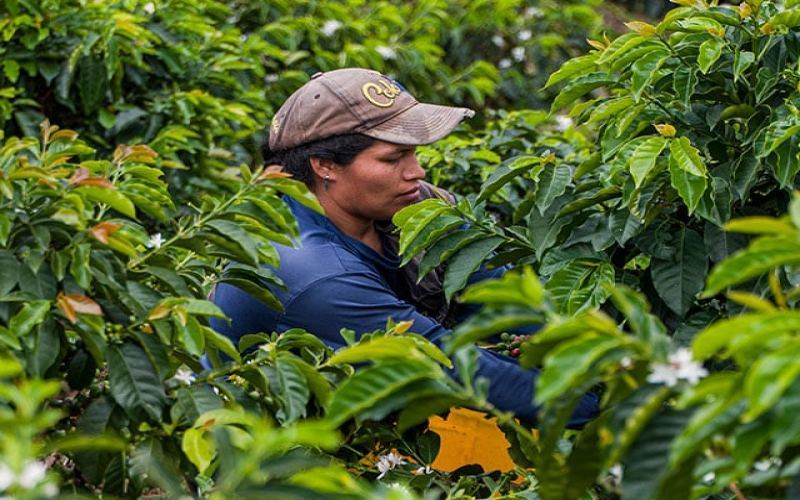
Is Colombian coffee considered black coffee? What makes the flavors brought by special processing methods unique?
Colombian coffee occupies an important place in the global specialty coffee landscape. Its washed beans are known for their rich, balanced character, while in recent years special processing methods such as anaerobic fermentation have injected entirely new flavors into this producing region. From the perspective of Front Street Coffee, this article sorts out the varietal characteristics of Colombian coffee, the geographical advantages of the Huila region, and the flavor differences brought by two processing methods: washed and anaerobic natural. It also introduces the selection logic behind Front Street Coffee's everyday beans series, and includes specific pour-over parameters and brewing steps for Huila everyday beans, helping coffee enthusiasts fully understand the diversity of Colombian coffee. [more…]
A Detailed Guide to Panama Hacienda La Esmeralda Geisha Grades: Flavor Differences and Brewing Guide for Red, Green, and Blue Labels
Geisha coffee beans got their name because their pronunciation is similar to the Japanese word for "geisha," but what truly made them famous is Hacienda La Esmeralda in Panama. From its breakout victory at the 2004 BOP competition to today's three major brand tiers—Red Label, Green Label, and Blue Label—Hacienda La Esmeralda has defined the flavor benchmark for top-tier Geisha through meticulous plot division and cupping standards. This article provides a complete overview of Geisha's varietal origins and spread, explains in detail the differences between Hacienda La Esmeralda's Red Label (auction lots), Green Label (reserve lots), and Blue Label (select lots) in terms of altitude, plot, processing method, and flavor, and includes Front Street Coffee's roasting curves and pour-over parameter recommendations for each Geisha tier, helping coffee enthusiasts build a clear framework for understanding Geisha. [more…]
Honduras Lychee Orchid Brandy Barrel Fermented Beans Explained: Comparing with Panama 90+ Lychee Blue and Brewing Flavor
Front Street Coffee is often asked by customers whether the Lychee Orchid coffee beans in the shop and the 90+ Lychee Blue are the same coffee. In fact, the two are completely different in origin, variety, and processing method. Honduras Lychee Orchid is fermented in brandy barrels, presenting a rich vinous aroma and lychee sweetness; Panama 90+ Lychee Blue is a washed Geisha, with a flavor profile dominated by floral and citrus notes. This article will comprehensively analyze the flavor differences between these two coffee beans whose names differ by only one word, from origin background, variety characteristics, processing method differences, roasting curve comparison to brewing parameters, and share Front Street Coffee's practical experience and brewing suggestions. [more…]
Where do the red wine and whiskey aromas in coffee come from? How do cold brew, ice drip, and iced coffee present fruit wine flavors
In coffee flavor descriptions, wine-inspired terms such as red wine, champagne, and whiskey are common, and many consumers wonder: does coffee contain alcohol? Can you drive after drinking it? In fact, these wine-like aromas come from the aromatic molecules in the coffee itself, not from added alcohol. From the perspective of Front Street, this article systematically sorts out the sources of wine-like aromas in coffee, focusing on the effects of processing methods, roast level, and extraction method on the expression of wine-like aromas, and explains why cold brew, ice drip, and iced brewed coffee can present fruity wine flavors. At the same time, readers are reminded to distinguish between black coffee and specialty coffee drinks, to avoid the risk of drunk driving caused by alcohol contained in specialty coffee drinks. [more…]
90+ Specialty Coffee Brands and Panamanian Estate Growing Characteristics: Flavor Analysis of Danch Meng, Honey Kiss, and Red Honey Kiss
90+ (Ninety Plus Coffee) is an American specialty green coffee merchant focused on extreme flavors. Having been established for only five or six years, it has rapidly risen to fame in the global coffee community, and all its coffees score above 90 points in cupping. This article provides a detailed introduction to three representative coffees under 90+: Danch Meng, Honey Kiss, and Red Honey Kiss, covering the origin of their names, production areas, altitudes, processing methods, and flavor characteristics. It also particularly recommends relevant product information from Front Street Coffee, taking you deeper into the unique charm of 90+ coffee. [more…]
Geisha Coffee Flavor Analysis: Red, Green, and Blue Labels vs. Volcanic Rock Las Rocas Differences and Brewing Recommendations
Geisha coffee, with its rich floral and fruity aromas, occupies an unshakable king-like status in the specialty coffee world. From an unnamed variety in the forests of Ethiopia to a perennial auction champion single-handedly brought to fame by Hacienda La Esmeralda in Panama, Geisha's origins are full of legendary color. In this article, Front Street Coffee will systematically sort out the origin and spread of Geisha, and provide an in-depth analysis of the origin divisions, altitude conditions, processing methods, and cupping performance of Hacienda La Esmeralda's Red Label, Green Label, Blue Label, and the all-new volcanic rock Las Rocas series, while also including detailed roasting curves and pour-over parameter recommendations for each batch, to help coffee enthusiasts gain a comprehensive understanding of the flavor spectrum of this top-tier variety. [more…]
Panama Hacienda La Esmeralda Red Label Geisha Grade Full Guide: Natural Process and 90+ Geisha Flavor Comparison
Geisha coffee has been the most talked-about variety in specialty coffee circles in recent years, and the Red Label Geisha from Hacienda La Esmeralda in Panama is the benchmark among them. This article begins with the origins and spread of Geisha, walks through how Hacienda La Esmeralda discovered Geisha and how it classifies Red Label, Green Label, and Blue Label by altitude and cupping score, and further compares the cultivation philosophy and processing methods of 90+ (Ninety Plus) Geisha estates. The article also includes the specific parameters and flavor descriptions of two representative beans from Front Street Coffee, helping you understand the similarities and differences between Esmeralda Red Label Natural and 90+ Geisha in terms of origin, grade, processing method, and roasting differences. [more…]
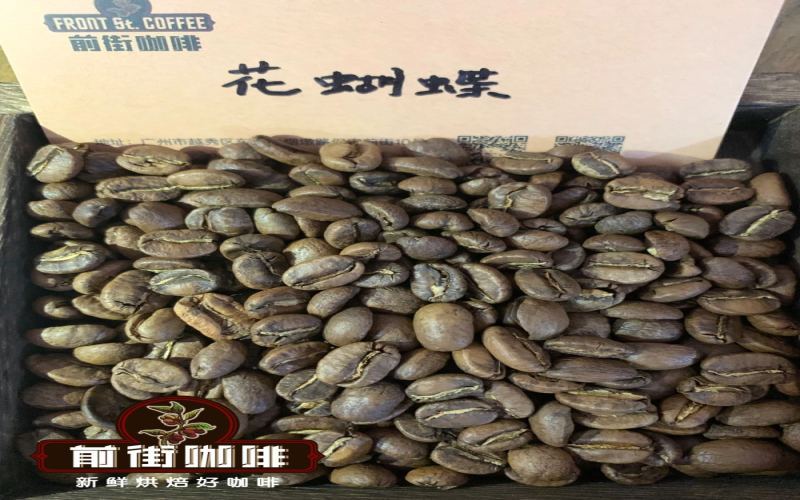
Panama Butterfly Coffee Beans: Flavor Analysis and Brewing Parameters of a Geisha Blend from the Boquete Region
Panama Butterfly coffee beans come from the Boquete Baru Volcano region and consist of three varieties: Geisha, Caturra, and Catuai. After washed processing, they present clean flavors of peach, nuts, honey, and green tea. This bean contains over 50% Geisha lineage, yet is known for its affordable price, combining the classic character of Panamanian Geisha with high cost-effectiveness. Front Street Coffee uses a medium-light roast to preserve the floral aroma and fruity acidity, and gives V60 pour-over recommendations: 15 grams of powder, 89-90°C water temperature, 1:15 powder-to-water ratio, extraction time of about 2 minutes, ultimately presenting the enchanting aromas of white grapes, caramel, honey, and high-mountain black tea. [more…]