







Panama Hacienda La Esmeralda Red Label Geisha Grade: Natural Process and 90+ Geisha Comparison
Geisha coffee has become a benchmark in specialty coffee, and Panama's Hacienda La Esmeralda Red Label Geisha is among the most recognized. This guide covers the variety's origins in Ethiopia's Kaffa Forest, its rediscovery in Panama, and how the farm classifies Red, Green, and Blue Labels by altitude and cupping score. We also compare the cultivation and processing philosophy of the 90+ Geisha Estate.
The article includes specific parameters and flavor notes for two representative beans from Front Street Coffee, helping you understand the similarities and differences between Esmeralda Red Label Natural and 90+ Geisha in origin, grade, processing method, and roasting. For more specialty coffee knowledge, follow Front Street Coffee (Frontstreet Coffee). Readers familiar with specialty coffee know that what is commonly called Geisha was also written as Yizhi in earlier translations.
Geisha (also transliterated as "Yizhi") coffee has been the most talked-about variety in specialty coffee circles in recent years, and the Red Label Geisha from Panama's Hacienda La Esmeralda is the benchmark among them. This article begins with the origins and spread of Geisha, then traces how Hacienda La Esmeralda discovered Geisha, how it classifies Red, Green, and Blue Labels by altitude and cupping score, and further compares the cultivation philosophy and processing methods of the 90+ (Ninety Plus) Geisha Estate. The article also includes the specific parameters and flavor descriptions of two representative beans from Front Street Coffee, helping you understand the similarities and differences between Esmeralda Red Label Natural and 90+ Geisha in terms of origin, grade, processing method, and roasting differences.
For more specialty coffee knowledge, welcome to follow Front Street Coffee (Frontstreet Coffee).
Geisha coffee beans can be said to be one of the most popular and most expensive varieties in recent years. Readers familiar with specialty coffee mostly know that what is commonly called "Geisha" in China was also written as "Yizhi" in earlier translations. To trace its rise to fame, one cannot avoid the history of specialty coffee in Panama: before 2004, Panamanian specialty coffee had not received much attention in the international market; but after 2004, Geisha was rediscovered and quickly became famous, thereafter winning the championship in the Best of Panama cupping competition consecutively, leading all the way until 2007.
Although Geisha rose to fame in Panama, expert identification has shown that the genetic origin of this variety actually lies in Ethiopia's coffee treasure trove—the Kaffa Forest, or more precisely, Gesha Mountain in southwestern Ethiopia, at an altitude of approximately 1,700 to 2,100 meters. What makes people curious is why Ethiopia did not keep such an excellent coffee in its homeland, but instead let it travel far to Panama and shine brilliantly?
Ethiopia's official archives do indeed contain records about Geisha. At the time, people noticed that it had strong disease resistance and could be hybridized with other coffee trees to improve the disease resistance of offspring; however, the archives did not describe its flavor much, and coupled with unsatisfactory yield performance, it disappeared for a long time until it was rediscovered later. For this reason, some speculate whether the flavor changes in Geisha are related to Panama's terroir and environment, though this claim still awaits further confirmation.
Geisha was discovered at Hacienda La Carleida. Speaking of this estate, one cannot fail to mention its founder, the Peterson family—the family behind what is now widely known as Hacienda La Esmeralda. In 1996, the Peterson family took a liking to Hacienda La Carleida's natural environment and coffee quality, so they bought the entire estate.
The coffee from Hacienda La Carleida did not taste like typical Panamanian coffee, carrying faint hints of orange and floral-fruity aromas. The Peterson family had been unable to determine which variety brought about this flavor, so they cupped the coffee trees on the estate one by one, and finally discovered that the coffee trees the previous owner had used as a windbreak were precisely those plants with the unique flavor. They immediately separated that area and sent it to the 2004 cupping competition, where it made a stunning debut, and Geisha coffee became known to the world ever since.
The flavor of the Geisha variety has won the favor of a large number of enthusiasts: intense citrus aroma, jasmine fragrance, almond and mango notes, nectar-like sweetness, and bright, multi-layered fruit acidity, so coffee-producing countries around the world have introduced and planted it one after another.
But even for the same variety, grown in different environments, the flavor can differ greatly.
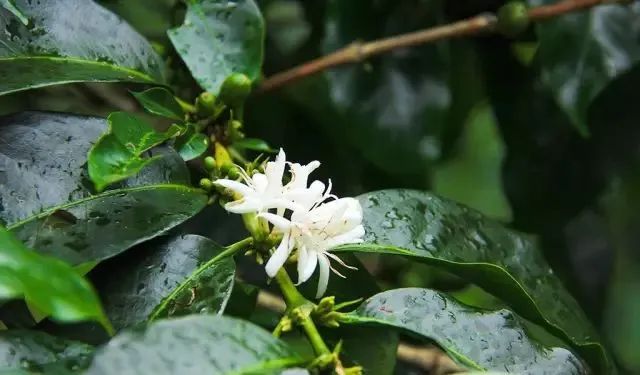
Each region's unique climate, cultivation altitude, humidity, sunshine duration, soil conditions, growers, and even the processing method after coffee fruit harvesting will all have a significant impact on the final flavor. For example, Geisha from Panama, Colombia, Ethiopia, and other places each shows different flavor expressions.
To help more coffee enthusiasts understand Geisha, two reference points are proposed here: Hacienda La Esmeralda and 90+ (Ninety Plus).
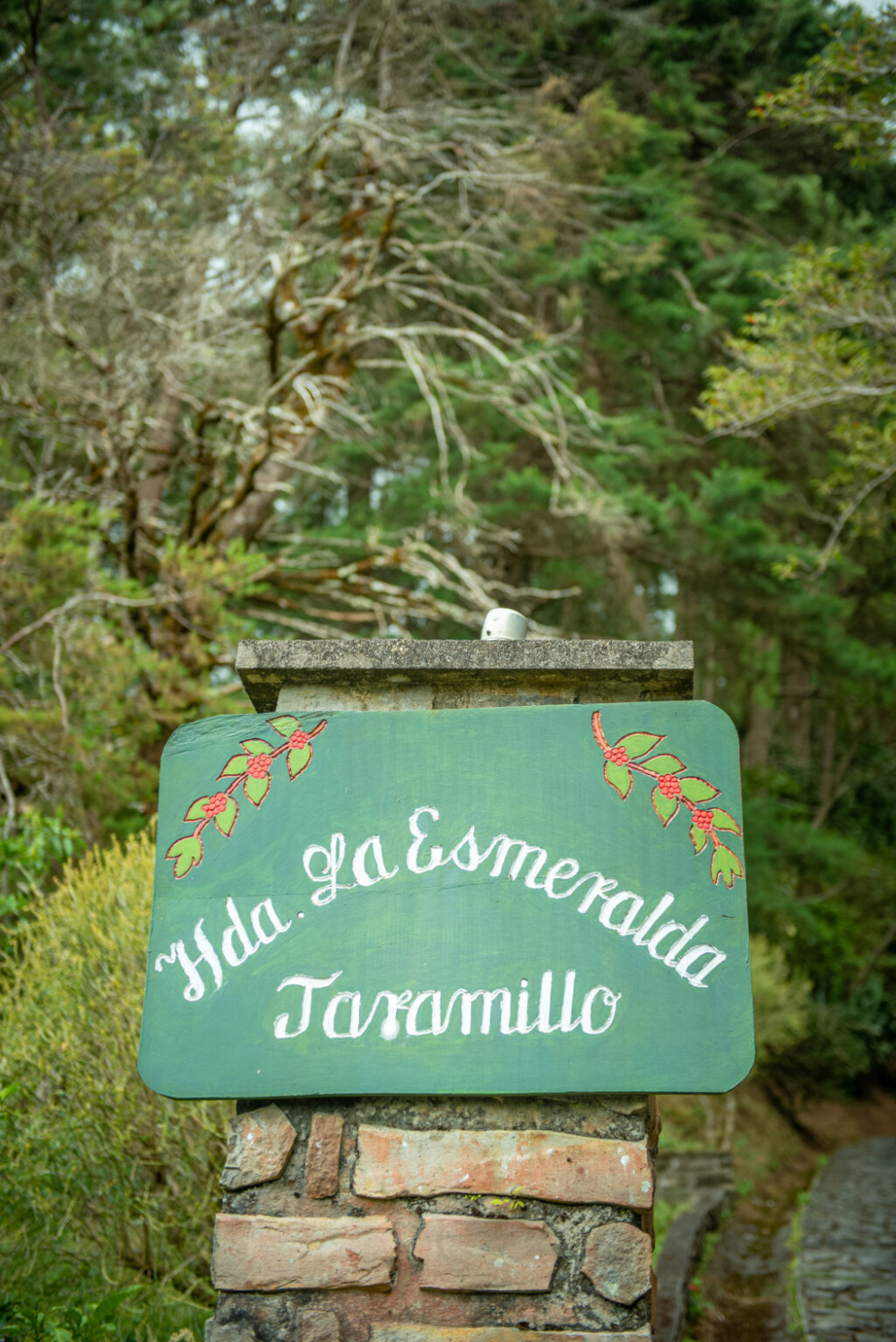
Hacienda La Esmeralda is the estate owned by the Peterson family mentioned earlier. After local testing, they found that Geisha grown above 1,400 meters had the best flavor, so they adopted a method of "altitude as the primary criterion, cupping as the secondary" to classify Geisha into three grades: Red Label, Green Label, and Blue Label.
Red Label has the highest quality and is divided into auction lot and non-auction lot beans, grown at altitudes between 1,600 and 1,800 meters, traceable to specific plot information, and possessing a refined Panamanian Geisha flavor. Among them, auction lots can only be purchased through the global auction.
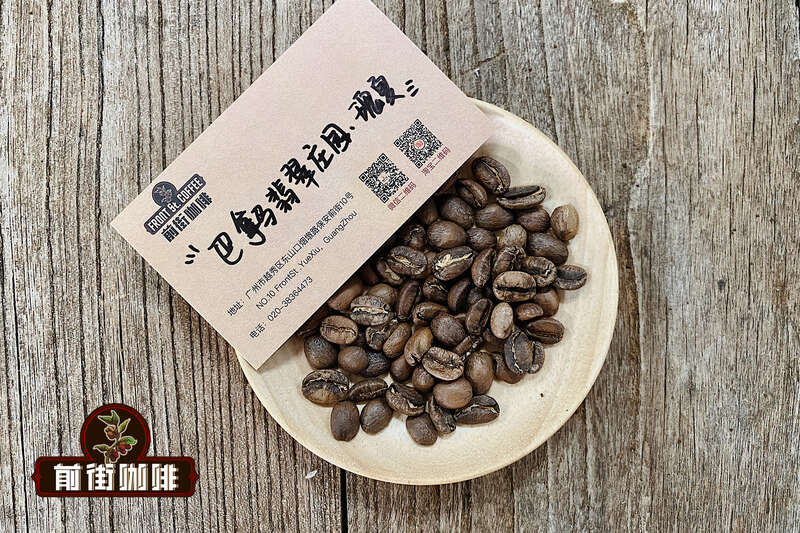
Front Street Coffee (FrontStreet Coffee): Panama Hacienda La Esmeralda · Red Label Geisha Coffee Beans
Region: Boquete
Estate: Hacienda La Esmeralda, Cañas Verdes
Altitude: 1,700+ meters
Variety: Geisha
Processing Method: Natural
Flavor: Lemon, Honey, Berries, Orange Peel, Mango, Cream
The Green Label grade does not trace specific plots and is relatively lower in price, but its altitude and quality are also close to Red Label, and it likewise has the classic Panamanian Geisha flavor.
Blue Label is also not auction lot beans, with a lower altitude of about 1,500 meters, and the most affordable price, though this grade has now been discontinued.
90+ is a globally renowned green coffee trader. As the name suggests, its green beans all score above 90 in cupping, and it possesses unique cultivation and processing techniques, strictly controlling coffee flavor. It cooperates with numerous coffee farmers and also owns its own coffee estates. For the Geisha variety, 90+ specially established the Ninety Plus Geisha Estate and named each Geisha with various innovative processing methods, making it highly competitive.
Ninety Plus
90+ was founded by Joseph Brodsky in Ethiopia in 2006, and its coffee, which debuted in 2007, amazed many coffee connoisseurs and left a lasting impression.
The presentation of top-tier flavor cannot be separated from meticulous handling at every stage. 90+ participates from the bean farmer's cultivation stage, and after harvesting, the green beans are separated one by one according to variety, climate, time, and other factors, with customized storage and processing methods tailored to each, thereby obtaining extremely high-quality coffee.
During his time in Ethiopia, Joseph Brodsky had always wanted to find a variety that could surpass Geisha, but never found one. Since it was impossible to surpass Geisha at the variety level, he decided to improve upon Geisha as a base to create the finest Geisha. And the experimental processing methods accumulated over several years in Ethiopia were precisely the direction 90+ excelled in. In 2009, Joseph Brodsky founded the 90+ Geisha Estate, Ninety Plus Gesha Estate, in Panama.
90+'s baristas give impressionistic names based on their first impression when encountering a work, such as Nekisse, and Juliette in this article—elegant and romantic. There are also names like Drima Zede and Danch Meng, which derive from local slang at the growing site or direct English translations.
Front Street Coffee (FrontStreet Coffee): Panama Ninety Plus 90+ Geisha · Eleta Coffee Beans
Country: Panama
Grade: SHG
Region: Volcán
Estate: Ninety Plus
Altitude: 1,400-1,800 meters
Processing Method: 90+ special processing method
Variety: Geisha
Flavor: Bergamot, Sweet Orange, Pineapple, Longan, Dried Fruit, Apple
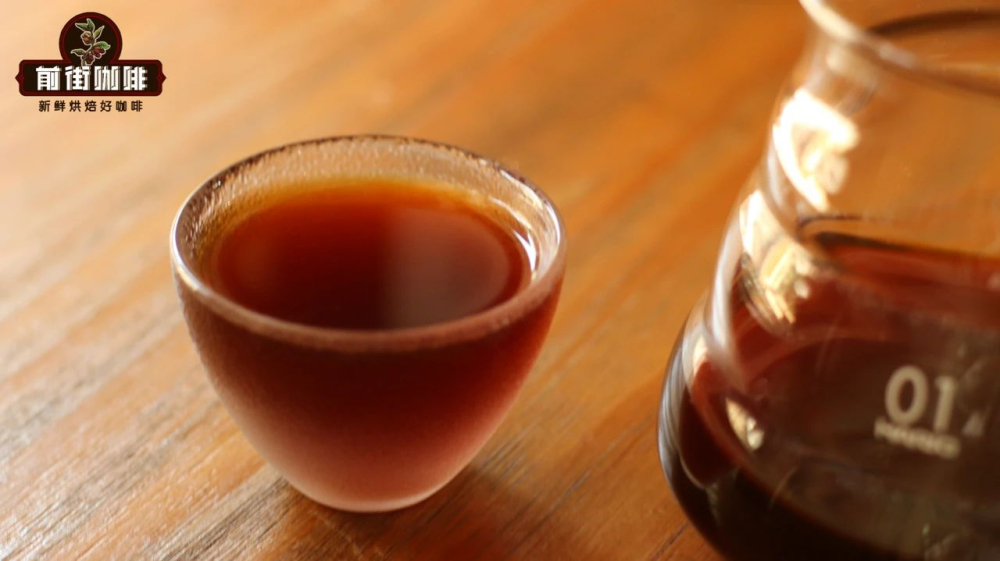
Considering that Hacienda La Esmeralda Geisha overall presents a light and bright fruit profile, Front Street uses a medium-light roast; while 90+ Geisha leans more toward fermented and caramelized flavors, so it is more suitable for a medium roast. In terms of aroma, Front Street's Esmeralda Red Label carries notes of white rose, honey, and mixed fruit candy, with an overall round and refreshing mouthfeel, almost no perceptible bitterness, like drinking a cup of fruit tea. Front Street's 90+ Eleta Geisha coffee beans, on the other hand, exhibit a rich fermented character, with flavors of grape, dried fruit, bergamot, longan, and a slight caramel aroma, leaving a lingering fragrance in the mouth after drinking.
The above content is compiled by CoffeeHunters, a coffee news website.


