







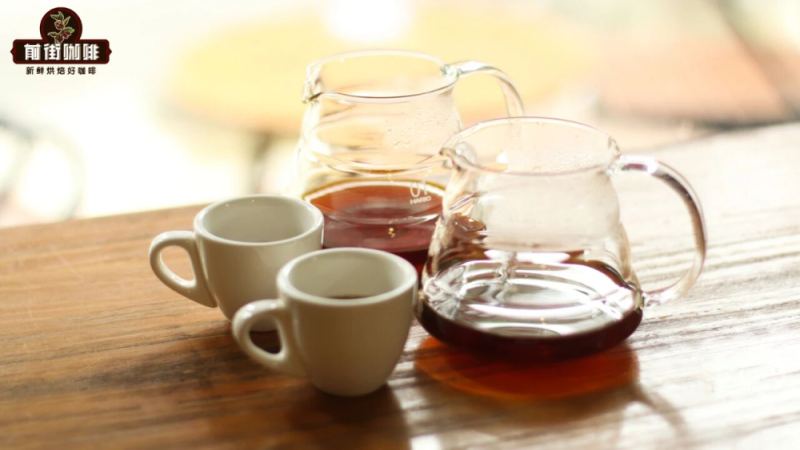
Why does coffee taste like wine or whiskey?
Coffee that tastes like red wine, champagne, or whiskey gets those notes from aroma molecules naturally present in the beans, not from added alcohol. Coffee shares many of the same volatile compounds found in wine and spirits, which is why a sip can bring a glass of merlot to mind. A regular cup with vinous notes contains no alcohol, so it does not affect the ability to drive.
How strongly these wine-like aromas appear depends on the whole chain from seed to cup: variety, origin, coffee processing, roast level, and extraction method. Among these, coffee processing has the largest influence, because fermentation builds fruity, vinous compounds in the bean. Cold brew, ice drip, and iced coffee tend to express these flavors clearly. One caution: some specialty coffees can actually contain alcohol, so check before driving.
In coffee flavor descriptions, wine, champagne, whiskey and other vinous terms are commonplace, and many consumers wonder: does coffee contain alcohol? Can you drive after drinking it? In fact, these vinous notes come from aroma molecules in the coffee itself, not from added alcohol. From the perspective of Front Street, this article systematically sorts out the sources of coffee's vinous aromas, focuses on analyzing the effects of processing method, roast level and extraction method on vinous aroma expression, and explains why cold brew, ice drip and iced brewed coffee can present fruity wine flavors. At the same time, readers are reminded to distinguish black coffee from specialty coffee, so as to avoid the risk of drunk driving caused by alcohol contained in specialty coffee.

"Red wine", "champagne", "whiskey"... in coffee flavor introduction columns, we can often see all kinds of alcohol. Many outstanding law-abiding citizens, after seeing them, will ask Front Street whether this coffee contains alcohol and whether they can drive after drinking it.
And after getting the affirmative answer that it contains no alcohol and that they can drive, most friends will immediately throw out the standard question, "Why does coffee have a vinous taste?" So today Front Street will share with everyone how the vinous taste in coffee actually appears~
The sources of coffee's vinous aroma
In an article shared by Front Street some time ago, it was mentioned that the various flavors we perceive in coffee mainly come from the aromas released by the coffee. For example, the reason we can perceive flavors such as strawberry and citrus from coffee is that coffee contains the same aroma molecules as strawberry and citrus. Although they are not complete, we can associate them with strawberry and citrus through these aroma molecules.
The same principle also applies to floral and vinous aromas such as jasmine, chamomile, red wine and whiskey, because coffee contains the same aroma components as them, which is why we can associate various floral and vinous aromas from coffee.
What makes coffee interesting is that we can taste different aromas from different coffees. Some coffees have obvious floral aromas, some have prominent fruity notes, and some carry fascinating vinous aromas. There are many factors that create the differences between them: variety, origin, processing, roasting, and then extraction method. That's right! Once again, it is the whole series of links from seed to cup.
For vinous aroma, the link with the greatest influence can be said to be coffee processing. Regardless of the processing method, coffee will undergo fermentation during processing. During fermentation, coffee produces aroma components such as esters and alcohols that are the same as those responsible for vinous aromas. The deeper the fermentation, the more likely the coffee is to develop vinous aromas, or the more obvious and intense the vinous aroma will be.
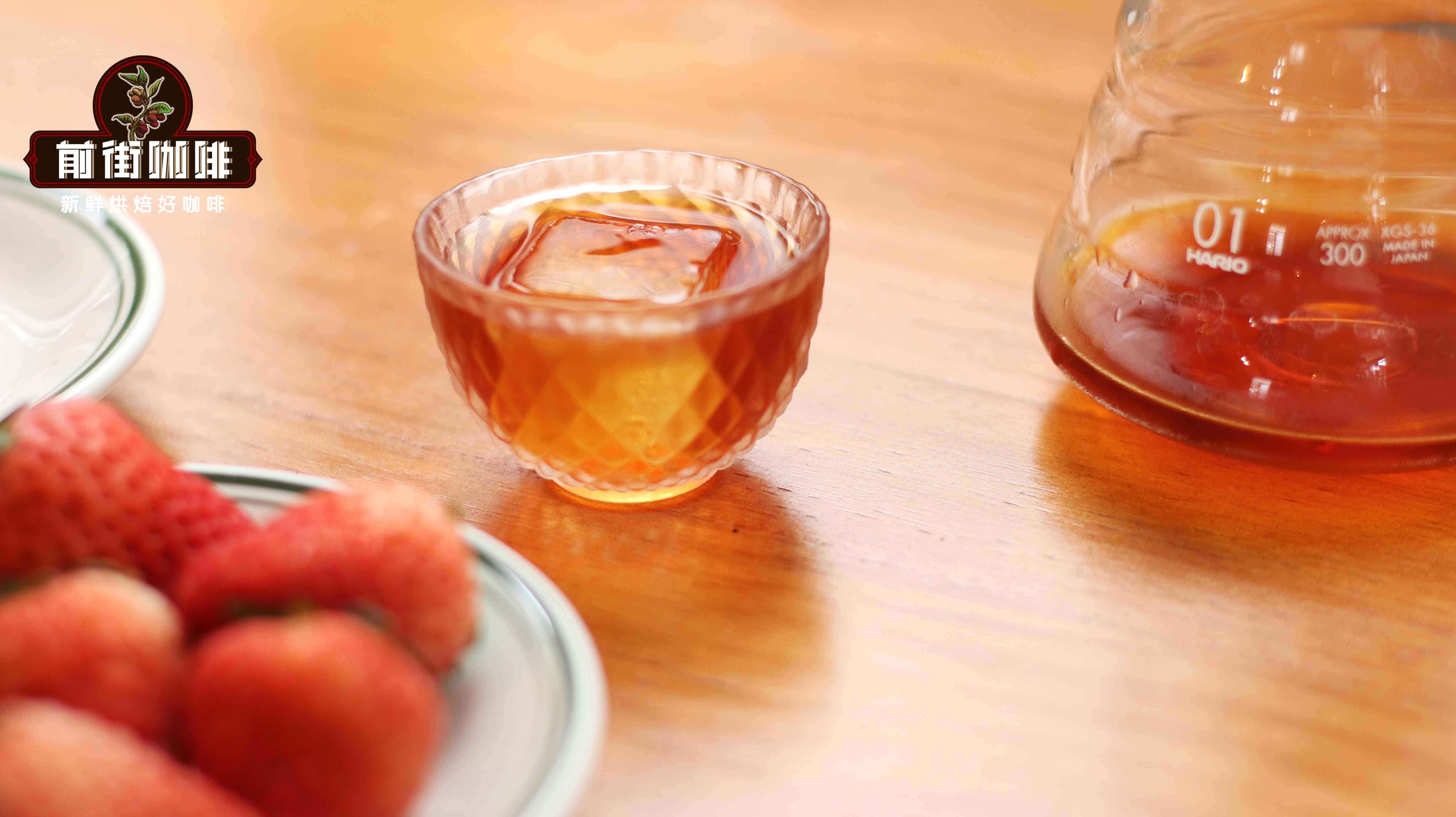
Friends with more coffee experience should have noticed that compared with washed coffee, it is easier to capture vinous aromas in naturally processed and anaerobically processed coffees. The reason is that natural and anaerobic processing cause the coffee to ferment for a longer time and more deeply, so coffee beans that undergo these processes are more likely to carry vinous aromas. For example, several beans on Front Street's bean list, such as Front Street Hamasho, Front Street Blackberry and Front Street Sidra, all use these processes and all carry a certain fruity wine aroma.
But not all naturally processed and anaerobically processed coffees will carry vinous aromas. This is because the processing techniques in different places, the coffee varieties used, and the growing environments of the coffee beans are all different, and they all affect the aromas produced after coffee processing and their corresponding concentrations. So this is why, even among natural coffees, some coffee beans carry obvious vinous aromas while others do not.
In addition to processing, the degree of roasting can also affect coffee's vinous aroma, except that roasting affects more the tonality of the vinous aroma. For example, for Front Street 90+ Estate·Juliette Geisha on Front Street's bean list, Front Street used different profiles before selling it to roast several different roast levels, in order to select the roast level most suitable for this bean.
Then through cupping it was found that the vinous aroma of the light-roasted 90+ Juliette Geisha is relatively fresh, with a lighter tonality similar to champagne; while the vinous aroma of the slightly darker roasted 90+ Juliette Geisha is heavier and closer to wine.
And even coffee beans that do not themselves carry obvious vinous flavor can, after a relatively special extraction method, produce coffee with an obvious vinous aroma! Cold brew is precisely the special extraction method that can add a vinous aroma to coffee.
Ice drip, cold brew, and other methods that use cold water for extraction are all called cold brew coffee. Friends who have tried them should find it easy to notice that this type of coffee carries a very intense vinous aroma. But this vinous aroma is not entirely inherent in the coffee beans themselves; more of it is fermented out during a relatively special step in the production process.
In the production process of cold brew coffee, in addition to extraction, there is also a period of refrigerated resting. After extraction is completed, the coffee cannot be drunk immediately, because at that time the coffee's taste is not yet complete! Only after a period of refrigerated resting can the coffee's flavor be perfected.
And this refrigerated resting stage is a fermentation process. Through this period, cold brew coffee transforms into richer aromas and flavors, including vinous aromas. So this is why cold brew coffee and ice drip coffee cannot be drunk immediately after extraction, because they still need refrigerated resting and fermentation to develop various flavors.
In summary, I believe everyone can now understand why coffee carries vinous aromas~ But what everyone needs to know is that what is referred to in Front Street's articles is black coffee with nothing added, and specialty coffee/custom blended coffee is not included. If you find vinous aromas in the description of specialty coffee/custom blended coffee, then it may really have alcohol added, so be sure to ask clearly before drinking to prevent the occurrence of drunk driving~~~
The above content is compiled by CoffeeHunters, a coffee news website.


