







Search Results for: 90 Legendary Coffee Beans
Ethiopia Guji Zone In-Depth Analysis: The Terroir Code of the Shakiso Micro-Region and the Traceability of 90+ Legendary Lots
Ethiopia, as the birthplace of coffee, has a regional division system like a precise pyramid, nested layer by layer from Region down to kebele. Southeast of Yirgacheffe lies a micro-region with an altitude exceeding 1,800 meters—Shakisso—where fertile black soil and significant day-night temperature differences nurture coffee flavors that astonish international specialty buyers. In 2010, Guji was made an independent region by the ECX, and Shakisso is the brightest star on this land. From the legendary 90+ bean Nekisse to Level Up's Flower Language, what terroir logic and processing techniques lie behind these repeatedly high-scoring coffees? Front Street Coffee will take you deep into Guji to uncover the unique charm and market value of Shakisso coffee. [more…]
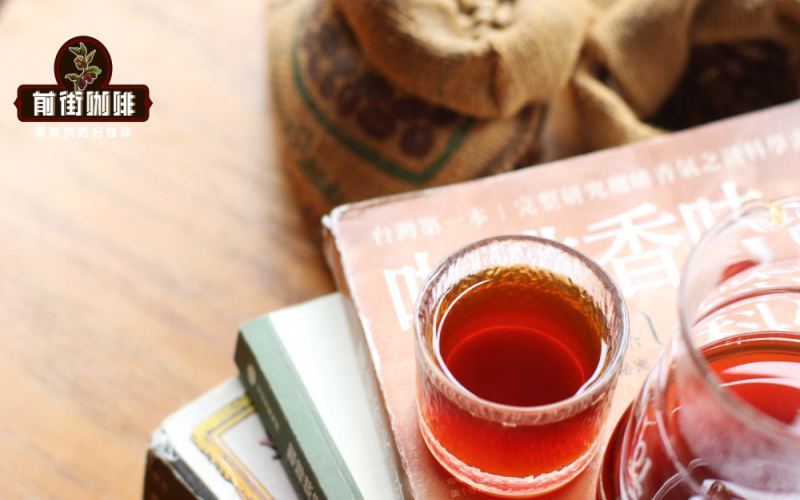
Starbucks Geisha Coffee Price Per Cup Explained: The Variety's Characteristics and Legendary History
Geisha coffee is often called the "Hermès" of the specialty coffee world, but its price is not necessarily out of reach. From entry-level everyday beans to competition-grade Red Label, the world of Geisha has rich layers and stories. This article will walk you through the price range of a cup of Geisha coffee, the price differences across different origins, trace the legendary journey of this variety from the forests of Ethiopia to Hacienda La Esmeralda in Panama, explain the Red Label, Green Label, and Blue Label grade classifications, and share the pour-over brewing method recommended by Front Street Coffee. Whether you are a beginner just getting to know Geisha or an enthusiast who wants to understand the variety's background in depth, you will find practical reference information here. [more…]
Reunion Island's Pointed Bourbon: The Rise and Fall of a Naturally Low-Caffeine Legendary Variety and Its Flavor Characteristics
Bourbon Pointu is one of the most legendary varieties in the coffee world, sharing fame with Geisha yet standing apart due to its naturally very low caffeine content and delicate flavor. It originated on Réunion Island (formerly known as Bourbon Island) and is a natural mutation of Bourbon coffee, with an elongated bean shape and sharp points at both ends. In the 18th century, it was favored by King Louis XV of France and the writer Balzac. Around 1800, annual production reached 4,000 metric tons, but it nearly disappeared due to hurricanes, fire ants, leaf rust, and other disasters. By 1942, only 200 kilograms remained and were shipped back to France, and it was widely considered extinct. It was not until 1999 to 2007, through joint efforts by France and Japan, that it was successfully revived. This article will review the cultivation history, flavor characteristics, and caffeine data of Bourbon Pointu, and include Front Street Coffee recommendations and V60 pour-over parameters. [more…]
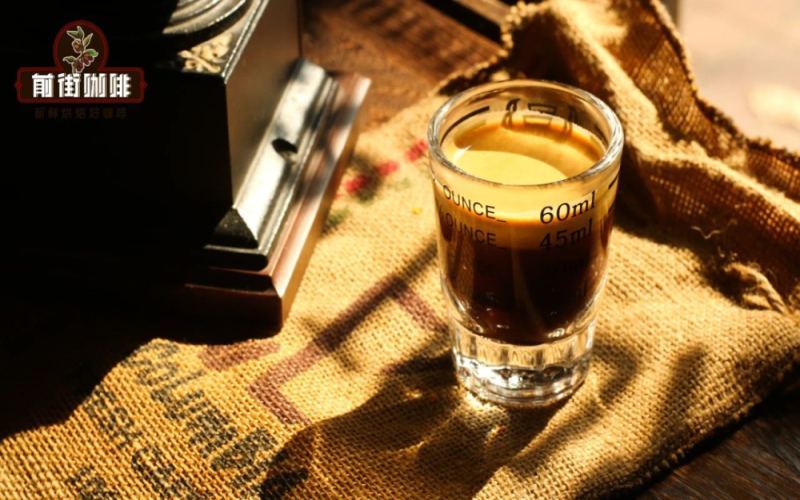
Naturally Low-Caffeine Pointed Bourbon: The Legendary Coffee from Near Extinction to World Champion
Decaf coffee usually relies on artificial processing to reduce caffeine, but in nature there actually exists a variety with naturally very low caffeine content—Laurina. Its caffeine content is only about 0.5%, its flavor is outstanding yet its yield is scarce. It was once all the rage in Europe in the 18th century, and was also once thought to be extinct. Later, through the search by Japanese UCC expert Yoshinori Kawashima, Laurina was rediscovered on Bourbon Island (Réunion) and revival cultivation began. At the 2018 World Brewers Cup, Swiss competitor Emi Fukahori even used Laurina from Brazil's Daterra estate to defeat many Geisha entries and win the championship. This article will take you through the history of Laurina, its varietal characteristics, as well as Front Street Coffee's brewing parameters and flavor performance. [more…]
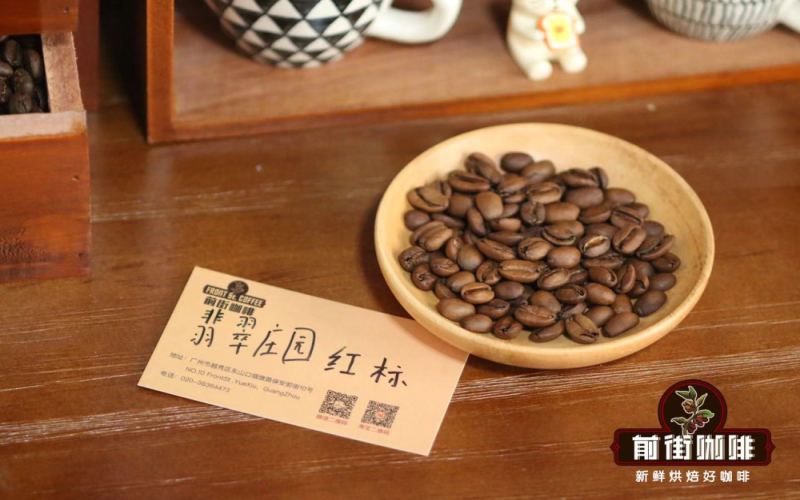
The Legendary Origins and Flavor Characteristics of Panama Geisha Coffee—From Ethiopia to a World Champion Specialty Bean
Geisha (Geisha/Gesha) is one of the most sought-after varieties in today's specialty coffee world, rising to fame in Panama in 2004. This ancient variety, originating from Ethiopia, traveled through Kenya, Tanzania, and Costa Rica, and finally blossomed in Panama's high-altitude environment with stunning floral aromas and citrus notes. This article will trace Geisha's spread, its terroir requirements, and the unique flavors it presents in cupping, giving you a look at the story behind this champion bean. Front Street Coffee will also recommend Geisha products worth trying. [more…]
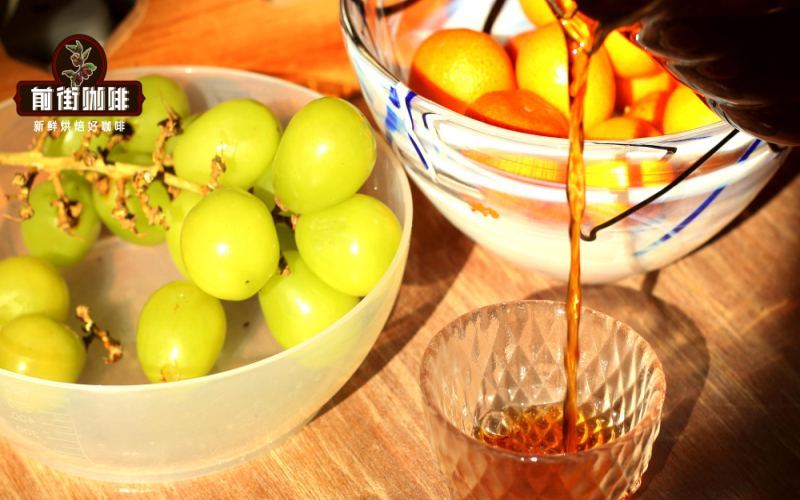
A Roundup of the World's Most Expensive Geisha Coffee Estates: The Sky-High Legends of Ruby, Esmeralda, and Sophia
Geisha coffee is hailed as the crown jewel of the specialty coffee world, and the Geisha produced by several legendary estates in Panama has pushed prices to astonishing heights. This article will guide you through the origins, auction prices, and flavor characteristics of the world's most expensive Geisha coffee, including the 90+ Ruby Vanguard that broke $1,000 per pound, the Hacienda La Esmeralda Red Label that is a perennial winner at the BOP auction, and Finca Sophia, which set a high-price record on its very first competition entry. At the same time, we will also introduce several Geisha products worth watching under the Front Street Coffee brand, from top-tier auction beans to everyday daily-drinker options, satisfying the needs of different enthusiasts. [more…]
The Geisha Legend of Panama's Volcan Region: A Comprehensive Analysis of 90+ Company's Juliet Coffee Beans
Panama coffee occupies a pivotal position in the international specialty coffee landscape, and the Geisha variety is the shining pearl within it. From European immigrants introducing coffee to Panama in the late 19th century, to Hacienda La Esmeralda's rise to fame at the BOP competition in 2005, the development of Panamanian coffee is full of legendary color. This article focuses on Volcán, one of Panama's three major producing regions, and provides an in-depth introduction to 90+ Company's Geisha estate there and its representative product—Juliette Geisha coffee beans. The article covers the impact of Panama's geography and climate on coffee cultivation, the unique terroir conditions of the Volcán region, the development history of 90+ Company and its Profile Processing system, as well as Front Street Coffee's brewing recommendations and flavor description for Juliette Geisha, offering coffee enthusiasts a detailed guide to origin and tasting. [more…]

A Comprehensive Analysis of 90+ Candle Light Coffee: Name Origin, Flavor Characteristics, and Brewing Parameters
The 90+ Candied Mango is a legendary coffee bean in the specialty coffee circle, from the American company Ninety Plus Coffee, produced in the Sidama region of Ethiopia. Front Street Coffee has carried this bean for many years and knows well its charming flavors of nectarine, mango, and cream. This article will start with the background of the 90+ brand, and go through the meaning of the name Candied Mango, the terroir of the producing region, the raised-bed sun-drying process, green bean characteristics, roasting suggestions, cupping report, and Front Street's brewing insights, presenting a complete profile of Candied Mango for coffee lovers. [more…]
A Detailed Explanation of Hacienda La Esmeralda Geisha Red, Green, and Blue Label Grades: From Auction Legend to Front Street Coffee Bean Selection Guide
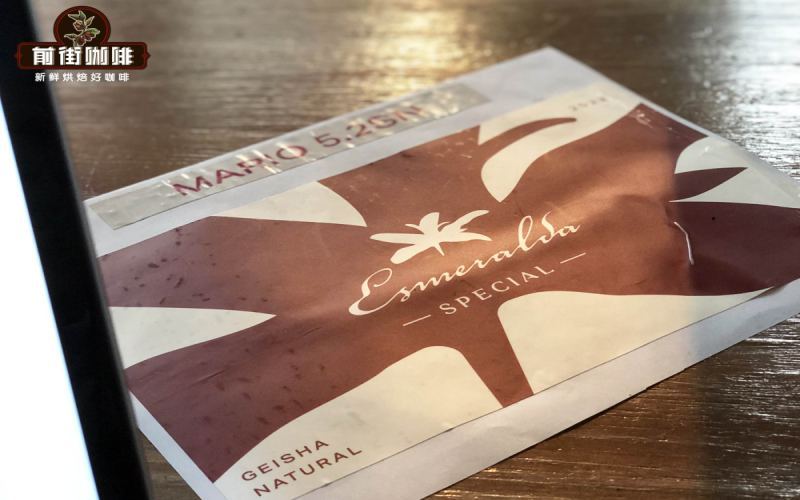
In the specialty coffee world, Geisha is almost synonymous with top-tier flavor, and Panama's Hacienda La Esmeralda is the driving force behind bringing this variety to legendary status. From its breakout performance at the 2004 BOP competition to repeatedly breaking auction price records, Hacienda La Esmeralda has defined the benchmark for Geisha with its unique terroir and processing techniques. This article will systematically sort out the history and differences between Hacienda La Esmeralda's Red Label, Green Label, and Blue Label, decode the flavor secrets of the three major plots—Jaramillo, Cañas Verdes, and El Velo—and share Front Street Coffee's brewing suggestions for Red Label and Green Label Geisha, helping coffee enthusiasts fully understand this legendary bean variety. [more…]
What Variety Are Geisha Coffee Beans? A Comprehensive Analysis of Flavor, Taste Characteristics, and Rise to Fame
Geisha is one of the most sought-after varieties in today's specialty coffee world. Starting from the primitive forests of Ethiopia, it traveled through many countries before taking root in Panama, and with its stunning flavors it has won numerous honors in cupping competitions. This article will take you through the origin and spread of Geisha coffee beans, the appearance characteristics of the green beans, the performance of the dry and wet aromas, and the layered changes in taste and flavor, while also explaining why it can exceed 90 points in the SCA scoring system. If you are full of curiosity about this legendary bean variety, why not join Front Street in exploring it in depth. [more…]
Panama Hartmann Estate Wine Process Coffee: Volcan Region Flavor, Catuai Variety, and Light-Medium Roast Analysis
The Volcán region of Panama has risen to prominence in the specialty coffee world in recent years, and Hacienda Hartmann is truly a pioneer of this land. As a century-old family estate, Hartmann is not only renowned for its shade-grown cultivation and bird-friendly practices, but also shoulders the management of well-known estates such as Hacienda La Mula. This article focuses on Front Street Panama Hartmann Estate Red Wine Process coffee, providing a complete analysis of this unique coffee—which combines red wine fermentation notes with tropical fruit flavors—covering the Volcán region's microclimate, the legendary history of the Hartmann family, the fermentation principles of the red wine process, the green bean characteristics of the Catuai variety, the light-medium roast profile design, and cupping and brewing performance. [more…]
The Rise of Geisha Coffee: From Ethiopia's Wild Forests to the Legendary Fame of Hacienda La Esmeralda
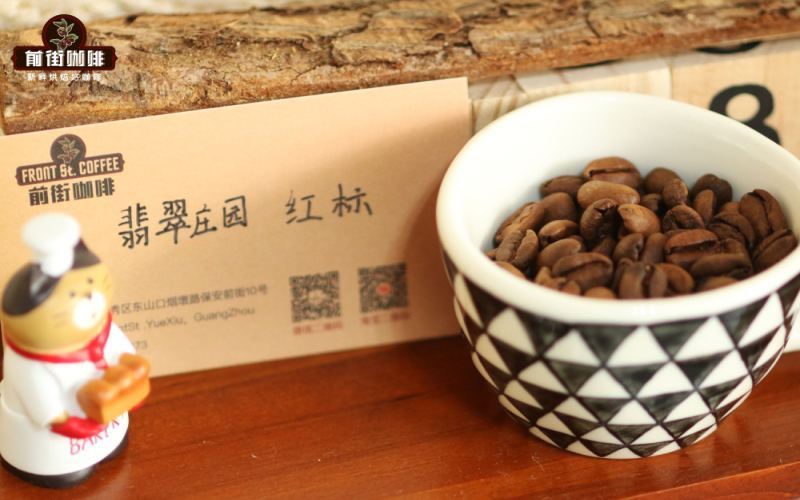
Geisha coffee is now a dazzling star in the specialty coffee world, and its signature floral aroma and complex fruity flavors fascinate countless coffee lovers. But few people know that this variety took more than seventy years from its discovery to truly making a name for itself. In this article, Front Street Coffee traces the origins of Geisha, from its collection in Ethiopia's Kaffa forests in 1931, to trial cultivation in Kenya, Costa Rica, and elsewhere, and then to its discovery and cultivation by the Peterson family at Hacienda La Esmeralda in Panama, laying out in detail the rise to fame of this legendary variety. The article also provides an in-depth introduction to the microclimate characteristics and lot division system of Hacienda La Esmeralda's three major plots, and includes the complete pour-over parameters and three-stage extraction steps for the Emerald Red Label Natural Geisha served at Front Street stores, for coffee lovers to refer to and put into practice. [more…]
The Peterson Family and the Rise of the Geisha Variety: An Analysis of Hacienda La Esmeralda's Red and Green Label Coffee Grading System
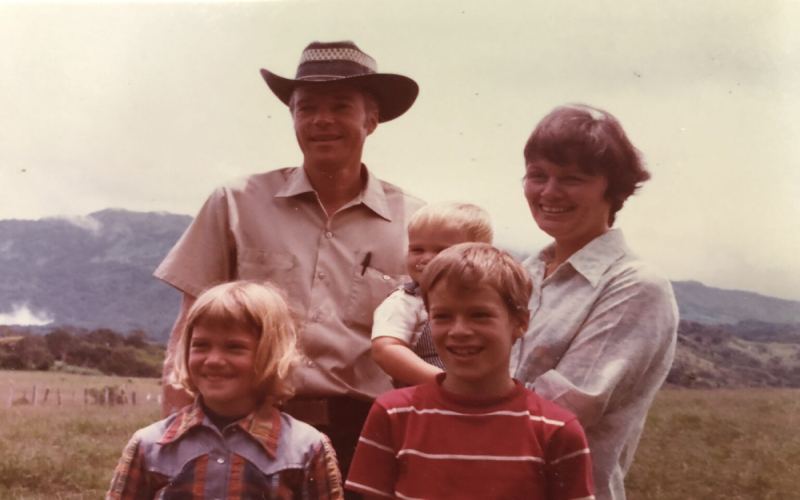
This article provides an in-depth look at the rise of Panama's Hacienda La Esmeralda and the discovery of the Geisha variety. In the 1960s, the Peterson family started out in the dairy business, and through variety introductions and plot expansion, they identified Geisha among the abandoned trees at Hacienda La Esmeralda, then won first place in the 2004 BOP auction. Around this legendary variety, the estate developed a strict Red Label and Green Label grading system: Red Label requires high altitude and a score of 90 or above and is auctioned independently, while Green Label consists of non-auction micro-lots that still retain the classic floral and fruity notes. Based on this, Front Street Coffee launched Red Label and Green Label Geisha beans, emphasizing fresh roasting within five days. The article also includes Front Street's pour-over recipe and tasting notes to help enthusiasts appreciate Geisha's layers. [more…]
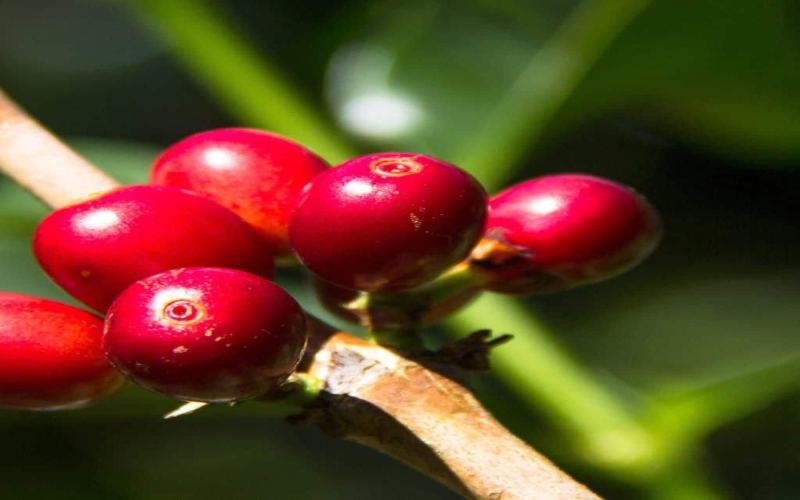
Complete Guide to Geisha Coffee Beans: From Origin and Spread to Taste Grades and Flavor Differences with Huakui
Geisha, hailed as the most legendary coffee variety of the 21st century, has become an undisputed star in the specialty coffee world thanks to its stunning cupping performance and ever-rising auction prices. But where exactly did Geisha come from? Is it the same bean as Huakui? How do you distinguish between the Red Label, Green Label, and Volcanic Rock lots from Panama's Hacienda La Esmeralda? How does the product line from Gesha Village in Ethiopia differ? This article, led by Front Street Coffee (FrontStreet Coffee), will systematically trace Geisha's rise to fame, its varietal characteristics, and its flavor expression across different producing regions, along with practical brewing suggestions to help coffee lovers gain a comprehensive understanding of this legendary variety. [more…]
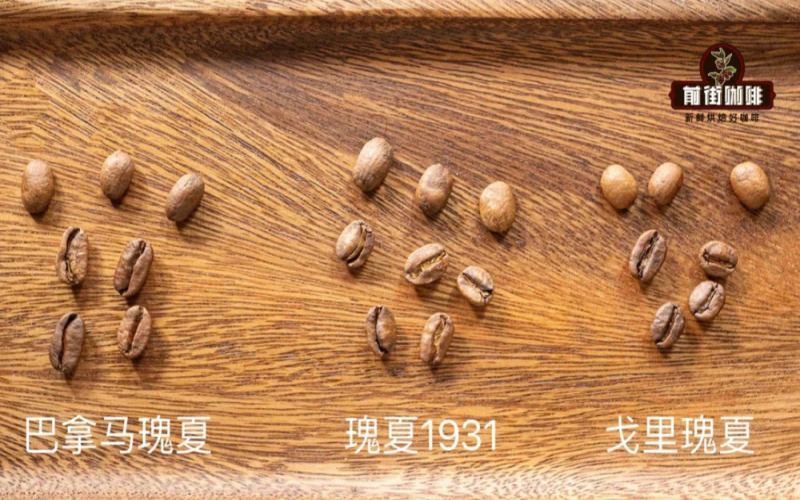
A Complete Guide to Panama Geisha Coffee: Variety Origins, Pour-Over Parameters, and a Practical Guide to Water Temperature and Coffee-to-Water Ratio
Geisha coffee is a legendary variety that the specialty coffee world cannot avoid. From the Kaffa forests of Ethiopia to the valleys of Boquete, Panama, it has conquered coffee lovers worldwide with its intense citrus aroma, jasmine fragrance, and bright fruity acidity. This article traces the discovery and spread of Geisha, explains the grading logic behind Hacienda La Esmeralda's Red, Green, and Blue labels, and introduces 90+'s innovative approach to processing Geisha. At the same time, Front Street Coffee will share pour-over tips for high-altitude hard beans, including water temperature, coffee-to-water ratio, grind size, and the three-pour rhythm, to help you brew Geisha's floral and fruity notes more consistently. [more…]
A Detailed Guide to Panama Hacienda La Esmeralda Geisha Grades: Red, Green, and Blue Tag Differences and the Brand's Legend
When it comes to Geisha coffee, Hacienda La Esmeralda in Panama is undoubtedly a name that cannot be avoided. This legendary estate divides its Geisha coffee beans into three grades: Red Label, Green Label, and Blue Label, each with clear differences in growing altitude, cupping score, processing method, and flavor performance. This article will take you through the legendary story of Geisha coffee from Ethiopia to Panama, analyze the unique grading system of Hacienda La Esmeralda, and compare in detail the flavor characteristics and purchasing suggestions of Red Label, Green Label, and Blue Label Geisha, helping coffee lovers gain a clearer understanding of this treasure among specialty coffees. [more…]
Panama Geisha Coffee Bean Variety Analysis: A Detailed Explanation of Hacienda La Esmeralda's Red, Green, and Blue Label Grades and Flavor Differences
Geisha coffee beans have long been regarded as the pinnacle of the specialty coffee world, and the Geisha produced by Panama's Hacienda La Esmeralda is the benchmark among them. This article provides a detailed overview of Hacienda La Esmeralda's history, the origin and spread of the Geisha variety, and the grading standards, altitude ranges, flavor characteristics, and market positioning of the three grades: Red Label, Green Label, and Blue Label. It also introduces Hacienda La Esmeralda's special status in the coffee auction world, helping coffee enthusiasts fully understand the grading system and flavor differences of this legendary variety. The article also includes a related share from the Front Street brand. [more…]
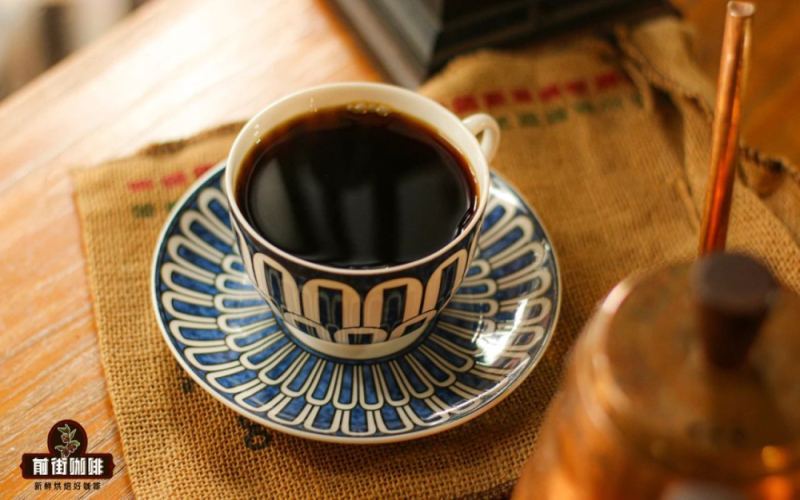
What is Laurina Pointed Bourbon Coffee? The Near-Extinction and Revival of a Naturally Low-Caffeine Variety, and a Flavor Analysis
In the coffee world, low caffeine often means artificial processing, but nature has given us an exception—Laurina, academically known as Coffea Laurina. Due to genetic degeneration, this variety naturally contains only 0.5% caffeine content and has outstanding flavor, yet it is rare and expensive because of its extremely low yield. It once swept across Europe in the 18th century, with even King Louis XV of France and the literary giant Balzac among its devotees, but it nearly became extinct due to disasters such as hurricanes and pests and diseases. It was not until Yoshiteru Kawashima of Ueshima Coffee in Japan spent years searching that this legendary variety was revived. This article will introduce the origin, extinction, and revival story of Laurina, as well as the brewing parameters and flavor performance tested by Front Street Coffee. [more…]
Luckin partners with Hidenori Izaki, Asia's first WBC champion, to drive the rise of a homegrown Chinese coffee brand.
From Nestlé and Starbucks to Luckin, the image of coffee in the minds of Chinese consumers has evolved from a "bitter black drink" to a daily beverage worth savoring, and the profession of barista has consequently garnered much attention. Among them, Japanese coffee master Hidenori Izaki is a legendary figure whom many Chinese people came to know through Luckin. He began making coffee at 16, became the first Asian champion of the WBC World Barista Championship at 24, and now collaborates deeply with the Chinese brand Luckin, dedicated to creating a national coffee brand for Chinese consumers. This article will review his coffee life, the journey of his connection with Luckin, and the changes in the Chinese coffee market through his eyes. [more…]
An Analysis of the Pointed Bourbon Coffee Variety: A Complete Guide to Its Naturally Low-Caffeine Traits, Historical Rise and Fall, and Flavor and Brewing
Bourbon Pointu is a natural coffee variety with extremely low caffeine content, academically known as Coffea Laurina. Its beans are slender and pointed at both ends, and due to genetic degeneration, its caffeine content is only about 0.5%, requiring no artificial decaffeination, yet it has low yields and outstanding flavor, earning it a reputation as a rare variety in the coffee world. It was once popular on Bourbon Island in the 18th and 19th centuries, then nearly went extinct due to disasters, and was later rediscovered and revived by Japanese Ueshima Coffee expert Yoshiaki Kawashima. At the 2018 World Brewers Cup, Swiss competitor Emi Fukahori won the championship using Bourbon Pointu from Brazil's Daterra estate, defeating Geisha and drawing attention once again. In this article, Front Street Coffee will provide a comprehensive interpretation of this legendary coffee, from its history and variety characteristics to brewing parameters and flavor. [more…]