








Where Did Panama Geisha Coffee Come From?
Geisha coffee traces back to Gesha Mountain in southwestern Ethiopia's Kaffa forest, at roughly 1,700 to 2,100 meters. It reached Panama's Boquete valleys, and after 2004 it was discovered, became popular, and won consecutive championships at Panama's national cupping competition through 2007. Its cup shows intense citrus aroma, jasmine fragrance, and bright fruit acidity.
Ethiopian records noted Geisha's disease resistance and use in crossbreeding, but said little about flavor, and its yield was poor, so it faded from record until rediscovery. Panama geisha coffee now includes Hacienda La Esmeralda's Red, Green, and Blue label grading. Pour-over of these high-altitude hard beans depends on water temperature, coffee-to-water ratio, grind size, and a three-pour rhythm.
Geisha (Gesha) coffee is a legendary variety that the specialty coffee world cannot avoid. From the Kaffa forests of Ethiopia to the valleys of Boquete in Panama, it has conquered coffee lovers worldwide with its intense citrus aroma, jasmine fragrance, and bright fruit acidity. This article traces the discovery and spread of Geisha, explains the grading logic of Hacienda La Esmeralda's Red, Green, and Blue labels, and introduces 90+'s innovative approaches to Geisha processing. At the same time, Front Street Coffee will share key pour-over points for high-altitude hard beans, including water temperature, coffee-to-water ratio, grind size, and the three-pour rhythm, to help you brew Geisha's floral aroma and fruit notes more consistently.
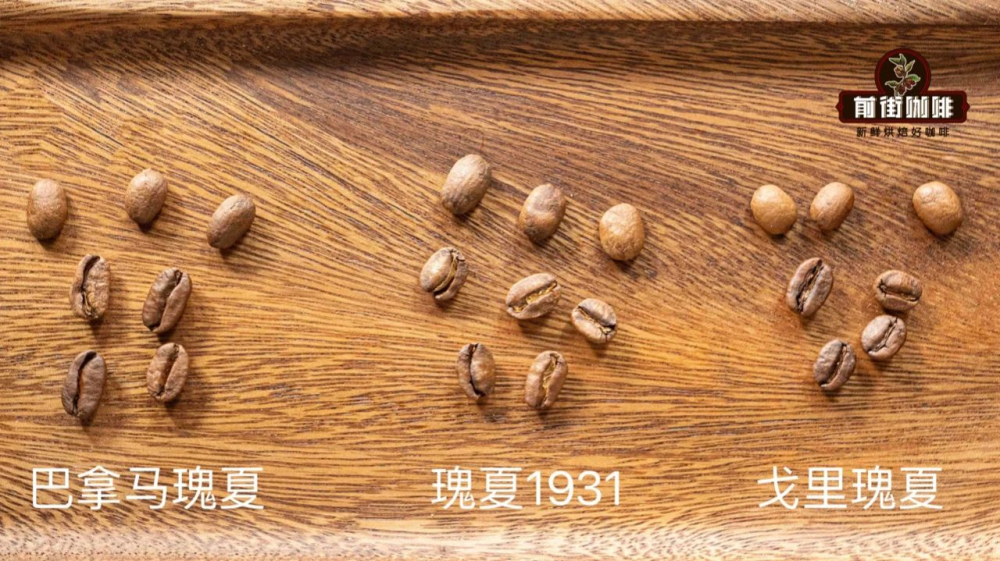
For more specialty coffee knowledge, please follow: Front Street Coffee (Frontsteet Coffee)
In recent years, Geisha coffee beans have become almost one of the most famous and most expensive varieties in the specialty coffee world. Friends familiar with specialty coffee mostly know that what Front Street refers to here as "Geisha" is actually the variety more commonly called Geisha in China. To discuss its origins, we must start with Panama's specialty coffee: before 2004, Panama's specialty coffee was not generally valued by the international coffee industry; but after 2004, "Geisha coffee" was discovered and quickly became popular, then went on to win consecutive championships at Panama's national treasure bean cupping competition, staying strong all the way to 2007.
Although Geisha became famous in Panama, expert identification shows that its varietal origin actually comes from Ethiopia's treasure trove of coffee genetics—the Kaffa forest, or more precisely, Gesha Mountain in southwestern Ethiopia, at an altitude of about 1,700–2,100 meters. What is puzzling is that since its quality is so excellent, why did Ethiopia not keep it, but instead let it go to Panama?
In Ethiopia's official records, there are actually mentions of Geisha. At the time, Geisha was found to have strong disease resistance and could be used to "crossbreed" with other coffee trees, thereby improving the disease resistance of other coffee trees; however, the records did not describe its flavor much, and its yield was also unsatisfactory, so for a long time it completely disappeared from the record until it was later rediscovered by the world. For this reason, some people speculate whether the change in Geisha's flavor is related to Panama's terroir and environment? However, this point has not yet been conclusively determined.
Geisha coffee beans were actually discovered at Hacienda La Esmeralda? No—they were discovered at Hacienda Jaramillo. But before discussing this estate, we must first mention its founder, the Peterson family. The estate owned by the Peterson family is actually the now well-known "Hacienda La Esmeralda." In 1996, the Peterson family took a liking to Hacienda Jaramillo's mountain-and-water environment and coffee quality, so they bought the entire estate!
The coffee from Hacienda Jaramillo tasted very unlike Panamanian coffee, carrying a faint orange aroma and floral-fruity notes, but the Peterson family had never been sure which coffee tree variety brought this flavor. So they cupped the coffee trees on the estate one by one, and only then discovered that the coffee trees the previous owner had used as windbreaks were actually that batch of coffee trees with a unique flavor. So they immediately separated the coffee from that area and entered it in the 2004 cupping competition. Sure enough, it caused a sensation and introduced Geisha coffee to everyone!
Because Geisha coffee's varietal flavor is loved by many people, with intense citrus aroma, jasmine fragrance, almond and mango, and honeyed floral sweetness, and with bright and changeable fruit acidity, major coffee-producing countries rushed to cultivate it.
But even for the same coffee variety, flavor can differ greatly under different coffee-growing environments!
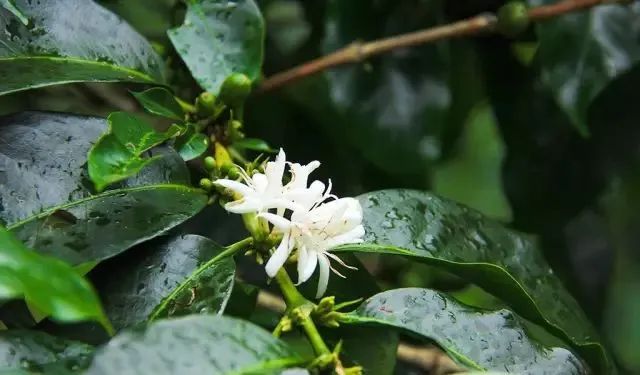
Each region's unique climate, growing altitude, humidity, sunshine duration, soil, grower, and even the entire post-harvest processing of the coffee fruit can seriously affect coffee flavor! For example, Geisha from Panama, Colombia, Ethiopia, and other places all have noticeably different coffee flavors.
To make it easier for more coffee lovers to understand Geisha coffee, two indicators are proposed to give most people a direction: Hacienda La Esmeralda and 90+ (Ninety Plus).
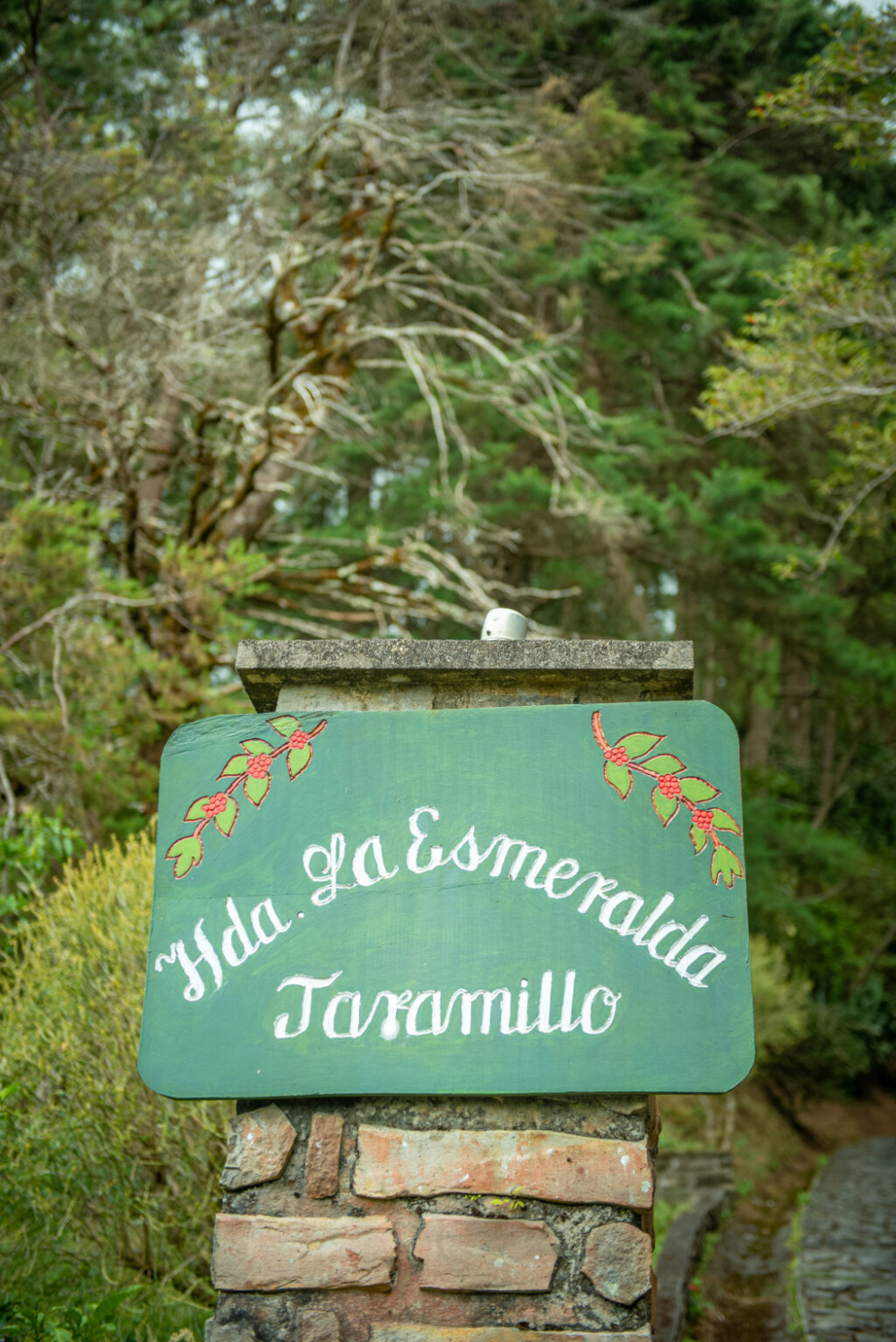
Hacienda La Esmeralda is the estate initially owned by the Peterson family mentioned earlier. After testing locally, they found that Geisha coffee above 1,400 meters in altitude had the best flavor, so they used an approach of "altitude as the main criterion, cupping as supplementary" to distinguish Red Label, Green Label, and Blue Label Geisha coffee beans.
Red Label has the best quality and is divided into auction beans and non-auction beans. It is grown at an altitude of 1,600–1,800 meters, can be traced back to specific plot information, and has a refined Panamanian Geisha flavor. Among these, auction lots can only be purchased through the global auction.
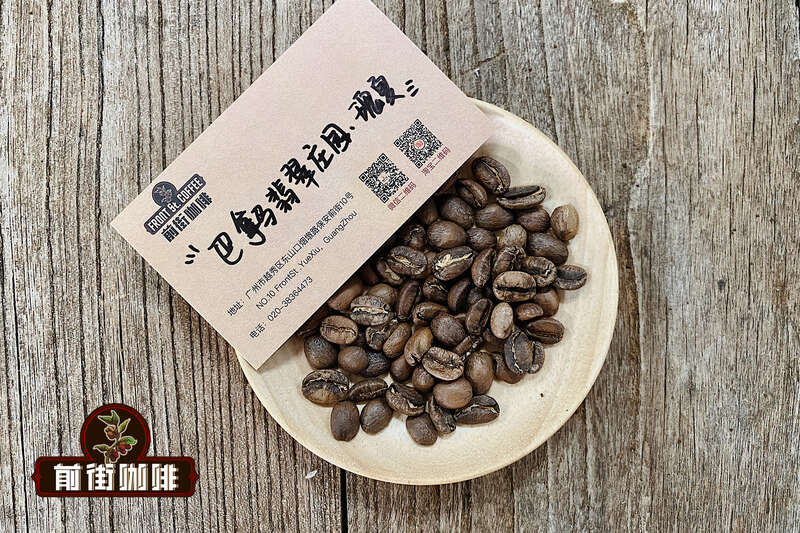
Front Street Coffee (FrontStreet Coffee): Panama Hacienda La Esmeralda · Red Label Geisha Coffee Beans
Region: Boquete
Estate: Hacienda La Esmeralda, Cañas Verdes
Altitude: 1,700+ meters
Variety: Geisha
Processing Method: Natural
Flavor: Lemon, Honey, Berries, Orange Peel, Mango, Cream
The Green Label grade does not trace detailed plots, and its price is relatively lower, but its altitude and quality are also close to Red Label, with a classic Panamanian Geisha flavor.
Blue Label is also not auction coffee, and its altitude is a bit lower, around 1,500 meters. Its price is the most affordable, but this grade has now been discontinued.
90+ is a globally renowned green coffee trader. As the name suggests, their green beans all score above 90 in cupping, and they possess unique cultivation and processing techniques, strictly controlling coffee flavor. They cooperate with many coffee farmers and also own their own coffee estates. For the Geisha variety in particular, they specially established Ninety Plus Geisha Estate, and they also use various different innovative processing methods to name each Geisha coffee, making them highly competitive!
Ninety Plus
Ninety Plus was founded in Ethiopia in 2006 by Joseph Brodsky. It amazed many coffee connoisseurs with the coffee it debuted in 2007, leaving an endless aftertaste.
The top-tier flavor that can astonish people cannot be separated from careful handling in every step. They participate directly when farmers plant the beans, and after harvest the green beans are separated one by one according to variety, climate, time, and so on, with storage and processing methods tailored specifically to each bean, thereby obtaining extremely high-quality coffee.
During his time in Ethiopia, Joseph Brodsky wanted to find a variety that could surpass Geisha but could not. Since he could not surpass Geisha in terms of variety, he would improve on the basis of Geisha and create the highest-quality Geisha. The experimental processing methods accumulated over several years in Ethiopia were exactly where 90+ excelled. In 2009, Joseph Brodsky founded the 90+ Geisha estate, Ninety Plus Gesha Estate, in Panama.
Ninety Plus's baristas give their works names based on the first impression they get from them, such as Nekisse, and our Juliette: elegant, romantic. Others, such as Drima Zede and Danch Meng, come from local sayings at the growing site or direct English translations.
Front Street Coffee (FrontStreet Coffee): Panama Ninety Plus 90+ Geisha · Eleta Coffee Beans
Country: Panama
Grade: SHG
Region: Volcán
Estate: Ninety Plus
Altitude: 1,400–1,800 meters
Processing Method: 90+ special processing method
Variety: Geisha
Flavor: Bergamot, Sweet Orange, Pineapple, Longan, Dried Fruit, Apple
Because Front Street takes into account that different Geisha lots are grown in different environments, the roaster will make corresponding adjustments according to the characteristics of the coffee beans, but the main roasting direction is to highlight Geisha's floral aroma and fruit acidity, using a medium-light roast.
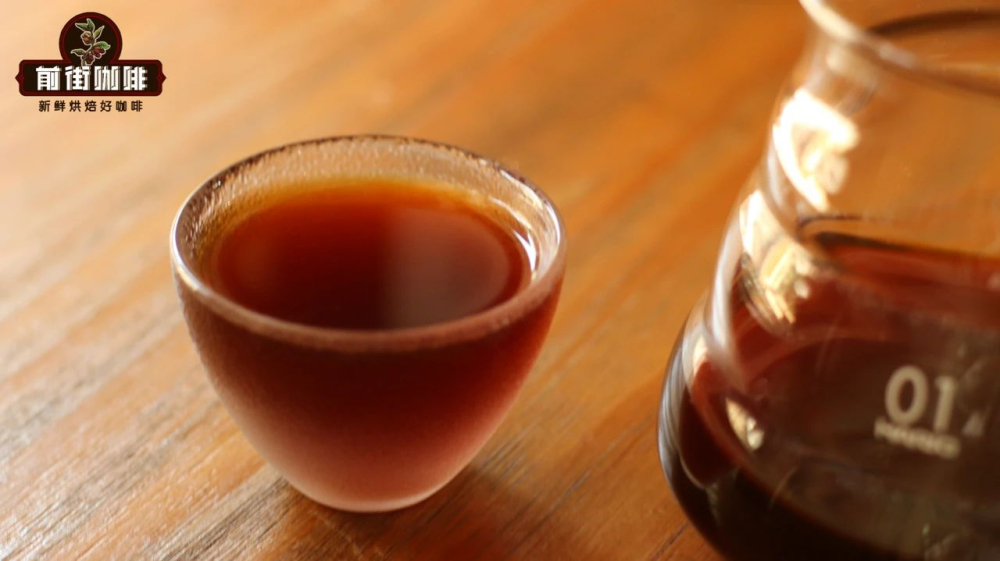
Generally, when brewing high-altitude hard beans whose flavor tends toward prominent acidity, Front Street recommends using a higher water temperature of 92–93°C so that more aromatic substances are extracted.
The pour-over parameters for Red Label Geisha coffee are: dripper: V60, water temperature: 91–92°C, coffee dose: 15 g, coffee-to-water ratio: 1:16, grind size: fine granulated sugar (80% passing a No. 20 sieve)
Three-stage extraction: First pour 15 grams of coffee powder into the dripper and tare the weight. For the first stage, pour 30 g of water to bloom for 30 seconds, and start timing at the same time. Throughout, pour with a small stream from the center point and begin spiraling outward, making sure to wet the entire coffee bed.
For the second stage, begin pouring with a slightly larger stream to add 120 g of water, with the aim of raising the entire coffee bed. The water stream should be poured vertically and evenly. At this point the scale shows 150 g, and the pour is finished in about 55 seconds.
When the liquid level drops to halfway, begin using a small stream to pour the third stage of 90 grams in small circles, trying to control the stream so it does not spiral too widely, as this can easily disturb the coffee bed and cause under-extraction. The final total poured water is 240 grams, and the drip finish time is about 2 minutes 10 seconds. After removing the dripper, swirl the coffee liquid in the server to mix it evenly, and it is ready to taste.
The pour-over Gesha Village Red Label Gori Geisha tastes of tropical fruit, bergamot, and lemon, with creamy sweetness mixed with fermented notes. As the temperature cools slightly, the jasmine fragrance gradually unfolds.
The above content is compiled by CoffeeHunters, a coffee news website.


