







What makes Panama Geisha coffee so distinctive?
Panama Geisha is an Arabica variety, Coffea arabica var. Geisha, that became famous after winning in Panama in 2004. Bred from Ethiopian stock, it shows floral and citrus notes when grown at high altitude. Before that win it was rare, grown quietly in Costa Rica and Panama and used in blends, and early plantings at low altitude performed poorly.
The route is documented. A British envoy collected cherries near Geisha, Ethiopia, around 1931; seeds reached Kenya's Kitale station in 1932, then Uganda and Tanzania by 1936, and Costa Rica's CATIE center in the mid-1950s. Don Pachi Serracin brought Geisha to Panama in 1963. Auction demand and higher prices have since expanded cultivation, so the variety is more common today than in its obscure decades.
Geisha (also written as Gesha) is one of the most sought-after varieties in today's specialty coffee world, rising to fame in Panama in 2004. This ancient variety originating from Ethiopia traveled through Kenya, Tanzania, and Costa Rica, ultimately blossoming in Panama's high-altitude environment with stunning floral and citrus notes. This article will trace Geisha's journey of dissemination, its terroir requirements, and the unique flavors it presents in cupping, taking you behind the story of this champion bean. Front Street Coffee will also recommend Geisha products worth trying.
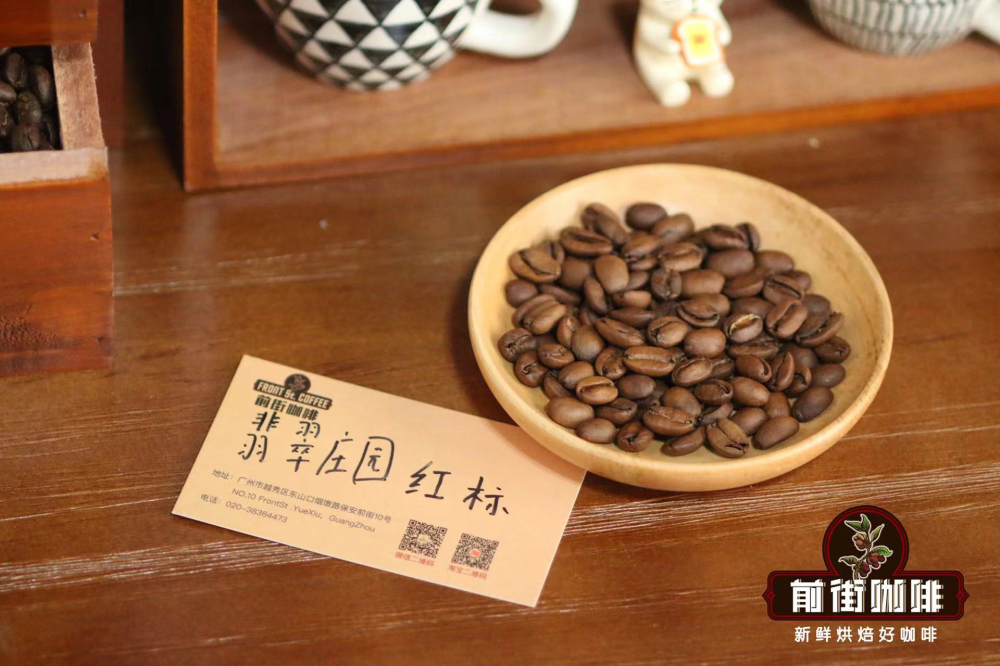
Panama Geisha Coffee Beans
As a variety under the Arabica species, Geisha (Coffea arabica var. Geisha) has won numerous coffee tasting competition awards in recent years and has also generated intense demand in the auction market.
Geisha (often written as Gesha) was once an extremely rare variety, rediscovered in Panama in 2004. Although high prices have driven increased cultivation, it is becoming increasingly common today.
The origins of this variety lie in Ethiopia, the birthplace of coffee. It is said that in 1931, the British ambassador to Ethiopia collected a batch of coffee cherries (likely from different coffee trees) around a town called Geisha in southwestern Ethiopia for his research work. In 1932, these seeds were sent to the Kitale research station in Kenya under the name Abyssinia or Geisha. In 1936, seedlings from these seeds were sent as experimental materials to the Kwanda station in Uganda and the Lyamungu station in Tanzania. However, it was not until the mid-1950s that these Geisha seeds traveled from Tanzania across the ocean to the CATIE center in Costa Rica, where they were first planted in Central America.
However, Geisha's early introduction to Central America did not go smoothly—not only was its yield low, but its flavor performance was also lackluster. Although Don Pachi Serracin brought the first batch of Geisha seeds from Costa Rica to Panama in 1963, it is said that due to poor cupping quality, the initial trial planting results were disappointing—and the reason was obvious: it was planted at low altitudes. Even so, this variety quietly grew for decades, occasionally appearing in fields in Costa Rica and Panama, usually used in blends, yet never attracting real attention.
It was not until 2004 that Geisha won the recognition it deserved in the specialty coffee world. At that year's Best of Panama competition, an estate entered their Geisha samples. The outstanding flavor performance immediately caused a sensation, not only winning the championship by an overwhelming margin but also earning high praise from the judges present.
Since then, Geisha has been recognized as one of the most complex, most flavorful, and most coveted of all coffee varieties. Today it is widely cultivated in Panama and Costa Rica. Although it has demanding growing requirements, in order to present elegant aromas, it is usually planted at altitudes above 1,500 meters, leveraging unique climatic conditions to showcase its distinctive flavors.
Although Geisha's productivity is relatively low, it has a certain resistance to coffee leaf rust and the fungus "Ojo de Gallo." These characteristics, combined with high market prices, make it increasingly attractive to many farmers in Latin America.
The most remarkable aspect of the Geisha variety is that its flavor is completely different from most Latin American coffees: unlike the chocolatey, rich, and slightly acidic qualities often presented by premium Panamanian coffees, Geisha has a more delicate mouthfeel and richer floral notes. Geisha coffee trees are known for their unique characteristics, delivering diverse fruit and elegant flavors on the palate, with a soft body reminiscent of honey and citrus, providing excellent aromatic performance for the entire cup.
In cupping, Geisha coffee exhibits soft yet intense floral and jasmine-like notes, with a unique and delicate acidity—balanced and bright, featuring flavors of slightly sparkling white wine as well as berries, mango, papaya, and orange. The long finish and aftertaste provide a distinctive bergamot character.
Front Street Coffee suggests that to experience Geisha's classic flavors, you can choose Geisha beans from Panama's Hacienda La Esmeralda or Costa Rican growing regions, with a light-to-medium roast being most suitable. During brewing, control the water temperature at 90-92°C to better present its floral and citrus notes.
The above content is compiled by CoffeeHunters, a coffee news website.


