







Search Results for: 7-level sweetness
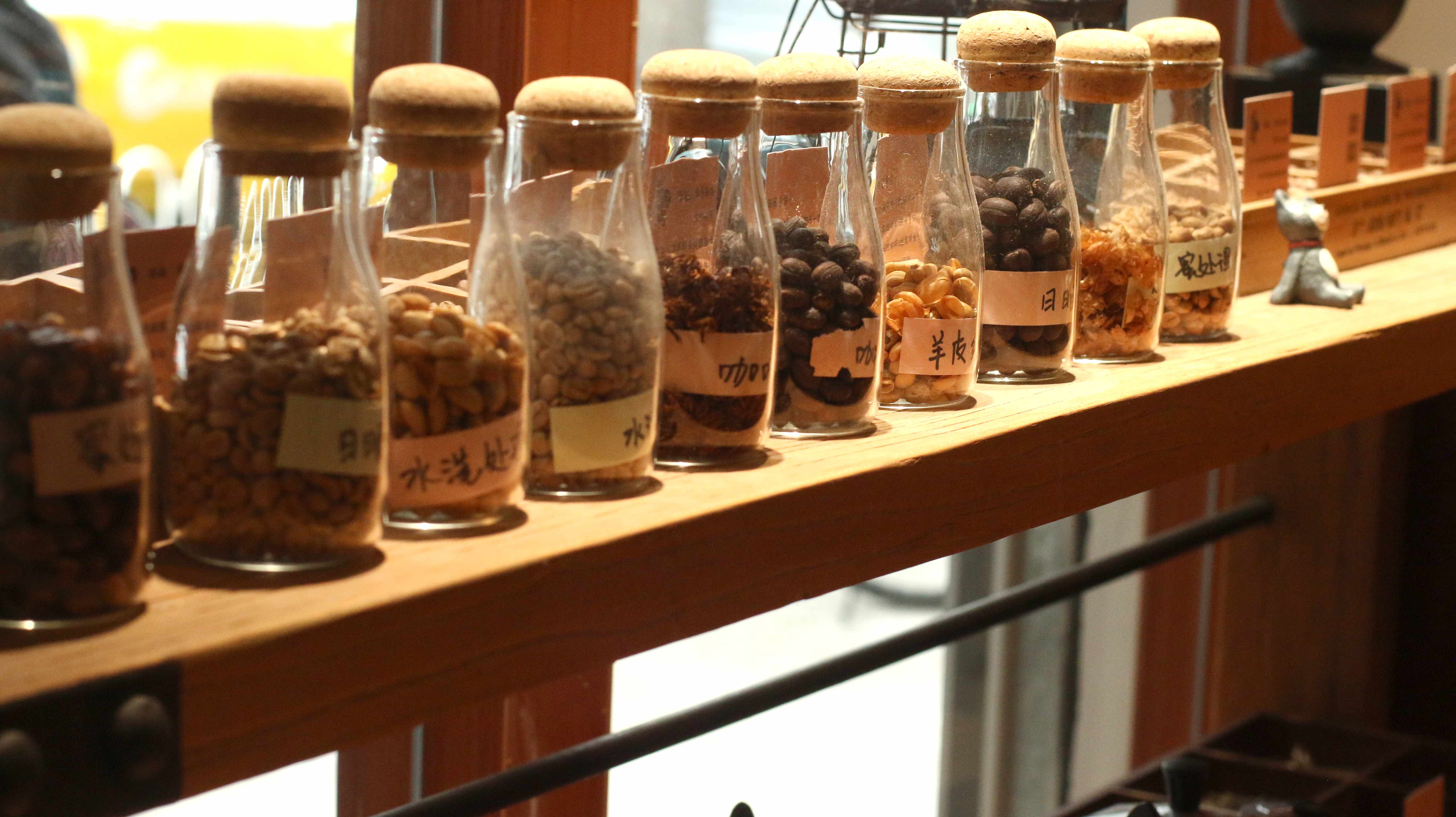
The True Meaning of Coffee Sweetness: From Taste to Smell, Decoding How Extracted Compounds Influence Sweetness Perception
Have you ever walked into a café, ordered a cup of coffee that's "a little sweeter," only to be handed a dark, bitter liquid while the barista insists it has high sweetness? The "sweetness" of coffee actually has two dimensions: objective sweetness intensity and subjective perceived sweetness. Sweetness intensity depends on variety, processing method, and roast profile, while perceived sweetness is closely tied to extraction technique and sensory sensitivity. This article breaks down the sources of coffee sweetness one by one—from taste balance and the sweet aftertaste that follows bitterness, to the "illusion of sweetness" created by retronasal olfaction—and recommends several Front Street Coffee beans with prominent sweetness to help you truly understand what baristas mean by "sweet." [more…]

Why can unsweetened black coffee taste sweet? Analyzing the factors that influence coffee sweetness and perceived sweetness
Many people, upon first hearing a barista say "this coffee is very sweet," will look utterly confused: there's clearly no sugar added, so where does the sweetness come from? In fact, when coffee people talk about "sweetness," they mean two dimensions—sweetness level and sweet perception. Sweetness level depends on variety, cultivation, processing method, and roast degree, while sweet perception is a comprehensive experience produced by aroma and taste working together. During roasting, a large amount of coffee's sugars have already been broken down and transformed, and the sweetness we perceive often needs to be amplified through aroma associations and taste contrasts. This article will break down, one by one, the factors affecting coffee's sweet expression, and offer practical suggestions for training yourself to capture sweet perception. [more…]
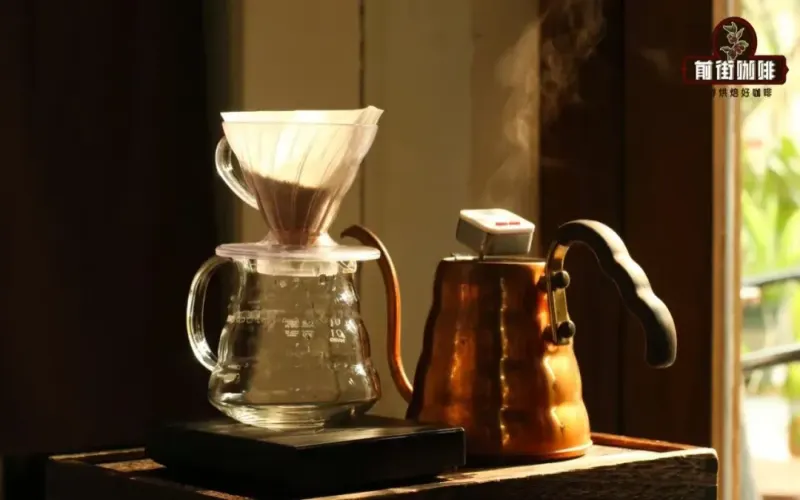
Where Does Coffee Sweetness Come From? How to Brew Sweetness Out of Black Coffee and Recommendations for High-Sweetness, Non-Bitter Beans
Many people are puzzled when they first encounter coffee: why can unsweetened black coffee be described as "sweet"? In fact, the sweetness of coffee is not sugar directly captured by the taste buds, but a comprehensive sensory experience that combines taste contrast with olfactory associations. From the perspective of Front Street, this article first explains the sources of coffee sweetness—the transformation of green bean sugars during roasting, the sweet aftertaste brought by sour and bitter stimulation, and the sweet associations triggered by aroma; then it offers practical advice, including how to choose high-sweetness coffee beans, how to highlight sweetness during brewing, and techniques such as extending the time coffee stays in the mouth during tasting, holding the breath, and capturing retronasal olfactory notes. The article also recommends beans such as Front Street Strawberry Candy, Front Street Xizhua, and Front Street Mozart to help you more easily taste the sweetness in coffee. [more…]

Analyzing the Relationship Between Arabica Coffee Sweetness and Roast Level: Describing the Sweetness of Pour-Over Black Coffee and the Sweet, Sour, and Bitter Performance of Medium Roasts
Is coffee actually bitter, sour, or sweet? With the same pot of coffee, different people often taste completely different things. This article starts from the causes of sweetness in coffee cherries and sorts out how variety, altitude, processing method, and roast level affect the retention and transformation of sugars in coffee beans. It focuses on explaining why medium and medium-light roasts are more likely to present flavors in a sweet direction, and recommends specific beans such as Front Street Strawberry Candy, Front Street Blackberry, and Front Street Mozart. It also explains the difference between sweetness and the perception of sweetness, analyzes the "sweet aftertaste" of bitter coffee, the sweet-sour balance of sour coffee, and how orthonasal and retronasal olfaction participate in judging sweetness, helping coffee lovers describe the sweetness of hand-brewed black coffee more accurately. [more…]

Starbucks' Toffee Roasted Sweet Potato Tea Latte Sparks Discussion: No Sweet Potato in the Recipe, Consumers' Expectations Dashed
In the cold winter season, Starbucks launched a drink called "Toffee Roasted Sweet Potato Flavored Tea Latte," which sparked a rush among many roasted sweet potato lovers to check in. However, many consumers found after drinking it that this tea latte contained neither sweet potato chunks, nor sweet potato powder or sweet potato flavored syrup; the so-called "roasted sweet potato flavor" was only a similar sweet aroma blended from oat milk, black tea, and toffee syrup. Some even pointed out that the drink was not a new product, but a repackaged version of a secret menu item from last year. With Starbucks collaborating with Xiaohongshu, perhaps "Little Sweet Potato" is the real "sweet potato" element in this drink. This article will sort out the truth about the drink's recipe and consumer reactions for you. [more…]
Where Does Coffee Sweetness Come From: How Variety, Processing, and Roast Extraction Together Shape the Sweetness of Pour-Over Black Coffee
Is coffee actually sweet? This question has long been debated among coffee enthusiasts. When different people drink the same pot of coffee, some find it sweet as honey, while others taste only bitterness. In fact, the sweetness of coffee is not determined by a single factor; it begins with the variety of the coffee fruit, the growing altitude, and the ripeness at harvest, then undergoes transformation through processing and roasting, and is finally perceived during brewing, extraction, and tasting. This article will systematically sort out the material basis of coffee sweetness, the sensory mechanisms, and how to regulate the balance of acidity, sweetness, and bitterness through brewing, to help you more clearly understand and capture that pleasant sweetness in pour-over black coffee. [more…]

Analysis of the Causes of Sweet Aftertaste in Black Coffee and Recommendations for Pour-Over Beans with Prominent Sweet Aftertaste
When drinking black coffee, many people experience a sweet aftertaste that rises in the mouth after swallowing—this is huigan (returning sweetness). Huigan differs from direct sweetness; it is often built on the fading of bitterness and is brought out by the sweetness presented by aromatic compounds. Starting from the definition of huigan, this article analyzes its causes, explains the difference between huigan and the sweetness felt after drinking water, and finally recommends pour-over coffee beans with excellent huigan performance, including product information from the Front Street Coffee brand, to help coffee lovers more accurately understand the finish and huigan. [more…]
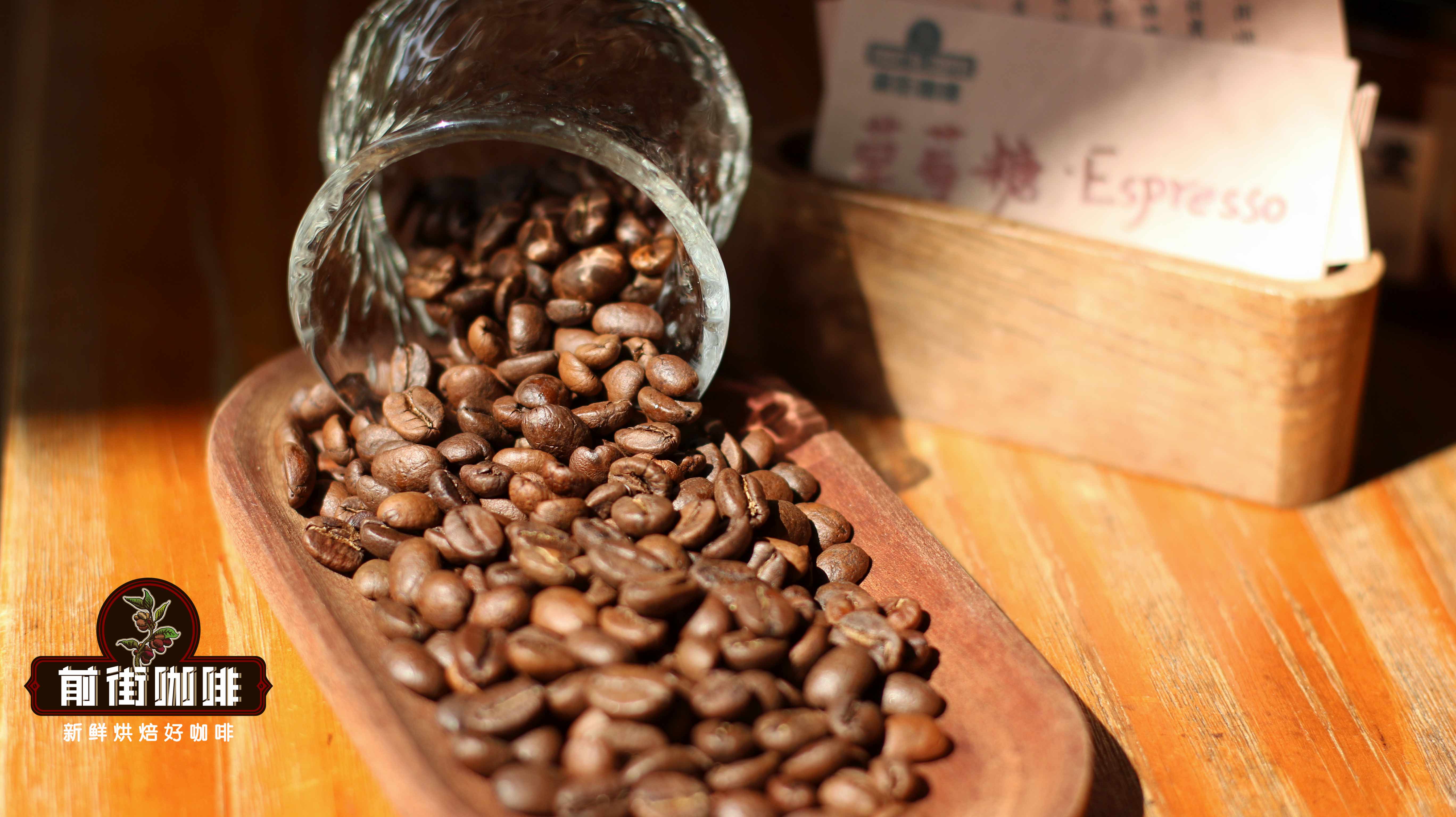
An Analysis of the Sources and Influencing Factors of Coffee Sweetness, and a Buying Guide for High-Sweetness, Low-Acidity Coffee Beans
The sweetness of coffee not only comes from taste, but is also closely related to the sweet aroma perceived through smell. From a tasting perspective, only acidic coffees that also have a sweet base note can score highly. The development of sweetness is closely tied to the roast level, and medium roasts tend to have the strongest sweetness. Ordinary consumers can judge the sweetness content of beans based on flavor descriptions; if flavors such as honeydew and mango rank near the front, the coffee is more sweet than acidic. This article explains in detail the sources of coffee sweetness, the impact of the three extraction stages on sweetness, and recommends several Front Street high-sweetness, low-acidity single-origin coffees. Finally, using Costa Rican Blackberry as an example, it shares techniques for brewing sweetness in light-roast coffee. [more…]
Barista Tasting Primer: Where Does the Sweetness in Black Coffee Come From? Practical Pour-Over Tips for Strawberry Candy
Many friends who are just getting into coffee have this question: coffee has no sugar added, so why do some people say it's sweet? In fact, the sweetness of coffee is not sugar directly picked up by the taste buds, but a combined sensory experience formed by taste, smell, and association working together. From the perspective of Front Street, this article systematically explains the sources of coffee sweetness—including the transformation of sugars in green beans during roasting, the sweet aftertaste effect brought by the contrast between acidity and bitterness, and how retronasal olfaction leads us to associate sweetness with certain foods through aroma. At the same time, the article also shares practical tips in three areas—bean selection, brewing, and tasting—to help you perceive sweetness more clearly in black coffee, and includes extraction suggestions for beans such as Front Street Strawberry Candy. [more…]
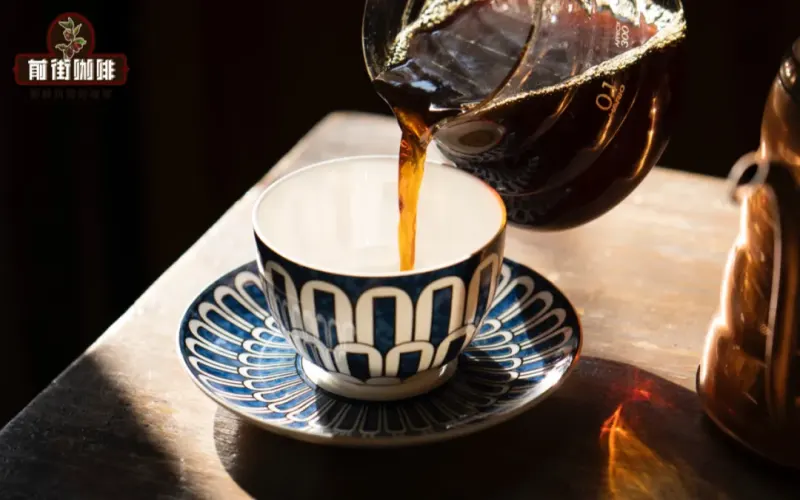
Pour-over coffee sweet without sugar? From roasting and processing methods to tasting associations, breaking down the sources of coffee sweetness and the key brewing points
Many people still associate pour-over coffee with a burnt, bitter taste, but a high-quality black coffee can indeed present sweetness. Sweetness is not an illusion—coffee beans themselves contain sweet compounds, and it is closely tied to variety quality, processing method, and roast level. Natural (dry) processing is usually sweeter than washed, and slow drying can further amplify that sweetness; acidic coffees tend to highlight fruit-like sweetness, while bitter-leaning coffees bring a bittersweet quality through caramelization. In addition, our sense of smell can create a "smells sweet" experience through association. The following sections explain, from the perspectives of flavor mechanisms and brewing/tasting, how to brew coffee so it is sweeter and tastier. [more…]
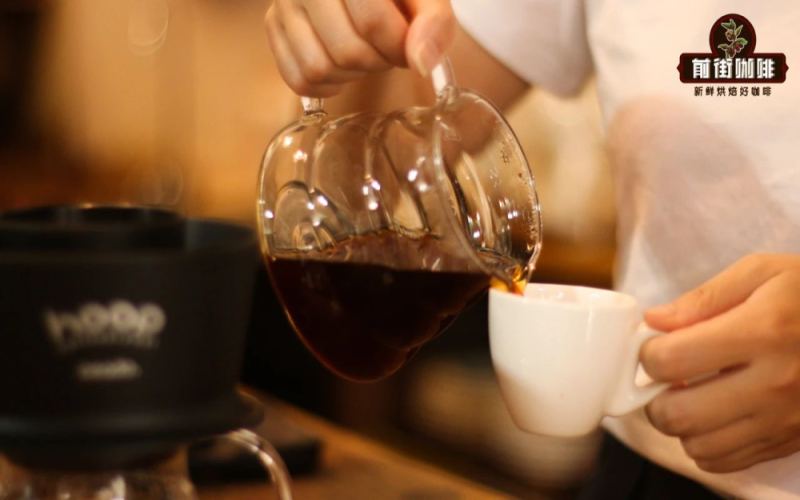
Which coffees are neither sour nor bitter on entry yet leave a long, lingering sweet finish? A curated selection of coffee beans with a standout sweet aftertaste
Many people use "sweet aftertaste" to describe the pleasant mouthfeel of a good cup of coffee, but how exactly does sweet aftertaste differ from sweetness? The aroma, flavor, and mouthfeel that linger in the mouth after swallowing are what we call the finish, and sweet aftertaste is precisely a bitter-then-sweet taste bud experience within that finish. The degree of roast has a significant impact on sweet aftertaste: lightly roasted beans are bright and acidic yet have a short finish, while dark roasted beans are rich and full-bodied with a more lasting sweet aftertaste. This article will guide you through understanding the relationship between sweet aftertaste and the finish, and recommend four coffees with pronounced sweet aftertaste—Front Street PWN Golden Mandheling, Front Street Brazil Queen's Manor, Front Street PNG Bird of Paradise, and Front Street Jamaica Blue Mountain No. 1—analyzing their flavor layers and sources of sweetness one by one. [more…]

A Guide to Brewing Dark Roast Coffee for Sweet Aftertaste: Grind, Water Temperature, and Technique for Jamaica Blue Mountain No. 1
Brewing a cup of dark roast coffee with pronounced sweet aftertaste is no simple task—many enthusiasts run into problems of excessive bitterness or insufficient sweetness. Drawing on Front Street's brewing experience, this article first breaks down how sweet aftertaste forms: sweetness only gradually emerges after bitterness fades, so the coffee itself must contain enough sugars and sweet-aroma compounds. Then, using the excellent-quality Front Street Jamaica Blue Mountain No. 1 coffee as an example, it shares a complete brewing recipe: 15g of grounds, a 1:14 coffee-to-water ratio, 89°C water temperature, an Ek43 grind setting of 10.5, and a Kono dripper, using a three-pour method with a slower flow to extend extraction, ultimately presenting black chocolate and nutty aromas, with the finish turning into a maple-syrup-cream-like sweetness. [more…]
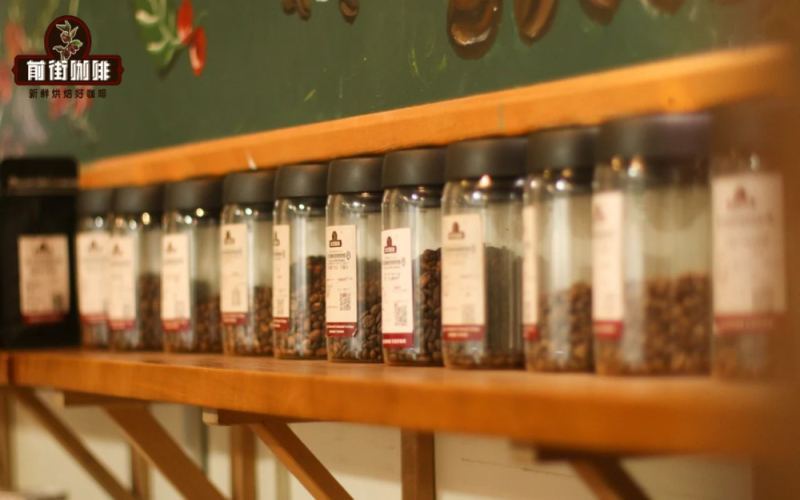
Unlocking the High-Sweetness Profile of Specialty Coffee: Key Factors Affecting Sweetness and Body in Arabica
In the world of specialty coffee, more and more people are starting to appreciate acidity, but what truly fascinates is the balanced flavor of sweetness within the acidity. Where do coffee's sweetness and body come from? How does roasting affect sweetness? And when brewing, how can you highlight the sweetness and suppress the bitterness? This article will guide you through the sources and influencing factors of coffee's sweetness, and using Front Street Coffee's Shiraz natural beans as an example, provide a detailed analysis of how to brew a cup of specialty coffee that is high in sweetness, low in acidity, and full-bodied through parameter adjustments and staged pouring techniques. Whether you are a beginner or a seasoned enthusiast, you will gain practical tips from it. [more…]
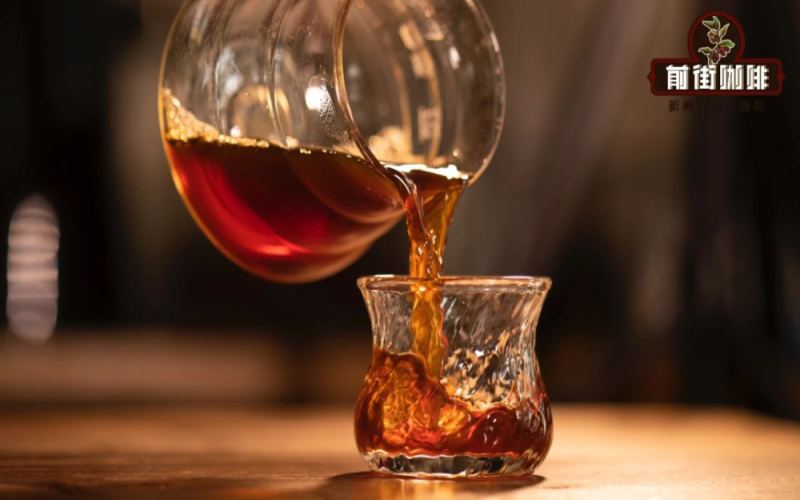
Which pour-over coffees have prominent sweetness? Flavor analysis of five beans including Yirgacheffe and Huakui
Coffee tastes are as varied as people themselves—some prefer mellow bitterness, some love fruity acidity, and others are captivated by that natural sweetness. Can you really taste sweetness in black coffee? The answer is yes. Coffee beans naturally contain sucrose-like substances, and with the right combination of fermentation processing and roast level, sweetness can emerge in two directions: the sweet note within acidity, and the sweet aftertaste that follows bitterness. This article will walk you through the sources of coffee sweetness and recommend five pour-over beans with outstanding sweetness—from Front Street Yirgacheffe Natural Red Cherry to Mozart and Queen's Estate Yellow Bourbon—analyzing each one's flavor characteristics and roasting approach, helping you find that cup of good coffee that is sweet enough without adding sugar. [more…]
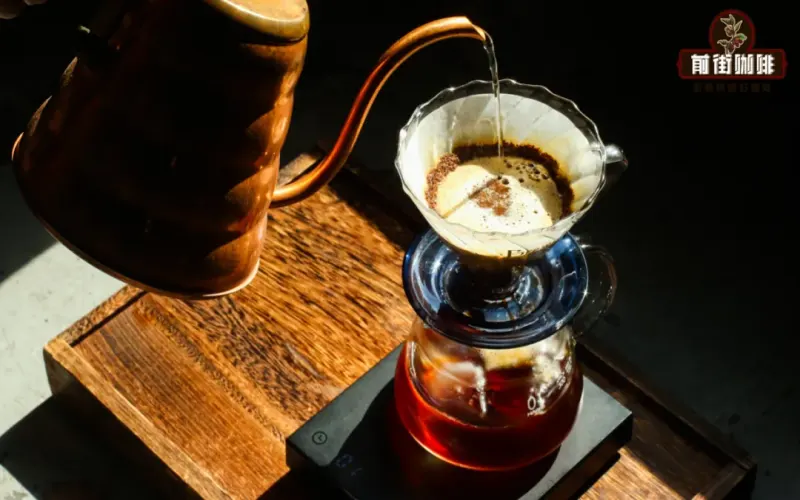
Analysis of Causes for Insufficient Sweetness in Pour-Over Coffee and Brewing Adjustment Ideas to Enhance Sweetness
Many people hope to bring out a more pronounced sweetness when brewing coffee, because sweetness often delivers a more enjoyable drinking experience. But the sweetness in coffee does not exist on its own—it is closely tied to the balance between acidity and bitterness, and is also significantly affected by the roast level and the extraction process. Starting from the logic behind how coffee sweetness forms, this article combines the sweetness characteristics at different stages—light, medium, and dark roast—to sort out the release rhythm of sweet, sour, and bitter compounds in pour-over coffee. It also addresses the two common scenarios of over-extraction and under-extraction, offering specific adjustment methods for water temperature, grind size, coffee-to-water ratio, and staged pouring, to help you more effectively enhance the sweetness of your coffee in everyday brewing. [more…]
High-Sweetness, Low-Acidity Single-Origin Pour-Over Beans | What Factors Affect Coffee Sweetness? 4 Recommended Specialty Pour-Over Beans with Pronounced Sweetness and Rich Fruity Aromas
When we say coffee is sweet, besides referring to the sweetness on the palate, we are actually also referring to the sweet aroma on the nose. So from a tasting perspective, only an acidic coffee with a sweet, fragrant base can be considered a high-scoring flavor experience, and to make coffee appropriately sweet and sour, roasting plays a key role. From the moment a coffee bean begins to be heated as green beans until [more…]
Want a pour-over coffee that's strikingly sweet with gentle acidity? The sweetness sources in light-roasted Arabica beans and brewing tips
Many coffee enthusiasts hope that pour-over coffee can present a style full of sweetness and soft acidity, rather than being simply sharp and sour. So where does the sweetness in coffee actually come from? How does the degree of roasting affect the ratio of sweetness to acidity? In everyday brewing, what techniques should be used to amplify sweetness and suppress astringency? Starting from the laws of flavor development, this article will sort out the relationship between roasting and flavor description, and use a sun-dried bean as an example to break down in detail the complete approach to expressing a high-sweetness, low-acidity taste through parameters such as coffee-to-water ratio, water temperature, and staged pouring. [more…]
Not a Fan of Sour or Bitter: Sweet Pour-Over Bean Recommendations to Truly Understand "Sweetness"
In the flavor spectrum of coffee, "sweetness" is the most easily overlooked segment. Many people waver between acidity and bitterness, yet fail to realize that in specialty coffee there is an entire route centered on sweetness—smooth, easy to drink, and appealing to all ages. This article explains sweet-tasting beans all at once. Where does coffee's sweetness come from? Coffee's sweetness mainly comes from roasting. [more…]
How to Unlock Sweetness in Light-Medium Roasted Coffee? Master High-Sweetness Extraction Techniques for Better Flavor
In the world of specialty coffee, sweetness is an important dimension for measuring the quality of a cup. If black coffee can present both aroma and sweetness at the same time, it means that everything from bean selection to extraction has reached an ideal state. However, most people's first impression of coffee is bitterness, and it is only when they taste sweetness like fruit or caramel that they are pleasantly surprised to discover that this "black drink" can also be so sweet. Starting from the stages in which coffee sweetness is released, this article will provide practical adjustment plans for brewing sweetness in two types of coffee—fruit-forward medium-light roasts and nutty medium-dark roasts—including optimization ideas for key parameters such as water temperature, staged pouring, and coffee-to-water ratio, to help coffee lovers brew a good cup with full sweetness and a lasting finish. [more…]
How to Bring Out Sweetness in Pour-Over Coffee? Analyzing Extraction Models and Adjustment Methods for Two Common Problems
The appeal of coffee's sweetness lies in its ability to trigger dopamine release, bringing a pleasurable sensation. But sweetness does not exist in isolation; it is a flavor that stands out after acidity and bitterness have been harmonized with each other. Starting from extraction models, this article explains the release patterns of sweet, sour, and bitter compounds at different stages, and points out that an ideal sweetness should pursue an extraction yield of 18% to 22%. It then addresses two common problems—over-extraction causing bitterness to suppress sweetness, and overly conservative brewing resulting in strong acidity and weak sweetness—and gives specific adjustment suggestions for water temperature, grind size, coffee-to-water ratio, and the number of pouring stages. The article also recommends several Front Street Coffee sweet-tasting bean lists at different roast levels for readers to refer to and choose from. [more…]