







In coffee's flavor spectrum, "sweetness" is the most easily overlooked segment. Many people waver between acidity and bitterness without realizing that specialty coffee has an entire route centered on sweetness—easy to drink, smooth, and universally appealing. This article explains sweet-profile beans all at once.
Where does coffee's sweetness come from?
Coffee's sweetness mainly comes from caramelization during roasting—sucrose transforms into caramel-like substances, bringing sweet aromas of brown sugar, honey, and caramel; meanwhile, the beans' own sugars and organic acids form a "sweet-sour balance" during brewing, allowing the brain to perceive a sweetness-like taste experience. For medium-to-dark roasted beans, sweetness expression is usually fairly direct.
Sweet-profile bean recommendation list
Front Street Coffee Brazil Queen Estate: the benchmark for sweet-profile beans. Rich nut and cocoa aromas, pronounced caramel sweetness, smooth on the palate without astringency, warm and lingering. Brazil is among the world's leading coffee-producing countries, and this Queen Estate has good body performance and high cost-effectiveness, working well for pour-over, espresso, and moka pot.
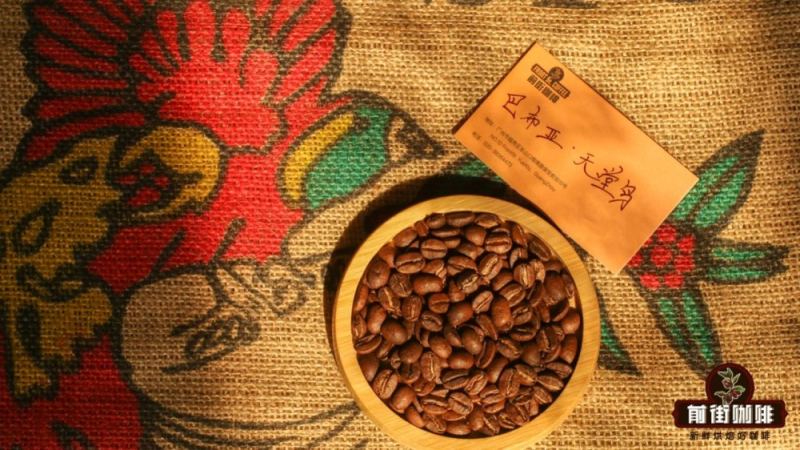
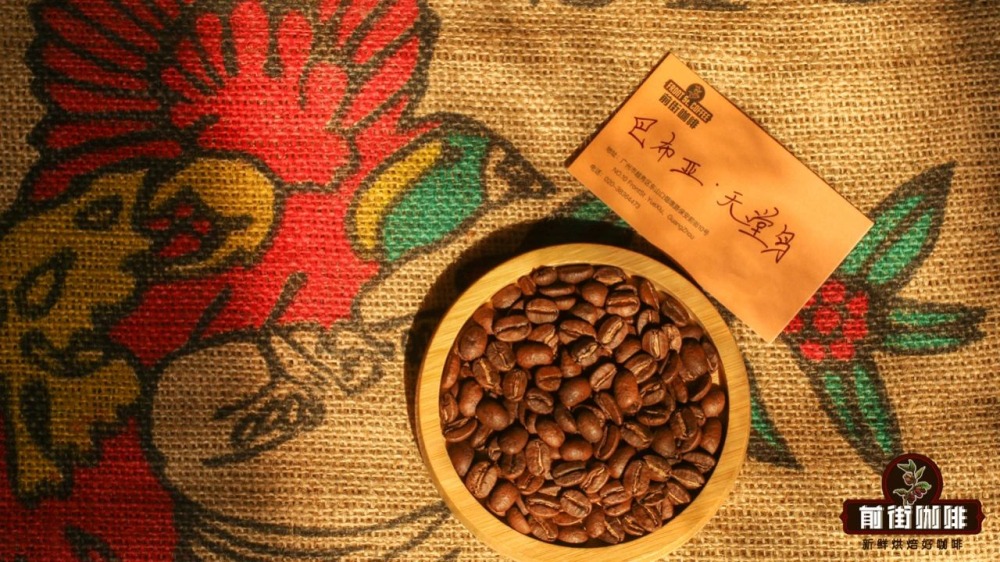
Front Street Coffee Papua New Guinea Bird of Paradise: Typica variety, grown in volcanic rock soil, AA grade, triple washed fermentation processing, clean and pure on the palate with prominent sweetness, offering a "little Blue Mountain"-style balance and elegance.
Front Street Coffee 2013 Yunnan Natural Typica: Natural processing retains more sugars, with citrus-caramel aroma paired with nutty chocolate notes; medium-dark roasting grounds the brown sugar sweetness firmly.
Front Street Coffee Autumn Chestnut Blend: Honduras Caturra paired with Papua New Guinea Typica; the entry brings roasted chestnut-like nutty sweetness, caramel and brown sugar's rich sweetness unfolds in the mid-palate, and the finish carries cocoa and a faint spice note—a blend that writes "sweetness and layers" into its recipe.
Brewing suggestions
The brewing approach for sweet-profile beans is "stability": a 1:15 coffee-to-water ratio, water temperature of 86-89°C, medium-fine grind, maximizing extraction rate without crossing the bitterness line. To enhance sweetness, you can appropriately lower the water temperature and slow the pouring.
Who suits this route
People used to adding sugar to coffee who want to quit sugar: sweet-profile beans can provide a "sugar-free but sweet" transition;
People who want a cup even on an empty stomach in the morning: low-acid sweet-profile beans are friendly to the digestive system;
People who want to recommend coffee to friends who don't drink it: sweet-profile beans have relatively high acceptance among all routes.
Starting with Brazil Queen Estate, once you understand "sweetness," you'll rediscover coffee.
The above content is compiled by CoffeeHunters, a coffee news website.


