








How does roast level affect sweetness in coffee?
Sweetness in coffee comes down to how much sugar the bean keeps and how those sugars transform. Variety, altitude, processing method, and roast level all matter, and medium and medium-light roasts tend to push flavors in a sweeter direction than dark roasts do.
Fully ripe red cherries develop sweetness more completely than unripe ones, and honey or natural processing helps retain it. For arabica coffee, sweetness is perceived alongside acidity and bitterness, so tasters judge it through both smell and retronasal olfaction rather than as a single isolated taste.
Is coffee bitter, sour, or sweet? The same pot of coffee often gives different people completely different impressions. This article starts from the causes of sweetness in coffee cherries and sorts out how variety, altitude, processing method, and roast level affect the retention and transformation of sugars in coffee beans. It focuses on explaining why medium and medium-light roasts are more likely to present flavors in a sweet direction, and recommends specific beans such as Front Street Strawberry Candy, Front Street Blackberry, and Front Street Mozart. It also explains the difference between sweetness and the perception of sweetness, analyzes the "sweet aftertaste" of bitter coffee, the sweet-sour balance of acidic coffee, and how orthonasal and retronasal olfaction participate in judging sweetness, helping coffee lovers describe the sweetness of pour-over black coffee more accurately.

Life is already hard enough, so when drinking coffee, of course you should choose something sweet!
If you say coffee is bitter, probably no one, whether they drink coffee often or not, would disagree; if you say coffee is sour, those who prefer sour flavors will certainly nod in agreement; but once you say coffee is sweet, it is likely to spark quite a bit of debate.
In fact, everyone's dietary habits are different, so sensitivity to sour, sweet, bitter, and salty naturally varies from person to person. Even when drinking the same pot of coffee, some people may find it sweet and pleasant, while others may find it so bitter that they cannot accept it and do not even want to take a second sip.
However, from coffee cultivation and post-processing to roasting and brewing, people are trying every possible way to make coffee sweeter at every stage. And when baristas speak of "sweetness," they mostly mean the sweetness that still exists amid the interplay of acidity and bitterness.
Similar to the principle behind the sweetness value of fruit, the sweetness level of coffee cherries mainly depends on factors such as variety, cultivation management, altitude, and ripeness at harvest. For example, fully red cherries develop sweetness more fully than unripe ones. Post-processing methods and roast level (time), in turn, determine how much sweet substance the coffee beans can retain and to what degree sugars are transformed. Coffees processed by honey or natural methods, for instance, are more likely to express sweet flavors.
During the roasting stage of coffee beans, experienced roasters try their best to allow the aromatic substances in green beans to complete caramelization and to present flavors leaning toward sweetness. Recommended purchases include Front Street Strawberry Candy, Front Street Blackberry, Front Street Mozart, Front Street Sidra, Front Street 2013 Yunnan Red Cherry, and Front Street Queen's Estate. These coffee beans mostly use medium-light or medium roasting and carry sweet, fragrant flavor types that can be judged from the description, such as sucrose, chocolate, muskmelon, candied fruit, honey, ripe fruit, and fermented notes. When brewed, they are more likely to suppress bitterness and enhance the perception of sweetness.
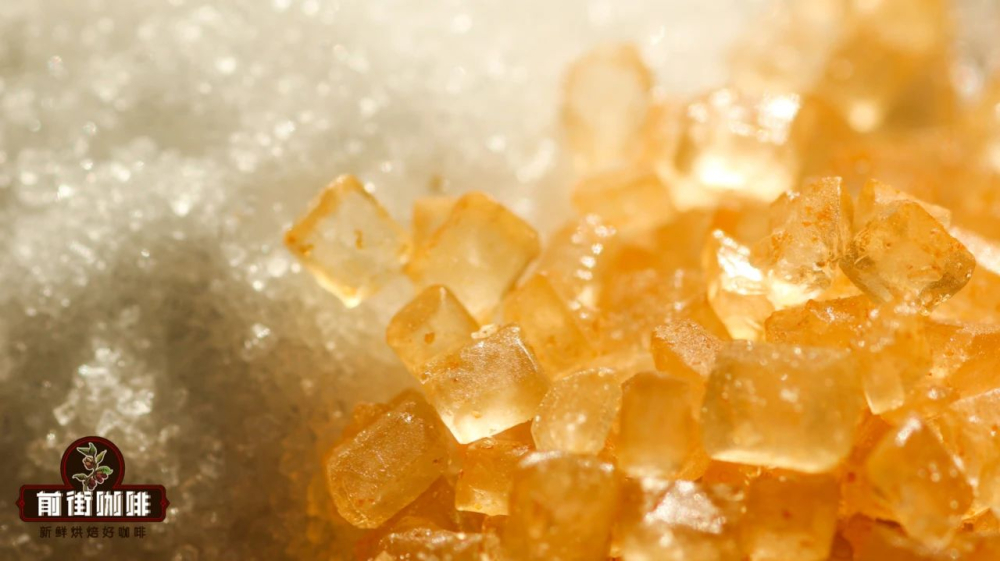
For a bag of roasted coffee beans, its sweetness level can be said to be an objectively existing fixed value, while the perception of sweetness is a flavor description that combines taste and smell when people taste it. At this point, the level of perceived sweetness is related to the extraction method, technique, and the taster's sensory sensitivity. For example, when Front Street drank naturally processed Red Label Geisha, it perceived a distinct melon-like fruity sweetness; when drinking washed Yirgacheffe, there was a honeyed sweetness resembling floral fragrance; and when drinking Bird of Paradise, there was a clear sweetness like sugarcane.
Liking sweetness and fearing bitterness is human nature for many people. The reason many friends who are just beginning to explore specialty coffee cannot perceive the "sweetness" described by baristas is very likely that their sensitivity to bitterness is higher than to sweetness.
When bitterness and sweetness exist in the same pot of coffee at the same time, what we often perceive first is bitterness, and after swallowing, a sweet sensation remains at the base of the tongue. This pleasant sweetness that bitter coffee naturally carries is what people often call "sweet aftertaste," meaning sweetness after bitterness, and it is most common in medium-dark roasted coffee. For example, Blue Mountain No. 1 and Golden Mandheling express this kind of finish.
For acidic coffee, perceiving sweetness often depends on the contrast and coordination of bitterness and acidity. For example, medium-light roasted coffee itself contains fewer bitter substances. After fruit acids and aromas are reasonably extracted, the coffee will express a sweet-sour sensation based on high acidity and low bitterness, reminding people of the taste of certain fruits. For instance, when Front Street tasted Panama Boquete Geisha, it could clearly perceive relatively low bitterness, medium acidity, and relatively high muskmelon-like sweetness.
Of course, in addition to the sense of taste in the mouth, smell also brings us a different kind of "sweetness." Olfaction is divided into two stages: one is orthonasal olfaction, and the other is retronasal olfaction. The former is responsible for perceiving odors inhaled directly, such as directly smelling freshly ground coffee powder, which uses orthonasal olfaction.
When the coffee liquid enters the mouth, the taste buds first judge the intensity of sour, sweet, bitter, and salty. Then, during swallowing, aromatic substances "slip" into the nasal cavity. At this point, the brain quickly combines the tasted flavor with the aroma in the nasal cavity, thereby presenting the flavor of a specific food from memory. This is retronasal olfaction. When the directional aroma brought by retronasal olfaction reminds us of a very sweet food in memory, we will subconsciously feel that the sweetness of this cup of coffee is very high.
Finally, if the coffee beans have already been decided, that means the general direction of the flavor has been set and cannot be changed. In that case, we can adjust acidity, sweetness, and bitterness up or down through different brewing methods. Among these, how to brew out the sweetness of coffee is a issue that draws relatively more attention.
The above content is compiled by CoffeeHunters, a coffee news website.


