







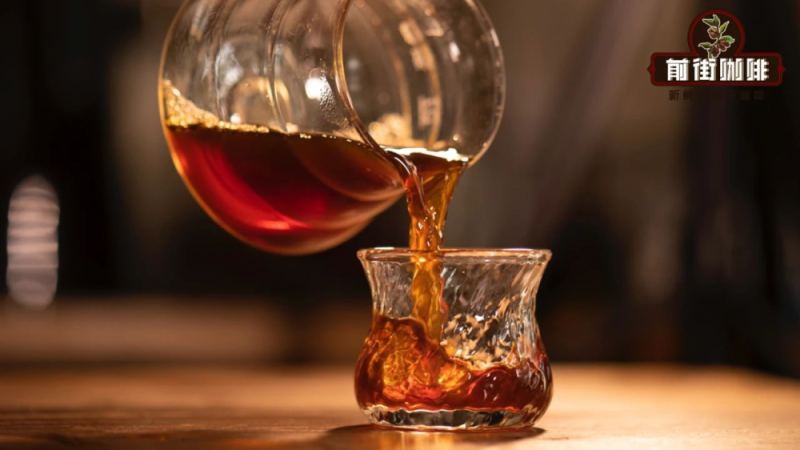
Where does sweetness in coffee come from
Black coffee can taste sweet. Coffee beans contain sucrose-like compounds, and sweetness can surface from two directions: within acidity and out of bitterness. Aromatic compounds such as furanones and cyclotenes also create honey, sweet fruit, caramel, and maple syrup notes, even when the sugars themselves are limited and often masked by strong acidity or bitterness.
Cherry ripeness matters, so picking only fully red cherries is a basic requirement for coffee quality. During processing, richer microbial activity in fermentation tends to raise sweetness, which makes natural, black honey, and anaerobic natural beans good choices. Among pour-over options, yirgacheffe natural red cherry and yellow bourbon lots show the fruit-forward side of sweetness.
Coffee's taste is as varied as people themselves—some prefer mellow bitterness, some favor fruity acidity, and others are captivated by that natural sweetness. Can you really taste sweetness in black coffee? The answer is yes. Coffee beans inherently contain sucrose-like compounds, and with the right combination of fermentation processing and roast level, sweetness can emerge from two directions: sweetness within acidity and sweetness emerging from bitterness. This article will guide you through the sources of coffee sweetness and recommend five pour-over beans with outstanding sweetness—from Front Street Yirgacheffe Natural Red Cherry to Mozart and Queen's Farm Yellow Bourbon—analyzing each one's flavor characteristics and roasting approach, helping you find that cup of coffee sweet enough without adding sugar.
For more specialty coffee knowledge, follow our WeChat official account: Front Street Coffee (FrontStreet Coffee)
When it comes to coffee, everyone's ideal cup tastes a little different. Some think coffee should be rich and bitter, some prefer bright acidity, and others are used to adding milk and sugar before drinking. Today we're narrowing the scope to black coffee and discussing whether there are beans with particularly prominent sweetness. But before making recommendations, let's first understand one thing: where does the sweetness in coffee actually come from?
Coffee beans do contain sucrose-like components internally. Although the content is limited and often masked by strong acidity or bitterness, they are indeed a direct source of sweetness. Another pathway is the contribution at the aromatic level—the honey, sweet fruit, caramel, and maple syrup notes we smell in coffee actually come from aromatic compounds like furanones and cyclotenes.
Coffee beans are essentially the product of coffee cherries, and they ultimately cannot escape their fruit nature. Ripe cherries are naturally sweeter than unripe ones, so picking only fully red cherries is a fundamental prerequisite for ensuring coffee quality. During the green bean processing stage, the richer the microorganisms and substances involved in fermentation, the higher the sweetness of the final product tends to be. Those who favor sweetness should prioritize natural process, black honey process, and anaerobic natural process beans.
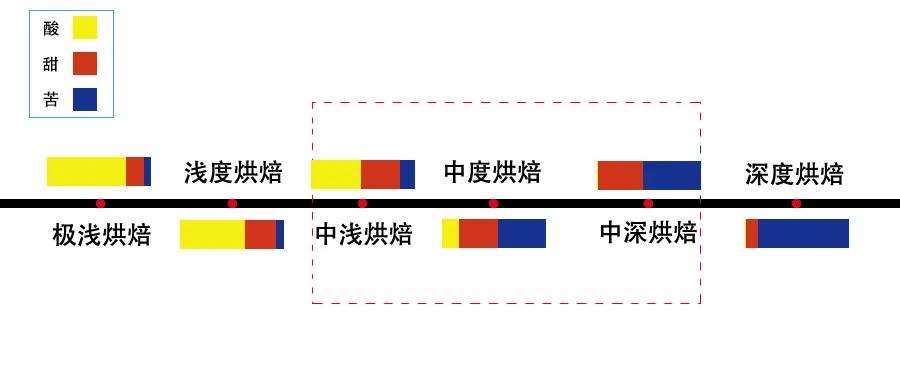
However, the stage with the most direct impact on sweetness is still roasting. The lighter the roast, the more prominent the acidity; the darker the roast, the more bitterness dominates. The zone where sweetness performs best tends to fall around medium roast.
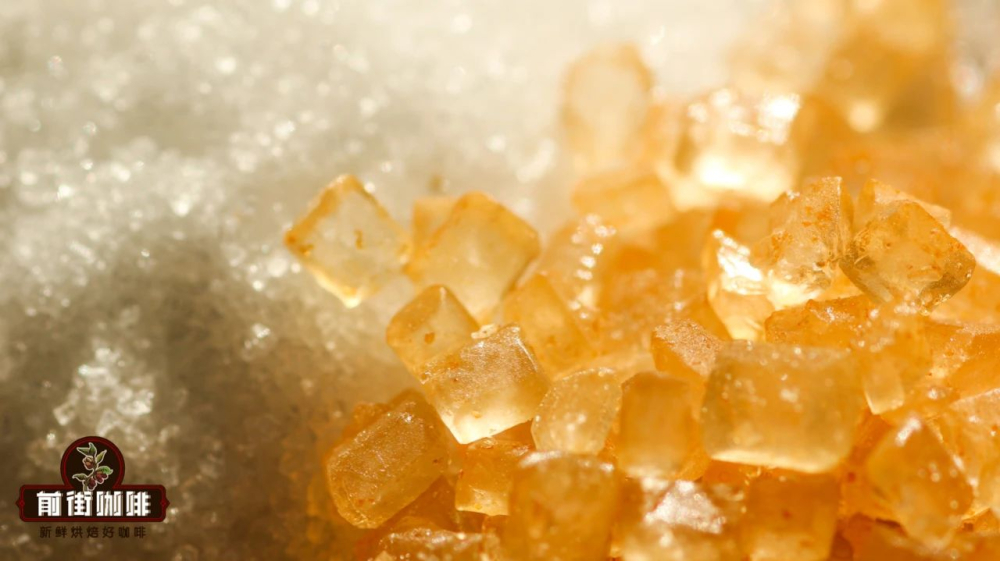
If we use a simple and direct categorization, high-sweetness coffees can be roughly grouped into two directions: sweetness within acidity, and sweetness emerging from bitterness.
Sweetness within acidity is a flavor direction with very high acceptance these days, manifesting as the sweetness of ripe fruit, very pleasant on the palate. Front Street has picked a few popular beans as reference.
First: Front Street Yirgacheffe Natural Red Cherry
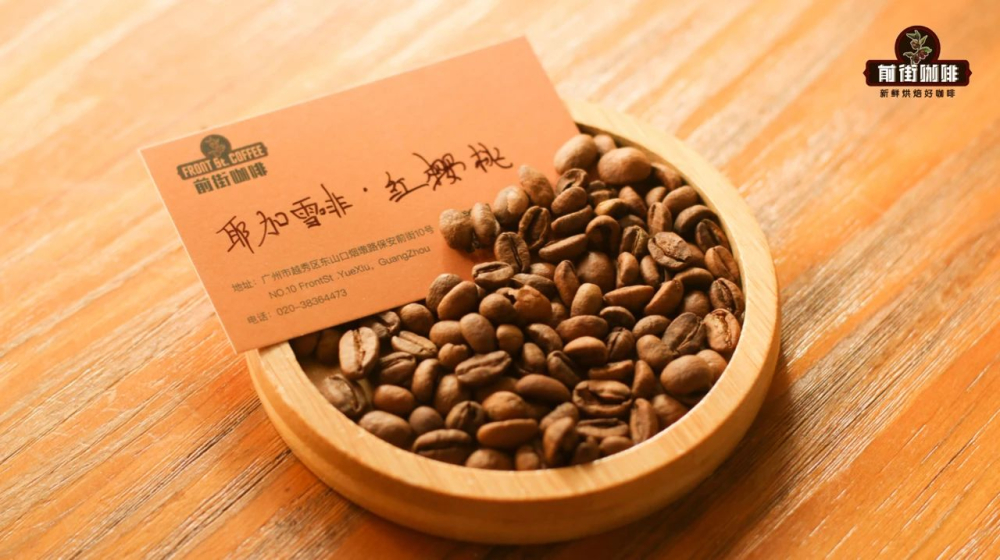
This bean can be considered a classic standout for sweetness in the light roast camp. It was one of the earliest beans to adopt a fully red cherry natural processing approach, so its quality starts at a high baseline. Front Street chose a medium-light roast to present it: it smells of ripe fruit sweetness, with a clear fermented note on entry accompanied by berry tones; as the temperature drops slightly, you can sense citrus-like acidity and creamy smoothness, finishing with the juicy sweetness of ripe grapes.
Second: Front Street Strawberry Candy Coffee Beans
This is Front Street's curated dual-origin high-altitude blend, combining Panama washed Geisha with Costa Rica honey-processed coffee. To fully unleash the strengths of both origins, Front Street uses a medium roast, preserving rich floral and fruity notes while enhancing roast-derived aromas. After brewing, you can sense the sweet aromas of caramel, raisins, and dried fruit, along with an intense, honeyed rose fragrance.
Third: The Musician Series Mozart Coffee Beans
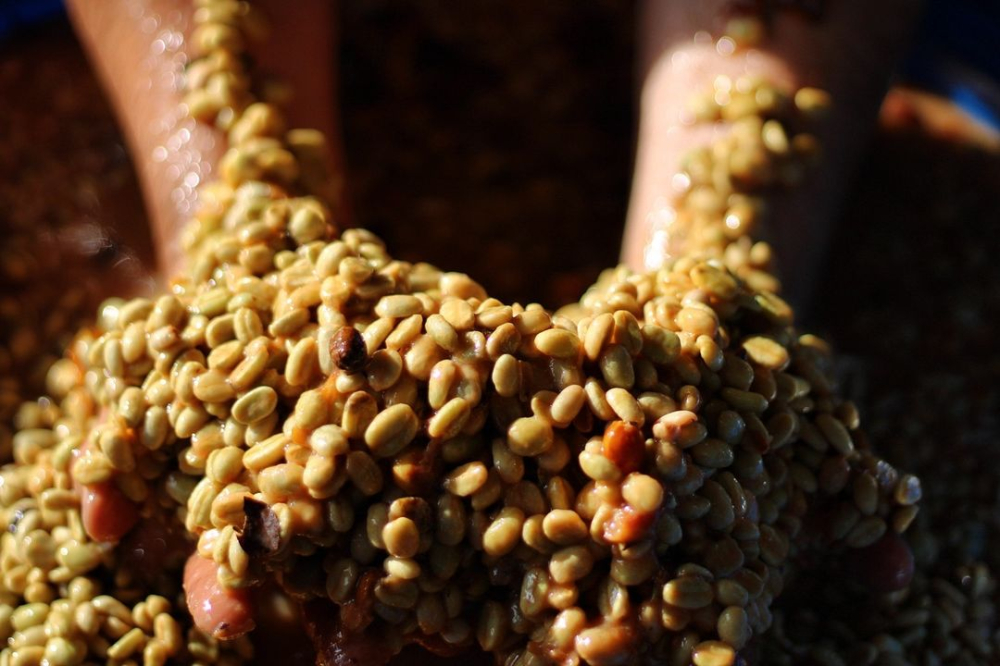
Costa Rica Mozart is characterized by a sweetness reminiscent of Kyoho grapes and has always had a loyal following. This bean uses a raisin honey process, allowing the coffee cherries to ferment slowly. Front Street uses a medium-light roast to highlight its rich, full-bodied raisin, rose, and fermented wine aromas.
When bitterness and sweetness coexist in the same pot of coffee, we typically perceive the bitterness first, and only after swallowing does a subtle sweetness slowly rise from the back of the tongue. This pleasing sweetness inherent in bitter coffee is what's commonly called "huigan" (returning sweetness), most typical in medium-dark roasted beans. For example, Blue Mountain No. 1 and Golden Mandheling exhibit this long-lasting finish.
In coffees where sweetness emerges from bitterness, the main notes revolve around nuts and dark chocolate, leading into the sweetness of sucrose, maple syrup, and caramel—the top choice for those who don't enjoy acidic coffee. Front Street shares a few more enduring beans for reference.
Fourth: Front Street Queen's Farm Yellow Bourbon Coffee Beans
Queen's Farm Yellow Bourbon is a bean Front Street is very fond of. Its biggest highlight is outstanding sweetness, and it's extremely versatile—pour-over, French press, moka pot, and espresso machine all work well. Queen's Farm itself is a well-known specialty estate in Brazil, and the Yellow Bourbon variety is excellent. Combined with natural processing, the sweetness is even more pronounced. Front Street uses a medium roast, presenting flavors of nuts, cream, sucrose, and soft fruity acidity.
Fifth: Front Street Yunnan Small-Bean Typica Coffee Beans
This is coffee that Front Street grows in Yunnan. Many people know that Front Street shares coffee knowledge and roasts coffee beans, but few know that Front Street also grows coffee in Yunnan. As early as 2013, Front Street began planting in Lincang, Yunnan, advancing step by step from site selection, breeding, planting to management. Front Street grows the Typica variety, an Arabica variety with excellent flavor. Using natural processing and medium roasting, it presents extremely high dried-fruit sweetness along with flavors of plum, yellow sugar, and chocolate.
If you find all the coffees above still bitter, then the only way to drink something sweet seems to be adding sugar—and how much is entirely up to personal preference.
In Front Street's view, everyone's dietary habits differ, so sensitivity to sweet, sour, bitter, and salty naturally varies too. The same pot of coffee might taste bitter to one person and sweet to another. If you don't want the barista to serve you exactly what you'd consider "bitter coffee," you might add a few words when ordering: do you want fruity and tangy, dark-roasted and sweet, aromatic and sweet, or extra sugar for sweetness...
The above content is compiled by CoffeeHunters, a coffee news website.


