







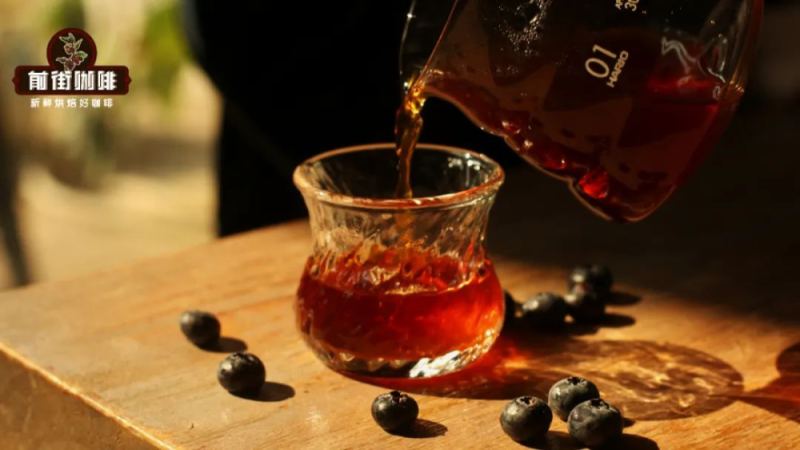
How can brewing bring out sweetness in coffee?
Sweetness becomes noticeable when bitter and sharply acidic compounds are low enough not to mask it, since taste buds detect those far more readily than sugar. For fruity medium-light roasts and nutty medium-dark roasts, adjusting water temperature, staged pouring, and the coffee-to-water ratio shifts the cup toward fuller sweetness and a lasting sweet finish.
During extraction, hot water dissolves flavor compounds at different rates, and the sugars and alcohols behind sweetness tend to arrive later, so pouring in stages helps control what lands in the cup. Bean variety, ripeness at harvest, processing, and roast level set how much sweet material remains in the first place. Sweetness in coffee reflects the whole chain.
In the world of specialty coffee, sweetness is an important dimension for measuring the quality of a cup. If black coffee can present both aroma and sweetness, it means everything from bean selection to extraction has reached an ideal state. However, most people's first impression of coffee is bitterness, and only when they taste fruity or caramel-like sweetness do they discover with surprise that this "black drink" can also be so sweet. Starting from the stage at which coffee's sweetness is released, this article provides practical sweetness-boosting adjustment plans for two types of coffee—fruity medium-light roasts and nutty medium-dark roasts—including optimization ideas for key parameters such as water temperature, staged pouring, and coffee-to-water ratio, helping coffee lovers brew good coffee with full sweetness and a lasting sweet aftertaste.
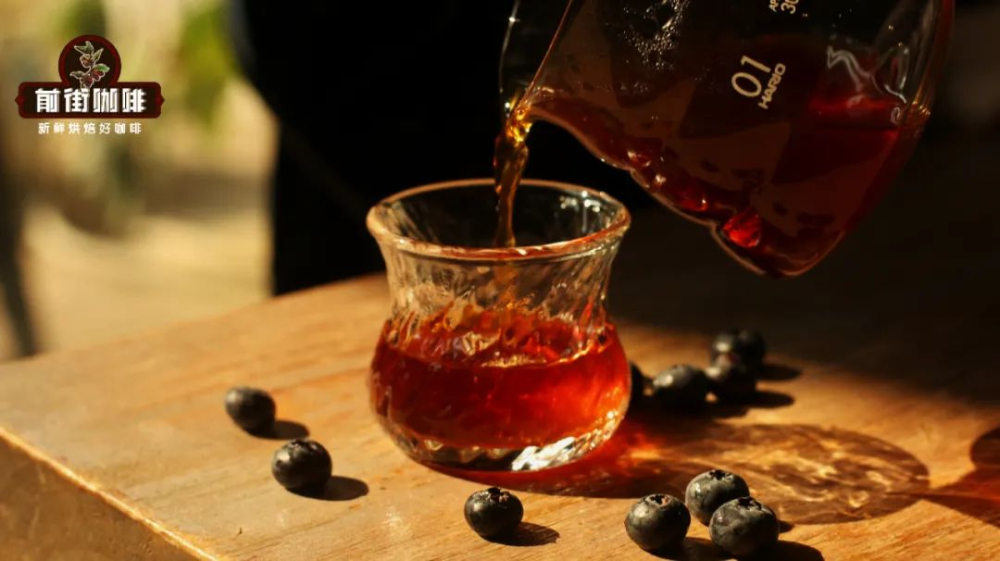
In the field of specialty coffee, sweetness has always been an important dimension for evaluating the quality of a bean, and it is also a flavor expression pursued jointly by roasters, baristas, and brewing enthusiasts. When a cup of black coffee has both a captivating aroma and a pleasant sweetness, it shows that everything from green bean quality to the extraction stage is in an ideal state, and it is unquestionably a good cup of coffee.
In daily life, people naturally have a fondness for sweetness and often avoid bitterness—Front Street has never seen many out-of-town friends who could finish a bottle of Ban Sha herbal tea without changing expression. Precisely because most people taste bitterness when they first encounter coffee, once they taste sweetness like fruit or caramel, they exclaim that this "black water" can actually be sweet, and then they set off on the path of studying how to brew coffee sweet.
At which stage is coffee's sweetness released the most?
Although sweetness is widely welcomed, human taste buds are far more sensitive to bitterness and acidity than to sweetness. Therefore, when we can clearly perceive sweetness in coffee, it means the concentration of bitter and sharply acidic substances masking sweet molecules is already low or accounts for only a small proportion, giving the taste buds a chance to capture the pleasant sweetness first.
Under the rinsing of hot water, different flavor substances dissolve at different speeds, and the sugars and alcohols representing sweetness usually dominate in the middle and later stages of extraction. In principle, as long as brewing captures as many sweet substances as possible while "suppressing" the release of bitter components, the final black coffee can present sweetness.
When faced with coffee beans of different flavors, we habitually divide them into two major categories: acidic coffee from medium-light roasts and bitter coffee from medium-dark roasts, and then match corresponding extraction parameters according to the category. Therefore, Front Street believes that to find an approach for high-sweetness extraction, you must first understand the type of coffee beans in your hands, and then adjust the brewing framework accordingly. (It should be emphasized that brewing cannot change the flavor tone of the coffee beans themselves; it can only control the intensity of the black coffee's acidity, sweetness, and bitterness to a certain extent.)
Sweetness-Boosting Approach for Fruity Coffee
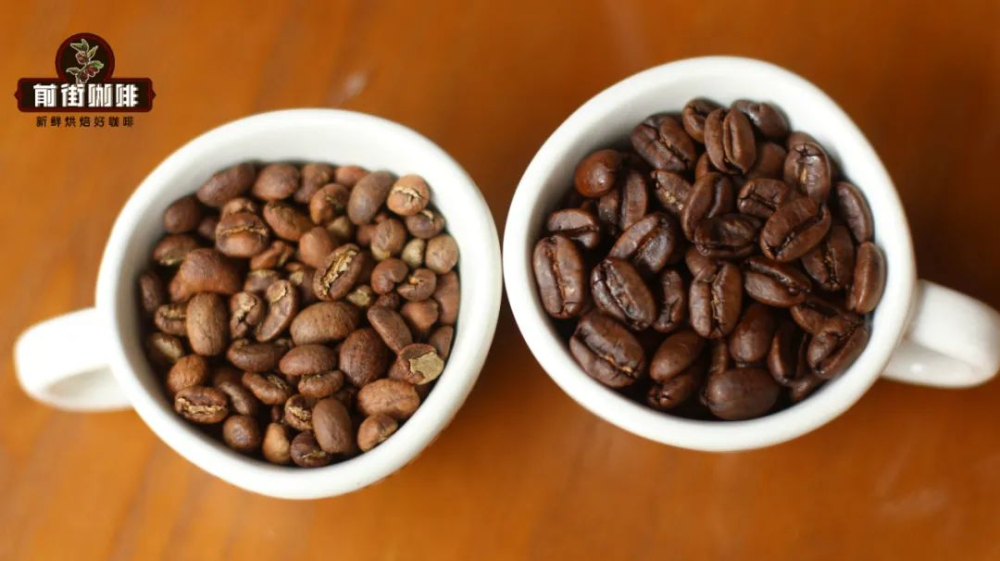
As is well known, high-sweetness medium-light roasted coffee often displays a fruity sweet-and-sour texture, with flavor descriptions such as peach, grape, lychee, honeydew, passion fruit, dried fruit, and fermented notes. Usually, as long as the bitter components of the later stage are not extracted, the taste of this type of coffee basically revolves around acidity and sweetness. Generally speaking, the lighter the roast, the smaller the structural change in the bean body, the lower the internal carbon dioxide content, and the denser the texture. Therefore, coffee grounds have poorer water absorption capacity and need fuller contact with water to release enough flavor substances, so the grind should be finer. Logically, the more fully the positive flavors are extracted, the more prominent the sweetness expression.
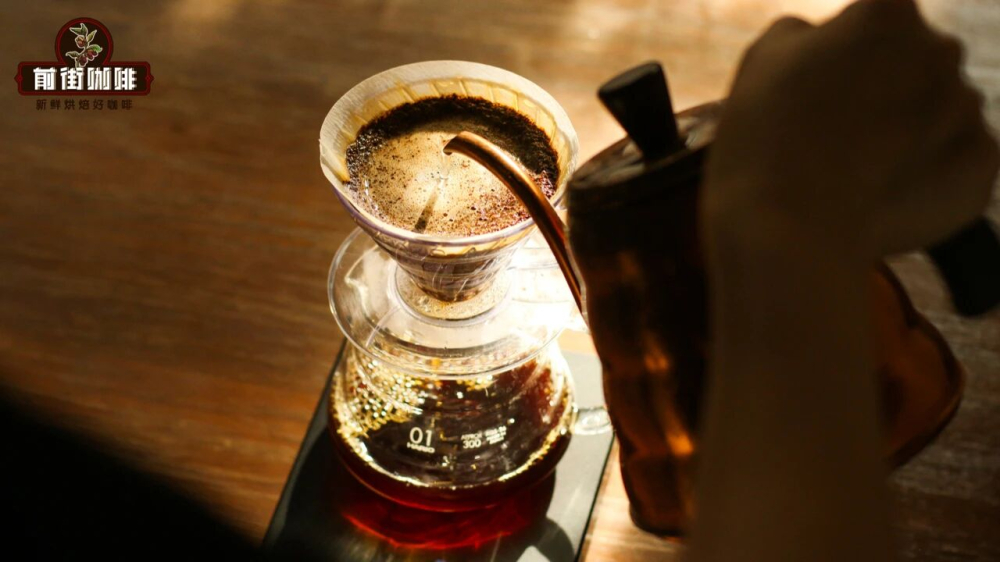
The differences in sweetness among coffees brewed by different people are more influenced by the concentration of aromatic substances, which mainly depends on control of the basic parameters, such as grind size, water temperature, coffee-to-water ratio, number of pouring stages, water distribution, flow rate, and the range and speed of circling. Taking Front Street's daily output as an example, when brewing medium-light roasted coffee, the basic parameters are set within the following range: 15 grams of coffee grounds, EK43s grind setting 10, 1:15 coffee-to-water ratio, water temperature 91–93°C, three-stage pouring, with each stage's water amount being 30ml/125ml/70ml respectively.
When the grind size is not abnormal (such as water pooling at the end or a muddy coffee bed), Front Street does not recommend adjusting grind size to obtain a sweeter or more acidic taste. For friends who do not brew pour-over often, grind size is an extremely difficult variable to master; whether too coarse, too fine, or uneven, it will affect the final taste. So if your current grind size can already brew good coffee, try to use other more controllable parameters instead of adjustments, so as to avoid irreversible extraction problems.
If you always feel the sweetness is insufficient when brewing fruity coffee, you can refer to the following adjustment directions summarized by Front Street.
1. Increase water temperature | Pour-over kettles made of different materials dissipate heat at different rates, so the actual extraction temperature will also differ. If you usually brew fruity-acidic coffee with 90°C water and it is not bitter, but the acidity is rather heavy and the sweetness is rather weak, try raising the water temperature by 2–3°C. The aim is to increase the extraction rate throughout the pouring stages, thereby obtaining richer positive aromatic substances.
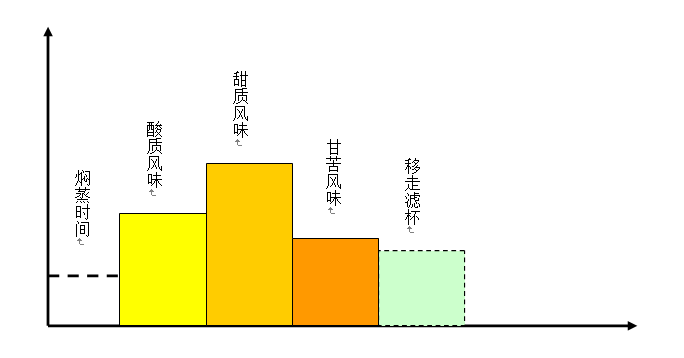
2. Add more stages | Compared with a one-pour method, the one-pour method concentrates rinse extraction in the first half, while the three-stage method distributes extraction across the front, middle, and back stages, so coffee brewed with the one-pour method tastes more acidic, while the three-stage method tastes sweeter. If the coffee brewed with your usual staged method always has too much acidity and you want it sweeter, you can add another stage of water to rinse the later coffee bed. For example, if the three-stage water distribution is 30ml/125ml/70ml, after adding one stage it can become 30ml/75ml/60ml/60ml.
3. Pour more water | The purpose of continuing to pour water is to widen the coffee-to-water ratio. On one hand, it can extend the extraction time, allowing sweet substances in the middle and later stages to be released more fully, so the coffee's acidity weakens relatively and sweetness increases. But considering that an increased water amount will lower concentration, Front Street recommends a conservative adjustment range. For example, if you use a 1:15 or lower coffee-to-water ratio, you can first extend it to 1:16 and observe whether the coffee improves. If the concentration is fine and the sweetness has improved, then no further adjustment is needed.
Sweetness-Boosting Approach for Nutty Coffee
Friends who do not like acidity usually prioritize darker roast types when purchasing coffee beans, because they generally present roasting-related aromas such as nuts, dark chocolate, almonds, and seeds, with only a small proportion of acidity, while highlighting sweetness with notes such as cocoa, caramel, and maple syrup. Beginners can buy the cost-effective Front Street Queen's Estate, Front Street PWN Golden Mandheling, and Front Street PNG Bird of Paradise.
But medium-dark roasted beans are heated for longer and to a higher degree, have a very loose texture, and have undergone more complete caramelization than light-roasted coffee, so under the same parameters, bitterness in the later stage is more easily released. Once the parameters are not handled properly, roasting-related bitterness easily gains the upper hand, causing sweetness to be masked. The coffee may be so bitter on entry that it is hard to accept, and the astringency left in the throat lingers for a long time. Therefore, brewing dark-roasted coffee sweet is both a required course for many beginners to improve their brewing skills and a key point for experienced brewers to grasp coffee's balance.
In order to avoid extracting too many off-flavors while retaining a mellow sweetness, Front Street uses a slow-flow Kono dripper paired with a coarse-sugar grind and low water temperature (88°C), while pouring in small circles with a gentle range, with a 1:15 coffee-to-water ratio to rinse the coffee bed, controlling the time to about 2 minutes. For specific operational details, everyone can check the related article published by Front Street a month ago.
The above content is compiled by CoffeeHunters, a coffee news website.


