







When we say coffee is sweet, we’re not just referring to the sweetness on the palate—there’s also a sweet aroma on the nose. So from a tasting perspective, only an acidic coffee with a sweet, fragrant baseline can be considered a high-scoring flavor experience. And to get coffee’s acidity and sweetness just right, roasting plays a key role.
From the moment a green coffee bean starts to heat up until roasting ends, sweetness is the first flavor to develop, followed closely by acidity. Following the pattern of flavor development, as the roast level deepens (with increased time), the coffee’s sweetness continues to rise until it reaches a peak (generally at medium to dark roasts), after which it begins to decline rapidly. So if we look at sweetness purely from a roasting standpoint, the medium roast range often carries the most “sweetness.”

As ordinary consumers, we can’t interfere with the roaster’s approach to balancing acidity and sweetness, but we can judge a bean’s “sweetness content” based on its flavor description. For example, if the flavor notes lead with slightly acidic fruits like melon, dried fruit, peach, mango, guava, or sweet orange, it’s a type with more sweetness than acidity; these often also come with terms like fermented, ripe, or fruit candy. Those dominated by more acidic fruits such as lemon, passion fruit, plum, or prune are usually coffees with more acidity than sweetness. If you’re not sure how to choose, just refer to these selected single-origin picks from Front Street Coffee:
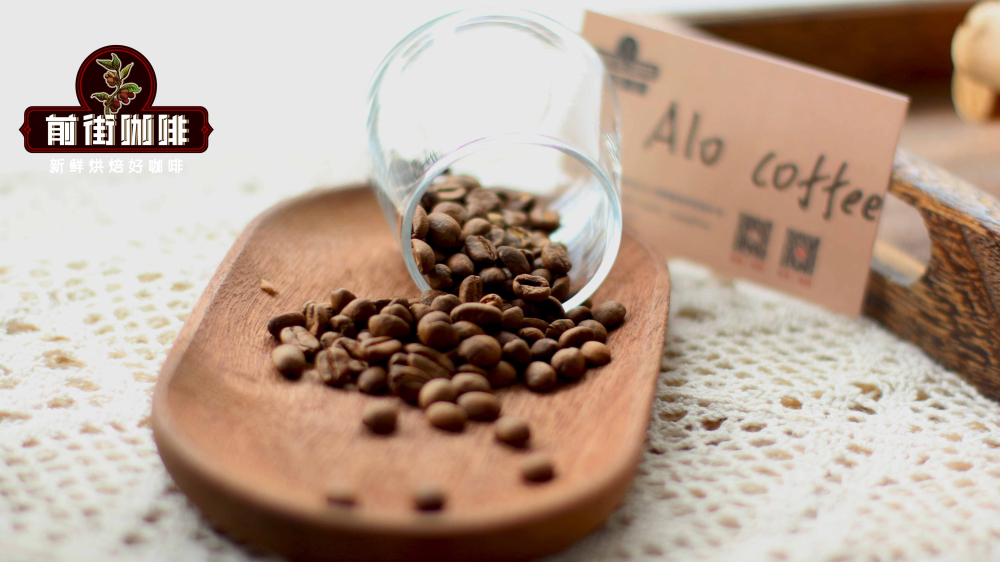
1. Front Street Coffee Sidamo Alo
Flavor: floral, mango, guava, citrus, dried strawberry; the mouthfeel interweaves acidity and sweetness, with a light and rich aroma
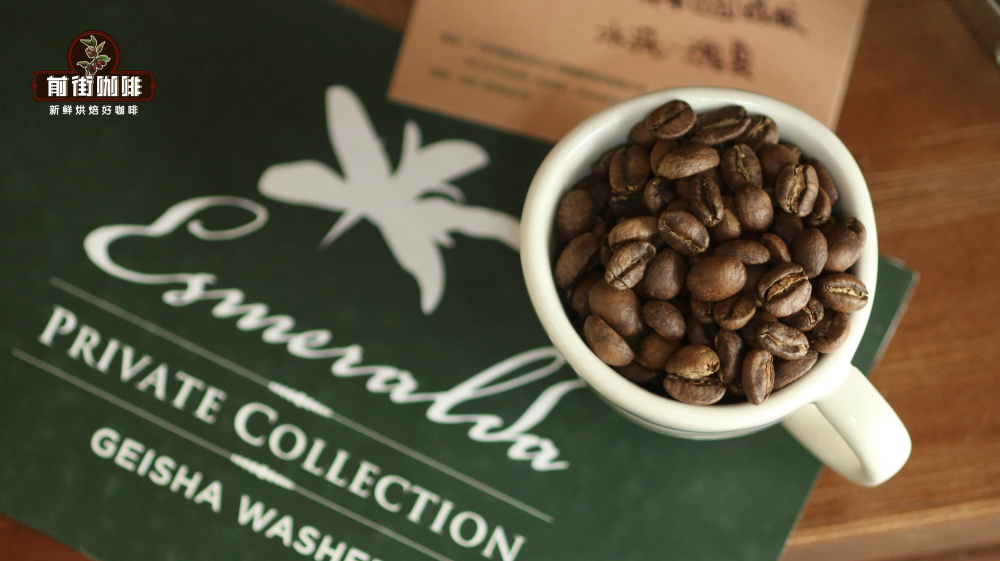
2. Front Street Coffee Emerald Green Label Geisha
Flavor: jasmine, melon, citrus, peach, Tieguanyin tea; layered and rich, with a soft mouthfeel
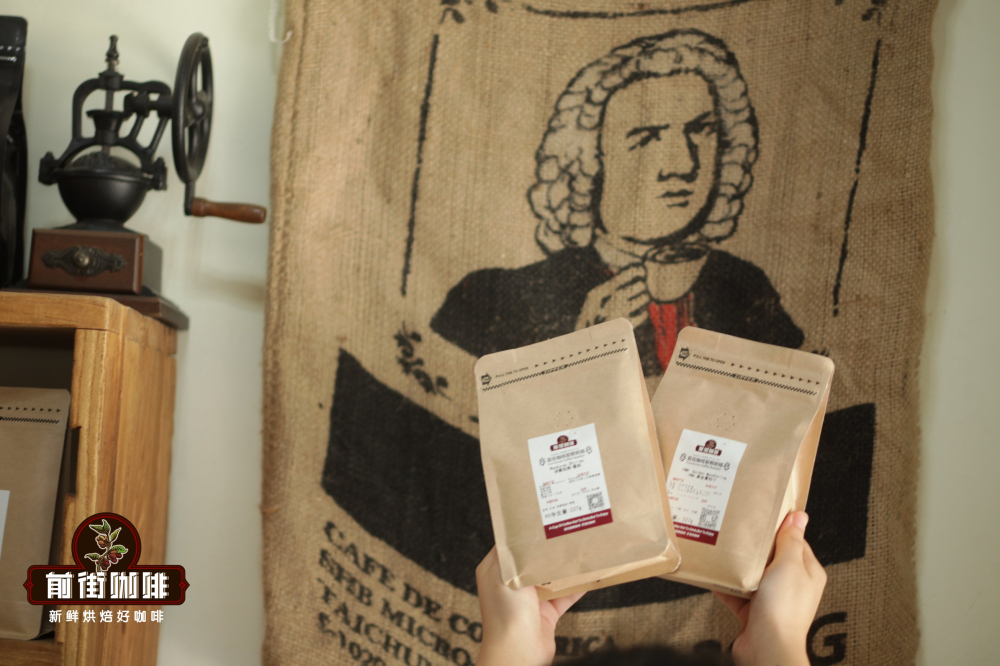
3. Front Street Coffee Mozart
Flavor: raisin, osmanthus, sweet orange; clean and sweet on entry,with a distinct fermented note

4. Front Street Coffee Queen’s Estate
Flavor: creamy chocolate, sucrose, nuts; moderate body, with a clear sweet finish
Acidity emerges in a concentrated burst before sweetness
The coffee extraction process can be divided into three stages. The first stage most easily releases light-molecular aromatic substances, such as floral notes, along with the bright fruity acidity; the second stage extracts a large amount of caramelized substances, including vanilla, sucrose, chocolate, nuts, cream, and other sweetness-related flavors that take the upper hand; the final stage begins to bring out a large amount of harder-to-dissolve large-molecular substances, which mainly make the coffee’s mouthfeel trend toward heaviness, woodiness, sharpness, bitterness, and other undesirable characteristics.

So, brewing coffee sweet is essentially about obtaining the largest possible proportion of sweet-tasting substances—that is, finding a reasonable plan to “suppress bitterness and enhance sweetness.” Back to today’s topic: if you want to increase the sweetness of a light-roasted bean while preserving the lovely aromatic substances from the early stage, you first need to ensure control of the acidic aroma in the first stage, and then master the key extraction part in the second stage.
How to brew light-roasted coffee sweet?
In terms of parameters and technique, besides highlighting the floral and fruity acidity of a light roast, you also need to enhance the coffee’s overall body and richness. Front Street Coffee does this by widening the coffee-to-water ratio, raising the water temperature by 1–2℃degrees, and increasing the number of pours, combined with technique. Here, Front Street Coffee Costa Rica Blackberry is used for a brewing demonstration. This is a honey-processed Caturra coffee with a distinct sweetness during extraction.
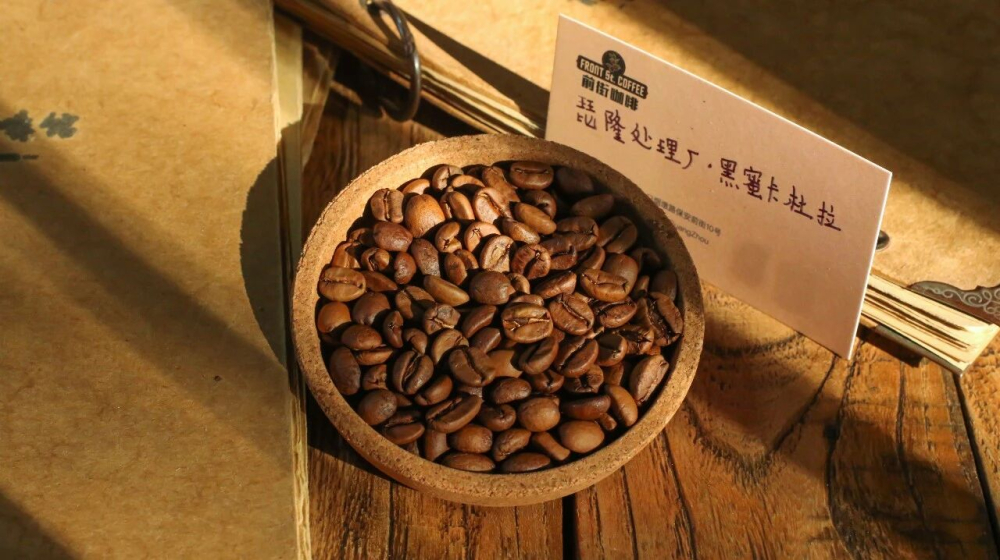
Coffee beans: Front Street Coffee Costa Rica Blackberry
Dose: 15 g
Coffee-to-water ratio: 1:16
Grind size: regular fine grind (EK43s setting 10)
Dripper: V60
Water temperature: 93°C
Pulse pouring: four pours (30g/70g/70g/70g)
For the first pour, add 30 g of hot water and bloom for 30 seconds. Make sure all the coffee grounds come into contact with water and are in the same pre-extraction state;
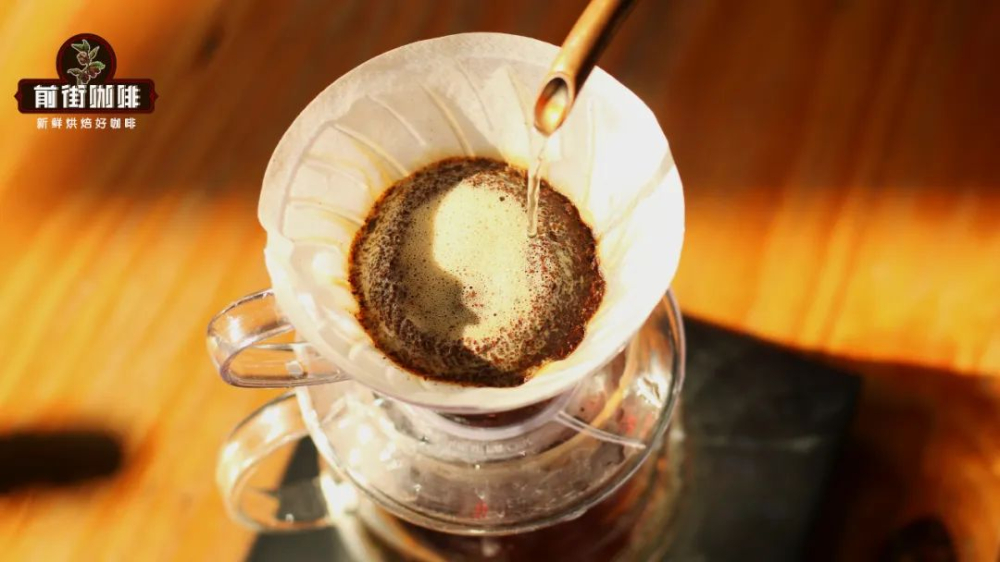
After 30 seconds, using a slow flow (4 ml/s),pour the second 70 g in small circles clockwise from the center. The goal is to let the coffee continue degassing while raising the coffee bed to about 3/5 of the dripper. Finish pouring in about 55 seconds; the scale should read 100 g.

When the liquid level drops and is about to expose the coffee bed, you can begin pouring the third 70 g. Likewise maintain a slow, small flow of 4 ml/s. At this point the circling amplitude can be a bit larger than in the second pour, with the aim of bringing out more sweet-tasting substances. Finish pouring in about 1:15–1:20; the scale should read 170 g. Be careful not to pour too quickly, to avoid pushing the water level too high; tryto keep the drawdown rate and pouring amplitude in a balanced rhythm.
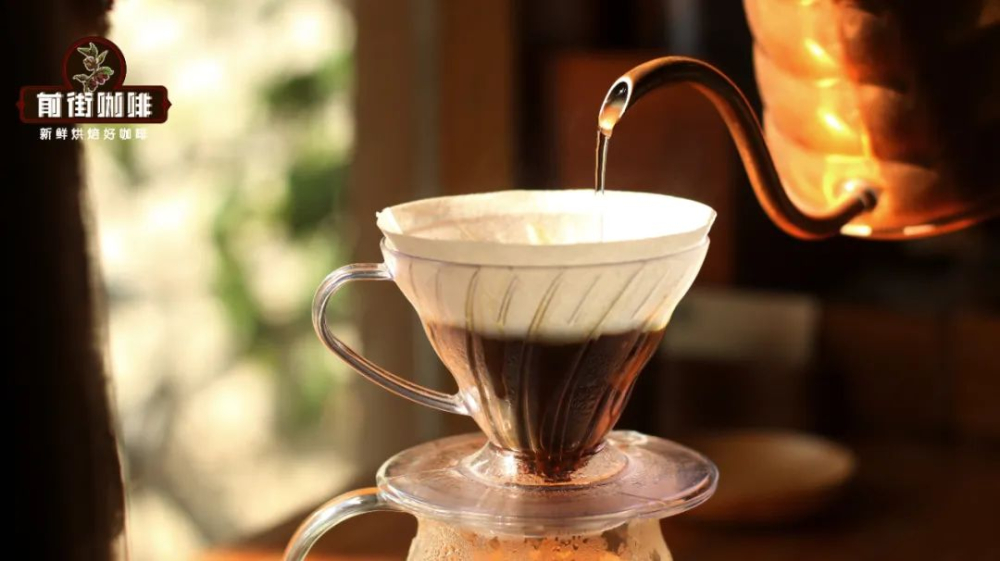
When the coffee bed is exposed again, you can finish pouring the final 70 g. The technique is the same as the second pour; try to control the stream so it doesn’t swirl too much, because that can easily disturb the bed and cause under-extraction. Finish pouring at about 1:45,for a final total water amount of 240 g,with a total brew time of 2 minutes 12 seconds.

Usingthis method, the brewed Front Street Blackberry has an obviously clean sweetness on entry, with flavors of grapes, sweet melon, sugarcane, and blueberry jam—ripe fruitnotes.Compared with the usual three-pour method, the acidity is much softer, the body is thicker, and the sweet finish lingers. Even as the temperature drops, the various fruity sweetness remains full, and the aftertaste is accompanied by a faint rose aroma.
The above content is compiled by CoffeeHunters, a coffee news website.

